Choosing a sofa that can withstand the chaos of daily family life—especially when pets and children are involved—is one of the most important decisions in home furnishing. Two popular upholstery fabrics often considered are velvet and linen. Both offer distinct aesthetics and comfort, but how do they really perform under pressure from muddy paws, spilled juice, and endless jumping? Understanding their long-term resilience, ease of cleaning, and overall suitability for high-traffic homes is essential before making a decision.
Velvet brings a sense of luxury and depth, while linen offers a relaxed, breathable, and natural vibe. But beyond looks, what matters most is how well each fabric ages when exposed to the realities of family dynamics. This article dives deep into the performance of velvet versus linen sofas in homes with pets and kids, comparing durability, stain resistance, maintenance, texture, and overall longevity.
Durability: How Well Do They Withstand Daily Wear?
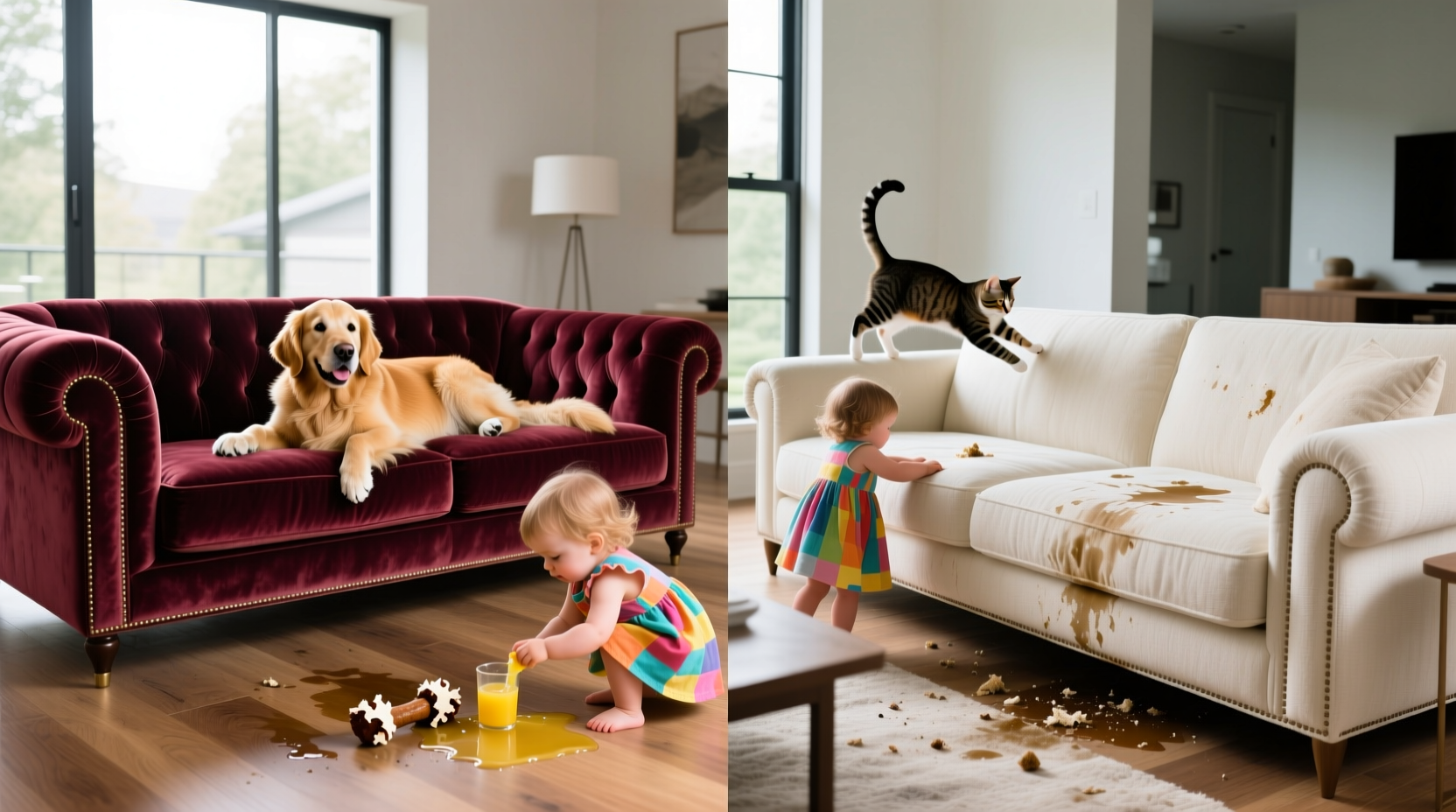
The first consideration when selecting a sofa fabric for a busy household is durability. How resistant is the material to abrasion, fraying, and general wear caused by constant use?
Velvet, particularly modern performance or synthetic blends (like polyester or cotton-poly velvet), has come a long way in durability. High-twist yarns and tightly woven structures make today’s velvets surprisingly resilient. When properly constructed, velvet resists pilling and maintains its soft pile even after years of use. It's also less likely to show indentations from sitting, which is a common issue with looser weaves.
However, not all velvet is created equal. Lower-quality versions with short piles or weak backings may flatten over time, especially in areas where kids frequently sit or pets jump on and off. Natural silk velvet, while beautiful, is delicate and not recommended for homes with active families.
Linen, derived from flax fibers, is naturally strong and breathable. However, it tends to be more prone to wrinkling and abrasion over time. Linen fibers can weaken with repeated friction—think small hands pulling themselves up on armrests or dogs scratching at the fabric. Over months, this can lead to loose threads, fraying edges, or even thinning in high-contact zones like seat cushions and arms.
That said, many modern linen sofas use blended fabrics (e.g., linen-cotton or linen-polyester) to enhance strength and reduce wrinkling. These hybrids improve durability significantly, though they may sacrifice some of the authentic linen texture and breathability.
Tip: Look for \"performance velvet\" or \"crypton fabric\" options—they’re engineered for high-traffic areas and resist stains, spills, and odors.Stain and Spill Resistance: Real-Life Performance
In homes with young children and pets, spills are inevitable. Whether it’s grape juice, muddy paw prints, or an unexpected accident, how a fabric handles stains makes a huge difference in long-term satisfaction.
Velvet performs surprisingly well here—especially if it's made from synthetic fibers. Most modern velvet upholstery is treated with stain-resistant finishes or inherently repels liquids due to its tight weave. Spills tend to bead up initially, giving you time to blot them before they soak in. Even after multiple cleanings, quality velvet retains its color and texture without fading or developing water rings.
The downside? Light-colored velvet can show dirt and dust more easily than expected. And while it resists stains, improper cleaning (like scrubbing aggressively) can leave permanent marks or disrupt the pile direction, creating shiny patches.
Linen, being a natural fiber, is highly absorbent. This means spills sink in quickly, increasing the risk of set-in stains if not addressed immediately. Even with spot cleaning, repeated exposure can lead to discoloration or uneven appearance over time. Linen also tends to develop a \"lived-in\" look faster, which some appreciate as character—but others see as wear and tear.
Many linen sofas come with removable, washable covers, which helps mitigate this issue. Being able to toss the cover in the washing machine after a major spill is a significant advantage. However, frequent washing can cause shrinkage or distortion, especially if care instructions aren’t followed precisely.
“Families need fabrics that forgive mistakes. Performance velvet gives you luxury without sacrificing practicality.” — Dana Richards, Interior Designer & Home Staging Expert
Maintenance and Cleaning: Effort Over Time
No matter how stylish a sofa is, if it demands constant upkeep, it won't last in a real-world setting. Maintenance plays a crucial role in determining which fabric truly “holds up” over years of use.
Velvet requires regular vacuuming with a soft brush attachment to remove pet hair and dust. For spills, immediate blotting with a clean cloth and mild detergent solution is usually sufficient. Avoid steam cleaning unless specified by the manufacturer, as excess moisture can damage the backing or cause mildew.
One challenge with velvet is maintaining a consistent pile. If pets dig their claws or kids rub against it repeatedly, the nap can get flattened or reversed in spots. Gently steaming or brushing in the direction of the pile can restore it, but this adds an extra step to routine care.
Linen needs frequent attention to keep it looking fresh. Wrinkles form easily, so light ironing or steaming may be needed weekly. Spot cleaning is necessary for spills, and full cover laundering should be done every few months in heavily used homes. While machine washing is convenient, it increases wear on zippers, seams, and fabric integrity over time.
Additionally, linen is more sensitive to sunlight. Prolonged UV exposure can cause fading, so placing a linen sofa away from direct sun is advisable. Velvet fares better in this regard, especially darker or pigment-rich shades that resist sun degradation.
Comparison Table: Velvet vs Linen for Family Use
| Feature | Velvet (Performance/Synthetic) | Linen (Blended or Pure) |
|---|---|---|
| Durability | High – resistant to abrasion and flattening | Moderate – prone to fraying and thinning |
| Stain Resistance | High – repels liquids, easy to blot | Low – absorbs spills quickly |
| Cleaning Ease | Moderate – spot clean only; no machine wash | High – removable covers often machine washable |
| Pet-Friendly | Good – resists claw snags if tightly woven | Fair – vulnerable to snagging and chewing |
| Kid-Friendly | Excellent – hides crumbs, resists crush marks | Good – comfortable but shows messes fast |
| Breathability | Moderate – can feel warm in summer | Excellent – naturally cool and airy |
| Aesthetic Longevity | High – retains color and sheen | Moderate – develops patina/wrinkles over time |
Real-World Scenario: A Family’s Experience
The Thompson family lives in a suburban home with two toddlers, a golden retriever, and a cat. They replaced their old microfiber sectional with a cream-colored linen sofa, drawn to its airy, Scandinavian look. Within six months, the reality set in: juice spills left yellowish stains despite immediate blotting, the dog’s nightly leap onto the couch caused visible thread pulls on the armrest, and the cushions were permanently wrinkled from constant climbing.
They reupholstered the frame in a moss-green performance velvet. The change was dramatic. Spills wiped clean with minimal effort, the fabric resisted claw marks, and the rich color masked everyday dirt. After 18 months, the sofa still looks nearly new—even after countless snack attacks and impromptu pillow forts.
Their takeaway? “We loved the idea of linen, but it just didn’t match our lifestyle. Velvet gave us the beauty we wanted with the toughness we needed.”
Choosing the Right Fabric: A Step-by-Step Guide
Selecting between velvet and linen shouldn’t be based on aesthetics alone. Follow these steps to make a decision that aligns with your family’s habits and expectations:
- Assess Your Lifestyle: How active are your kids? Does your pet jump on furniture? Frequent rough use favors durable, low-maintenance fabrics like performance velvet.
- Evaluate Cleaning Commitment: Are you willing to launder covers regularly? If not, opt for non-removable, stain-resistant velvet.
- Check Fiber Type: Not all velvet or linen is equal. Prioritize synthetic or blended velvets and linen-cotton mixes for better resilience.
- Test for Texture and Comfort: Sit on both fabrics. Consider how they feel in different seasons—linen stays cooler, velvet can trap heat.
- Review Warranty and Care Instructions: Choose brands that offer warranties against pilling, fading, or seam failure. Ensure cleaning methods are realistic for your routine.
- Consider Color Strategy: Darker or textured weaves hide stains better. Avoid light neutrals in high-spill zones unless protected with fabric guard.
Expert Tips for Maximizing Sofa Longevity
Tip: Rotate cushions weekly to ensure even wear, especially on velvet, which can develop permanent compression lines. Tip: Use throws or slipcovers on high-use sections. A washable cotton throw can protect a velvet seat without sacrificing style. Tip: Trim loose threads on linen immediately with scissors—don’t pull—to prevent unraveling.Frequently Asked Questions
Can velvet sofas be pet-friendly?
Yes, especially when made from performance-grade synthetic fibers. Tightly woven velvet resists claw penetration and shedding embedment. Avoid silk or low-pile varieties, and consider darker colors to hide fur.
Does linen shrink when washed?
Pure linen can shrink by up to 5–10% if not pre-washed or laundered incorrectly. Always follow manufacturer guidelines—use cold water, gentle cycle, and air dry. Blended linens shrink less.
Is velvet hard to keep clean with kids around?
Not if it’s designed for upholstery. Most modern velvet is treated for stain resistance. Blot spills immediately, avoid harsh chemicals, and vacuum regularly. It’s easier to maintain than many assume—especially compared to absorbent fabrics like linen.
Final Recommendation: Which Holds Up Better?
When evaluating velvet versus linen for homes with pets and kids, **velvet—specifically performance or synthetic blends—holds up significantly better**. Its superior stain resistance, durability, and ability to maintain appearance over time make it the more practical choice for high-activity environments.
Linen wins in breathability and organic aesthetic appeal, but its vulnerability to stains, fraying, and frequent maintenance makes it less ideal for chaotic households. That said, linen-blend sofas with removable, washable covers can work well if you're committed to regular upkeep.
If your priority is a sofa that combines elegance with resilience, go with a high-quality, tightly woven velvet in a mid-to-dark tone. It will endure spills, scratches, and endless playtime while aging gracefully. For those who value a relaxed, natural look and don’t mind weekly laundering and touch-ups, linen remains a viable—but higher-effort—option.
“The best sofa for families isn’t always the softest or trendiest—it’s the one that survives the day-to-day without needing rescue.” — Marcus Lee, Furniture Longevity Analyst
Take Action Today
Your sofa should support your life, not stress you out. Before falling in love with a fabric based on looks alone, ask how it will perform after a year of real use. Test samples at home, spill water on them, rub them with pet fur, and imagine weekly maintenance. Choose wisely—not just beautifully—and invest in a sofa that stands up to laughter, messes, and love.
💬 Have experience with velvet or linen sofas in a family home? Share your story in the comments to help others make informed choices!








