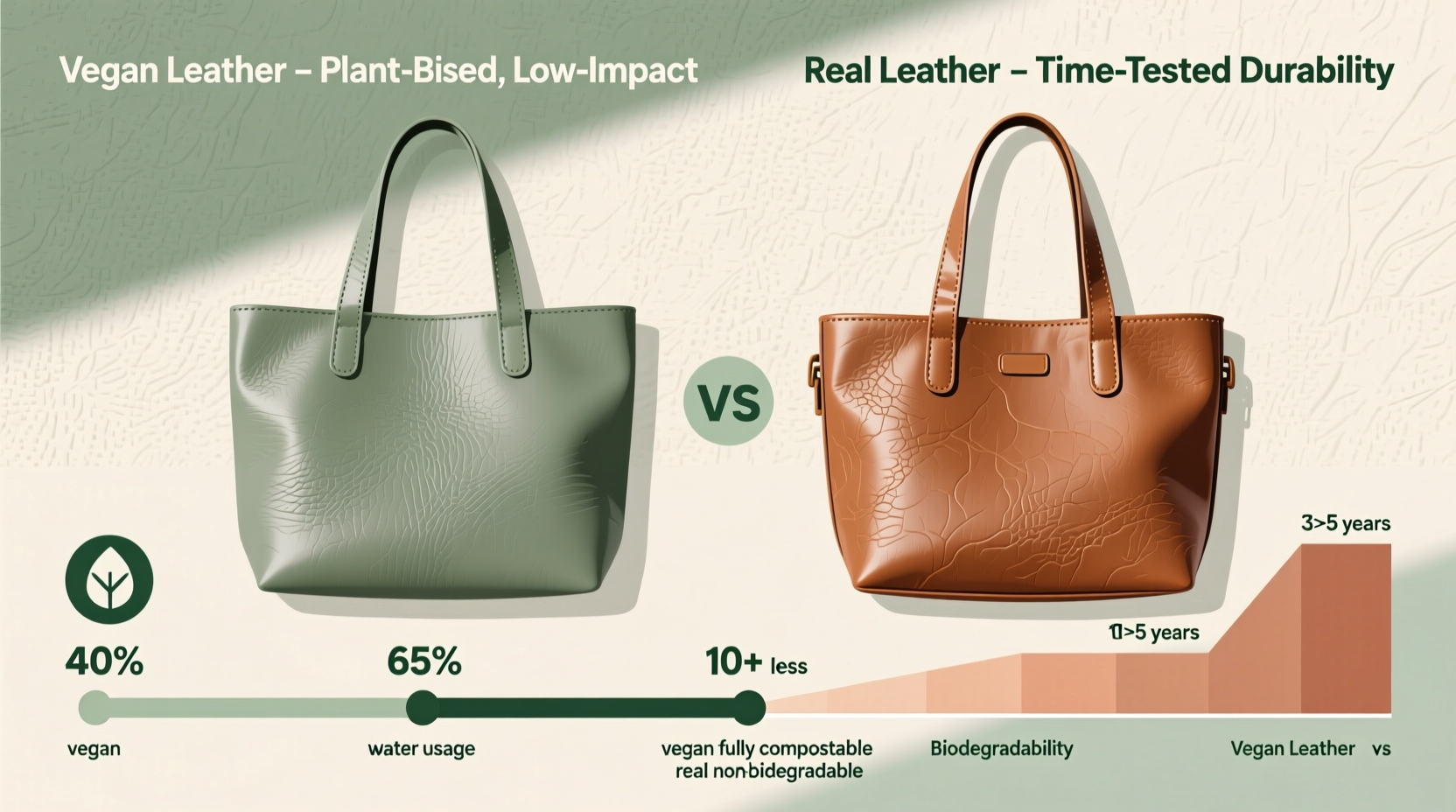
When choosing a tote bag, style and function matter—but so does what it’s made of. As consumers grow more conscious of environmental impact and product durability, the debate between vegan leather and real leather intensifies. While both materials offer distinct advantages, their long-term performance and ecological footprints diverge significantly. Understanding these differences helps buyers make informed decisions that align with personal values and practical needs.
The Environmental Cost of Material Production
At the core of the sustainability discussion lies how each material is produced. Real leather comes from animal hides, primarily cattle, and requires extensive land use, water consumption, and energy input throughout the livestock lifecycle. According to the United Nations Food and Agriculture Organization, livestock accounts for nearly 14.5% of global greenhouse gas emissions. Tanning—the chemical process used to preserve raw hides—adds another layer of environmental concern. Traditional chrome tanning uses chromium salts, which can pollute water systems if not properly managed. Even vegetable tanning, though less toxic, demands large volumes of plant-based tannins and extended processing times.
Vegan leather, often marketed as an eco-friendly alternative, isn’t inherently sustainable. Most mass-produced versions are made from polyurethane (PU) or polyvinyl chloride (PVC), petroleum-based plastics derived from fossil fuels. PVC, in particular, releases dioxins during production and disposal—highly toxic compounds linked to cancer and reproductive harm. While newer bio-based alternatives like Piñatex (made from pineapple fibers) or Mylo (mushroom leather) show promise, they represent a small fraction of the market and come with scalability challenges.
“Not all vegan leathers are created equal. Some synthetic versions may reduce animal harm but increase plastic pollution.” — Dr. Lena Torres, Sustainable Materials Researcher at EcoTextile InstituteTip: Look beyond the label. A “vegan” tag doesn’t guarantee sustainability—check whether the material is bio-based, recyclable, or certified by third parties like OEKO-TEX or Cradle to Cradle.
Longevity: How Long Does Each Material Last?
Durability is a critical factor when evaluating value over time. High-quality real leather, especially full-grain varieties, is known for its resilience. With proper care, a well-made leather tote can last decades, developing a rich patina that many find desirable. Leather fibers are naturally strong and flexible, resisting tears and abrasions better than most synthetics. It also handles moisture relatively well; while prolonged exposure to water should be avoided, occasional spills or light rain won’t cause immediate damage.
In contrast, most vegan leathers degrade faster. PU and PVC materials tend to crack, peel, or delaminate within two to five years, especially when exposed to heat, sunlight, or frequent use. They lack the structural integrity of animal hide and are more prone to surface wear. Although premium plant-based leathers like cork or apple leather offer improved breathability and texture, they still fall short in terms of tensile strength compared to top-tier bovine leather.
A telling example comes from a 2022 consumer survey conducted by Sustainable Fashion Review, where participants tracked tote bag performance over three years. Among respondents using real leather totes, 78% reported no significant deterioration. For those using standard PU vegan leather, only 34% said their bags remained fully functional after the same period. The majority cited cracking along stress points such as handles and seams.
Real-Life Example: Office Commuter Comparison
Sophie, a graphic designer in Portland, uses her tote daily for work. She owns two bags: one crafted from full-grain cowhide and another made from PU vegan leather. After four years, the leather tote shows minimal wear—its edges softened slightly, and the color deepened attractively. The vegan version, purchased two years later, began peeling near the zipper after 18 months and developed surface cracks along the bottom edge due to constant contact with desks and floors. Despite identical usage patterns and storage conditions, the difference in lifespan was evident.
End-of-Life Impact: Disposal and Decomposition
The end of a bag’s life reveals further disparities. Natural leather, being organic, will eventually biodegrade under the right conditions—though this process can take decades, particularly if treated with synthetic finishes or dyes. Still, it breaks down into non-toxic components, unlike petroleum-based materials.
Vegan leathers made from PU or PVC do not biodegrade. Instead, they fragment into microplastics that persist in ecosystems, contributing to soil and marine pollution. Recycling options are limited because these materials often combine fabric backings with plastic coatings, making separation difficult. Even when collected for recycling, most end up in landfills or incinerators due to lack of infrastructure.
Emerging bio-fabricated leathers aim to close this loop. Companies like Bolt Threads (Mylo) and Ananas Anam (Piñatex) design products with compostability in mind. However, industrial composting facilities capable of breaking them down are scarce, and home composting rarely achieves sufficient heat or microbial activity. Until widespread composting systems exist, even these innovative materials face disposal hurdles.
Comparative Analysis: Key Factors Side-by-Side
| Factor | Real Leather | Vegan Leather (PU/PVC) | Plant-Based Vegan Leather |
|---|---|---|---|
| Raw Material Source | Animal hides (byproduct of meat industry) | Petroleum derivatives | Pineapple, mushrooms, apple waste, etc. |
| Production Emissions | High (livestock + tanning) | Moderate to high (fossil fuel extraction) | Lower (renewable feedstocks) |
| Water Usage | Very high (animal farming + tanning) | Moderate | Low to moderate |
| Durability (avg. lifespan) | 10–30 years | 2–5 years | 3–7 years |
| Biodegradability | Yes (slow, depending on finish) | No (microplastic pollution) | Limited (requires industrial composting) |
| Recyclability | Low (complex blends) | Very low | Emerging programs |
| Repair Potential | High (can be resoled, re-dyed, stitched) | Low (peeling layers cannot be restored) | Moderate (limited repair techniques) |
Care Practices That Extend Lifespan
Regardless of material, maintenance plays a decisive role in longevity. Real leather benefits from regular conditioning with natural oils like neatsfoot or lanolin, which replenish moisture lost over time. Wiping down the surface with a damp cloth and avoiding prolonged sun exposure preserves color and prevents drying. Storing in a breathable cotton bag—not plastic—allows airflow and reduces mold risk.
Vegan leather requires gentler handling. Harsh cleaners or alcohol-based wipes can strip protective coatings, accelerating degradation. Use a mild soap solution and soft cloth for cleaning, and never saturate the material. Because synthetic leathers don’t breathe, storing them in humid environments increases the likelihood of surface bubbling or mildew.
Step-by-Step Care Routine for Longevity
- Dust Weekly: Wipe both sides of the tote with a dry microfiber cloth to remove surface particles.
- Deep Clean Monthly: For leather, use pH-balanced leather cleaner; for vegan leather, use diluted dish soap and water.
- Condition Every 3–6 Months: Apply conditioner sparingly to leather; avoid conditioning synthetic surfaces unless specified by the manufacturer.
- Store Properly: Keep in a cool, dry place away from direct sunlight. Stuff with acid-free paper to maintain shape.
- Rotate Usage: Avoid daily use of a single bag to distribute wear evenly across your collection.
Making the Ethical Trade-Off: Animals vs. Environment
The choice between vegan and real leather often reflects deeper ethical priorities. Animal welfare advocates favor vegan options to avoid supporting industries tied to livestock farming. Yet, environmentalists point out that replacing animal-derived materials with persistent plastics may shift harm rather than eliminate it. This dilemma underscores the need for transparency and innovation across supply chains.
Some brands now adopt hybrid strategies. For instance, using upcycled leather scraps reduces waste without promoting new animal slaughter. Others invest in lab-grown leather—cellular agriculture that produces genuine leather without raising animals. Though still in early commercial stages, this technology could reconcile durability with ethics in the future.
Frequently Asked Questions
Is vegan leather always more sustainable than real leather?
No. While vegan leather avoids animal sourcing, most types are made from plastic and contribute to microplastic pollution. Their shorter lifespan means more frequent replacement, increasing overall resource consumption. Only bio-based, compostable variants offer meaningful sustainability improvements.
Can real leather be eco-friendly?
Yes, under certain conditions. Leather sourced as a byproduct of the food industry (not driving additional demand for cattle) and tanned using vegetable methods has a lower incremental impact. When paired with long-term use and responsible care, its environmental cost per year of service decreases significantly.
Which type of tote offers better value over time?
Real leather generally provides superior long-term value due to its durability and repairability. A $300 leather tote lasting 20 years equates to $15 per year. A $120 vegan leather tote replaced every four years costs $30 annually and generates more waste. However, if ethical concerns outweigh environmental ones, some consumers may accept higher replacement frequency for peace of mind.
Action Plan: Choosing Your Next Tote Responsibly
- Evaluate your priorities: Is longevity paramount, or is animal welfare non-negotiable?
- Research brands transparently disclosing material sources and production methods.
- Opt for timeless designs that won’t go out of style quickly.
- Choose bags with replaceable parts (zippers, straps) to extend usability.
- Support companies investing in circular models—repair services, take-back programs, or rental options.
“The most sustainable bag is the one already in your closet—used, loved, and cared for.” — Marcus Reed, Circular Fashion Advocate
Conclusion
The comparison between vegan leather and real leather totes isn't a simple binary. Sustainability and longevity depend on multiple factors: material origin, manufacturing ethics, usage patterns, and end-of-life outcomes. Real leather excels in durability and repair potential but carries heavy ecological costs in production. Conventional vegan leather reduces animal exploitation yet often trades it for plastic pollution and shorter lifespans. Emerging bio-materials offer hope, but scalability remains a challenge.
Ultimately, the most responsible choice isn't just about material—it's about mindset. Prioritizing quality over quantity, maintaining items diligently, and extending their usable life reduces environmental impact more than any single material claim. Whether you choose a supple cowhide tote or a sleek mushroom-leather carryall, what matters most is how long you keep it in rotation—and out of landfills.
💬 What’s your experience with vegan or real leather totes? Share your thoughts on durability, care tips, or favorite brands—we’d love to hear what works for you!








