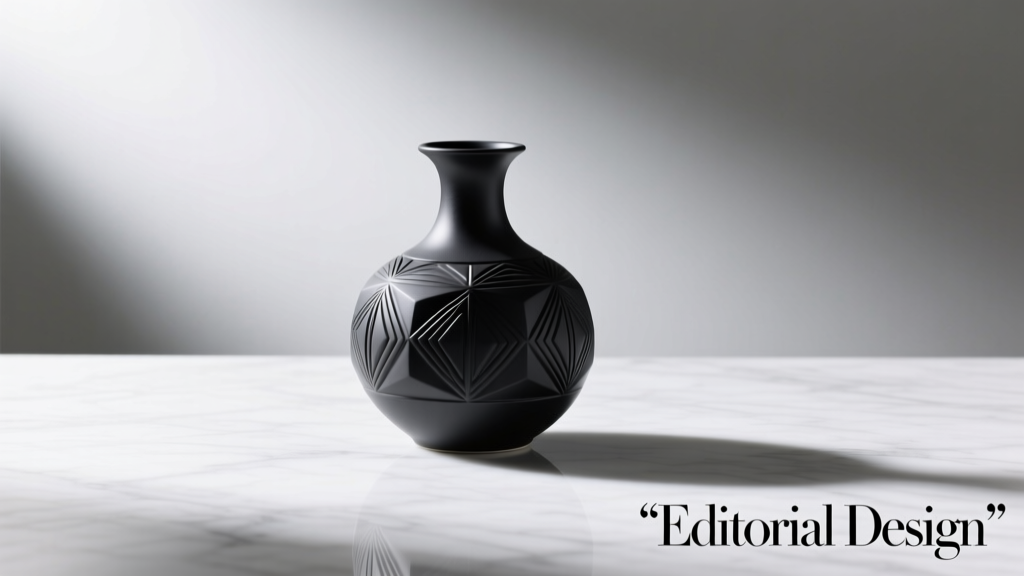
Types of Vases Made from Zinc
A zinc vase combines durability, elegance, and versatility, making it a popular choice for both modern and classic interior designs. Zinc is a corrosion-resistant metal with a naturally attractive patina that develops over time, adding character and uniqueness to each piece. Its malleability allows artisans to craft vases in a wide range of shapes—from soft, flowing curves to sharp, geometric forms—making zinc an ideal medium for creative expression.
Finishes vary widely, from smooth, polished surfaces that reflect a contemporary aesthetic to intentionally textured or rustic treatments that evoke vintage charm. These variations not only influence the visual appeal but also impact functionality, such as water retention, stability, and compatibility with different floral arrangements.
Terrarium Vases
Designed as sealed or semi-sealed environments, zinc terrarium vases blend metal craftsmanship with glass elements to create self-sustaining mini-ecosystems.
Advantages
- Creates a humid microclimate ideal for moss, ferns, and air plants
- Low maintenance—requires minimal watering
- Visually captivating with clear visibility of plant growth
- Perfect for indoor spaces with limited natural light
Limitations
- Requires occasional ventilation to prevent mold
- Limited to small, slow-growing plants
- More fragile due to glass components
Best for: Indoor decor, offices, eco-conscious homes, and educational displays
Bottle Vases
Slender and cylindrical, zinc bottle vases are tailored for single stems or minimalist floral arrangements, emphasizing simplicity and elegance.
Advantages
- Ideal for narrow spaces like shelves, mantels, or dining tables
- Requires minimal water and upkeep
- Enhances the beauty of long-stemmed flowers like tulips or orchids
- Available in varying heights for layered arrangements
Limitations
- Not suitable for large bouquets
- May tip over if not weighted properly
- Limited versatility in arrangement styles
Best for: Minimalist interiors, modern living rooms, and accent decor
Face Vases
Zinc face vases are artistic sculptures shaped like human faces, where the facial features—especially the eyes, mouth, or hairline—serve as openings for floral inserts.
Advantages
- Unique fusion of art and function
- Stimulates conversation and adds personality to a space
- Available in diverse cultural, abstract, or realistic styles
- Can be customized for special occasions or gifts
Limitations
- Floral placement can be challenging due to unconventional openings
- Often more decorative than practical
- Premium pricing due to artisan craftsmanship
Best for: Art collectors, creative spaces, and statement decor in living rooms or galleries
Planter Vases
These are functional zinc planter vases designed for direct planting, complete with drainage holes to prevent root rot and support healthy plant growth.
Advantages
- Durable and weather-resistant for indoor and outdoor use
- Develops a beautiful natural patina over time
- Promotes healthy root systems with proper drainage
- Available in various sizes—from small desktop pots to large garden planters
Limitations
- Heavier than plastic or ceramic alternatives
- May require protective liners in extreme climates
- Higher cost compared to mass-produced materials
Best for: Patios, gardens, balconies, and sustainable home gardening
| Type | Functionality | Aesthetic Style | Indoor/Outdoor Use | Ideal For |
|---|---|---|---|---|
| Terrarium Vase | High (self-sustaining ecosystem) | Modern, scientific | Indoor only | Low-maintenance greenery, educational displays |
| Bottle Vase | Medium (short-term floral display) | Minimalist, sleek | Indoor | Single-stem arrangements, modern decor |
| Face Vase | Low to Medium (artistic display) | Artistic, expressive | Indoor | Statement pieces, creative interiors |
| Planter Vase | Very High (direct planting) | Rustic, elegant, or modern | Indoor & Outdoor | Gardening, patios, sustainable living |
Expert Tip: To preserve the finish of your zinc vase and prevent unwanted oxidation, avoid prolonged exposure to moisture and clean gently with a dry or slightly damp cloth. For outdoor planters, consider applying a clear protective sealant annually to maintain luster and longevity.
Design and Versatility of Zinc Vases: Aesthetic and Functional Guide
Zinc vases offer a unique blend of durability, elegance, and design flexibility, making them a popular choice in both traditional and contemporary interior decor. As a naturally corrosion-resistant metal with a subtle luster, zinc provides an excellent canvas for creative expression while maintaining structural integrity over time.
Surface Finishes and Color Options
Natural Matte Gray Finish
Zinc's inherent matte gray appearance exudes a minimalist, industrial charm. This natural finish requires no additional painting and develops a gentle patina over time, enhancing its character without compromising integrity. Ideal for rustic, farmhouse, or Scandinavian interiors, this look emphasizes authenticity and understated elegance.
Custom Painted Surfaces
For those seeking vibrant or thematic accents, zinc vases can be painted in virtually any color. High-adhesion metal primers and enamel paints ensure long-lasting results. Whether matching seasonal decor or complementing brand colors in commercial spaces, painted zinc vases offer limitless customization potential.
Decorative Techniques and Textural Effects
Stickers and Stencils
Applying designs through stickers or stencils allows for intricate patterns—such as botanical motifs, geometric shapes, or personalized lettering—without altering the base material. These methods are cost-effective, reversible, and perfect for limited-edition collections or event-specific décor.
Polishing & Patination
Finishing techniques dramatically alter the visual impact of zinc. Polishing produces a sleek, reflective surface suited for modern luxury settings, while controlled patination creates a weathered, antique appearance reminiscent of aged copper or iron. These treatments add depth and tactile interest, elevating the vase from functional object to art piece.
Shape and Stylistic Influence
Traditional Rounded Forms
Rounded vases embody timeless elegance, echoing classical pottery silhouettes. Their smooth curves and balanced proportions make them ideal for formal arrangements and environments that favor symmetry and harmony—such as dining rooms, libraries, or heritage-style living spaces.
Angular and Asymmetric Designs
Sharp edges, irregular contours, and sculptural forms define modern zinc vases. These bold shapes resonate with minimalist, avant-garde, or urban lofts, where furniture and décor embrace abstraction and architectural lines. Their uniqueness often makes them standalone centerpieces.
Face Vases: Art Meets Functionality
Face vases introduce a whimsical, artistic dimension by integrating facial features—eyes, nose, mouth—into the design. When flowers are arranged, they appear as hair or accessories, creating expressive, human-like compositions. Popular in eclectic, artistic, or playful interiors, these vases spark conversation and add personality to shelves or tables.
Terrarium-Style Hybrid Vases
Combining floral display with enclosed greenery, terrarium-inspired zinc vases merge air plants, succulents, or moss with open blooms. Often featuring glass inserts or domes, these multifunctional pieces blend horticulture with metalcraft, offering a sustainable and visually layered aesthetic for eco-conscious designers.
Functional Design Considerations
| Vase Type | Best For | Flower Compatibility |
|---|---|---|
| Narrow Neck Vases | Minimalist displays, single stems | Tulips, roses, lilies, orchids |
| Wide-Mouth Vases | Bouquets, lush arrangements | Sunflowers, peonies, hydrangeas, mixed greens |
| Face Vases | Artistic, thematic displays | Curly willow, baby's breath, trailing ivy, daisies |
| Terrarium Vases | Low-maintenance greenery + accents | Air plants, succulents, small ferns, preserved flowers |
Key Design Features Summary
Note: While zinc is durable, avoid prolonged exposure to acidic water or harsh cleaning agents that may accelerate oxidation. For indoor use, ensure proper drainage or use liner inserts to protect the metal. Always consider the weight of the arrangement—especially with wide or tall vases—to maintain stability and prevent tipping.
Scenarios of Vases in Zinc: Stylish, Durable, and Versatile Decor Solutions
Zinc vases have emerged as a popular choice in modern interior and exterior design due to their unique blend of durability, aesthetic appeal, and resistance to environmental wear. Whether used in homes, offices, gardens, or special events, zinc vases offer a sleek, contemporary look while maintaining long-term functionality. Below is a detailed exploration of how zinc vases enhance various environments.
Home Decor
In residential spaces, zinc vases serve as elegant decorative accents that elevate the visual appeal of living rooms, dining areas, and entryways. Their minimalist, muted metallic finish complements a wide range of interior styles—from industrial lofts to Scandinavian minimalism.
- Perfect as centerpieces on coffee tables or dining tables, especially when paired with neutral-toned ceramics or wood furniture
- Even without floral arrangements, zinc vases contribute to a clean, modern aesthetic due to their smooth lines and reflective surface
- Ideal for displaying air plants, dried florals, or minimalist greenery like eucalyptus or pampas grass
- Available in various shapes—cylindrical, conical, or geometric designs—to match different décor themes
Design Tip: Group vases of varying heights for a dynamic tablescape that draws attention without overwhelming the space.
Office Settings
In professional environments, zinc vases contribute to a polished, welcoming atmosphere. Their modern appearance aligns well with contemporary office design trends, promoting a sense of sophistication and calm.
- Place on executive desks, conference tables, or reception counters to soften the corporate environment
- Durable construction makes them suitable for high-traffic areas where accidental bumps are common
- Add fresh flowers or green plants to boost employee morale and improve air quality
- Studies show that natural elements in workplaces can enhance focus and reduce stress, indirectly supporting productivity
Pro Tip: Use low-maintenance plants like succulents or snake plants in zinc vases for long-lasting greenery with minimal upkeep.
Outdoor & Garden Decor
Thanks to zinc’s natural corrosion resistance and ability to develop a protective patina over time, these vases are exceptionally well-suited for outdoor use. Unlike iron or untreated metals, zinc withstands rain, humidity, and temperature fluctuations without rusting.
- Ideal for patios, balconies, garden pathways, or poolside areas where moisture exposure is common
- Larger zinc vases can hold shrubs, ornamental grasses, or seasonal flowers to create focal points in outdoor spaces
- Their weathered look over time adds character, enhancing rustic or cottage-style gardens
- Lightweight yet sturdy, making them easy to reposition as seasonal arrangements change
Key Benefit: No need for sealing or painting—zinc naturally protects itself, reducing maintenance needs.
Event & Wedding Decorations
Zinc vases are increasingly favored in event planning for their versatility, affordability, and elegant finish. They adapt seamlessly to various themes, from rustic barn weddings to sleek urban galas.
- Available in brushed, matte, or polished finishes to match color schemes and décor styles
- Easily customizable with paint, engraving, or ribbon wraps for personalized touches
- Pair beautifully with floral arrangements in whites, greens, and pastels for a refined look
- Reusable and recyclable, making them an eco-friendly option for sustainable event planning
Wedding Insight: Use tall zinc vases with cascading greenery for aisle markers or low clusters as table centerpieces for a cohesive, modern aesthetic.
Professional Recommendation: When selecting zinc vases, consider the environment and usage frequency. For indoor spaces, focus on design and finish; for outdoor or high-traffic areas, prioritize thickness and structural integrity. Always ensure proper drainage if using live plants to prevent water damage and prolong vase life.
| Use Case | Recommended Vase Size | Suitable Plants | Key Advantage |
|---|---|---|---|
| Home Living Room | Medium (8–12 inches) | Air plants, dried florals, small branches | Modern aesthetic, low maintenance |
| Office Desk | Small (4–7 inches) | Succulents, peace lily, pothos | Durable, space-efficient |
| Garden/Patio | Large (14+ inches) | Ornamental grasses, lavender, herbs | Weather-resistant, long-lasting |
| Wedding Centerpiece | Varied (low to tall) | Roses, eucalyptus, ranunculus | Customizable, reusable |
Additional Considerations
- Patina Development: Over time, zinc develops a natural grayish patina that enhances its vintage charm—ideal for those who appreciate evolving aesthetics.
- Care & Maintenance: Wipe with a dry cloth; avoid harsh chemicals to preserve finish. For outdoor use, occasional rinsing removes dust and pollutants.
- Eco-Friendliness: Zinc is 100% recyclable and has a lower environmental impact compared to plastic or painted metals.
- Weight & Stability: Heavier than plastic but lighter than stone or ceramic, making zinc vases stable yet easy to move.
- Design Flexibility: Available in modern, vintage, geometric, and organic shapes to suit diverse tastes and spaces.
Specification & Maintenance of Vases Made from Zinc
Zinc vases are prized for their elegant finish, durability, and versatility in both indoor and outdoor decor. While zinc is naturally corrosion-resistant and more lightweight than many other metals, this lightness can make the vase susceptible to tipping—especially in breezy outdoor environments or when placed on uneven surfaces. Understanding the material specifications and proper maintenance practices is essential to preserving the vase’s appearance and structural integrity over time.
Important Note: Zinc is a reactive metal. Exposure to acidic substances, moisture, and certain environmental conditions can accelerate wear and corrosion. Proper care and preventive measures are crucial to extending the life of your zinc vase.
Key Specifications of Zinc Vases
- Material Properties: Zinc is corrosion-resistant due to the formation of a protective patina over time, but it is softer than metals like steel or bronze, making it prone to scratches and dents.
- Weight: Lightweight design enhances portability but increases the risk of tipping—ideal for stable, sheltered display areas.
- Finish: Often comes with a polished, brushed, or antiqued finish. Some vases are coated with a clear sealant to enhance shine and delay oxidation.
- Environmental Suitability: Suitable for both indoor and covered outdoor use. Avoid prolonged exposure to rain, high humidity, or salty air, which can degrade the surface over time.
Best Practices for Maintenance & Care
- Regular Cleaning
- Dust the vase frequently using a soft, lint-free cloth to prevent surface buildup and avoid scratching.
- For stubborn dirt or fingerprints, use a mild solution of lukewarm water and gentle dish soap. Dampen a cloth with the solution, wipe the surface, and immediately dry with a clean towel.
- Avoid abrasive cleaners, scouring pads, or harsh chemicals (e.g., bleach, ammonia) that can strip protective coatings and damage the zinc.
- Preventing Corrosion
- Apply a thin layer of beeswax, microcrystalline wax, or clear acrylic sealant every 6–12 months to protect against moisture and oxidation.
- Buff the wax gently with a soft cloth after application for a polished, protective finish.
- Reapply the coating if you notice the surface starting to dull or develop white powdery spots (early signs of zinc oxide formation).
- Safe Use with Flowers & Plants
- Never place fresh flowers directly into a zinc vase without a liner. The sap and moisture from stems—especially acidic varieties like lilies or roses—can react with the metal and cause pitting or corrosion.
- Always use a removable glass or food-grade plastic liner to create a barrier between the water and the zinc interior.
- Empty and dry the liner daily when used with fresh flowers to prevent water leakage or condensation buildup.
- Care for Terrarium or Closed-Environment Vases
- In enclosed vases used for terrariums, moisture accumulation can lead to mold, mildew, or fungal growth.
- Inspect the interior every 2–4 weeks for signs of condensation, algae, or plant decay.
- Trim overgrown plants, replace soil if necessary, and allow the vase to air out briefly to reduce humidity.
- Ensure adequate ventilation or use moisture-absorbing materials like activated charcoal at the base.
- Storage & Display Tips
- Store in a cool, dry place away from direct sunlight, which can accelerate oxidation and fade finishes.
- When not in use, wrap the vase in acid-free tissue paper and keep it in a dust-proof container.
- Display on stable, level surfaces. Consider anchoring taller vases in high-traffic or windy areas to prevent tipping.
| Maintenance Task | Frequency | Recommended Materials | Purpose |
|---|---|---|---|
| Dusting & Wiping | Weekly | Soft microfiber cloth | Prevent dirt buildup and surface scratches |
| Deep Cleaning | Every 1–2 months | Mild soap, water, soft cloth | Remove stains and residue safely |
| Sealing/Waxing | Every 6–12 months | Beeswax, acrylic sealant | Protect against moisture and oxidation |
| Interior Inspection | Bi-weekly (if used) | Flashlight, dry cloth | Check for mold, leaks, or corrosion |
| Terrarium Maintenance | Monthly | Pruning shears, activated charcoal | Prevent overgrowth and fungal issues |
Expert Tip: If your zinc vase develops a white powdery residue (zinc oxide), gently wipe it with a vinegar-dampened cloth, rinse with water, dry thoroughly, and reapply a protective wax coating. This helps restore the surface without damaging the metal.
Long-Term Preservation Tips
- Rotate the vase periodically if displayed near a window to ensure even exposure and prevent localized oxidation.
- Avoid placing near heating vents, fireplaces, or humidifiers, as temperature and humidity fluctuations can affect the metal.
- For vintage or antique zinc vases, consult a conservation specialist before using chemical cleaners or sealants.
- Consider using artificial flowers or dried arrangements to eliminate moisture-related risks entirely.
- Label and store seasonal vases with care instructions to ensure consistent maintenance over time.
With proper care, a zinc vase can remain a beautiful and functional piece for decades. By understanding its material properties and following a consistent maintenance routine, you can enjoy its aesthetic appeal while protecting your investment. Whether used as a floral centerpiece or a decorative accent, thoughtful handling ensures your zinc vase stays in pristine condition for years to come.
Frequently Asked Questions About Terrariums and Zinc Vases
Q1: Can terrarium vases be used with plants other than succulents?A1: Yes, terrarium vases can be used with a wide variety of plants—but the type of plant depends heavily on whether the terrarium is open or closed. While succulents and air plants thrive in open terrariums with low humidity, closed terrarium vases create a moist, greenhouse-like environment ideal for humidity-loving plants.
- Best for Closed Terrariums: Ferns (e.g., maidenhair or button ferns), mosses, fittonia (nerve plant), peperomia, and small tropical plants like baby tears or pilea.
- Not Recommended: Succulents, cacti, and other drought-tolerant plants, as high moisture levels can lead to root rot and fungal growth.
- Tips for Success: Use a well-draining soil mix, add a layer of activated charcoal to prevent mold, and place the terrarium in bright, indirect light. Avoid direct sunlight to prevent overheating.
With the right plant selection, closed terrariums can become self-sustaining ecosystems that require minimal watering—sometimes only once every few months.
Q2: How to keep a zinc vase looking shiny?A2: Maintaining the lustrous finish of a zinc vase requires regular care and occasional polishing. Zinc naturally develops a patina over time, which some appreciate for its vintage appeal, but if you prefer a shiny, reflective look, follow these steps:
- Dusting: Wipe the vase weekly with a soft, lint-free cloth to remove dust and fingerprints.
- Cleaning: Use a mild soap and lukewarm water solution for deeper cleaning. Avoid abrasive sponges or harsh chemicals that can scratch or corrode the surface.
- Polishing: Apply a metal polish suitable for zinc or similar alloys every 4–6 weeks. Gently buff in circular motions, then wipe clean with a dry cloth.
- Sealing (Optional): To preserve shine and slow oxidation, consider applying a clear lacquer or wax coating after polishing.
For vintage or antique zinc vases, excessive polishing may reduce value—consult a professional if preserving originality is important.
Q3: Will zinc vases get rusty?A3: Pure zinc is naturally corrosion-resistant and forms a protective oxide layer when exposed to air, which helps prevent further degradation. However, this doesn’t mean zinc vases are immune to damage:
- Rust vs. Corrosion: Zinc doesn’t rust like iron (which forms red iron oxide), but it can corrode or develop white powdery zinc oxide or zinc carbonate in damp or acidic environments.
- Outdoor Exposure: Prolonged exposure to rain, humidity, or salt air can accelerate corrosion, especially if the vase has scratches or lacks a protective coating.
- Indoor Care: Keep zinc vases in dry areas away from moisture. Never leave water sitting inside for extended periods.
- Prevention: Apply a clear sealant or wax coating annually to create a moisture barrier and extend the vase’s lifespan.
The development of a grayish patina is natural and often considered attractive in rustic or industrial décor, but if you prefer the original shine, proactive protection is key.
Q4: Which flowers look gorgeous in zinc vases?A4: Zinc vases, with their cool-toned, industrial, or vintage aesthetic, serve as striking backdrops that enhance the vibrancy of certain flowers. Their neutral metallic finish complements both modern and rustic arrangements.
- Bold Blooms: Tulips, sunflowers, and red or pink roses create a dramatic contrast against the muted gray or silver tones of zinc, making colors pop.
- Rustic Charm: Wildflowers, daisies, or eucalyptus bundles give a farmhouse or cottage-core feel, harmonizing with zinc’s aged or weathered finishes.
- Elegant Simplicity: White lilies, ranunculus, or anemones offer a clean, minimalist look ideal for contemporary interiors.
- Seasonal Pairings:
- Spring: Hyacinths and cherry blossoms
- Summer: Dahlias and zinnias
- Fall: Deep burgundy chrysanthemums with dried foliage
- Winter: Evergreen sprigs with white berries
For best results, use a floral liner or insert a glass vase inside the zinc container to protect it from water damage while preserving its appearance. This also makes cleaning easier and prevents discoloration from plant sap or dyes.









