
In the heart of Louisiana’s culinary tradition lies a subtle yet powerful ingredient that has shaped generations of Creole and Cajun stews, soups, and gumbos: file powder. Often misunderstood or mistaken for a mere thickener, file powder—pronounced “fee-lay”—is a cornerstone of regional American cooking with deep cultural roots and functional versatility. For home cooks seeking authenticity in Southern dishes, understanding file powder isn’t just about thickening soup—it’s about honoring tradition, texture, and taste. Whether you’re crafting a classic chicken and sausage gumbo or exploring the nuances of New Orleans cuisine, knowing how and when to use file powder can elevate your dish from good to genuinely authentic.
Definition & Overview
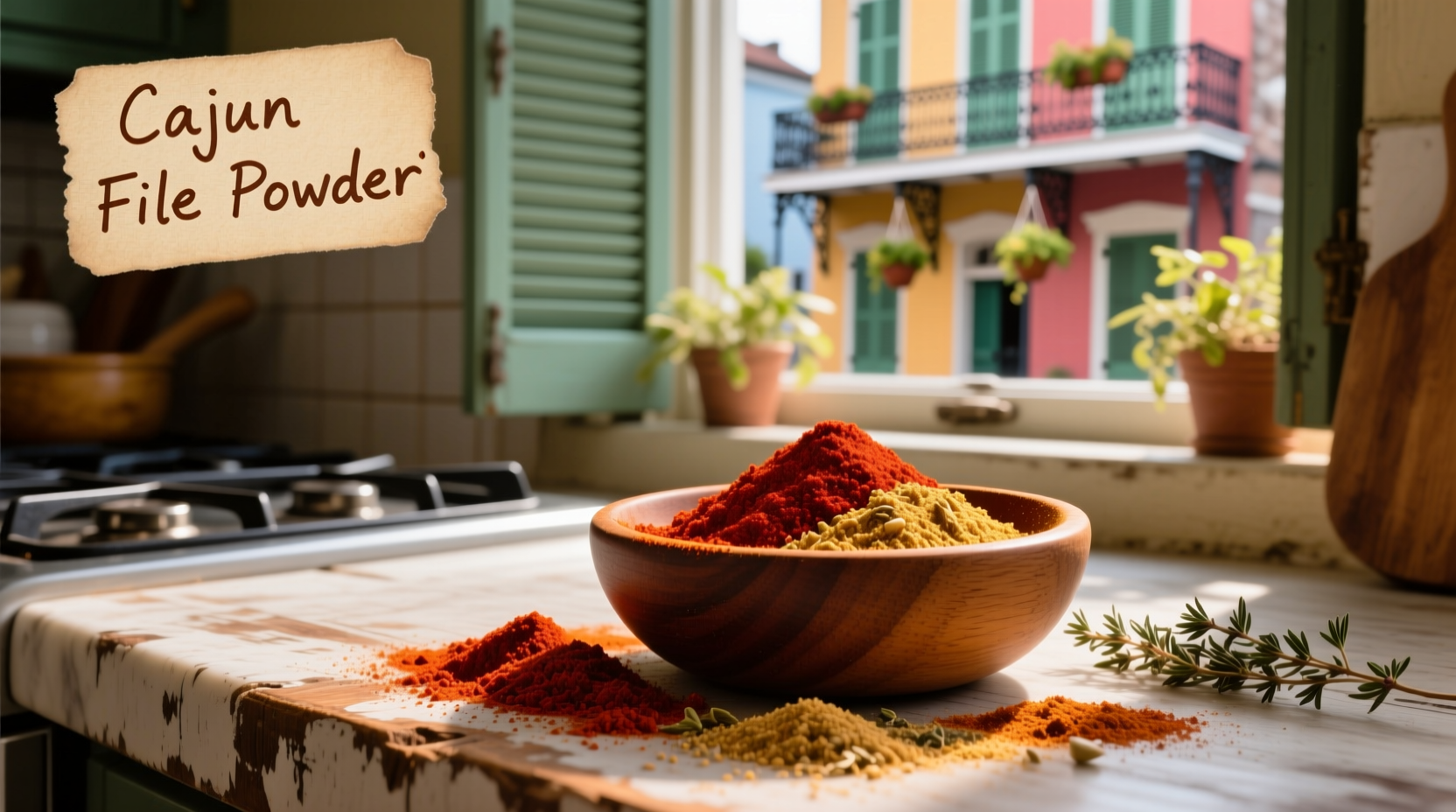
File powder, also known as sassafras powder, is a finely ground spice made from the dried and pulverized leaves of the sassafras tree (*Sassafras albidum*), native to the eastern United States. Historically used by Indigenous tribes such as the Choctaw, who referred to it as *kombo filé*, the powdered leaf was later adopted into Creole and Cajun cooking, particularly in southern Louisiana. The term “file” comes from the Choctaw word *filé*, meaning \"ground sassafras.\" Today, it remains an essential component in traditional gumbo recipes, where it serves both as a thickening agent and a source of earthy, herbal complexity.
Unlike roux-based thickening methods dominant in French-influenced Creole gumbos, file powder represents a distinctly Native American contribution to Louisiana cuisine. It emerged as a practical solution for thickening hearty stews without requiring long cooking times or large quantities of fat. This convergence of cultures—Native American, African, French, and Spanish—makes file powder more than a seasoning; it is a symbol of culinary fusion and resilience.
Key Characteristics
File powder possesses a unique combination of sensory and functional attributes that distinguish it from other thickeners and spices:
| Characteristic | Description |
|---|---|
| Flavor Profile | Earthy, slightly peppery, with mild notes of root beer, citrus zest, and forest floor. More aromatic than pungent. |
| Aroma | Distinctive woodsy scent reminiscent of crushed bay leaves mixed with wintergreen and faint licorice. |
| Color | Olive-green to dark sage, turning soups a rich, murky green-brown when stirred in. |
| Texture / Form | Fine, silky powder resembling matcha or ground herbs. Clumps easily if exposed to moisture. |
| Thickening Power | Mucilaginous—forms a gel-like consistency when mixed with liquid, similar to okra but less viscous. |
| Heat Sensitivity | Loses thickening ability and develops stringy, unpleasant textures if boiled after addition. |
| Shelf Life | 6–12 months in a cool, dark, dry place; degrades faster when exposed to humidity or heat. |
| Culinary Function | Thickener and flavor enhancer, primarily used at the table or during final plating. |
Practical Usage: How to Use File Powder in Cooking
The hallmark of proper file powder use lies not just in *what* it does, but *when* and *how* it's added. Misuse—particularly boiling—is the most common mistake among novice cooks, leading to a slimy or stringy mouthfeel that undermines an otherwise well-prepared dish.
Correct Timing and Technique
File powder should **never be added during active cooking**, especially not while boiling. Instead, it is traditionally stirred in **after the pot has been removed from heat**—either at the end of simmering or directly at the table. This preserves its delicate mucilage structure and prevents breakdown into undesirable textures.
To incorporate file powder properly:
- Remove the gumbo or stew from heat.
- Allow it to rest for 1–2 minutes (this reduces residual convection).
- Sprinkle ½ to 1 teaspoon of file powder per serving over individual bowls.
- Stir gently until fully dissolved and slightly thickened.
Alternatively, for family-style service, sprinkle the powder over the entire pot off-heat and stir once thoroughly. Avoid reheating afterward.
Dish Applications Beyond Gumbo
While gumbo is the most famous application, file powder enhances a range of savory dishes:
- Seafood Gumbos: Especially effective in fish or shrimp gumbo, where its light thickening complements delicate proteins better than heavy roux.
- Chicken & Sausage Gumbo: Used in conjunction with a dark roux for layered texture—roux provides base thickness, file adds body and aroma at finish.
- Jambalaya (less common): Occasionally dusted on plated servings for added depth, though not traditional in cooked form due to rice absorption issues.
- Bean Stews and Legume Soups: Adds silkiness to black-eyed pea or red bean pots, enhancing mouthfeel without overpowering.
- Gravies and Pan Sauces: A pinch whisked into warm turkey or duck gravy just before serving can add rustic elegance.
Recommended Amounts and Ratios
Use sparingly—file powder is potent both in flavor and function. Overuse results in excessive thickness and bitterness.
Pro Tip: Start with ½ teaspoon per quart of liquid. Taste and adjust incrementally. In individual servings, begin with ¼ to ½ tsp per bowl. Remember: you can always add more, but you cannot remove it once incorporated.
Pair file powder with ingredients that highlight its earthy profile:
- Alliums: Onion, garlic, scallions, leeks
- Celery and Bell Peppers (“The Holy Trinity”)
- Smoked Meats: Andouille sausage, tasso ham, smoked turkey necks
- Tomatoes: In tomato-based gumbos, file balances acidity
- Herbs: Thyme, bay leaf, oregano—complement without competing
Avoid pairing with highly acidic ingredients immediately before adding file, as low pH can weaken its thickening properties. If using tomatoes, ensure they are well-cooked and balanced with sweetness or fat.
Variants & Types
While true file powder is derived solely from sassafras leaves, variations exist based on processing, blend composition, and regional availability.
1. Pure Sassafras File Powder
This is the gold standard—100% dried and ground sassafras leaves with no additives. Look for vibrant color and fresh aroma. Produced mainly in Louisiana and Mississippi, often by small-scale artisans or tribal cooperatives.
2. Blended File Powders
Sometimes marketed as “gumbo file,” these blends combine sassafras with other spices like garlic powder, onion, cayenne, or herbs. While convenient, they compromise authenticity and control. Best avoided in traditional preparations unless labeled clearly.
3. Fresh vs. Dried Leaves (Rare)
In rural areas near sassafras groves, some cooks use fresh young leaves, chopped finely and added late in cooking. However, fresh leaves have lower concentration and higher moisture, making them impractical for most kitchens. Drying concentrates flavor and increases shelf stability.
4. Organic and Wildcrafted Options
Growing demand for sustainable sourcing has led to certified organic and wild-harvested file powders. These are typically more expensive but offer assurance of purity and ethical collection practices. Ideal for health-conscious or eco-aware consumers.
| Type | Best For | Caution |
|---|---|---|
| Pure Sassafras | Authentic gumbo, educational cooking, spice purists | Check expiration date; loses potency over time |
| Blended File | Quick weeknight meals, seasoning mixes | May contain fillers; inconsistent ratios |
| Organic/Wildcrafted | High-end dining, specialty markets, gift sets | Higher cost; verify certification claims |
Comparison with Similar Ingredients
File powder is frequently confused with other thickening agents used in Southern and global cuisines. Understanding the differences ensures correct usage and avoids culinary missteps.
File Powder vs. Okra
Both are traditional thickeners in gumbo, but their behavior and flavor differ significantly.
- Okra: Contains soluble fiber that breaks down during prolonged cooking, releasing a viscous gel. Must be sautéed first or cooked slowly to reduce sliminess. Imparts a vegetal, green-bean-like flavor.
- File Powder: Added at the end, contributes no vegetable bulk, and imparts a woody, herbal note. Does not require pre-cooking.
Many traditional gumbos use one or the other—but never both simultaneously, as the combined mucilage creates an overly gelatinous texture. Some modern chefs use okra during cooking and file at the table for layered thickening.
File Powder vs. Roux
Roux—a mixture of flour and fat cooked to varying degrees—is the primary thickener in Creole gumbo, while file plays a secondary or finishing role.
| Feature | Roux | File Powder |
|---|---|---|
| Base Ingredient | Flour + oil/butter/lard | Dried sassafras leaves |
| Added During | Beginning of cooking | End of cooking or at table |
| Thickening Mechanism | Starch gelatinization | Mucilage dispersion |
| Flavor Contribution | Nutty, toasty (especially dark roux) | Earthy, herbal, faintly citrusy |
| Heat Stability | Withstands boiling | Breaks down if boiled |
| Cultural Origin | French technique | Choctaw/Indigenous origin |
File Powder vs. Cornstarch or Arrowroot
Modern thickeners like cornstarch are purely functional—designed to clarify and thicken without flavor impact. File powder, in contrast, is both flavorful and textural. Unlike starch slurry, which must be boiled to activate, file works best without boiling. They serve different purposes: cornstarch fixes consistency; file enhances character.
\"File powder isn't just a thickener—it's the soul of a country gumbo. You don't cook with it the way you do flour or cornstarch. You respect it. You let it speak at the end.\" — Chef Lena Graciou, NOLA Heritage Kitchen
Practical Tips & FAQs
Can I boil file powder?
No. Boiling causes the mucilage in file powder to degrade into long, stringy strands that create an unpalatable, web-like texture. Always add it off-heat.
Is file powder safe? What about safrole?
This is a critical point. Sassafras root bark contains safrole, a compound banned by the FDA in 1960 due to carcinogenicity in high doses. However, **file powder is made from the leaves**, not the root or bark, and contains negligible amounts of safrole—well below regulatory thresholds. Commercially sold file powder in the U.S. is considered safe for culinary use in normal quantities.
That said, avoid homemade versions using unknown plant parts, and never distill sassafras oil for consumption.
How should I store file powder?
Keep in an airtight container away from light, heat, and moisture. A dark cupboard or pantry is ideal. Exposure to humidity causes clumping and mold. For extended storage (beyond six months), consider refrigeration in a sealed glass jar.
What are common substitutes for file powder?
There is no perfect substitute, but options include:
- Okra (cooked): Closest functional alternative, though changes flavor and texture.
- Arrowroot + Herbs: Mix ¾ tsp arrowroot with a pinch of dried thyme and bay powder for mild thickening and earthiness.
- Chopped Spinach or Kale (not recommended): Adds body but lacks mucilage and introduces unwanted sweetness.
- None: Accept a thinner gumbo—sometimes preferable, especially with strong roux.
Note: Cornstarch or flour will thicken but won’t replicate the flavor or silky mouthfeel.
Does file powder have any health benefits?
Traditionally, sassafras tea (from bark or roots) was used medicinally, but this is no longer advised. Leaf-based file powder has no proven therapeutic effects and should be treated strictly as a culinary ingredient.
Can I use file powder in vegetarian or vegan gumbo?
Absolutely. File powder is plant-based and works exceptionally well in meat-free gumbos. Combine with sautéed mushrooms, smoked paprika, or liquid smoke to mimic the depth usually provided by meats.
Why does my file powder smell weak or musty?
Degraded aroma indicates age or poor storage. Fresh file should have a bright, green-woody fragrance. Discard if musty, stale, or clumped beyond separation.
Expert Checklist: Buying Quality File Powder
- Look for “100% sassafras leaves” on the label.
- Avoid products listing “spices,” “anti-caking agents,” or “natural flavors.”
- Choose recent production dates (within 12 months).
- Purchase from reputable Southern spice vendors or Louisiana-based suppliers.
- Opt for opaque packaging to protect from light degradation.
Summary & Key Takeaways
File powder is far more than a historical curiosity—it is a living thread connecting Indigenous knowledge with modern Southern cuisine. As a thickener, it offers a unique alternative to roux and starches; as a flavor agent, it brings an unmistakable earthiness that defines authentic gumbo. Its proper use hinges on timing: added only after cooking, never boiled, and handled with care to preserve texture.
Key points to remember:
- File powder is made from dried sassafras leaves, not roots or bark.
- It thickens through mucilage, not starch, and breaks down under prolonged heat.
- Add it at the end of cooking or at the table, stirring gently into each bowl.
- Use ½ to 1 teaspoon per serving—start small and adjust.
- Store in a cool, dark, dry place and replace annually for best quality.
- No substitute fully replicates its dual role as thickener and flavor enhancer.
For cooks passionate about regional American food, mastering file powder is akin to learning a dialect of flavor—one spoken quietly but profoundly in the simmering pots of Louisiana kitchens. Whether you're recreating a family recipe or exploring Creole culture for the first time, embracing file powder means respecting a legacy of ingenuity, adaptation, and deep culinary identity.
Next time you serve gumbo, set out a small shaker of file powder on the table. Let your guests experience the ritual—the final touch that turns stew into story.