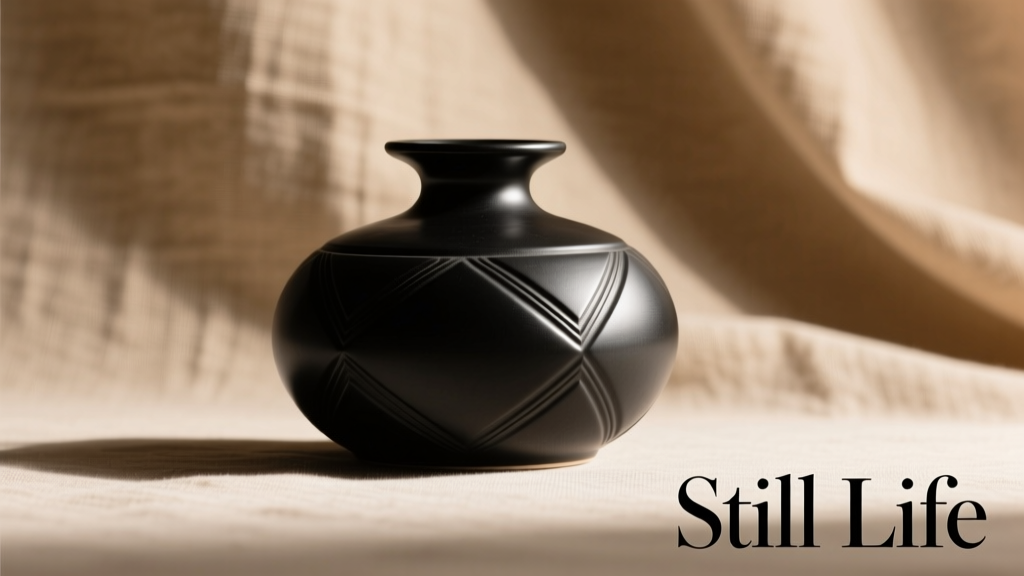
Types of Underglaze Ceramic Decals
A underglaze ceramic decal is a specialized transfer used in pottery and ceramics to apply intricate, durable designs beneath the glaze layer. These decals are fired at high temperatures, becoming a permanent part of the ceramic surface. Available in various styles and materials, underglaze decals offer artists and manufacturers a reliable way to achieve consistent, professional-quality decoration on functional and decorative pieces.
Underglaze decals are typically categorized by two key factors: material backing and design theme. The backing—either paper-backed or clear film-backed—affects ease of application and visual clarity. Paper-backed decals are beginner-friendly and dissolve during firing, while clear film decals allow for precise placement and are ideal for complex, multi-layered designs. Beyond material, the artistic theme of the decal plays a major role in its aesthetic and functional application.
Floral Decals
Inspired by nature, floral underglaze decals feature blossoms, vines, leaves, and botanical motifs in various artistic styles.
Advantages
- Timeless, universally appealing designs
- Versatile across styles—from rustic to elegant
- Excellent for softening functional ware
- Works well on dinnerware, vases, and tiles
Considerations
- May appear outdated if overused
- Complex floral patterns require careful alignment
- Some designs may clash with modern glazes
Best for: Dinner sets, giftware, decorative plates, and handcrafted pottery with a natural theme
Geometric Decals
These decals feature structured patterns such as lines, grids, triangles, hexagons, and abstract shapes for a contemporary aesthetic.
Advantages
- Creates clean, modern visual impact
- Highly customizable and scalable
- Ideal for minimalist or industrial designs
- Perfect for repeat patterns on mugs and vases
Considerations
- Can appear cold or impersonal if not balanced
- Precision alignment is critical
- Limited emotional warmth compared to organic themes
Best for: Modern tableware, architectural ceramics, studio mugs, and contemporary home décor
Landscape Decals
Capturing scenic beauty, these decals depict mountains, forests, oceans, skies, and pastoral views in painterly or graphic styles.
Advantages
- Evokes mood and storytelling
- Adds depth and visual interest to flat surfaces
- Great for thematic collections (e.g., coastal, mountain)
- Appeals to collectors and gift buyers
Considerations
- Larger scenes may require multiple decals
- Detailed landscapes need high-resolution transfers
- Color accuracy depends on firing conditions
Best for: Wall art tiles, commemorative plates, travel-themed pottery, and nature-inspired vessels
Animal Decals
Featuring wildlife, pets, mythical creatures, or cultural symbols, animal decals add character and narrative to ceramic surfaces.
Advantages
- Strong visual appeal and emotional connection
- Ideal for children’s ware and themed collections
- Can represent cultural or spiritual symbolism
- Available in stylized, realistic, or cartoon forms
Considerations
- May limit versatility for neutral settings
- Detailed illustrations require precise application
- Some motifs may be culturally sensitive
Best for: Themed dinnerware, pet memorials, children’s mugs, and symbolic art pieces
Seasonal Decals
These themed decals reflect holidays and seasonal changes—snowflakes for winter, suns for summer, pumpkins for fall, blossoms for spring.
Advantages
- Drives seasonal sales and gift purchases
- Encourages limited-edition product lines
- High customer recognition and nostalgia factor
- Easy to market for holidays and events
Considerations
- Shorter shelf life due to time-sensitive themes
- Requires inventory planning and timing
- Risk of over-saturation in holiday markets
Best for: Holiday mugs, festive tableware, gift items, and retail seasonal collections
| Type | Style | Best Use Cases | Application Tips | Popularity |
|---|---|---|---|---|
| Floral | Natural, botanical | Dinnerware, decorative plates, gift items | Pair with matte or satin glazes for soft elegance | ★★★★★ |
| Geometric | Modern, abstract | Mugs, vases, contemporary décor | Use symmetrical placement for visual balance | ★★★★☆ |
| Landscape | Scenic, atmospheric | Art tiles, commemorative pieces, wall hangings | Test firing with full scene for color accuracy | ★★★☆☆ |
| Animal | Illustrative, symbolic | Children's ware, thematic collections, art pottery | Align decals with vessel contours for realism | ★★★☆☆ |
| Seasonal | Thematic, festive | Holiday gifts, limited editions, retail items | Plan production cycles around key holidays | ★★★★☆ |
Expert Tip: When applying underglaze decals, ensure the clay surface is clean and free of dust or oils. Soak the decal in water for 10–20 seconds, slide it off the backing, position carefully, and gently squeegee out excess water. Allow to dry completely before glazing and firing for best adhesion and clarity.
Designs of Underglaze Ceramic Decals: Trends, Themes & Applications
Underglaze ceramic decals have evolved into a dynamic and expressive medium for potters, artisans, and commercial ceramic producers alike. Beyond their functional durability and compatibility with high-fire processes, these decals are celebrated for their artistic versatility. As global design trends shift and cultural influences merge, manufacturers continuously innovate with fresh patterns and styles to meet diverse aesthetic demands. Whether you're crafting artisanal tableware, decorative tiles, or limited-edition art pieces, choosing the right underglaze decal design can elevate your work from functional to extraordinary.
Popular Underglaze Decal Design Themes
The following are some of the most sought-after design categories in today’s ceramic market. Each offers a unique visual language, inspired by cultural heritage, artistic movements, or contemporary lifestyles.
Traditional Japanese
Rooted in centuries-old porcelain traditions, Traditional Japanese underglaze decals are instantly recognizable for their elegant blue-and-white palette, often achieved using cobalt oxide under a clear glaze. These designs draw from classic motifs such as seigaiha (wave patterns), karakusa (interlacing vines), cherry blossoms, cranes, and serene landscapes featuring pagodas or mountains.
Each element carries symbolic meaning—waves represent resilience, cranes signify longevity, and cherry blossoms reflect the beauty of transience. These decals are ideal for pieces intended to evoke timeless elegance, Zen aesthetics, or cultural authenticity. They are frequently used in tea ceremony ware, decorative plates, and heirloom-quality ceramics.
Chinoiserie
Chinoiserie—a European interpretation of East Asian artistry—brings a luxurious and fantastical flair to ceramic design. While inspired by Chinese and Japanese motifs, Chinoiserie underglaze decals are characterized by their elaborate compositions, whimsical figures, and opulent detailing.
Common elements include exotic birds (like peacocks or phoenixes), blossoming peonies, willow trees, and fanciful pagodas nestled in dreamlike landscapes. Often rendered in deep cobalt or iron red, these designs were popularized during the 17th and 18th centuries and remain a favorite for high-end tableware, decorative vases, and luxury gift items. Chinoiserie appeals to collectors and designers seeking a refined, cultured, and slightly theatrical aesthetic.
Scandinavian Style
Reflecting the principles of Nordic design, Scandinavian-style underglaze decals emphasize minimalism, functionality, and harmony with nature. These designs typically feature clean lines, geometric shapes, and muted color palettes—soft grays, sage greens, warm beiges, and off-whites.
Motifs often include abstracted forest scenes, simple animal silhouettes (such as deer or birds), or subtle organic patterns inspired by snowflakes and frost. Strongly influenced by the Danish concept of hygge—coziness and contentment—these decals are perfect for modern, everyday ceramics that balance beauty with practicality. Ideal applications include mugs, bowls, and kitchenware that enhance a calm, inviting atmosphere in the home.
Vintage Botanical
Vintage botanical decals capture the charm of 18th and 19th-century scientific illustrations and antique wallpaper designs. These underglaze transfers feature detailed renderings of ferns, roses, herbs, and flowering vines, often arranged in symmetrical borders or scattered patterns.
The hand-drawn quality and sepia or muted green tones give these decals a nostalgic, timeworn appeal. They are especially popular in farmhouse-style pottery, shabby chic decor, and artisanal giftware. Customers appreciate the romantic, educational, and slightly rustic character these designs bring—perfect for apothecary jars, herb labels, or vintage-inspired dinner sets.
Abstract Art
For artists and designers pushing creative boundaries, abstract art underglaze decals offer a bold and expressive alternative. These designs break away from representational forms, instead embracing fluid brushstrokes, color gradients, geometric fragmentation, and gestural marks.
Inspired by modern art movements such as Expressionism, Cubism, and Color Field painting, abstract decals add dynamic visual interest and emotional depth to ceramic surfaces. They are particularly effective on sculptural pieces, contemporary tableware, and gallery installations. Because of their non-literal nature, abstract decals allow for personal interpretation and can complement a wide range of interior styles—from minimalist lofts to eclectic studios.
Additional Emerging Trends
While the above themes dominate current markets, several new directions are gaining traction:
- Art Deco Revival: Geometric symmetry, sunburst motifs, and metallic accents reimagined in underglaze form.
- Ethnic & Tribal Patterns: Bold, rhythmic designs from African, Indigenous, or Middle Eastern cultures, celebrating cultural identity and craftsmanship.
- Minimal Line Art: Delicate single-line drawings of animals, faces, or objects—ideal for modern, understated elegance.
- Floral Fusion: Cross-cultural blends, such as Japanese cherry blossoms paired with Persian geometry, reflecting global design fusion.
| Design Theme | Best For | Color Palette | Application Examples |
|---|---|---|---|
| Traditional Japanese | Cultural, ceremonial, or classic tableware | Blue & white, indigo on cream | Tea sets, decorative plates, sake vessels |
| Chinoiserie | Luxury, gift, or statement pieces | Cobalt blue, iron red, gold accents | Vases, platters, wall art |
| Scandinavian Style | Modern, functional home goods | Muted earth tones, soft pastels | Mugs, bowls, nursery items |
| Vintage Botanical | Rustic, romantic, or farmhouse decor | Sepia, sage, cream, dusty rose | Herb jars, apothecary bottles, cake stands |
| Abstract Art | Contemporary art, gallery pieces | Vibrant or monochromatic, expressive | Sculptural ceramics, art tiles, modern dinnerware |
Tip for Artisans: Always test underglaze decals on a sample tile before full production. Firing temperature, glaze thickness, and clay body can subtly alter the final appearance of colors and details. Additionally, ensure your decal is fully compatible with your glaze and firing schedule (typically cone 5–10 for underglaze durability) to prevent smudging, fading, or cracking.
Features of Underglaze Ceramic Decals
Underglaze ceramic decals are a transformative tool in modern ceramics, combining artistic expression with technical precision. These decals offer a reliable and efficient way to apply intricate designs to pottery, maintaining integrity through the firing process. Unlike surface-level decoration methods, underglaze decals are applied before glazing, becoming an integral part of the ceramic piece. Their unique characteristics make them ideal for both studio artists and commercial producers seeking consistency, durability, and visual impact.
High Resolution & Detail Accuracy
Underglaze ceramic decals utilize advanced digital printing and lithographic techniques to achieve exceptional image clarity and fine detail. This allows for the reproduction of intricate patterns, delicate linework, and photorealistic imagery that would be extremely difficult or time-consuming to replicate by hand. The precision ensures consistent results across multiple pieces, making them ideal for limited editions or production runs.
- Capable of rendering fine text, micro-patterns, and complex illustrations
- Digital design compatibility allows for easy scaling and customization
- Perfect for replicating historical motifs, botanical prints, or custom branding
Design advantage: Achieve professional-grade detail without requiring advanced hand-painting skills
Vivid, Fade-Resistant Colors
One of the standout features of underglaze decals is their rich, saturated color palette. The pigments are specially formulated to withstand high-temperature firings (typically cone 04–6) without bleeding, shifting, or fading. Because the decal is sealed beneath a transparent glaze layer, the colors are protected from UV exposure, abrasion, and daily wear.
- Colors remain true after multiple firings and years of use
- Broad spectrum available, including deep blues, vibrant reds, and subtle earth tones
- Glaze fusion enhances depth and luminosity, giving a "painted-from-within" appearance
Longevity benefit: Ideal for functional ware like dinnerware and mugs where durability and appearance are equally important
Easy and Consistent Application
Underglaze decals are designed for accessibility, allowing both novice and experienced ceramicists to achieve professional results. The application process is straightforward: cut the decal to size, soak it in water, slide it onto the bisque-fired surface, smooth out air bubbles, and let it dry before glazing and firing. No special tools or extensive training are required.
- Simplifies mass production and batch decoration
- Reduces human error compared to freehand painting
- Allows for precise placement and alignment using registration marks
Time-saving benefit: Significantly reduces labor time while maintaining design consistency across multiple pieces
Exceptional Versatility Across Clay Bodies
These decals adhere well to a wide range of ceramic materials, including earthenware, stoneware, porcelain, and raku. This versatility allows artists to maintain a consistent design language across different product lines or clay types without compromising quality. Whether working on functional tableware or sculptural art pieces, underglaze decals adapt seamlessly.
- Compatible with both low-fire and mid-range firing temperatures
- Works on curved, flat, and irregular surfaces with proper technique
- Ideal for mixed-media ceramic projects combining hand-building and decoration
Creative freedom: Enables cohesive branding or thematic series across diverse ceramic forms and textures
Smooth, Integrated Texture
Once fired, underglaze decals become fully integrated into the ceramic surface, resulting in a smooth, seamless finish. Unlike raised or surface-applied decorations, these decals do not create tactile disruptions, making them perfect for functional items like plates, cups, and tiles. The design feels like a natural extension of the clay body rather than an add-on.
- No peeling, chipping, or rough edges after proper firing
- Maintains hygienic, easy-to-clean surfaces ideal for food-safe ware
- Preserves the natural feel of the pottery while enhancing visual appeal
Functional benefit: Combines aesthetic beauty with practical usability in everyday ceramics
Durability and Chemical Resistance
Beyond aesthetics, underglaze decals offer superior durability. The firing process vitrifies the image, locking it permanently into the ceramic matrix. This makes the design resistant to scratching, dishwashing, and exposure to detergents or acidic foods. Unlike decals applied over glaze, underglaze versions do not degrade with repeated use.
- Withstands commercial dishwashers and frequent handling
- Resists fading from sunlight or chemical exposure
- Maintains integrity through years of daily use
Commercial advantage: Preferred choice for restaurants, hotels, and retail brands requiring long-lasting branded ceramics
Professional Tip: For best results, apply decals to properly bisque-fired ware (typically cone 04) with a clean, dust-free surface. Use soft sponges or rubber ribs to gently remove air bubbles. Always test new designs or clay-glaze combinations with a sample firing to ensure color accuracy and adhesion before full production.
| Feature | Benefit | Best For | Firing Range |
|---|---|---|---|
| High Resolution Printing | Sharp details, fine lines, photorealism | Custom artwork, branding, fine ceramicsCone 04–6 | |
| Vivid, Stable Pigments | No fading, consistent color | Functional ware, outdoor tiles, giftwareCone 06–6 | |
| Easy Water-Transfer Application | Beginner-friendly, repeatable results | Studios, classrooms, small businessesCone 04–6 | |
| Full Integration with Glaze | Smooth texture, no peeling | Dinnerware, sanitary ware, high-touch itemsCone 04–6 |
Additional Considerations
- Storage: Keep decals in a cool, dry place away from direct sunlight to prevent premature aging or moisture damage
- Glaze Compatibility: Use clear or transparent glazes to preserve color integrity; opaque or textured glazes may obscure fine details
- Eco-Friendly Options: Some manufacturers offer lead-free, non-toxic underglaze decals suitable for food-safe applications
- Custom Design Services: Many suppliers provide personalized decal creation from digital artwork, logos, or photographs
- Layering Potential: Multiple decals or combined hand-painting can create depth and dimension in the final piece
How to Choose Underglaze Ceramic Decals: A Complete Buyer's Guide
Selecting the right underglaze ceramic decals is a crucial decision for ceramic artists, craft businesses, and pottery manufacturers. The right decals enhance aesthetic appeal, ensure long-term durability, and contribute to customer satisfaction. With numerous options available, it’s essential to evaluate key factors such as material quality, design variety, compatibility, ease of use, and post-firing performance. This comprehensive guide will help you make informed decisions when purchasing ceramic pot decals for your projects or business needs.
Important Note: Underglaze decals are fired into the ceramic body, making them more durable than overglaze options. However, improper selection or application can lead to cracking, fading, or adhesion failure. Always test new decals on sample pieces before large-scale production.
1. Quality of Materials
The foundation of a high-performing underglaze decal lies in the quality of its materials. Premium decals use finely ground, stable pigments suspended in a water-soluble medium that bonds effectively with the clay surface during firing.
- Look for decals made with lead-free, non-toxic pigments that comply with safety standards for functional ware
- High-quality decals should withstand firing temperatures between 1800°F and 2300°F (980°C – 1260°C), depending on the clay body
- Avoid decals with thin or inconsistent coatings that may flake or bubble during firing
- Reputable brands often specify pigment composition and firing ranges on packaging or datasheets
Pro Tip: Perform a small batch test firing to evaluate color accuracy, adhesion, and surface finish before committing to bulk purchases.
2. Range of Designs and Customization Options
A diverse selection of underglaze ceramic transfers allows you to cater to varied customer preferences and creative applications. Whether you're producing commercial pottery or artisanal pieces, design flexibility is key.
- Choose suppliers that offer a wide array of themes—floral, geometric, cultural, abstract, and seasonal designs
- Look for decals available in multiple sizes and orientations (horizontal, vertical, circular) to suit different vessel shapes
- Consider vendors that offer custom design services for branding or personalized artwork
- Some companies provide digital design tools to preview how decals will appear on specific pottery forms
For craft businesses, a broad design library supports product differentiation and seasonal marketing, enhancing both creativity and profitability.
3. Compatibility with Clay Types and Firing Schedules
Not all underglaze decals are universally compatible. Matching the decal formulation to your clay body and firing process is critical for optimal results.
- Verify whether the decal is designed for earthenware, stoneware, or porcelain bodies
- Ensure the decal's recommended firing range aligns with your kiln schedule (e.g., cone 04–6 for low-fire, cone 6–10 for high-fire)
- Mismatched materials can result in cracking, crawling, color shifts, or poor integration with the glaze layer
- Some decals are formulated to work under specific glazes (transparent, matte, glossy), so check compatibility
When in doubt, consult the manufacturer’s technical data sheet or request sample kits to test performance with your specific materials.
4. Ease of Application and Consistency
Underglaze decals are prized for their user-friendly application, making them ideal for both beginners and production studios. However, ease of use can vary between brands.
- High-quality decals should transfer cleanly with minimal soaking time (typically 20–60 seconds in water)
- Look for decals with a stable backing paper that doesn’t tear easily during handling
- The film should slide smoothly off the paper and conform to curved surfaces without wrinkling
- They should air-dry quickly and resist smudging before firing
For businesses handling high volumes, consistent performance reduces waste and increases throughput. Consider decals that allow repositioning during application for greater precision.
5. Durability and Long-Term Performance After Firing
The ultimate test of a quality underglaze decal is its performance after firing and through everyday use.
- Properly fired underglaze decals become part of the ceramic surface, offering excellent scratch and abrasion resistance
- They should retain color vibrancy even after repeated washing in dishwashers or exposure to UV light
- Unlike surface decals, underglaze transfers are protected beneath the glaze layer, preventing chipping or peeling
- Durable decals contribute to a premium customer experience, especially for functional items like mugs, plates, and bowls
Long-lasting decoration enhances brand reputation and encourages repeat purchases, making durability a key factor in ROI for ceramic businesses.
| Evaluation Factor | What to Look For | Potential Issues | Recommended Actions |
|---|---|---|---|
| Material Quality | High-pigment concentration, non-toxic, heat-stable | Fading, bubbling, poor adhesion | Request material safety data sheets (MSDS) |
| Design Variety | Multiple themes, sizes, and customization options | Limited market appeal | Order sample packs before bulk purchase |
| Clay Compatibility | Clear firing range and clay type specifications | Color shift, cracking, lifting | Test on actual production pieces |
| Application Ease | Smooth release, minimal wrinkling, quick drying | Tearing, misalignment, smudging | Train staff on proper technique |
| Post-Fire Durability | Scratch-resistant, UV-stable, dishwasher-safe | Fading, chipping, wear over time | Conduct longevity testing |
Expert Insight: Pair your underglaze decals with a compatible clear glaze to enhance depth and brilliance. A well-chosen glaze can amplify the visual impact of the decal while providing an additional protective layer.
Final Recommendations
- Always purchase from reputable suppliers with proven track records in ceramic materials
- Keep detailed records of which decals were used on which projects for quality control
- Store decals in a cool, dry place away from direct sunlight to preserve shelf life
- Train team members on proper application and firing procedures to maintain consistency
- Stay updated on new decal technologies, such as eco-friendly formulations or digital transfer options
Choosing the right underglaze ceramic decals is more than an aesthetic decision—it's an investment in product quality, customer satisfaction, and brand integrity. By carefully evaluating material quality, design flexibility, compatibility, ease of use, and durability, you can select decals that elevate your ceramic work and stand the test of time.
Frequently Asked Questions About Underglaze Ceramic Decals
Q. Can underglaze ceramic decals be used on all types of clay?Underglaze ceramic decals are highly versatile and compatible with a wide range of clay bodies, including earthenware, stoneware, and porcelain. Their mineral-based pigments bond well with various clay surfaces during firing, making them a popular choice among potters and ceramic artists.
However, compatibility can vary depending on the specific brand and formulation of the decal. For example:
- Earthenware: Typically fired at lower temperatures (cone 06–04), so decals must be formulated for lower heat stability.
- Stoneware: Fired between cone 5–10, requiring decals that can withstand higher temperatures without fading or bleeding.
- Porcelain: Known for its smooth, white surface, porcelain enhances the vibrancy of underglaze decals but may require precise application to avoid smudging.
To ensure optimal results, always consult the manufacturer’s guidelines for temperature range and clay compatibility before use.
Q. How are underglaze ceramic decals applied?Applying underglaze decals is a straightforward process that allows for detailed, professional-looking designs on ceramic surfaces. The standard method involves several key steps:
- Cut the Design: Carefully cut out the desired shape or image from the decal sheet using sharp scissors or a craft knife.
- Soak in Water: Submerge the decal in room-temperature water for 20–30 seconds. This loosens the backing paper and activates the adhesive layer.
- Slide Onto Surface: Gently slide the decal off the backing and onto the damp clay or bisqueware surface. It's best applied to leather-hard greenware or bisque-fired pieces for optimal adhesion.
- Position and Smooth: Use a soft sponge or rubber rib to smooth out air bubbles and conform the decal to curves or textures.
- Dry and Fire: Allow the piece to dry completely before glazing and firing. Drying helps prevent lifting during subsequent handling.
Tips for Success: Work in a dust-free environment, avoid stretching the decal, and apply thin layers of clear glaze over the top to preserve detail and enhance color depth.
Q. Do underglaze decals require a sealant?After firing, underglaze decals do not require a separate sealant because they become permanently embedded within the ceramic structure when covered with a clear or transparent glaze. The glaze acts as both a protective barrier and a glossy finish, sealing the decal beneath it.
However, there are exceptions for functional ware:
- Food-Safe Considerations: If the ceramic item will be used for dining (e.g., plates, mugs), it's crucial that the final glaze is certified food-safe and fully vitrified to prevent contamination.
- Un-glazed Areas: In cases where the decal is left unglazed (rare), a food-safe sealer may be recommended by the manufacturer to protect against moisture absorption and staining.
- Decorative Pieces: For non-functional art, sealing is generally unnecessary unless exposed to harsh environments.
Always follow the decal manufacturer’s recommendations regarding sealing, especially when creating items intended for daily use.
Q. What temperature is suitable for firing underglaze ceramic decals?The ideal firing temperature for underglaze decals depends on both the type of clay body and the specific decal product. Most underglaze decals are designed to mature within the following ranges:
| Clay Type | Firing Range (°F) | Firing Range (°C) | Recommended Cone |
|---|---|---|---|
| Earthenware | 1830°F – 2012°F | 1000°C – 1100°C | 06 – 04 |
| Stoneware | 2150°F – 2350°F | 1180°C – 1290°C | 5 – 10 |
| Porcelain | 2200°F – 2400°F | 1200°C – 1300°C | 8 – 10 |
While some decals are labeled as "low-fire" or "mid-range," others are formulated for high-fire applications. Firing outside the recommended range can result in color shifts, blurring, or loss of detail. Always refer to the product specifications and conduct test firings when experimenting with new materials.
Q. Can underglaze ceramic decals be used outdoors?Yes, underglaze ceramic decals—often referred to as ceramic pot stickers—are excellent for outdoor applications due to their durability and resistance to environmental factors. When properly fired and glazed, they can withstand UV exposure, moisture, freezing temperatures, and thermal expansion.
Best practices for outdoor use include:
- Use High-Fire Clays: Stoneware and porcelain are ideal for outdoor ceramics due to their low porosity and strength.
- Ensure Full Glazing: A complete, non-porous glaze layer protects the decal from water infiltration and freeze-thaw damage.
- Apply Outdoor-Compatible Sealer: Even though sealing isn't always necessary, applying a weather-resistant, UV-stable sealer over the glazed surface can extend the life of the piece in harsh climates.
- Verify Decal Durability: Not all decals are designed for exterior use—look for products labeled as "outdoor-safe" or "weather-resistant."
With proper material selection and firing techniques, underglaze decals can beautifully adorn garden sculptures, bird baths, tiles, and other outdoor ceramic art for years to come.









