
Leather phone lanyards combine function and style—offering a secure way to carry your device while adding a touch of sophistication. Over time, however, daily use exposes the leather to oils, sweat, dirt, and UV light, leading to discoloration, stiffness, and even cracking. Unlike larger leather goods, a lanyard strap has limited surface area, making it more vulnerable to rapid wear. Without proper care, what started as a sleek accessory can quickly become dull or damaged.
The good news is that with the right approach, most leather lanyards can be cleaned, conditioned, and restored to near-new condition. This guide provides detailed, safe methods for maintaining your lanyard’s integrity, extending its lifespan, and preserving its appearance—without risking damage from improper cleaning agents or techniques.
Understanding Your Leather Type
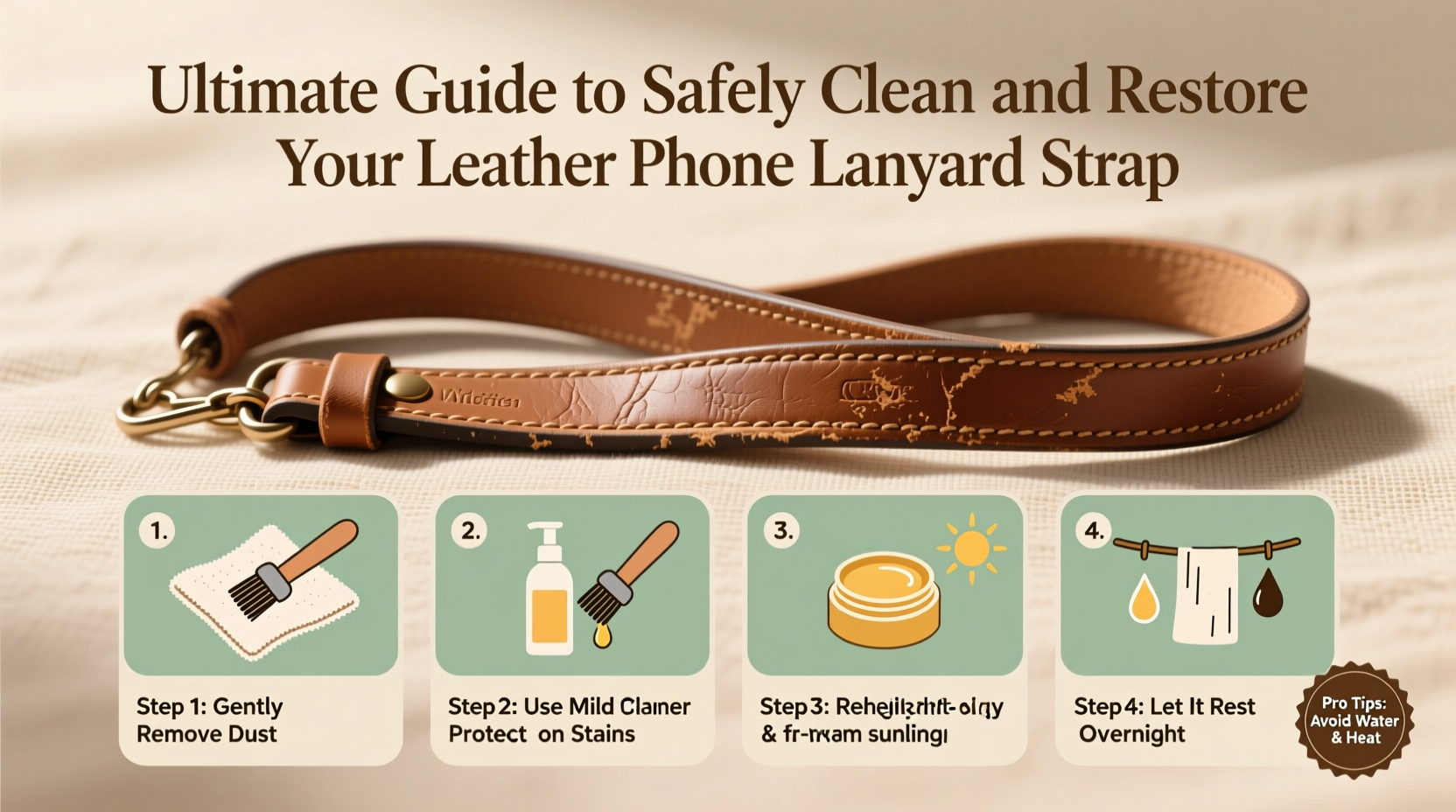
Not all leather is created equal. The first step in effective cleaning is identifying the type of leather used in your lanyard. Common varieties include:
- Full-grain leather – Durable, natural finish, develops a patina over time.
- Top-grain leather – Sanded and refinished, slightly less breathable but smoother.
- Suede or nubuck – Textured surface, highly absorbent, requires specialized care.
- Corrected grain or bonded leather – Often coated; sensitive to solvents and moisture.
If unsure, check product packaging or manufacturer details. When in doubt, assume the leather is finished (coated) and proceed gently. Using harsh cleaners on delicate finishes can strip protective layers and accelerate deterioration.
“Misidentifying leather type is the most common cause of accidental damage during cleaning.” — Daniel Reeves, Artisan Leather Goods Conservator
Step-by-Step: How to Clean and Restore Your Lanyard
Cleaning a leather phone lanyard requires precision and patience. Follow this timeline-based process to avoid damaging the material.
- Remove the phone and detach hardware (if possible) – Take off any clasps, rings, or connectors to prevent corrosion during cleaning.
- Dust and dry wipe (Day 1) – Use a soft, lint-free cloth to remove surface dust and debris. Gently rub along the grain.
- Spot test (Day 1) – Apply a small amount of cleaner or conditioner to an inconspicuous area. Wait 24 hours to check for discoloration or texture change.
- Light cleaning (Day 2) – For smooth leathers, dampen a microfiber cloth with distilled water and mild pH-balanced leather soap. Wipe gently in one direction.
- Target stains (Day 2) – For oil or sweat marks, use a cotton swab lightly dipped in a 1:1 mix of distilled water and white vinegar. Blot, don’t rub.
- Dry naturally (Day 2–3) – Hang the lanyard in a well-ventilated area away from direct heat or sunlight. Allow 24–48 hours to dry completely.
- Condition (Day 3) – Apply a pea-sized amount of leather conditioner using a clean cloth. Work it in evenly and let absorb for 6–8 hours.
- Buff and reassemble (Day 4) – Lightly buff with a dry cloth to restore shine. Reattach hardware only when fully dry.
Do’s and Don’ts: Care Guidelines at a Glance
| Action | Do | Don't |
|---|---|---|
| Cleaning Frequency | Every 4–6 weeks with light use | Wait until visible grime or stiffness occurs |
| Cleaning Agents | pH-balanced leather soap or distilled water | Household cleaners, alcohol, or bleach |
| Drying Method | Air-dry at room temperature | Use a hairdryer or place near a heater |
| Storage | In a breathable cotton pouch, away from sunlight | In a sealed plastic bag or hot car |
| Conditioning | Every 2–3 months or when leather feels dry | Over-apply, which can clog pores and attract dirt |
Real-World Example: Reviving a Neglected Lanyard
Sarah, a travel photographer, relied on her brown leather lanyard for six months without maintenance. Constant exposure to salt air, sunscreen, and sweat left the strap darkened, stiff, and faintly sticky. After reading up on leather care, she followed a cautious restoration plan: dry brushing, spot testing with Lexol cleaner, gentle wiping, and two rounds of conditioning with Bick 4. Within four days, the lanyard regained flexibility and a subtle sheen. While the deep creases near the clasp didn’t vanish, the overall look and feel improved dramatically. Sarah now keeps a mini care kit in her camera bag—a microfiber cloth, travel-sized leather wipe, and conditioner sample—for monthly touch-ups.
This case illustrates that even heavily used lanyards respond well to consistent, informed care. Prevention is ideal, but restoration is often possible.
Essential Maintenance Checklist
To keep your leather lanyard in top condition, follow this simple routine:
- ✅ Inspect weekly for dirt buildup or dryness
- ✅ Wipe down with a dry microfiber cloth after heavy use
- ✅ Clean thoroughly every 4–6 weeks
- ✅ Condition every 2–3 months (more often in dry climates)
- ✅ Store flat or loosely coiled in a cool, dry place
- ✅ Avoid contact with perfumes, lotions, and hand sanitizers
- ✅ Rotate lanyards if you own multiple to reduce strain
Frequently Asked Questions
Can I use olive oil or coconut oil to condition my lanyard?
No. Natural oils like olive or coconut may initially soften leather but eventually oxidize, turning rancid and causing discoloration or stickiness. Stick to commercial leather conditioners specifically formulated to penetrate without residue.
What if my lanyard smells musty?
A musty odor indicates trapped moisture or mildew. Air it out for 48 hours in a dry, ventilated space. If the smell persists, wipe gently with a cloth dampened in equal parts distilled water and rubbing alcohol (70% isopropyl), then dry thoroughly. Do not apply conditioner until the odor is gone.
Is it safe to clean a lanyard with metal accents?
Only if the hardware is stainless steel or coated. Brass or iron components may tarnish or rust when exposed to moisture. Remove them if possible, or shield them with a dry cloth during cleaning. Dry immediately with a towel and ensure no water pools around joints.
Final Thoughts: Small Care, Lasting Impact
Your leather phone lanyard may seem like a minor accessory, but it reflects your attention to detail and personal style. With minimal effort—regular dusting, periodic cleaning, and timely conditioning—you can preserve its beauty and structural integrity for years. Think of it as preventive maintenance: a few minutes every month saves you from premature replacement and maintains the tactile pleasure of supple, well-kept leather.
Start today. Pull out your lanyard, assess its condition, and give it the care it deserves. Whether it’s a gift, a luxury item, or a functional favorite, it’s worth protecting.
💬 Have a lanyard that came back from the brink? Share your restoration story in the comments—your tip might help someone else save theirs.








