
For runners, reliable audio gear isn’t just about sound quality—it’s about staying in motion without distractions. A pair of earbuds that slips out mid-stride can break rhythm, disrupt focus, and even compromise safety. The debate between true wireless earbuds and wired models often centers on convenience, but when it comes to secure fit during physical activity, the choice becomes more nuanced. While true wireless designs offer freedom from cords, wired earbuds have long been trusted for their stability. Understanding the strengths and limitations of each type—especially in terms of fit, retention, and durability—can help runners make a smarter decision based on their specific needs.
Fit and Stability: What Keeps Earbuds in Place?
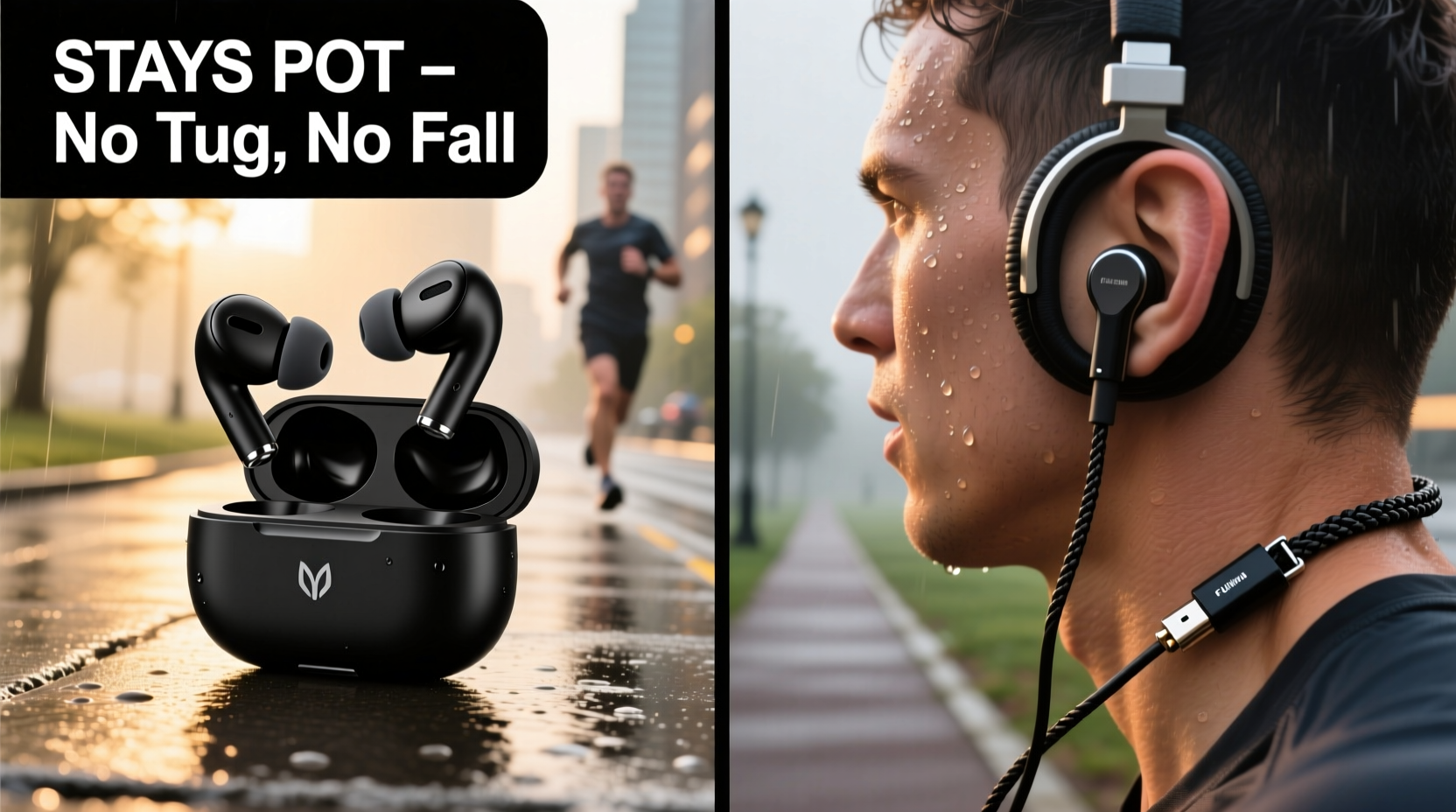
The most critical factor for runners is retention—how well earbuds stay securely in the ears during movement. This depends on three main elements: ear tip design, earbud shape, and additional support features like fins or wings.
Wired earbuds traditionally benefit from cable tension. When worn in an over-ear configuration (where the cord loops over the top of the ear), the cable creates a stabilizing anchor that resists bouncing or slipping. This mechanical advantage has made wired models a favorite among serious runners, especially those logging long miles or tackling uneven terrain.
True wireless earbuds, lacking any tether, rely entirely on ergonomic design and proper fit. High-quality models now include multiple ear tip sizes, silicone stabilizers, and angled housings that conform to the natural contours of the ear canal. Some brands, like Shokz (using bone conduction) or Jabra with their TwistLock technology, incorporate specialized wingtips or ear hooks to enhance grip.
Tip: Always test different ear tip sizes—even a slight mismatch can cause slippage during high-motion activities.However, individual anatomy plays a major role. Runners with smaller or uniquely shaped ear canals may struggle to find a secure fit with certain true wireless models, regardless of included accessories. In contrast, wired earbuds with flexible over-ear cables adapt more easily across ear types, offering consistent retention once properly routed.
Comparative Analysis: Key Differences at a Glance
| Feature | True Wireless Earbuds | Wired Earbuds |
|---|---|---|
| Cable Interference | No cables—complete freedom of movement | Cable can snag or swing; requires routing |
| Secure Fit | Depends on ear tips/wings; varies by model | Over-ear cables add mechanical stability |
| Sweat & Weather Resistance | Most have IPX4+ rating; case vulnerable | Durable builds common; jack end may degrade |
| Battery Life per Charge | 4–8 hours typical; charging case extends use | Unlimited (powered by device) |
| Drop Risk | High—if dislodged, easy to lose | Low—cable tethers them to device |
| On-the-Go Adjustments | Tap controls convenient but can misfire | Physical buttons less prone to accidental input |
This comparison reveals that while true wireless models win in convenience and aesthetics, wired earbuds still hold advantages in physical security and reliability during extended runs. For urban runners dodging traffic or trail runners navigating technical paths, the risk of losing a bud mid-run is not trivial.
Real Runner Experience: A Case Study
Jamal, a recreational marathoner training for his third half-marathon, switched from wired to true wireless earbuds seeking a cleaner look and easier pocket storage. He chose a popular brand with IPX7 rating and ear fins, confident in its “sport-ready” marketing.
During his first tempo run, one bud slipped out around mile 5. He didn’t notice until he stopped for water and found it missing. After retracing his steps, he recovered it—covered in dust and grass—but realized the risk was too high. On longer runs, he began using a lanyard clipped to both earbuds, which reduced loss but felt awkward.
He eventually returned to his old wired earbuds with over-ear routing. Though bulkier, they stayed firmly in place through sprints, hills, and humid conditions. “I don’t worry about them at all,” he said. “The cable takes two seconds to set up, and I forget they’re there.”
His experience highlights a recurring theme: marketing claims about “secure fit” don’t always translate to real-world performance, especially under dynamic conditions like running.
“Retention during motion isn’t just about grip—it’s about balance, weight distribution, and how forces act on the earbud during impact. Wired models inherently resist vertical displacement better.” — Dr. Lena Torres, Biomechanics Researcher, Human Motion Lab, University of Colorado
Optimizing Your Choice: Step-by-Step Guide to Secure Audio
Whether you prefer true wireless or wired, maximizing retention starts with setup. Follow this sequence before every run:
- Choose the Right Ear Tips: Test all included sizes. The correct tip should seal the ear canal without pressure. If sound feels hollow or bass is weak, the fit is likely too loose.
- Use Stabilizers if Available: Fins, wings, or ear hooks should sit snugly in the anti-helix (the ridge above the ear canal). Don’t force them—adjust orientation for comfort.
- Route Cables Properly (for wired): Thread the cable over the top of your ear, then down behind the neck. This creates a secure loop that counteracts downward pull during arm swings.
- Check Balance and Weight: Heavy earbuds are more likely to bounce. If one side feels heavier, consider switching models.
- Test Before Committing: Do a 5-minute shake test—jog in place, tilt your head, mimic running motions. If either bud shifts, re-evaluate fit or accessories.
- Consider a Clip or Lanyard: For true wireless, a magnetic clip attaching the cables (if present) to your shirt can prevent full detachment if one bud falls.
Sound Quality and Environmental Awareness
While fit is paramount, audio performance also influences runner satisfaction. True wireless earbuds generally offer superior noise isolation and richer bass due to advanced drivers and digital signal processing. However, this can be a double-edged sword: blocking ambient noise may reduce awareness of traffic, cyclists, or verbal cues from other runners.
Wired earbuds, particularly open-back or semi-open designs, allow more environmental sound leakage. This passive openness enhances situational awareness—a safety benefit many runners appreciate, especially in urban environments.
Some true wireless models now include transparency modes that pipe in external sound via microphones. While helpful, these modes can introduce latency or artificial-sounding audio, making them less reliable than natural sound leakage from wired sets.
Additionally, wired earbuds eliminate potential Bluetooth dropouts, which—though rare with modern codecs—can still occur in areas with high RF interference (e.g., near power lines or crowded event zones).
Expert Recommendations and Long-Term Durability
Durability under stress is another consideration. True wireless earbuds house batteries and electronics in compact enclosures exposed to sweat, UV light, and impact. Even with high IP ratings, repeated exposure degrades seals over time. Charging cases are also vulnerable to being lost or damaged.
Wired earbuds, while susceptible to fraying at stress points (especially near the plug or inline remote), are generally easier to repair. Soldering a broken wire or replacing a jack is feasible for many users, whereas true wireless units are typically non-repairable.
“In five years of testing audio gear for endurance athletes, I’ve seen far more failed true wireless buds than broken wired ones. Sweat corrosion and battery degradation are silent killers.” — Mark Renner, Senior Gear Editor, *Trail & Pace Magazine*
For runners logging high weekly mileage, this longevity factor matters. Replacing $150 earbuds every 12–18 months adds up, both financially and environmentally.
Frequently Asked Questions
Can true wireless earbuds really stay in during intense running?
Yes—but only with the right model and proper fit. Look for models with ear fins, secure over-ear designs, and IPX5 or higher ratings. Brands like Jabra Elite Active, Powerbeats Pro, and Shokz OpenRun consistently rank high for retention. Still, individual results vary based on ear shape.
Are wired earbuds outdated for runners?
Not at all. Many professional runners and coaches still prefer wired options for their reliability, consistent audio, and lack of battery dependency. They remain a smart choice for those prioritizing function over form.
What’s the best way to prevent earbuds from falling out?
Combine proper ear tip selection with correct cable routing (for wired) or stabilizer use (for wireless). For extra security, consider earbuds with ear hooks or wear a lightweight headband designed to hold buds in place.
Action Plan: Choosing Based on Your Running Style
- Urban Joggers: Prioritize environmental awareness. Consider wired earbuds or true wireless with excellent transparency mode.
- Trail & Long-Distance Runners: Focus on retention and durability. Over-ear wired models or rugged true wireless with ear hooks are ideal.
- Gym-to-Run Commuters: Value convenience and portability. True wireless with quick pairing and compact cases suit this lifestyle best.
- Sprinters & Interval Trainers: Need maximum stability during explosive movements. Choose models proven to handle rapid head motion and vibration.
Final Verdict: It Depends on Your Priorities
There’s no universal winner in the true wireless vs. wired debate for runners. Each has distinct advantages:
Choose true wireless earbuds if you value untethered movement, sleek design, and seamless integration with smartphones. Opt for models with ear fins, strong IP ratings, and positive user reviews regarding fit during exercise.
Choose wired earbuds if stability, durability, and uninterrupted playback are non-negotiable. Their mechanical anchoring, resistance to loss, and infinite battery life make them a pragmatic, cost-effective solution for dedicated runners.
In the end, the best earbuds for running are the ones that stay put, sound clear, and disappear into your routine—so you can focus on the road ahead.
🚀 Ready to upgrade your run? Try a pair of over-ear wired earbuds on your next long session—you might rediscover the value of simplicity. Or test a sport-focused true wireless model with stabilizers. Share your findings with fellow runners and help others find their perfect fit.








