
Silicone watch bands have become a staple in modern timekeeping due to their durability, comfort, and resistance to sweat and moisture. Whether you wear a fitness tracker, smartwatch, or analog timepiece, the silicone strap takes constant contact with skin, sweat, oils, and environmental debris. Over time, this exposure leads to discoloration, odor buildup, and material degradation if not properly maintained. A clean band isn’t just about appearance—it’s essential for hygiene and longevity. This comprehensive guide delivers actionable methods for deep cleaning, routine maintenance, and preventing common issues that shorten the lifespan of your silicone band.
Why Silicone Bands Need Regular Deep Cleaning
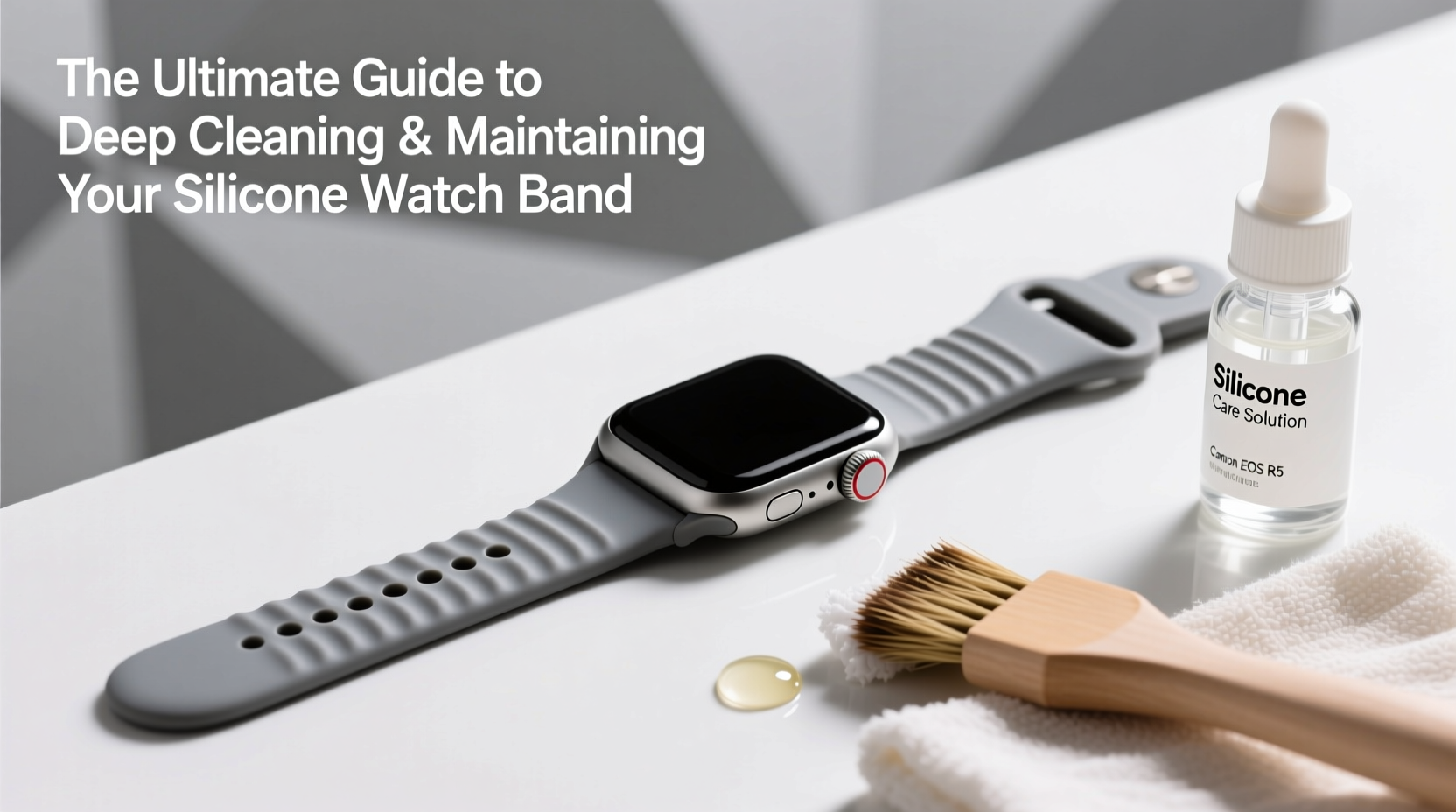
Silicone is non-porous and hypoallergenic, making it resistant to bacteria compared to leather or fabric. However, its textured surface can trap dead skin cells, sweat, lotions, and soap residue. These buildups create an environment where odor-causing microbes thrive, especially after workouts or humid conditions. Discoloration often occurs when sunscreen, chlorine, or saltwater interact with the material over time. Without intervention, even high-quality silicone bands can develop cracks, lose elasticity, or emit persistent smells.
“Most people don’t realize that daily exposure to UV light and chemicals accelerates silicone aging. Regular cleaning slows this process significantly.” — Dr. Lena Torres, Materials Scientist specializing in wearable polymers
Step-by-Step Guide: How to Deep Clean Your Silicone Watch Band
A thorough deep clean removes grime from crevices and restores the band’s original texture and color. Follow this proven method every 4–6 weeks, or more frequently if worn during intense physical activity.
- Remove the band from the watch head. Use a spring bar removal tool or visit a jeweler if unsure. Protecting the watch mechanism ensures no water or cleaning agents seep inside.
- Rinse under lukewarm water. This loosens surface dirt and prepares the band for deeper treatment.
- Create a cleaning paste: Mix one tablespoon of baking soda with two teaspoons of hydrogen peroxide (3%). Alternatively, use mild dish soap and warm water for sensitive skin.
- Scrub with a soft-bristled brush. An old toothbrush works perfectly. Focus on grooves, underside areas, and connection points where grime accumulates.
- Soak for 10–15 minutes. Submerge the band in a bowl of soapy water or the baking soda solution. For stubborn stains, add a few drops of white vinegar to break down mineral deposits.
- Rinse thoroughly. Ensure all residues are removed to prevent skin irritation upon re-wearing.
- Air dry completely. Lay flat on a clean towel away from direct sunlight. Avoid using heat sources like hairdryers, which can warp the silicone.
- Reattach only when fully dry. Reassembly while damp may trap moisture against the watch casing.
Maintenance Checklist for Long-Term Band Health
Between deep cleans, consistent upkeep preserves the band’s integrity. Perform these actions weekly or as needed:
- Wipe down the band daily with a damp microfiber cloth after removing it.
- Rotate between multiple bands if possible to reduce continuous strain and sweat exposure.
- Store in a cool, dry place—avoid leaving on dashboards or near radiators.
- Inspect monthly for signs of wear: tears, fading, or stiffness at bend points.
- Keep away from perfumes, tanning oils, and insect repellents containing DEET.
Do’s and Don’ts: Caring for Silicone Watch Bands
| Do’s | Don’ts |
|---|---|
| Use gentle, pH-neutral soaps | Use abrasive scrubbing pads |
| Hand wash regularly | Machine wash or tumble dry |
| Apply a drop of silicone conditioner (optional) | Expose to prolonged UV sunlight |
| Clean immediately after swimming | Leave submerged in chlorinated water |
| Allow full air drying before reuse | Store while damp or rolled up tightly |
Real Example: How One User Extended Band Life by 18 Months
Mark, a triathlete from San Diego, noticed his fitness tracker band developing a sour smell within three months of daily use. He swam, ran, and cycled regularly, often wearing the same band seven days a week. After researching online, he implemented a bi-weekly deep cleaning routine using baking soda and hydrogen peroxide. He also began rotating two bands and rinsed the one in use under fresh water post-workout. Within six weeks, the odor disappeared. Eighteen months later, both bands showed minimal fading and no structural damage—far exceeding the typical 8–12 month lifespan reported by other users. His simple habit shift dramatically improved performance and comfort.
Frequently Asked Questions
Can I sanitize my silicone band with alcohol wipes?
Yes, but sparingly. Isopropyl alcohol (70%) effectively kills germs but repeated use dries out silicone over time. Limit sanitizing to once a week and follow with a rinse and dry. Do not soak the band in alcohol.
Why does my clear silicone band turn yellow?
Yellowing is typically caused by UV exposure, nicotine, or chemical reactions with sunscreen and sweat. To slow discoloration, avoid extended sun exposure and clean promptly after applying lotions. Some users restore clarity with a paste of baking soda and water followed by gentle polishing.
How often should I replace my silicone watch band?
With proper care, most quality bands last 12–24 months. Replace when you notice cracking, loss of flexibility, persistent odor despite cleaning, or broken lugs. Proactive replacement prevents sudden breakage and potential device damage.
Expert Tip: Condition Occasionally for Flexibility
While not commonly discussed, lightly conditioning silicone can preserve elasticity. Apply a tiny amount of food-grade silicone oil or specialized polymer conditioner to a cloth and buff the band monthly. This fills microscopic pores and reduces brittleness, especially in dry climates. Wipe off excess and allow 30 minutes to absorb before wearing.
Tip: Keep a spare cleaned band ready to swap in—makes maintenance seamless without interrupting your routine.Conclusion: Make Care a Seamless Habit
A silicone watch band is built to endure, but its longevity depends on how well you treat it. Deep cleaning every few weeks, avoiding harsh chemicals, and practicing daily wipe-downs transform occasional frustration into lasting satisfaction. The small investment in time pays off in hygiene, comfort, and aesthetics. Whether tracking workouts, managing notifications, or simply telling time, your watch deserves a clean, fresh foundation. Start today—clean your band, set a maintenance schedule, and experience the difference meticulous care makes.
💬 Have a favorite cleaning hack or product that works for your silicone band? Share your insight in the comments and help others keep their wearables looking and feeling like new.








