Types of Super Hydrophobic Roll Paint
A super hydrophobic roll paint is a specialized coating engineered to repel water with exceptional efficiency, creating a self-cleaning, corrosion-resistant, and low-maintenance surface. These advanced coatings are widely supplied in bulk to wholesalers for distribution across industrial, commercial, and consumer markets. By leveraging unique chemical compositions and nanotechnology, these paints create surfaces where water forms near-perfect beads and rolls off effortlessly—often referred to as the "lotus effect."
Nano Hydrophobic Coatings
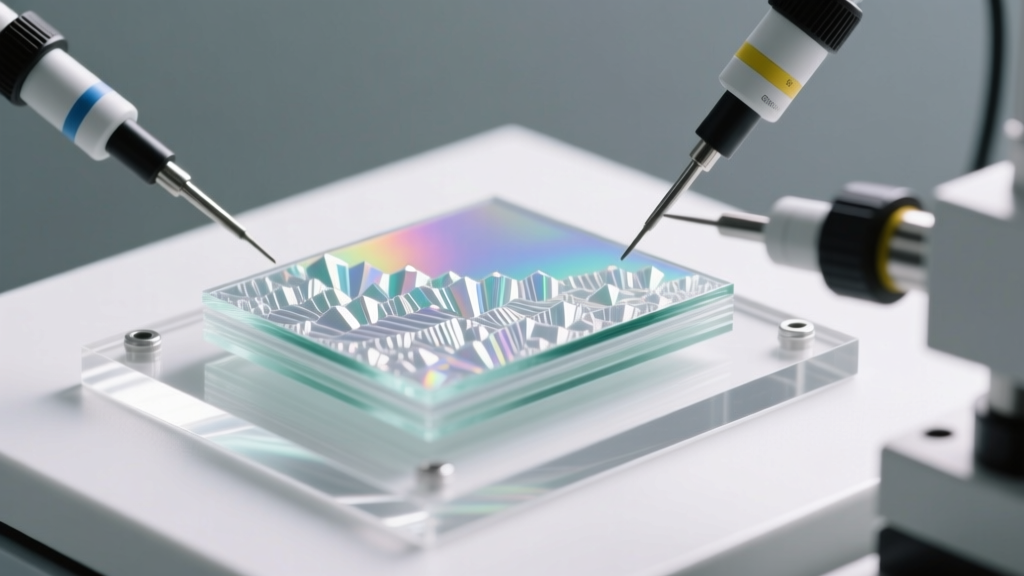
Utilizing cutting-edge nanotechnology, these coatings form microscopic surface structures that trap air and minimize contact between water and the substrate. This results in extreme water repellency and excellent performance on intricate or detailed surfaces.
Advantages
- Exceptional water beading and roll-off
- Effective on complex geometries and fine tools
- Transparent finish preserves original appearance
- Resists dirt, dust, and microbial growth
Limitations
- Sensitive to surface preparation
- Can be less durable under abrasion
- Higher cost due to advanced formulation
Best for: Precision instruments, automotive trim, electronics enclosures, and architectural finishes
Teflon-Based Coatings
Formulated with polytetrafluoroethylene (PTFE), commonly known as Teflon®, these coatings offer legendary non-stick and water-repelling properties. Enhanced versions include additives for improved wear resistance and adhesion.
Advantages
- Outstanding chemical and water resistance
- Low coefficient of friction
- Excellent for moving or sliding parts
- Widely available and trusted in industrial settings
Limitations
- Requires high-temperature curing in many cases
- Potential environmental concerns with certain formulations
- Less flexible on dynamic surfaces
Best for: Industrial machinery, kitchen equipment, conveyor systems, and marine hardware
Silicone-Based Coatings
These versatile polymer coatings bond strongly to a wide range of substrates including metal, plastic, and fabric. They form a flexible, rubber-like film that maintains hydrophobicity across extreme temperature fluctuations.
Advantages
- Excellent flexibility and thermal stability (-50°C to 200°C+)
- Strong adhesion to diverse materials
- UV and weather resistant
- Easy to apply and cure at room temperature
Limitations
- Lower abrasion resistance than ceramic or polyurethane
- May require reapplication in high-wear environments
- Surface can attract dust over time
Best for: Outdoor textiles, HVAC systems, automotive undercarriages, and electrical insulation
Ceramic Hydrophobic Coatings
Engineered for extreme durability, ceramic coatings form a hard, glass-like layer that resists water, chemicals, heat, and physical wear. These are often used in demanding industrial and automotive applications.
Advantages
- Exceptional hardness and scratch resistance
- Withstands temperatures up to 600°C or higher
- Long-lasting protection (2–5 years with proper care)
- Resists acid rain, salt, and industrial pollutants
Limitations
- Rigid film may crack under substrate flexing
- Requires meticulous surface prep and curing
- Premium pricing compared to standard coatings
Best for: Automotive paint protection, industrial ovens, marine vessels, and aerospace components
Graphene Coatings
At the forefront of material science, graphene-infused coatings deliver unparalleled strength, conductivity, and hydrophobic performance. This single-layer carbon structure enhances barrier properties while remaining ultra-thin and lightweight.
Advantages
- Highest strength-to-weight ratio of any known material
- Superior barrier against moisture and corrosion
- Electrically conductive (useful for EMI shielding)
- Extremely thin yet highly protective
Limitations
- Very high cost and limited availability
- Complex manufacturing and application process
- Still emerging in commercial markets
Best for: Aerospace, high-performance electronics, military equipment, and next-gen automotive tech
Wax-Based Hydrophobic Paints
Formulated from natural (e.g., carnauba) or synthetic waxes, these provide a temporary but effective water-repellent barrier. They are popular for short-term protection and easy maintenance.
Advantages
- Inexpensive and widely accessible
- Simple application and removal
- Enhances gloss and surface depth
- Eco-friendly options available
Limitations
- Short lifespan (weeks to months)
- Degrades under UV exposure and washing
- Limited chemical and heat resistance
Best for: Consumer automotive care, seasonal protection, and temporary surface enhancement
Super Hydrophobic Polymer Coatings
Advanced polymer formulations offer a balanced solution between durability, flexibility, and water repellency. These coatings are engineered for versatility across multiple substrates and environments.
Advantages
- Excellent adhesion to plastics, metals, and textiles
- Flexible and impact-resistant
- Customizable for specific performance needs
- Suitable for both indoor and outdoor use
Limitations
- Performance varies by formulation quality
- May yellow under prolonged UV exposure
- Requires proper curing for optimal results
Best for: Outdoor furniture, marine accessories, consumer goods, and protective wraps
| Type | Durability | Water Repellency | Flexibility | Best Application |
|---|---|---|---|---|
| Nano Hydrophobic | Medium | Excellent | High | Fine tools, electronics, detailed surfaces |
| Teflon-Based | Very Good | Excellent | Medium | Industrial machinery, non-stick surfaces |
| Silicone-Based | Good | Very Good | Excellent | Textiles, HVAC, temperature-variable environments |
| Ceramic | Excellent | Excellent | Fair | Automotive, marine, high-heat industrial |
| Graphene | Excellent | Exceptional | High | Aerospace, electronics, defense |
| Wax-Based | Fair | Good | High | Short-term protection, consumer use |
| Polymer Coatings | Good | Very Good | Very Good | Versatile applications, multi-material use |
Expert Tip: For optimal performance, always ensure the surface is thoroughly cleaned and degreased before applying any super hydrophobic coating. Contaminants can significantly reduce adhesion and effectiveness, especially with nano and ceramic formulations.
Industry Applications of Super Hydrophobic Roll Paint
Super hydrophobic roll paint is a cutting-edge nanotechnology-based coating that repels water with exceptional efficiency. By creating a microscopically textured surface that minimizes contact with liquids, it enables droplets to bead up and roll off effortlessly. This unique property has led to widespread adoption across multiple industries, where protection from moisture, contamination, and environmental degradation is critical. Below is a detailed exploration of its most impactful applications.
Protecting Electronics
Modern electronic devices are highly susceptible to water damage, corrosion, and short circuits caused by humidity or accidental exposure. Super hydrophobic roll paint forms an ultra-thin, transparent, and electrically non-conductive barrier over sensitive components such as circuit boards, connectors, sensors, and microchips.
This protective layer prevents moisture infiltration without altering thermal conductivity or signal transmission, ensuring uninterrupted performance. It is widely used in smartphones, wearables, industrial control systems, and outdoor electronics, significantly improving reliability and extending service life—even in high-humidity or wet environments.
Automotive Industry
In the automotive sector, super hydrophobic coatings are applied to vehicle exteriors, windshields, side mirrors, headlights, and undercarriage components. The paint reduces water adhesion, causing rain and road spray to bead and roll away instantly.
Beyond keeping surfaces cleaner for longer, this effect enhances aerodynamics by minimizing water drag, which contributes to improved fuel efficiency. Additionally, reduced water retention helps prevent rust and corrosion on metal parts, while clearer visibility during rain improves driver safety. Some high-end vehicles now integrate these coatings into factory finishes for long-term protection.
Textiles and Fabrics
The textile industry leverages super hydrophobic roll paint to create advanced water-resistant and stain-repellent fabrics. When applied to clothing, outdoor gear, upholstery, and technical textiles, the coating allows liquids to roll off the surface without soaking in.
This is especially beneficial for outdoor apparel such as jackets, hiking gear, and workwear, where staying dry is essential. Unlike traditional waterproofing methods that can make fabrics stiff or less breathable, hydrophobic paints maintain fabric flexibility and comfort. They also resist oil-based stains and dirt, making garments easier to clean and more durable over time.
Anti-Fogging Solutions
Fogging due to condensation poses serious risks in safety-critical applications. Super hydrophobic coatings prevent fog formation by repelling moisture and promoting rapid droplet shedding before condensation can occur.
This makes them ideal for dive masks, swimming goggles, full-face helmets, firefighting gear, and surgical face shields. In medical and industrial settings, clear visibility is paramount—these coatings ensure lenses remain transparent even in high-humidity or temperature-fluctuating environments, enhancing both safety and operational effectiveness.
Optical Coatings
Optical clarity is vital in lenses used for eyeglasses, cameras, microscopes, telescopes, and surveillance equipment. Super hydrophobic roll paint provides a clear, durable coating that prevents water spots, smudges, dust accumulation, and fingerprints.
By causing water and oils to roll off the surface, the coating maintains lens transparency and reduces the need for frequent cleaning. This not only improves visual performance but also protects delicate anti-reflective or polarized layers underneath. The self-cleaning nature of the coating is particularly valuable in outdoor and precision optical applications.
Medical Devices
In healthcare, many medical instruments and implants are exposed to bodily fluids, sterilization processes, and humid environments. Applying super hydrophobic paint to devices such as sensors, catheters, endoscopes, and surgical tools enhances their resistance to moisture, biofilm formation, and microbial adhesion.
These coatings improve device longevity, reduce infection risks, and support easier cleaning and sterilization. For implantable devices, the biocompatible versions of hydrophobic coatings help prevent fluid absorption and corrosion, increasing patient safety and device reliability over extended periods.
Anti-Icing Solutions
Ice accumulation on critical surfaces can lead to dangerous conditions in aviation, power transmission, and transportation. Super hydrophobic coatings play a vital role in anti-icing strategies by minimizing water contact time and preventing droplets from freezing upon impact.
In the aerospace industry, wings, sensors, and radar domes coated with hydrophobic paint resist ice buildup, reducing the need for energy-intensive de-icing systems and improving flight safety in cold climates. Similarly, wind turbines, power lines, and rail infrastructure benefit from reduced ice adhesion, lowering maintenance costs and downtime.
Self-Cleaning Surfaces
One of the most transformative features of super hydrophobic roll paint is its ability to enable self-cleaning surfaces. When water rolls off a treated surface, it carries away dirt, dust, pollen, and even pathogens—a phenomenon known as the "lotus effect."
This property is leveraged in agriculture (greenhouse panels), infrastructure (building facades, solar panels), and healthcare (hospital walls, equipment housings) to reduce manual cleaning efforts and chemical usage. Solar farms, for instance, maintain higher energy output because dust and grime don’t accumulate on panels, maximizing sunlight absorption.
| Industry | Key Benefits | Common Applications |
|---|---|---|
| Electronics | Moisture protection, corrosion resistance, uninterrupted functionality | Circuit boards, sensors, smartphones, outdoor electronics |
| Automotive | Improved aerodynamics, reduced drag, enhanced visibility, rust prevention | Paint finishes, windshields, mirrors, headlights |
| Textiles | Water and stain resistance, breathability, easy maintenance | Outdoor apparel, workwear, upholstery, technical fabrics |
| Medical | Moisture resistance, reduced biofilm formation, easier sterilization | Catheters, implants, surgical tools, face shields |
| Aerospace & Energy | Anti-icing, reduced maintenance, improved safety | Airplane wings, wind turbines, power lines, solar panels |
| Optics | Clear visibility, smudge resistance, easy cleaning | Glasses, camera lenses, microscopes, binoculars |
Important: While super hydrophobic roll paint offers exceptional performance, its durability depends on proper application and substrate compatibility. Exposure to abrasion, UV degradation, or harsh chemicals may reduce effectiveness over time. Always use manufacturer-recommended application techniques and conduct periodic inspections to ensure continued protection, especially in mission-critical environments.
Product Specifications and Features of Super Hydrophobic Roll Paint
Super hydrophobic roll paint is an advanced protective coating engineered to deliver exceptional water resistance and long-term surface protection. Designed for both residential and industrial applications, this innovative paint creates a self-cleaning, durable barrier that enhances the performance and longevity of a wide range of materials. Below is a comprehensive overview of its key features, application methods, maintenance guidelines, and customization options.
Key Features
- Extreme Water Repellency: With a water contact angle exceeding 150°, the paint exhibits true superhydrophobic behavior—causing water to bead up and roll off the surface instantly. This prevents moisture absorption, reducing the risk of mold, corrosion, and water damage.
- Self-Cleaning Capability: As water rolls off the treated surface, it naturally carries away dirt, dust, pollen, and other contaminants. This "lotus effect" keeps surfaces cleaner for longer, minimizing the need for manual cleaning and maintenance.
- Exceptional Durability: The coating is highly resistant to abrasion, chemical exposure, and UV radiation. This ensures long-lasting performance even in harsh environments such as coastal areas, industrial zones, or high-traffic zones.
- Universal Surface Compatibility: Formulated for versatility, the paint adheres effectively to diverse substrates including wood, concrete, metal, masonry, glass, and textiles. This makes it ideal for use in construction, automotive, marine, and textile industries.
Technical Insight: The nano-engineered surface structure traps air and minimizes contact between water and the substrate, enabling superior repellency and protection.
Application Process
Applying super hydrophobic roll paint is straightforward and can be done using standard tools—ideal for both professional contractors and DIY users. Proper surface preparation is critical to ensure optimal adhesion and performance.
- Surface Preparation: Clean the surface thoroughly using a degreaser or mild detergent to remove oil, dust, and debris. Allow it to dry completely before application. Sanding may be required for smooth or non-porous surfaces to enhance bonding.
- Application Methods: The paint can be applied via sprayer, brush, or roller. For spray application, maintain a distance of approximately 12 inches from the surface for even coverage and minimal overspray.
- Coverage Tips: Apply thin, uniform coats to avoid pooling or uneven texture. Multiple light coats are recommended over a single thick layer for best results. Allow proper drying time (typically 2–4 hours) between coats.
- Drying & Curing: Full curing usually takes 24–48 hours, after which the surface achieves maximum hydrophobic performance.
Pro Tip: Conduct a small test patch on sensitive or unfamiliar materials to confirm compatibility and desired finish.
Maintenance and Long-Term Care
One of the greatest advantages of super hydrophobic paint is its low-maintenance nature. Once applied, the surface largely maintains itself through natural rainfall or rinsing.
- Cleaning: For routine cleaning, simply rinse with water or use a soft cloth with mild soap. Avoid high-pressure washing or abrasive scrubbing, which can degrade the coating over time.
- Avoid Harsh Chemicals: Solvents, strong acids, or alkaline cleaners can compromise the hydrophobic layer. Stick to pH-neutral cleaning agents.
- Performance Restoration: If repellency diminishes due to wear or contamination, the properties can be restored by applying a thin re-coat to affected areas—no full stripping required.
- Inspection: Periodic visual checks help identify areas needing touch-ups, especially in high-abrasion zones like walkways or vehicle exteriors.
Longevity Note: With proper care, the coating can last 3–7 years depending on environmental exposure and usage intensity.
Customization Options
To meet diverse client requirements, manufacturers offer a range of customization options for super hydrophobic roll paint, making it adaptable for both functional and aesthetic needs.
- Adjustable Hydrophobic Levels: The degree of water repellency can be fine-tuned based on application needs—from standard water resistance to extreme self-cleaning performance.
- Color and Finish: Available in clear, matte, semi-gloss, or custom-tinted formulations to match design preferences without sacrificing performance.
- Roll Dimensions: Custom roll widths and lengths (e.g., 1 ft, 2 ft, 3 ft widths and 50–100 m lengths) are available for large-scale projects or integration into manufacturing processes.
- Specialty Additives: Options include anti-graffiti, anti-icing, or antimicrobial enhancements for specific industrial or public infrastructure applications.
Wholesale Advantage: Bulk orders can include tailored packaging, labeling, and technical support for seamless integration into distribution or production workflows.
Professional Recommendation: For best results, combine super hydrophobic paint with a compatible primer on porous surfaces like concrete or wood. This enhances bonding and extends service life. When advising customers, emphasize the long-term cost savings from reduced maintenance, fewer repairs, and improved durability—especially in wet or corrosive environments.
| Feature | Specification | Benefit |
|---|---|---|
| Water Contact Angle | >150° | Superior water beading and runoff |
| UV Resistance | High (up to 7 years) | Prolongs coating life in sun-exposed areas |
| Chemical Resistance | Resists acids, alkalis, salts | Ideal for industrial and marine environments |
| Application Methods | Spray, brush, roller | Flexible for various project scales |
| Curing Time | 24–48 hours | Quick turnaround for commercial projects |
Additional Considerations
- Environmental Benefits: Reduces the need for chemical cleaners and frequent maintenance, contributing to sustainable building practices.
- Energy Efficiency: On exterior surfaces, the coating can help reduce cooling loads by minimizing heat absorption from water retention.
- Warranty Support: Reputable manufacturers often provide 3–5 year performance guarantees when applied according to guidelines.
- Indoor vs. Outdoor Use: While primarily designed for outdoor protection, clear formulations are also suitable for indoor applications like bathrooms or kitchens where moisture resistance is critical.
- Regulatory Compliance: Ensure the product meets local environmental standards (e.g., VOC-free, REACH, RoHS) for safe use in residential and commercial spaces.
Wholesale Buyers Guide for Super Hydrophobic Roll Paint
Expanding your business with super hydrophobic roll paint offers tremendous opportunities in industries ranging from construction and automotive to marine and consumer goods. As demand for water-repellent, self-cleaning, and corrosion-resistant coatings grows, savvy wholesalers can capitalize on this innovative technology. This comprehensive guide outlines essential strategies for sourcing high-quality super hydrophobic paint in bulk while minimizing risk and maximizing profitability.
Important Note: Super hydrophobic coatings are advanced functional materials. Due to variations in formulation and application methods, performance can differ significantly between suppliers. Always request real-world test data and conduct independent evaluations before placing large orders.
Assessing Product Quality
Product quality is the foundation of customer satisfaction and brand reputation. When evaluating super hydrophobic roll paint, buyers must go beyond visual inspection and examine both functional performance and aesthetic consistency.
- Hydrophobic Performance Testing: Request contact angle measurements (ideally >150°) and slide angle data. Conduct real-world water-beading and self-cleaning tests on sample panels.
- Durability & Adhesion: Assess resistance to abrasion, UV exposure, and chemical exposure. Check for adhesion strength on various substrates (metal, concrete, plastic).
- Texture and Finish: Evaluate surface texture (matte, satin, glossy) and color consistency across batches. Ensure the finish meets client expectations for both appearance and tactile feel.
- Application Ease: Test rollability, drying time, and film thickness. Poor application characteristics can lead to customer complaints and returns.
- Certifications: Verify compliance with environmental standards (e.g., VOC content) and industry-specific regulations (e.g., marine, food-safe).
Expert Tip: Request accelerated aging tests from suppliers to predict long-term performance. Look for coatings that maintain hydrophobicity after 500+ hours of UV exposure and multiple thermal cycles.
Supplier Reliability
A dependable supplier ensures consistent product availability, quality control, and responsive support—critical factors for wholesale operations.
- Reputation & Track Record: Research supplier history, customer reviews, and case studies. Look for established companies with proven experience in functional coatings.
- Manufacturing Capabilities: Inquire about production capacity, quality control processes, and batch traceability. Prefer suppliers with ISO certifications.
- Customization Options: Confirm whether the supplier can accommodate custom colors, viscosity adjustments, or substrate-specific formulations for your clients.
- Technical Support: Evaluate the supplier’s ability to provide application guidelines, troubleshooting assistance, and training for your team or customers.
- Minimum Order Quantities (MOQs): Negotiate MOQs that align with your sales forecasts to avoid overstocking or stockouts.
Payment Terms and Options
Effective financial planning is crucial when making large-volume purchases. Flexible payment structures can improve cash flow and reduce financial risk.
- Negotiate Tiered Pricing: Secure volume-based discounts for incremental order sizes (e.g., 10% off orders over 500 liters, 15% over 1,000 liters).
- Payment Schedules: Explore options like 30/60/90-day terms, partial upfront payments, or letters of credit to manage working capital.
- Financing Partnerships: Some suppliers offer financing through third parties or leasing programs for equipment and materials.
- Currency & Inflation Clauses: For international suppliers, consider contracts with price adjustment mechanisms tied to raw material costs.
- Return & Warranty Policies: Clarify terms for defective batches, shelf-life expiration, or performance failures.
| Factor | Recommended Standard | Risk of Poor Selection | Verification Method |
|---|---|---|---|
| Contact Angle | ≥150° | Poor water repellency | Lab test or supplier certification |
| Adhesion (Cross-hatch) | Class 0–1 (ASTM D3359) | Peeling or delamination | Sample testing |
| UV Resistance | ≥500 hrs QUV | Yellowing, loss of hydrophobicity | Accelerated weathering report |
| Shelf Life | ≥12 months unopened | Product degradation | Batch labeling & documentation |
| MOQ | Negotiable based on volume | Excess inventory or supply gaps | Supplier contract review |
Understanding Market Demand
Accurate demand forecasting prevents overstocking and ensures you meet customer needs efficiently.
- Market Segmentation: Identify key industries in your region (e.g., marine, architecture, automotive) and tailor your inventory accordingly.
- Sales Trend Analysis: Use historical data to predict seasonal demand spikes (e.g., pre-construction season, marine maintenance periods).
- Customer Feedback: Survey existing clients to understand preferred colors, finishes, and application methods.
- Custom Color Strategy: Limit custom color production to pre-ordered batches. Use standard colors for speculative inventory.
- Competitive Intelligence: Monitor what similar wholesalers are offering and at what price points.
Collaborating with Suppliers
Strong supplier partnerships create mutual growth opportunities and enhance market competitiveness.
- Co-Branding Opportunities: Work with suppliers on private-label packaging or exclusive formulations for your brand.
- Joint Marketing Campaigns: Co-host webinars, trade show booths, or demo events to promote the product line.
- Lead Sharing: Share anonymized market insights with suppliers to help them improve products, and receive early access to new developments.
- Social Media Engagement: Follow, tag, and share supplier content to strengthen relationships. Encourage customers to do the same for visibility.
- Feedback Loop: Provide regular feedback on customer experiences to help suppliers refine their offerings.
Pro Tip: Negotiate exclusivity agreements for certain regions or markets if you commit to significant volume. This can reduce competition and increase your profit margins.
Shipping and Logistics
Super hydrophobic paint often contains sensitive chemical components that require careful handling and transportation.
- Storage Conditions: Ensure paint is stored in a cool, dry place away from direct sunlight. Avoid freezing temperatures which can damage nanostructures.
- Packaging Integrity: Confirm that containers are sealed, leak-proof, and labeled correctly. Roll paint should be in robust, UV-protected drums or pails.
- Transportation Method: Choose carriers experienced in handling specialty coatings. Consider temperature-controlled shipping for sensitive formulations.
- Import/Export Compliance: For international orders, verify customs documentation, hazardous material classifications (if applicable), and import duties.
- Inventory Turnover: Plan shipments to align with sales cycles to minimize storage time and reduce shelf-life risks.
Warning: Improper storage or transit conditions can permanently degrade super hydrophobic performance. Always confirm the supplier’s recommended handling procedures and ensure your logistics partners adhere to them.
Additional Strategic Recommendations
- Start with a pilot order to test market response before committing to large volumes.
- Offer sample kits to potential customers to demonstrate performance and generate interest.
- Train your sales team on technical benefits (e.g., reduced maintenance, energy savings) to add value during client consultations.
- Monitor technological advancements—new generations of hydrophobic coatings may offer better durability or lower cost.
- Build a network of certified applicators to ensure proper installation and positive end-user experiences.
By following this guide, wholesale buyers can make informed decisions when sourcing super hydrophobic roll paint in bulk. Prioritizing quality, building strong supplier relationships, and understanding market dynamics will position your business for sustainable growth in this high-potential niche. Remember, success lies not just in purchasing low-cost materials, but in delivering reliable, high-performance solutions that keep customers coming back.
Frequently Asked Questions About Super Hydrophobic Roll Paint
Q1: Can buyers get super hydrophobic roll paint made in custom colors?Yes, many manufacturers offer super hydrophobic roll paint in fully customizable color options, allowing buyers to match specific branding, design, or architectural requirements. These paints are typically formulated using advanced pigment dispersion technologies that maintain the hydrophobic properties without compromising color integrity.
However, it's crucial for buyers to conduct market research or consult with end-users before placing large custom orders. Producing a unique color in bulk without confirmed demand can lead to excess inventory, storage costs, and potential financial loss if the color falls out of trend or fails to gain traction.
- Minimum Order Quantities (MOQs): Custom colors often come with higher MOQs—typically starting at 50–100 gallons depending on the supplier.
- Lead Time: Custom batches may take 2–4 weeks longer than standard stock due to formulation and quality testing.
- Color Matching: Reputable suppliers provide Pantone, RAL, or NCS color matching services to ensure accuracy across production runs.
For best results, request a small test batch first to evaluate both the visual appeal and performance under real-world conditions before committing to large volumes.
Q2: Which suppliers have the most innovative super hydrophobic roll paints?The most innovative super hydrophobic roll paint suppliers are those integrating cutting-edge materials such as graphene, nanotechnology, and fluoropolymers like Teflon (PTFE) into their formulations. These advanced components significantly enhance durability, water repellency, and surface protection.
Graphene-infused paints, for example, offer superior mechanical strength and UV resistance, making them ideal for exterior applications exposed to harsh weather. Nanotechnology enables microscopic surface structuring that creates the "lotus effect," where water beads up and rolls off, carrying dirt and contaminants with it.
- Graphene-Based Formulations: Offer up to 40% longer lifespan compared to conventional hydrophobic coatings.
- Nano-Silica or Nano-Titania Additives: Improve scratch resistance and self-cleaning capabilities.
- Fluoropolymer (Teflon) Integration: Enhances chemical resistance and reduces surface adhesion of pollutants.
Buyers looking to future-proof their inventory should prioritize suppliers who invest in R&D and hold certifications for innovation (e.g., ISO 9001, Green Building Council recognition). These suppliers often publish technical data sheets and third-party lab results verifying performance claims, which can be valuable for marketing and compliance purposes.
Q3: Are this paint and its application harmful to the environment?No, modern super hydrophobic roll paints are designed to be environmentally friendly and safe for both users and ecosystems. Leading manufacturers have transitioned to water-based, low-VOC (volatile organic compound) formulations that minimize air pollution and eliminate toxic solvents commonly found in older coating systems.
These eco-conscious paints do not release harmful chemicals during application or curing, making them compliant with strict environmental regulations such as REACH, RoHS, and EPA standards. Additionally, their long lifespan reduces the need for frequent reapplication, decreasing overall resource consumption and waste generation.
While the paint itself is non-toxic, proper safety practices should still be followed during application:
- Ventilation: Always apply in well-ventilated areas to disperse any minimal fumes and maintain air quality.
- Personal Protective Equipment (PPE): Use gloves and eye protection to prevent skin or eye contact, even with non-toxic materials.
- Disposal: Empty containers should be recycled according to local guidelines; leftover paint can often be donated or repurposed rather than discarded.
The self-cleaning nature of these coatings also contributes to sustainability by reducing the need for chemical cleaners and high-pressure washing, further lowering environmental impact over time.
Q4: How can buyers ensure they get quality super hydrophobic roll paint in bulk?Ensuring consistent quality when purchasing super hydrophobic roll paint in bulk requires a strategic approach focused on supplier evaluation, product verification, and risk mitigation. Since performance directly affects customer satisfaction and long-term durability, due diligence is essential.
The first step is to research and identify suppliers with a proven track record of reliability, innovation, and positive customer feedback. Look for companies with transparent manufacturing processes, third-party testing, and industry certifications (e.g., ISO, ASTM compliance).
- Request Product Samples: Before placing large orders, obtain physical samples to test adhesion, water repellency (contact angle testing), drying time, and color accuracy.
- Review Technical Data Sheets (TDS): These documents provide critical information on application methods, coverage rates, curing times, and performance metrics.
- Check for Consistency: Ask about batch-to-batch quality control measures to ensure uniformity across large purchases.
- Warranty & Support: Premium suppliers often offer performance warranties and technical support for large clients.
Additionally, consider starting with a trial order to assess logistics, packaging integrity, and after-sales service. Building a long-term relationship with a trusted supplier not only ensures consistent quality but may also lead to volume discounts, priority production, and access to new product developments.