Bracelets are more than just accessories—they’re personal statements. Whether worn for fashion, sentiment, or symbolism, the material you choose shapes how your piece ages, feels, and fits into your lifestyle. Two of the most popular materials in modern jewelry are sterling silver and stainless steel. One carries centuries of tradition and prestige; the other offers resilience and affordability. But is the enduring allure of sterling silver truly justified, or does stainless steel quietly outperform it in practicality and value?
The answer isn’t black and white. It depends on what you prioritize: timeless elegance or everyday endurance.
Durability and Longevity: The Real-World Test
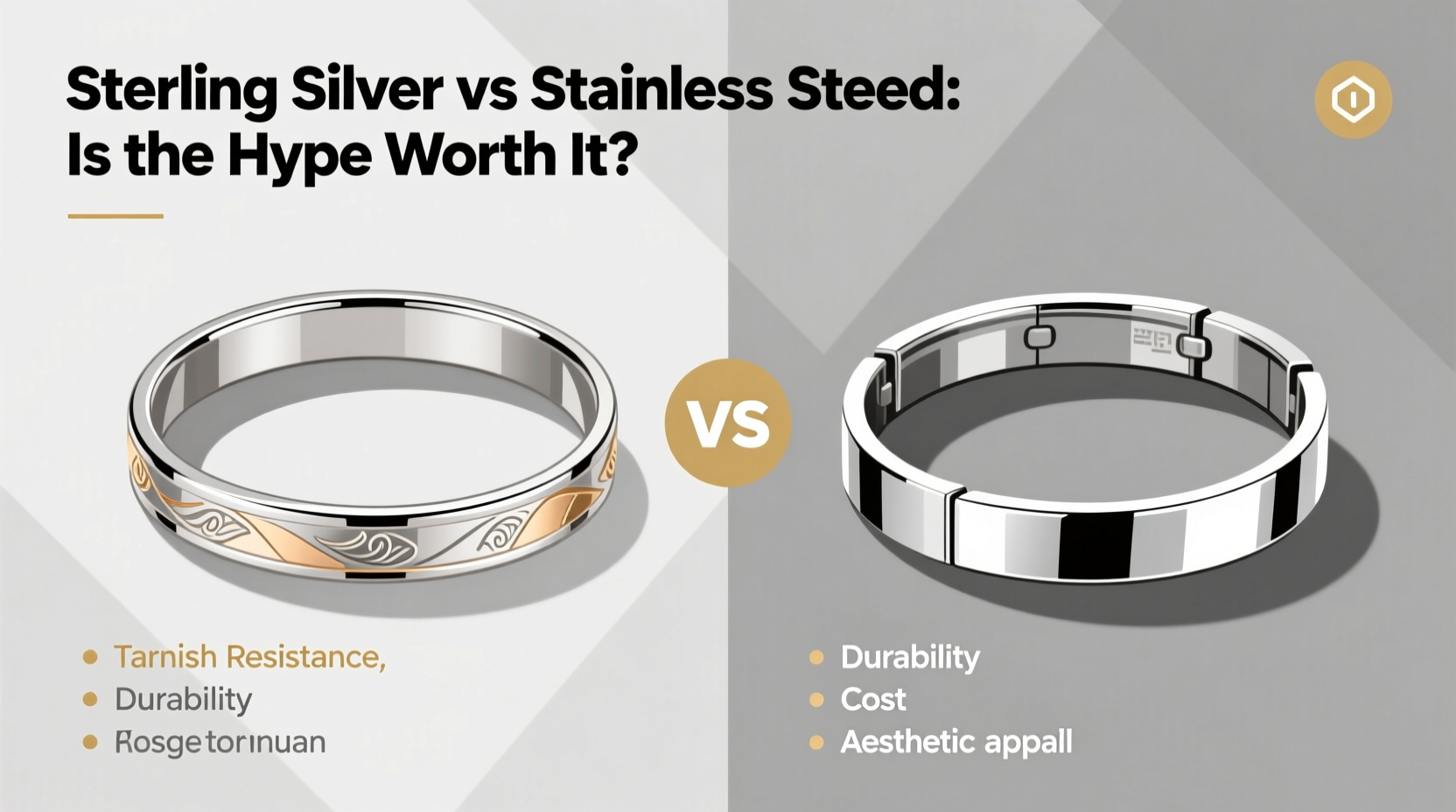
When evaluating jewelry, longevity isn’t just about how long a piece lasts—it’s about how well it maintains its appearance over time.
Sterling silver, composed of 92.5% pure silver and 7.5% alloy (usually copper), is relatively soft. This makes it prone to scratches, dents, and tarnishing when exposed to moisture, sulfur, or air pollutants. Over months of regular wear, especially with active lifestyles, a silver bracelet will develop a patina—some appreciate this as character, others see it as deterioration.
In contrast, stainless steel is an alloy primarily made of iron, chromium, and nickel. Its hardness resists scratches and corrosion far better than silver. It won’t tarnish, discolor, or degrade under normal conditions. A stainless steel bracelet can survive daily wear—gym sessions, beach outings, even minor impacts—without losing its luster.
Tip: If you lead an active life or work with your hands, stainless steel is less likely to show wear and require maintenance.Appearance and Style: Tradition vs Modern Edge
Aesthetic preference plays a major role in jewelry selection. Sterling silver has a warm, luminous shine that complements both casual and formal attire. It pairs beautifully with gemstones and intricate designs, making it a favorite for heirloom pieces and engraved bracelets. Over time, its natural tendency to tarnish can be polished back to brilliance—or left to develop a vintage look.
Stainless steel, meanwhile, has a cooler, more industrial gleam. It’s often associated with modern minimalism, men’s fashion, and sporty designs. While it lacks the organic warmth of silver, it holds a consistent polish and can be brushed, matte, or mirror-finished to suit different tastes.
“Silver has soul. It changes with you, reflecting your journey. Steel stays constant—reliable, unyielding.” — Lena Torres, Contemporary Jewelry Designer
If you value evolving beauty and emotional resonance, silver may appeal more. If you prefer consistency and low visual maintenance, steel delivers.
Cost Comparison: Upfront Price vs Long-Term Value
At first glance, stainless steel wins on price. A basic steel bracelet might cost $15–$40, while a comparable sterling silver piece ranges from $50 to $150 or more. The difference lies in material value and craftsmanship expectations.
But cost isn’t only about purchase price—it’s also about upkeep and lifespan. Silver requires periodic polishing, anti-tarnish storage, and occasional professional cleaning. Neglect it, and it may lose appeal quickly. Stainless steel demands almost no maintenance beyond occasional soap-and-water washing.
| Feature | Sterling Silver | Stainless Steel |
|---|---|---|
| Base Cost | $50–$200+ | $15–$60 |
| Tarnish Resistance | Poor (requires care) | Excellent |
| Scratch Resistance | Moderate to Low | High |
| Hypoallergenic Options | Varies (nickel alloys possible) | Yes (surgical grade available) |
| Maintenance Needs | Regular polishing, proper storage | Occasional wipe-down |
Health and Skin Compatibility
Skin sensitivity is a real concern. Sterling silver is generally safe, but the copper or nickel in its alloy mix can cause reactions in some individuals. Tarnish itself—silver sulfide—can leave black marks on skin, which, while harmless, can be unsightly.
High-quality stainless steel, particularly grades 316L or surgical steel, is highly hypoallergenic and resistant to corrosion from sweat or water. This makes it ideal for people with sensitive skin or those who wear jewelry constantly.
Tip: Look for “nickel-free” or “surgical-grade stainless steel” if you have metal sensitivities.Real-Life Example: Choosing for Lifestyle
Consider Sarah, a nurse who wears her bracelet every shift. She started with a delicate sterling silver chain engraved with her children’s names. Within three months, it had dulled, scratched, and developed dark spots from frequent handwashing and sanitizer exposure. Frustrated, she switched to a brushed stainless steel bangle. Two years later, it looks nearly new—no polishing, no special care, just occasional cleaning with mild soap.
Then there’s James, a collector of artisan jewelry. He values the craftsmanship and emotional weight of his silver cuff, passed down from his grandfather. He stores it in an anti-tarnish pouch, polishes it quarterly, and wears it only on special occasions. For him, the ritual of care enhances its meaning.
Their choices aren’t about which material is “better”—they reflect different priorities.
Care and Maintenance Guide
How you care for your bracelet determines its lifespan and appearance.
- For Sterling Silver:
- Wipe after each wear with a soft cloth.
- Store in an airtight bag with anti-tarnish strips.
- Use a silver polishing cloth monthly.
- Avoid contact with perfume, lotion, chlorine, or saltwater.
- For Stainless Steel:
- Rinse with warm water and mild soap weekly.
- Dry thoroughly with a soft towel.
- Buff with a microfiber cloth to restore shine.
- Even in seawater or pools, it remains unaffected—just rinse afterward.
“Many customers assume silver is higher quality because it’s pricier. But for daily wear, steel often performs better.” — Marcus Lin, Owner, Urban Chain Jewelry Co.
FAQ: Common Questions Answered
Can I wear sterling silver every day?
You can, but expect signs of wear. Daily exposure to air, moisture, and chemicals accelerates tarnishing and scratching. If you choose to wear silver daily, commit to regular maintenance or accept a lived-in look.
Does stainless steel look cheap compared to silver?
Not inherently. Well-designed stainless steel pieces with quality finishes (e.g., brushed, polished, or PVD-coated) can appear luxurious. The perception of “cheapness” often comes from poorly made budget items, not the material itself.
Will stainless steel rust?
No, true stainless steel will not rust. It contains chromium, which forms a protective oxide layer. However, extremely harsh environments (like prolonged exposure to bleach or salt without rinsing) can compromise lower grades. Stick to 304 or 316 stainless steel for best results.
Final Verdict: Is the Hype Around Silver Worth It?
The hype around sterling silver is rooted in history, emotion, and cultural value—not necessarily performance. It’s cherished for its beauty, malleability, and connection to heritage. If you appreciate fine details, sentimental significance, and don’t mind investing time in upkeep, sterling silver is absolutely worth it.
But if your priority is a piece that looks great year after year with zero effort, resists damage, and fits a budget, stainless steel is the smarter, more resilient choice. It’s not about replacing silver—it’s about matching material to lifestyle.
Ultimately, the best bracelet isn’t the most expensive or traditional one. It’s the one that aligns with how you live, what you value, and how you want to express yourself.
🚀 Ready to choose with confidence? Assess your daily routine, skin sensitivity, and aesthetic goals. Then pick the metal that serves you—not just the one that shines the brightest at first glance.








