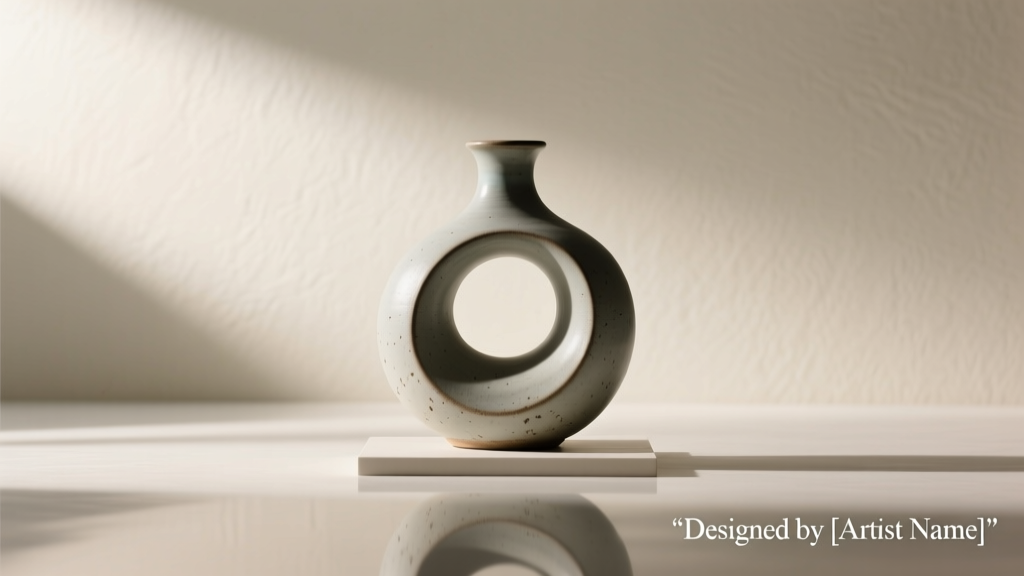
Types of Ceramic Soup Pots
A ceramic soup pot is a specialized cooking vessel designed for preparing soups, stews, broths, and slow-simmered dishes. Valued for their excellent heat retention, even heat distribution, and non-reactive cooking surface, ceramic pots preserve flavors and nutrients while enhancing the depth of your culinary creations. These pots are ideal for both everyday meals and gourmet cooking, offering a blend of functionality and aesthetic appeal. Below is a detailed breakdown of the most common types of ceramic soup pots available today.
Traditional Ceramic Pots
Made from natural clay and fired at moderate temperatures, traditional ceramic soup pots offer a rustic, artisanal charm. Their thick walls provide excellent heat retention, making them perfect for slow simmering and maintaining consistent temperatures over long cooking periods.
Advantages
- Superior heat retention for slow cooking
- Natural, non-toxic material
- Aesthetically pleasing with handcrafted designs
- Chemical-free cooking surface
Limitations
- Not suitable for oven or microwave use
- More fragile than stoneware or metal-reinforced ceramics
- Limited compatibility with induction cooktops
Best for: Gas, electric, and ceramic cooktops; ideal for slow-simmered soups and rustic kitchens
Glazed Ceramic Pots
These pots feature a smooth, glass-like coating applied over the clay body. The glaze enhances durability, prevents staining, and creates a non-porous surface that resists food absorption and odor retention, making them hygienic and easy to clean.
Advantages
- Stain and odor resistant
- Dishwasher and microwave safe
- Bright, colorful finishes with modern appeal
- Easy to clean and maintain
Limitations
- Glaze can chip if mishandled
- Potential for lead content in low-quality glazes (ensure food-safe certification)
- Slightly reduced heat retention compared to unglazed ceramics
Best for: Everyday use, induction cooktops (if compatible), reheating, and families seeking convenience
Stoneware Soup Pots
Fired at very high temperatures, stoneware pots are denser and more durable than standard ceramic. Their robust construction makes them resistant to thermal shock, ideal for transitioning from stovetop to oven or freezer.
Advantages
- High durability and chip resistance
- Oven, microwave, and dishwasher safe
- Excellent heat retention and even cooking
- Suitable for all common cooktops including induction (model-dependent)
Limitations
- Heavier than other ceramic types
- Higher price point
- Limited artisanal variation due to mass production
Best for: Versatile cooking—stovetop to oven use; perfect for casseroles, soups, and batch cooking
Handmade Ceramic Pots
Crafted by skilled artisans using traditional pottery techniques, each handmade soup pot is a unique piece of functional art. These pots often feature organic shapes, custom glazes, and cultural design elements.
Advantages
- One-of-a-kind aesthetic and personal touch
- Supports artisan craftsmanship and sustainable production
- Often made with natural, eco-friendly materials
- Can be customized to specific needs or preferences
Limitations
- Higher cost due to labor-intensive process
- Variability in thickness and heat performance
- May require hand washing and careful handling
Best for: Gourmet kitchens, gift giving, and those who value craftsmanship and individuality
Modern Ceramic Pots with Metal Bases
Engineered for maximum compatibility, these hybrid pots combine a ceramic interior with a conductive metal base (often aluminum or stainless steel with magnetic layer). This design ensures rapid, even heating across all heat sources, including induction.
Advantages
- Induction-compatible and energy efficient
- Even heat distribution without hot spots
- Durable construction with long-lasting performance
- Retains the non-reactive benefits of ceramic cooking
Limitations
- More expensive than standard ceramic pots
- Metal base may wear over time if not properly maintained
- Slightly less traditional appearance
Best for: Modern kitchens with induction cooktops; ideal for busy households needing reliable, multi-functional cookware
| Type | Heat Retention | Durability | Cooktop Compatibility | Oven/Microwave Safe | Best For |
|---|---|---|---|---|---|
| Traditional Ceramic | Excellent | Fair | Gas, Electric, Ceramic | No | Slow-simmered soups, rustic cooking |
| Glazed Ceramic | Good | Good | Gas, Electric, Induction* | Yes | Daily use, easy cleanup, colorful kitchens |
| Stoneware | Excellent | Excellent | Gas, Electric, Induction*, Oven-safe | Yes | Versatile cooking, oven-to-table serving |
| Handmade Ceramic | Very Good | Good | Gas, Electric, Ceramic | Varies by artisan | Artistic kitchens, unique gift items |
| Modern (Metal Base) | Good | Excellent | All, including Induction | Check manufacturer specs | Induction users, high-performance cooking |
Expert Tip: Always check for food-safe certification (such as FDA compliance or lead-free labeling) when purchasing glazed or handmade ceramic cookware to ensure your pot is safe for long-term use with acidic foods like tomato soup or broth-based stews.
Designs of Ceramic Soup Pots: Aesthetic and Functional Varieties
Ceramic soup pots are more than just cooking vessels—they blend artistry with utility, making them essential in both traditional and modern kitchens. Available in a wide array of designs, these pots cater to diverse culinary preferences, kitchen decors, and serving styles. Whether you're preparing a hearty stew or hosting a dinner party, choosing the right ceramic soup pot design enhances both the cooking experience and presentation.
Popular Ceramic Soup Pot Design Styles
Classic Design
The classic ceramic soup pot features clean, elegant lines and subtle detailing that stand the test of time. Typically finished in neutral tones like white, cream, or soft beige, these pots are glazed for durability and easy cleaning. Their minimalist elegance makes them a seamless fit in any kitchen—be it vintage, contemporary, or transitional.
Ideal for everyday use and formal dining alike, classic-designed pots are often used not only for cooking but also for direct table serving, adding a refined touch to soups, broths, and chowders without overpowering the meal’s presentation.
Floral Design
Floral-patterned ceramic soup pots bring charm and warmth to the kitchen. These pieces often showcase hand-painted blossoms—such as roses, daisies, or cherry blossoms—in vibrant or pastel hues. The intricate detailing reflects artisan craftsmanship and adds a touch of nature-inspired beauty.
Perfect for rustic, cottage-style, or country kitchens, floral designs elevate the visual appeal of your dining table. They’re especially popular during spring and holiday gatherings, where aesthetics play a key role in setting a welcoming atmosphere.
Geometric Design
For lovers of modern and minimalist aesthetics, geometric-designed ceramic soup pots offer sharp lines, symmetrical patterns, and bold color contrasts. Think angular motifs, chevrons, or abstract shapes in black-and-white or contemporary color palettes.
These pots complement sleek, urban kitchens with stainless steel appliances and modern décor. Beyond their visual impact, geometric designs often reflect a fusion of function and form, with ergonomic handles and lids that enhance usability while maintaining a stylish profile.
Rustic Design
Rustic ceramic soup pots celebrate the beauty of imperfection. Featuring hand-crafted textures, irregular shapes, and earthy glazes in terracotta, olive green, or deep brown, these pots evoke a farmhouse or artisanal feel.
Often made using traditional pottery techniques, they’re ideal for homes with a cozy, lived-in aesthetic. Their organic appearance pairs well with wooden utensils and natural table settings, making them a favorite for slow-cooked meals and family-style dining.
Multi-Purpose Design
Engineered for versatility, multi-purpose ceramic soup pots are designed to transition seamlessly from stovetop to oven to table. Many come with removable lids, heat-resistant handles, and durable glazes that resist staining and thermal shock.
These pots double as casserole dishes, serving bowls, or even storage containers, making them a practical choice for small kitchens or busy households. Their functional design supports meal prep, cooking, serving, and leftovers—all with a single, stylish vessel.
Design Comparison Table
| Design Type | Best For | Key Features |
|---|---|---|
| Classic | All kitchen styles, formal serving | Neutral colors, smooth finish, timeless elegance |
| Floral | Cottage, vintage, seasonal décor | Hand-painted patterns, romantic appeal |
| Geometric | Modern, minimalist kitchens | Bold shapes, contrasting colors, sleek lines |
| Rustic | Farmhouse, country-style homes | Earthy tones, textured surfaces, artisan look |
| Multi-Purpose | Everyday cooking and serving | Durable, oven-safe, often with detachable parts |
Choosing the Right Design for Your Needs
Note: Always verify that your ceramic soup pot is oven-safe and compatible with your stovetop (e.g., induction, gas, electric). Avoid sudden temperature changes to prevent cracking. Handwashing is recommended for intricately designed or hand-painted pots to preserve their appearance over time.
Usage Scenarios of Ceramic Soup Pots
Ceramic soup pots are highly versatile kitchen essentials prized for their even heat distribution, aesthetic appeal, and durability. Their ability to retain heat and enhance flavor makes them ideal for a wide range of culinary applications across both commercial and home settings. From professional kitchens to family dinner tables, ceramic soup pots play a central role in preparing, serving, and even marketing delicious, hearty meals.
Commercial Food Service
In professional culinary environments, ceramic soup pots are indispensable for preparing large volumes of soups, stews, sauces, and broths with consistent quality and flavor.
- Fine Dining Restaurants: Chefs use high-quality ceramic pots to craft delicate, slow-simmered dishes like lobster bisque, wild mushroom velouté, or French onion soup, where precise temperature control enhances depth of flavor.
- Cafeterias & Buffets: Institutions such as corporate cafeterias, university dining halls, and hotel buffets rely on large-capacity ceramic pots to keep soups warm and visually appealing for extended service periods.
- Catering & Food Trucks: Portable and heat-retentive, ceramic pots are perfect for on-site presentations and mobile food service, allowing caterers to serve gourmet soups directly from the pot.
- Hospitals & Nursing Homes: These facilities use ceramic cookware to prepare nutritious, easy-to-digest meals like chicken broth, vegetable stew, or cream-based soups for patients and residents.
Key benefit: Ceramic retains heat longer than metal, reducing the need for reheating and maintaining ideal serving temperatures.
Food Processing & Retail
Beyond direct cooking, ceramic soup pots are used in the development and small-batch production of artisanal food products.
- Artisanal Food Production: Small-batch sauce and soup makers use ceramic pots for slow-cooking recipes that preserve natural flavors and textures, often used in farm-to-table brands and gourmet product lines.
- Farmers' Markets & Specialty Stores: Vendors use ceramic pots to prepare and serve samples, enhancing presentation and reinforcing the handmade, organic image of their products.
- Meal Kit Services: Many subscription-based meal kits include recipes designed specifically for one-pot cooking. Ceramic-safe instructions and portioned ingredients allow customers to create restaurant-quality soups and stews at home with minimal cleanup.
- Product Development: Culinary R&D teams use ceramic cookware to test flavor profiles and consistency, as the material doesn’t react with acidic ingredients like tomatoes or wine.
Pro tip: Non-reactive ceramic surfaces preserve the integrity of delicate ingredients, making them ideal for acidic or dairy-based recipes.
Home Cooking & Family Meals
In households, ceramic soup pots are cherished for their functionality, safety, and timeless design—perfect for everyday cooking and special gatherings alike.
- Comfort Food Preparation: Ideal for making hearty dishes like beef chili, Hungarian goulash, lentil stew, or clam chowder, where slow, even cooking develops rich, complex flavors.
- One-Pot Meals: Simplify cooking and cleanup by combining ingredients directly in the pot—great for busy families and meal prepping.
- Baking & Casseroles: Oven-safe ceramic pots double as baking dishes for pot roasts, casseroles, and even bread puddings or baked pasta dishes.
- Serving & Presentation: Move seamlessly from stovetop to table, using the same pot for cooking and serving—adding warmth and rustic charm to family dinners or dinner parties.
Family favorite: Ceramic pots are non-toxic and free from harmful coatings, making them a safe choice for cooking meals for children and sensitive eaters.
Educational & Community Use
Ceramic soup pots are also valuable tools in teaching and community-based food programs.
- Cooking Schools: Instructors use ceramic cookware to teach students about heat management, flavor layering, and the importance of using non-reactive materials in sauce-making.
- School Nutrition Programs: Schools use ceramic-style thermal pots to keep soups and stews warm during lunch service, ensuring students receive hot, nourishing meals.
- Community Kitchens & Food Banks: Volunteers use durable ceramic or ceramic-coated pots to prepare large quantities of food efficiently and safely, supporting food security initiatives.
- Cultural Events: Used in festivals and cultural demonstrations to prepare traditional dishes like pho, borscht, or caldo verde, highlighting heritage cooking methods.
Community impact: Durable, reusable ceramic pots support sustainable food practices and reduce reliance on disposable serving containers.
Expert Insight: When selecting a ceramic soup pot for any setting, look for oven-safe, lead-free, and thermally shock-resistant models. High-quality glazing ensures durability and prevents cracking during temperature changes. For commercial use, consider induction-compatible bases for modern kitchen setups. In home kitchens, choose sizes that match your typical serving needs—4–6 quart pots are ideal for families of 4–6 people.
| Usage Setting | Common Applications | Recommended Pot Features | Benefits |
|---|---|---|---|
| Restaurants & Catering | Lobster bisque, consommé, gourmet stews | Oven-to-table, heavy-duty, large capacity (6+ quarts) | Professional presentation, heat retention, durability |
| Hospitals & Care Facilities | Nutritious broths, pureed soups, low-sodium stews | Non-reactive, easy-clean glaze, moderate size (3–5 quarts) | Safety, flavor preservation, gentle on digestion |
| Home Kitchens | Chili, pot roasts, baked pasta, one-pot meals | Multifunctional, induction-safe, 4–6 quart capacity | Versatility, aesthetic appeal, family-friendly |
| Artisanal & Retail | Small-batch sauces, ready-to-serve soups, meal kits | Food-safe glaze, stackable, portion-controlled sizes | Brand image, shelf appeal, consistency in production |
Additional Considerations
- Heat Retention: Ceramic excels at maintaining consistent temperatures, keeping food warm for serving and reducing energy use.
- Aesthetic Value: Available in a variety of colors and finishes, ceramic pots enhance table settings and brand presentation.
- Sustainability: Long-lasting and recyclable, ceramic pots are an eco-friendly alternative to disposable or short-lived cookware.
- Care & Maintenance: Avoid sudden temperature changes and use wooden or silicone utensils to prevent scratching the glaze.
- Flavor Enhancement: The porous nature of ceramic can absorb flavors over time, enriching slow-cooked dishes with deeper taste profiles.
How to Choose the Perfect Ceramic Soup Pot: A Complete Buyer’s Guide
Selecting the right ceramic soup pot is more than just a matter of appearance—it's about balancing durability, functionality, and aesthetics to suit your cooking style and kitchen setup. Whether you're simmering hearty stews, preparing broths, or serving meals directly at the table, a high-quality ceramic pot can elevate both the cooking process and dining experience. This comprehensive guide breaks down the six essential factors to consider when choosing a ceramic soup pot, helping you make an informed decision that ensures long-term satisfaction and performance.
Important Note: Not all ceramic cookware is created equal. Some are oven-safe only, while others can be used on stovetops. Always check manufacturer guidelines to avoid thermal shock, cracking, or damage from incompatible heat sources.
1. Material and Durability: Build Quality Matters
The longevity of your ceramic soup pot depends heavily on the type of clay used and the craftsmanship involved. There are two primary categories of ceramic construction: durable, high-fired ceramics and more delicate, low-fired varieties.
- Stoneware and Porcelain: These are the most resilient types of ceramic cookware. Fired at high temperatures, they are dense, chip-resistant, and less porous, making them ideal for everyday use.
- Earthenware: Softer and more porous, earthenware is typically less durable and more prone to chipping or cracking under thermal stress. Best suited for oven or decorative use.
- Glazed vs. Unglazed: A well-fused glaze acts as a protective barrier, sealing the clay and preventing moisture absorption, staining, and bacterial growth. Look for pots with smooth, non-porous glazes that resist scratching and chipping. Unglazed ceramics require more maintenance and are generally not recommended for stovetop use.
- Wall Thickness: Thicker walls enhance durability and improve heat retention. However, overly thin pots may crack under rapid temperature changes.
2. Size and Capacity: Match Your Cooking Needs
Choosing the right size ensures efficiency and convenience in both cooking and storage.
- For Families or Meal Prepping: Opt for a 4–6 quart pot if you frequently cook large batches or enjoy leftovers.
- For Individuals or Couples: A 2–3 quart pot is more practical and easier to store.
- Counter and Storage Space: Measure your available cabinet or stovetop space before purchasing. Oversized pots can be cumbersome and difficult to store.
- Lid Fit: Ensure the lid fits snugly to trap moisture and heat, enhancing flavor development and reducing evaporation.
3. Heat Retention and Distribution: Efficiency and Even Cooking
Ceramic excels in heat retention, making it excellent for slow-simmering soups and stews.
- Superior Heat Retention: Once heated, ceramic maintains a consistent temperature, allowing you to reduce burner heat and save energy while keeping food warm.
- Even Heat Distribution: Look for pots with flat, thick bases and uniform wall thickness to prevent hot spots that can lead to scorching or uneven cooking.
- Thermal Shock Resistance: Avoid sudden temperature changes (e.g., placing a cold pot on a hot burner). Choose ceramics labeled as "thermal shock resistant" for added safety.
4. Design and Aesthetics: Form Meets Function
A ceramic soup pot often doubles as serving ware, so its appearance matters.
- Style Options: Choose from rustic, handcrafted designs with earthy tones or sleek, modern finishes in white, gray, or bold colors.
- Serving Appeal: A beautifully glazed pot can go directly from stove to table, enhancing presentation and impressing guests.
- Handle Design: Ergonomic, heat-resistant handles make lifting and serving safer and more comfortable.
- Lid Design: Glass lids allow you to monitor cooking without lifting, while ceramic lids provide better insulation.
5. Compatibility with Heat Sources: Know Your Stove
Not all ceramic pots are suitable for all cooking surfaces.
- Gas and Electric Stoves: Most ceramic pots are compatible, provided they have a flat bottom for even contact.
- Induction Cooktops: Standard ceramic pots are not magnetic and will not work. Look for models with an induction-compatible base (often reinforced with metal).
- Oven and Broiler Use: Confirm the pot is oven-safe and check the maximum temperature rating (typically 350°F–500°F).
- Dishwasher and Microwave Safety: While some glazed ceramics are dishwasher-safe, hand-washing is recommended to preserve the finish. Most are not microwave-safe due to potential glaze metals.
Caution: Never place a ceramic pot on a direct flame unless explicitly labeled as flameproof. Sudden high heat can cause cracking or shattering.
6. Maintenance and Care: Longevity Through Proper Use
Proper care extends the life of your ceramic cookware.
- Cleaning: Hand-washing with mild soap and a soft sponge is best. Avoid abrasive scrubbers that can damage the glaze.
- Dishwasher Use: Only if labeled dishwasher-safe. Over time, harsh detergents and high heat can dull or erode the glaze.
- Stain Prevention: Soak the pot after cooking to prevent stubborn stains, especially from tomato-based or turmeric-rich soups.
- Storage: Store with a soft cloth between stacked pieces to prevent scratching.
- Avoid Thermal Shock: Do not add cold liquid to a hot pot or place a hot pot on a cold surface.
| Feature | Recommended Choice | Avoid If… | Best For |
|---|---|---|---|
| Material | Stoneware or porcelain | Thin earthenware or unglazed clay | Daily cooking, stovetop use |
| Size | 3–5 quarts (average household) | Overly large or undersized | Balanced cooking and storage |
| Heat Source | Flat-bottomed, multi-source compatible | No induction rating when needed | Modern kitchens with varied stoves |
| Cleaning | Dishwasher-safe glaze (optional) | Fragile finishes requiring hand-wash only | Busy households |
| Aesthetics | Attractive, table-ready design | Dull or mismatched style | Serving directly at dinner table |
Pro Tip: Season new unglazed ceramic pots by boiling rice water or milk in them before first use. This helps seal microscopic pores and improves durability and non-stick properties.
Final Recommendations
- Always read product specifications for heat limits, compatibility, and care instructions.
- Invest in a high-quality pot—it may cost more upfront but will last years with proper care.
- Choose a brand with a reputation for craftsmanship and safety testing.
- Consider a pot with a warranty or return policy in case of defects.
- If using for slow cooking, pair your ceramic pot with a diffuser on electric stoves for even heating.
By carefully evaluating material, size, heat performance, design, compatibility, and maintenance, you can select a ceramic soup pot that combines beauty, functionality, and resilience. Whether you're a home cook or a culinary enthusiast, the right pot will become a cherished kitchen staple, perfect for creating comforting meals and memorable dining experiences.
Frequently Asked Questions About Ceramic Soup Pots
Q1: Can ceramic soup pots be used in ovens and microwaves?Yes, most ceramic soup pots are designed to be both oven-safe and microwave-safe, making them versatile for cooking, reheating, and serving. However, not all ceramic cookware is created equal—some may crack or shatter under high heat or rapid temperature changes.
- Oven Use: Ensure the ceramic pot is labeled as oven-safe. Most high-quality ceramic pots can withstand temperatures up to 350°F–500°F (175°C–260°C), but always verify the maximum temperature limit.
- Microwave Use: Ceramic is generally microwave-friendly, but avoid pots with metallic trims, glazes, or decorative elements, as these can spark or overheat.
- Thermal Shock: Never place a cold ceramic pot directly into a hot oven or microwave. Allow it to reach room temperature first to prevent cracking due to thermal stress.
- Manufacturer Guidelines: Always consult the product manual or manufacturer’s website for specific usage instructions and safety warnings.
When in doubt, look for labels such as “oven-safe,” “microwave-safe,” or “thermal shock resistant” to ensure safe usage across different appliances.
Q2: How should one store leftover soup in a ceramic pot?Proper storage of leftover soup in a ceramic pot is essential for both food safety and the longevity of your cookware. Follow these steps to store soup safely:
- Cool Before Storing: Let the soup cool to room temperature (within 2 hours of cooking) to prevent condensation and bacterial growth. Do not leave soup out for more than 2 hours (1 hour if room temperature exceeds 90°F/32°C).
- Refrigerate Promptly: Once cooled, cover the ceramic pot with its lid or transfer the soup to an airtight glass or plastic container. Place it in the refrigerator as soon as possible.
- Storage Duration: Consume refrigerated soup within 3–4 days to ensure freshness and minimize the risk of foodborne illness.
- Avoid Long-Term Storage in Ceramic: While short-term refrigeration is safe, avoid storing acidic soups (like tomato-based ones) in ceramic pots for extended periods, as they may leach minerals from the glaze over time.
- Freezing Tip: If you plan to freeze soup, transfer it to a freezer-safe container. Most ceramic pots are not freezer-safe and may crack due to expansion during freezing.
Labeling containers with dates helps track freshness, and reheating soup to at least 165°F (74°C) ensures it’s safe to consume.
Q3: Can ceramic soup pots be used on induction cooktops?No, standard ceramic soup pots are not compatible with induction cooktops because induction technology relies on magnetic fields to generate heat, and pure ceramic is non-magnetic.
- Induction Requirement: For a pot to work on an induction stove, it must have a magnetic base—typically made of iron or stainless steel.
- Hybrid Ceramic Pots: Some modern ceramic pots come with an encapsulated base made of magnetic stainless steel or aluminum, allowing them to be used on induction cooktops. Look for labels like “induction-ready” or “compatible with all stovetops.”
- Simple Test: To check compatibility, hold a magnet to the bottom of the pot. If it sticks firmly, the pot will likely work on induction.
- Heat Distribution: Even if compatible, ceramic heats more slowly than metal, so adjust cooking times accordingly and avoid high heat settings to prevent cracking.
If you own an induction cooktop, consider investing in ceramic-coated pots with induction-safe bases for the best of both worlds: non-stick performance and compatibility with modern stoves.
| Cooktop Type | Standard Ceramic Pot | Ceramic Pot with Induction Base |
|---|---|---|
| Gas | Yes – Suitable | Yes – Suitable |
| Electric Coil | Yes – Suitable | Yes – Suitable |
| Induction | No – Not Compatible | Yes – With Magnetic Base |
| Halogen | Limited – Risk of Thermal Shock | Limited – Use with Caution |
Always refer to the manufacturer’s specifications before using any ceramic cookware on a new stovetop to avoid damage and ensure safe operation.









