
When summer heat rolls in, choosing the right shirt can make the difference between feeling refreshed and constantly battling sweat and discomfort. Two fabrics dominate the conversation: silk and cotton. Silk is often praised for its luxurious drape and cooling properties, while cotton remains a staple for its breathability and affordability. But when it comes to staying cool and comfortable in high temperatures, which fabric truly delivers? This article breaks down the science, practicality, and real-world performance of silk versus cotton shirts during summer months.
The Science of Heat and Fabric
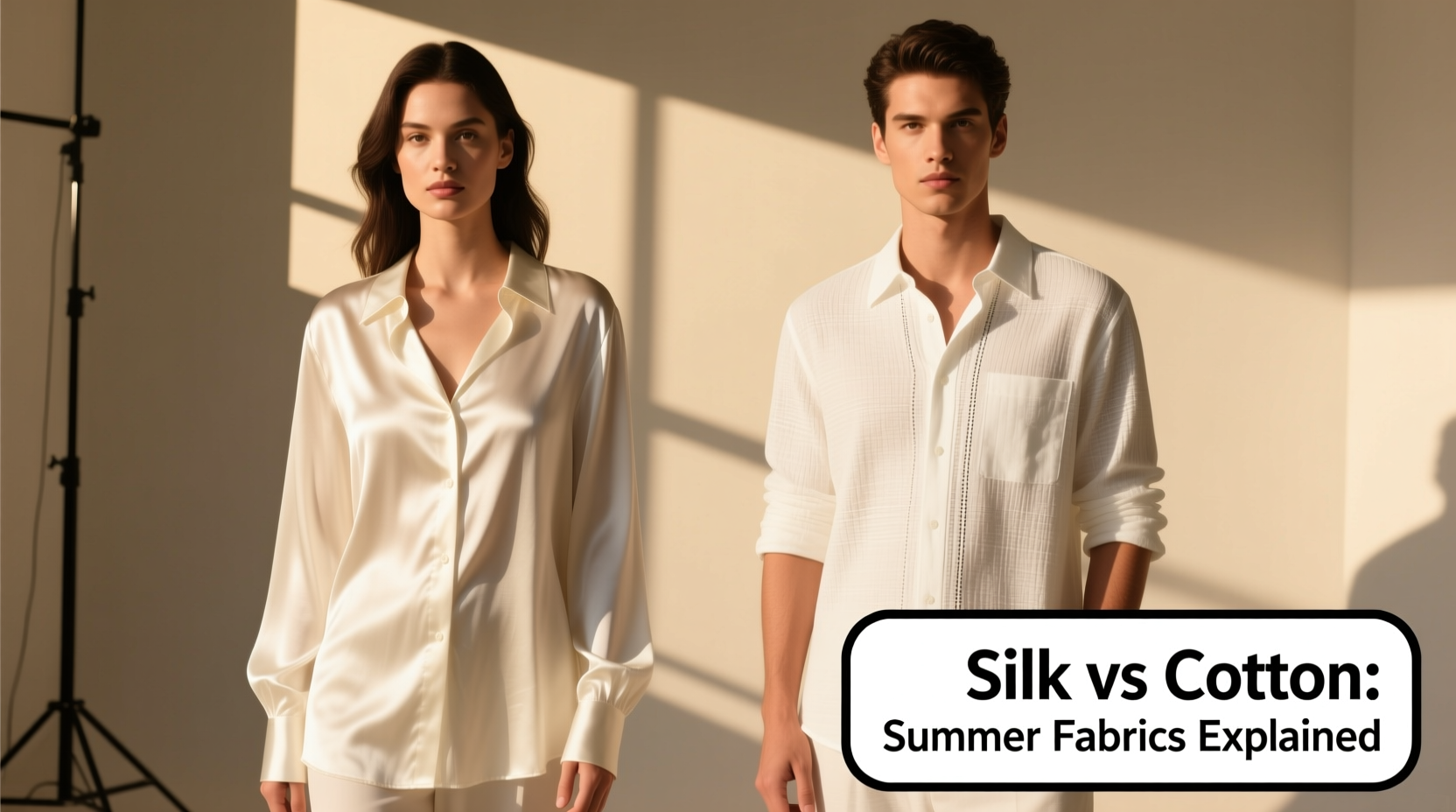
Fabric performance in hot weather depends on several factors: thermal conductivity, moisture wicking, breathability, weight, and how the material interacts with your skin. Cotton, a natural cellulose fiber, is highly breathable and absorbs moisture well—up to 27% of its weight before feeling damp. This makes it effective at pulling sweat away from the skin, where it can evaporate and cool the body.
Silk, by contrast, is a protein fiber produced by silkworms. It has lower absorbency than cotton (about 11%), but it conducts heat more efficiently. This means silk transfers body heat away faster, giving an immediate cooling sensation upon contact. Its smooth surface also reduces friction against the skin, making it less likely to cause irritation in humid conditions.
“Silk’s natural temperature regulation comes from its molecular structure—it responds dynamically to changes in body heat.” — Dr. Lena Zhou, Textile Scientist, Royal School of Design
Comfort and Wearability in Summer
In direct sunlight and high humidity, both fabrics behave differently. Cotton tends to absorb sweat quickly, which helps with evaporative cooling—but once saturated, it clings to the skin and takes longer to dry. This can lead to that sticky, heavy feeling common in midday heat.
Silk handles moisture differently. While it doesn’t absorb as much, it wicks moisture efficiently along the fiber surface, allowing quicker evaporation. The result is a fabric that feels drier longer, even during prolonged wear. Additionally, silk’s tight weave offers natural UV protection (UPF ~15–20), whereas cotton typically provides only UPF 5–10 unless specially treated.
Tip: For outdoor summer events, choose tightly woven, light-colored silk shirts—they reflect heat better and resist odor buildup compared to cotton.Comparing Key Features: Silk vs Cotton
| Feature | Silk | Cotton |
|---|---|---|
| Breathability | Moderate to high (depends on weave) | High (especially in open weaves like poplin) |
| Moisture Absorption | ~11% | ~27% |
| Drying Time | Faster | Slower when wet |
| Weight (typical summer shirt) | Light (12–19 momme) | Light to medium |
| UV Protection | Naturally higher (UPF 15–20) | Low unless treated |
| Odor Resistance | Natural antimicrobial properties | Prone to bacterial growth when damp |
| Wrinkle Resistance | Poor – wrinkles easily | Fair – varies by weave |
| Price Range (per shirt) | $80–$300+ | $25–$100 |
Real-World Use Case: A Week in Bangkok
Consider Mark, a business consultant traveling to Bangkok in April, where temperatures average 35°C (95°F) with 70% humidity. He packed two outfits for client meetings: one in lightweight cotton poplin, another in 16-momme mulberry silk.
On day three, after a morning meeting and a 10-minute tuk-tuk ride without air conditioning, Mark noticed his cotton shirt was soaked through, clinging uncomfortably to his back. By afternoon, it had developed a faint sour smell despite using antiperspirant. The silk shirt, worn the next day under similar conditions, stayed visibly drier, didn’t stick to his skin, and showed no odor after eight hours of wear—even without laundering overnight.
Mark concluded that while cotton felt fine initially, silk offered superior comfort and confidence during extended heat exposure. However, he did note that the silk required careful handling—no machine washing, minimal ironing, and separate storage—to maintain its condition.
Care and Longevity: The Hidden Cost Factor
Cotton wins hands-down in maintenance. Most cotton shirts are machine washable, wrinkle-resistant (especially with blends), and durable over hundreds of washes. They tolerate sun drying and don’t degrade significantly from frequent laundering.
Silk demands delicate care. Hand washing or dry cleaning is recommended. Exposure to chlorine, perspiration, and UV light can weaken fibers over time. Ironing must be done on low heat with a protective cloth. Poor care can reduce a silk shirt’s lifespan to just 1–2 years, whereas a quality cotton shirt can last 5+ years with regular use.
- Silk should be stored flat or on padded hangers to prevent stretching
- Never use enzymatic detergents on silk—they break down protein fibers
- Cotton benefits from occasional deep washing to remove salt buildup from sweat
- Avoid fabric softeners on both—especially silk, as they leave residues
Is Silk Worth the Hype?
For sheer comfort in extreme heat, silk has measurable advantages: faster drying, better heat conduction, natural UV and odor resistance, and a smoother feel against the skin. If you’re attending outdoor weddings, traveling in tropical climates, or working in environments where appearance and freshness matter, silk can be a worthwhile investment.
But for everyday wear, office settings with AC, or budget-conscious consumers, high-quality cotton—particularly long-staple Egyptian or Pima varieties—delivers excellent performance at a fraction of the cost. Modern weaving techniques like gauze weaves or seersucker further enhance cotton’s breathability, closing the comfort gap.
“Cotton is the workhorse of summer fabrics; silk is the specialist. Choose based on your environment, not just aesthetics.” — Rafael Mendez, Menswear Designer & Sustainability Advocate
Checklist: Choosing the Right Summer Shirt
- Evaluate your climate: High humidity favors silk; moderate heat suits cotton.
- Check the weave: Opt for loose weaves (gauze, voile) in cotton or habotai in silk.
- Consider care access: Do you have time or resources for hand washing?
- Assess frequency of wear: Daily use favors durable cotton; occasional luxury moments suit silk.
- Test the touch: Place fabric against your inner wrist—does it feel cool and smooth?
- Look at color: Light colors reflect heat; dark shades absorb it regardless of fabric.
Frequently Asked Questions
Can I wear silk shirts casually in summer?
Yes, but choose casual weaves like silk-cotton blends or crinkled silk. Avoid shiny charmeuse for informal settings. Pair with linen pants or chinos for a balanced look.
Do silk shirts shrink more than cotton?
Untreated silk can shrink up to 8% if washed improperly, while cotton typically shrinks 3–5% on first wash. Pre-washed silk and mercerized cotton minimize this risk.
Are there sustainable alternatives to both?
Yes. Organic cotton and peace silk (ahimsa silk, harvested without killing silkworms) offer ethical options. TENCEL™ and hemp blends are also emerging as eco-friendly, breathable summer fabrics.
Final Verdict: Cotton Is Good, Silk Excels—Under the Right Conditions
Cotton is undeniably good enough for most summer needs. It’s accessible, easy to care for, and performs reliably in warm conditions. But silk isn’t just hype—it delivers tangible benefits in heat management, comfort, and elegance that cotton can’t match. The key is matching the fabric to your lifestyle.
If you prioritize low maintenance and versatility, stick with premium cotton. But if you face intense heat, value freshness, and appreciate luxury details, investing in one or two well-made silk shirts could transform your summer experience.
🚀 Ready to upgrade your summer wardrobe? Try one silk shirt for your next hot-weather event and compare it side-by-side with your favorite cotton. The difference might surprise you.








