Acne affects millions of people worldwide, prompting a constant search for solutions beyond topical creams and prescription treatments. In recent years, silk pillowcases have emerged as a popular lifestyle addition among skincare enthusiasts, influencers, and dermatologists alike. Marketed as a gentle, non-invasive way to support clearer skin, these smooth, luxurious covers are said to reduce friction, retain moisture, and minimize bacterial buildup overnight. But does the evidence back up the claims, or is this another example of beauty marketing capitalizing on placebo appeal?
This article examines the science behind silk pillowcases and acne, evaluates anecdotal experiences, compares them to traditional cotton, and provides practical guidance for those considering the switch. The goal is not to promote a product but to offer an honest, research-backed assessment of whether silk pillowcases deliver measurable benefits for acne-prone skin.
The Science of Skin Friction and Acne
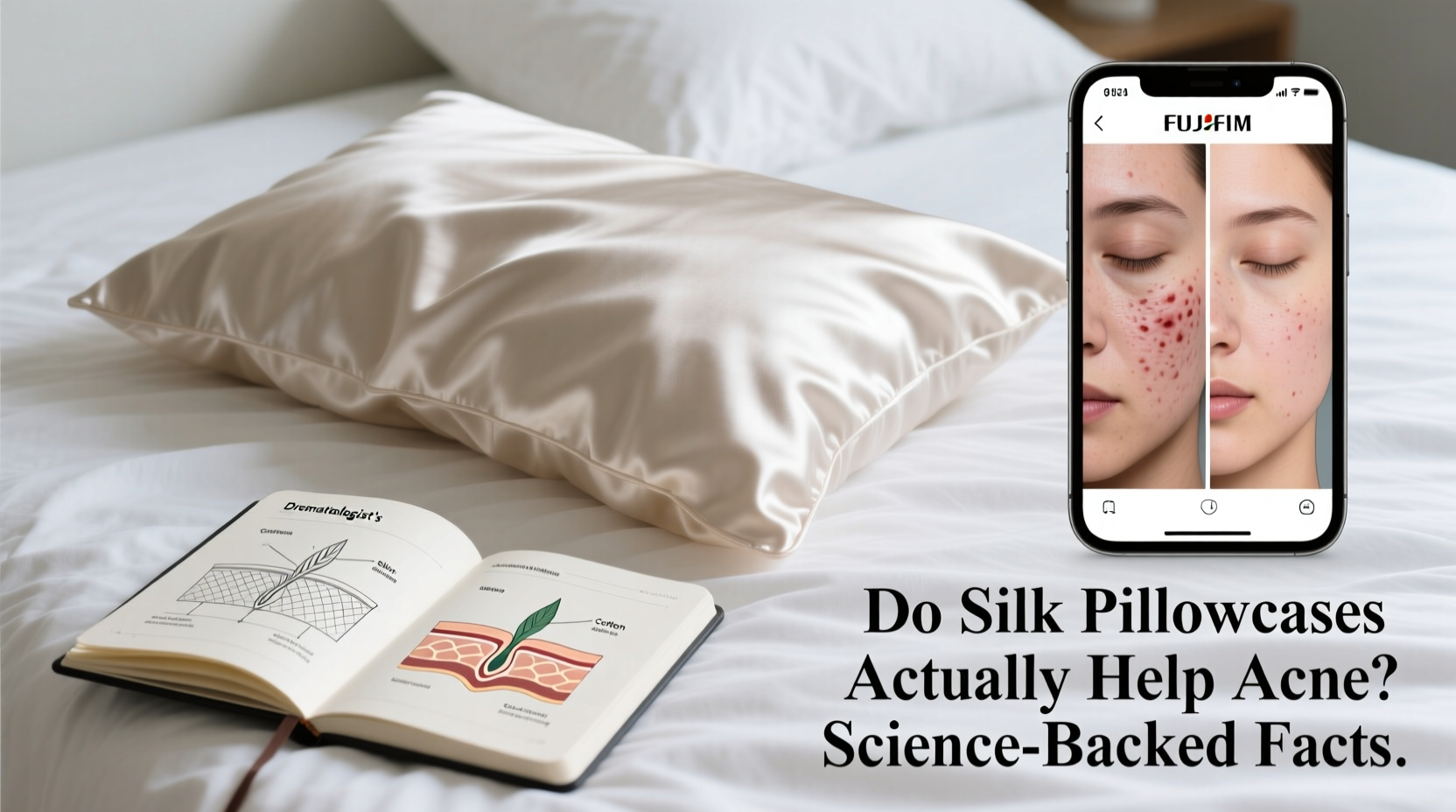
One of the primary arguments in favor of silk pillowcases centers on friction. Cotton, especially lower thread-count varieties, has a coarse texture that can create micro-tears in the skin during sleep. These tiny abrasions may compromise the skin’s natural barrier, leading to increased inflammation and irritation—both of which can exacerbate acne.
Silk, by contrast, is one of the smoothest natural fibers available. Its low coefficient of friction means less pulling and tugging on the skin throughout the night. This reduction in mechanical stress helps preserve the integrity of the epidermis, potentially reducing the risk of clogged pores and inflammatory responses.
A 2016 study published in Aesthetic Surgery Journal compared the effects of silk versus cotton on facial skin hydration and trans-epidermal water loss (TEWL). The results showed that participants using silk pillowcases experienced significantly lower TEWL and better moisture retention over a four-week period. While the study didn’t focus exclusively on acne, improved hydration and reduced irritation are known contributors to a more balanced complexion.
“Reducing nighttime friction can play a supportive role in managing sensitive and acne-prone skin. Silk offers a tangible advantage over cotton in this regard.” — Dr. Lena Patel, Board-Certified Dermatologist
Moisture Retention vs. Oil Buildup
Another factor influencing acne development is moisture balance. Dry skin can trigger the sebaceous glands to overproduce oil in compensation, increasing the likelihood of clogged pores and breakouts. Cotton absorbs moisture aggressively—this includes both sweat and skincare products applied before bed. As a result, active ingredients like retinoids or hyaluronic acid may be partially stripped from the skin by morning.
Silk, being less absorbent, allows serums and moisturizers to remain on the skin rather than soaking into the fabric. This preserves the efficacy of your nighttime skincare routine and supports a more consistent moisture barrier. For individuals using acne treatments that dry out the skin (such as benzoyl peroxide or salicylic acid), this benefit can be particularly valuable.
Tip: If you use prescription acne treatments, pairing them with a silk pillowcase may help reduce irritation caused by dryness and friction.However, it's important to note that silk does not actively treat acne. It doesn’t kill bacteria or unclog pores. Instead, it creates a more favorable environment for skin recovery by minimizing external stressors.
Bacterial and Allergen Considerations
Cotton pillowcases are highly porous and tend to trap oils, dead skin cells, and bacteria over time—even with regular washing. These contaminants can transfer back onto the face, potentially contributing to pore congestion and acne flare-ups. Silk, while not inherently antibacterial, has a tighter weave and smoother surface that makes it harder for microbes and allergens to adhere.
Additionally, high-quality mulberry silk is naturally hypoallergenic and resistant to dust mites, mold, and fungus—common triggers for skin irritation and secondary breakouts. This makes silk a sensible choice for people with sensitive skin or conditions like rosacea that often coexist with acne.
Still, hygiene remains critical. A silk pillowcase must be washed regularly—ideally every three to four days—to prevent any accumulation of residue. Without proper maintenance, even silk can become a breeding ground for bacteria.
Comparison: Silk vs. Cotton Pillowcases for Acne-Prone Skin
| Factor | Silk Pillowcase | Cotton Pillowcase |
|---|---|---|
| Friction Level | Low – smooth fiber reduces skin dragging | High – rougher texture increases irritation |
| Motion Absorption | Minimal – less pulling during sleep | Significant – can tug on skin and hair |
| Moisture Retention | High – retains skincare products on skin | Low – absorbs moisture and serums |
| Bacterial Adhesion | Lower – tighter weave resists buildup | Higher – porous fibers trap oils and germs |
| Allergen Resistance | Naturally hypoallergenic | Can harbor dust mites and mold |
| Wash Frequency Needed | Every 3–4 days | Every 2–3 days |
| Cost (Average) | $30–$80 | $10–$25 |
Real-World Experience: A Case Study
Jessica, a 28-year-old graphic designer from Portland, struggled with persistent chin and jawline acne for over five years. Despite trying various cleansers, toners, and oral medications, her breakouts remained cyclical and frustrating. After reading about silk pillowcases online, she decided to test one for six weeks while keeping all other aspects of her skincare routine unchanged.
She purchased a 22-momme mulberry silk pillowcase and committed to washing it every three days with a mild, fragrance-free detergent. Within two weeks, she noticed her skin felt less tight in the mornings. By week four, the frequency of new pimples had decreased noticeably, and existing lesions healed faster.
“I didn’t expect much,” Jessica said. “But I stopped waking up with that red, irritated patch near my jaw. My moisturizer also seemed to stay on better. It wasn’t a miracle cure, but it definitely helped reduce the daily wear and tear on my skin.”
While individual results vary, Jessica’s experience reflects a common theme among users: silk doesn’t eliminate acne, but it can reduce contributing factors like dryness, friction, and product loss.
Common Misconceptions About Silk and Acne
Despite growing popularity, several myths persist about silk pillowcases and their impact on acne:
- Myth: Silk kills acne-causing bacteria. Fact: Silk does not have antimicrobial properties. While its surface is less hospitable to bacteria than cotton, it still requires regular cleaning.
- Myth: Any satin pillowcase offers the same benefits. Fact: Satin is often made from polyester, a synthetic fiber that traps heat and sweat. Unlike natural silk, polyester satin can increase oil buildup and worsen acne.
- Myth: One night on silk will clear your skin. Fact: Benefits are cumulative. Most users report improvements after several weeks of consistent use.
- Myth: Silk prevents all types of acne. Fact: Silk may help with comedonal (clogged pore) and inflammatory acne linked to irritation, but it won’t address hormonal or cystic acne at the root cause.
How to Choose and Care for a Silk Pillowcase
Not all silk pillowcases are created equal. To maximize potential benefits for acne-prone skin, follow this checklist when selecting and maintaining your pillowcase:
- Choose 100% mulberry silk. Look for labels specifying “Grade A” or “long-fiber” mulberry silk. Avoid blends or synthetic imitations labeled as “silk-like” or “satin.”
- Check the momme weight. Momme (mm) measures silk density. Opt for 19–25 mm for durability and softness. Lower than 19 mm may feel thin and less effective.
- Prioritize a tight, charmeuse weave. This smooth finish minimizes friction and enhances moisture retention.
- Wash gently and frequently. Hand-wash with cold water and a silk-safe detergent, or use the delicate cycle in a mesh laundry bag. Avoid bleach and fabric softeners.
- Dry flat away from direct sunlight. Heat and UV rays can degrade silk fibers over time.
- Replace every 9–12 months. Even with careful care, silk degrades with repeated washing. Signs of wear include dullness, snags, or rough patches.
Frequently Asked Questions
Can silk pillowcases cure acne?
No, silk pillowcases cannot cure acne. They do not target the underlying causes such as hormones, excess sebum production, or bacterial infection. However, they can support acne management by reducing skin irritation, preserving moisture, and minimizing the transfer of oils and bacteria from fabric to face.
Are silk pillowcases worth the cost for acne prevention?
For many people with sensitive or acne-prone skin, the investment is justified. At $30–$80, a high-quality silk pillowcase may last up to a year with proper care. When compared to the cumulative cost of skincare products or dermatologist visits, it represents a relatively low-cost adjunctive measure. If you already use active acne treatments, silk can enhance their effectiveness by preventing product absorption into the pillow.
How soon will I see results?
Most users report subtle improvements within 2–4 weeks. These include softer skin, reduced morning redness, and fewer micro-irritations. Visible reductions in breakouts typically take 6–8 weeks of consistent use, assuming no other changes in skincare or lifestyle.
Final Verdict: Marketing Hype or Genuine Benefit?
The claim that silk pillowcases \"treat\" acne is misleading—and likely driven by marketing. No credible dermatologist would recommend silk as a standalone treatment for moderate to severe acne. However, dismissing silk entirely overlooks its role as a supportive tool in a comprehensive skincare regimen.
The benefits are indirect but meaningful: reduced friction protects the skin barrier, improved moisture retention enhances the performance of topical treatments, and lower bacterial adherence decreases the risk of pore contamination. For individuals dealing with irritation-induced breakouts or sensitivity, these advantages can translate into fewer flare-ups and faster healing.
Ultimately, silk pillowcases are not a cure, but they are far from mere hype. When paired with evidence-based acne care—consistent cleansing, appropriate actives, and professional guidance—they serve as a sensible upgrade from traditional cotton bedding.
“Think of silk pillowcases like sunscreen for your skin at night—not a treatment, but a protective layer.” — Dr. Alan Zhou, Clinical Dermatologist
Take Action: Is a Silk Pillowcase Right for You?
If you’re struggling with persistent acne, especially along the cheeks, jawline, or forehead—areas that contact the pillow—it may be worth experimenting with a high-quality silk pillowcase. Approach it as part of a holistic strategy, not a magic solution.
Start by replacing one pillowcase, maintain a strict washing schedule, and monitor changes over six weeks. Keep a simple journal noting breakouts, skin texture, and morning irritation. Compare this to your previous routine. You may find that while silk doesn’t erase acne, it removes one more variable working against your skin’s health.
💬 Have you tried silk pillowcases for acne? Share your experience in the comments below—your insights could help others make informed decisions.








