For years, beauty influencers and trichologists alike have championed the switch from cotton to silk or satin pillowcases as a secret weapon for healthier hair. Claims range from reduced frizz and split ends to minimized facial creasing and improved skin hydration. But with so much buzz, it's worth asking: Is silk actually better than satin for your hair? And more importantly, does sleeping on either material lead to genuinely healthier strands?
The answer isn't just about fabric names—it lies in fiber composition, surface friction, moisture retention, and long-term hair integrity. Understanding the difference between silk and satin, and how each interacts with your hair, can help you make an informed decision that aligns with your hair type, lifestyle, and wellness goals.
Understanding the Fabric: Silk vs Satin
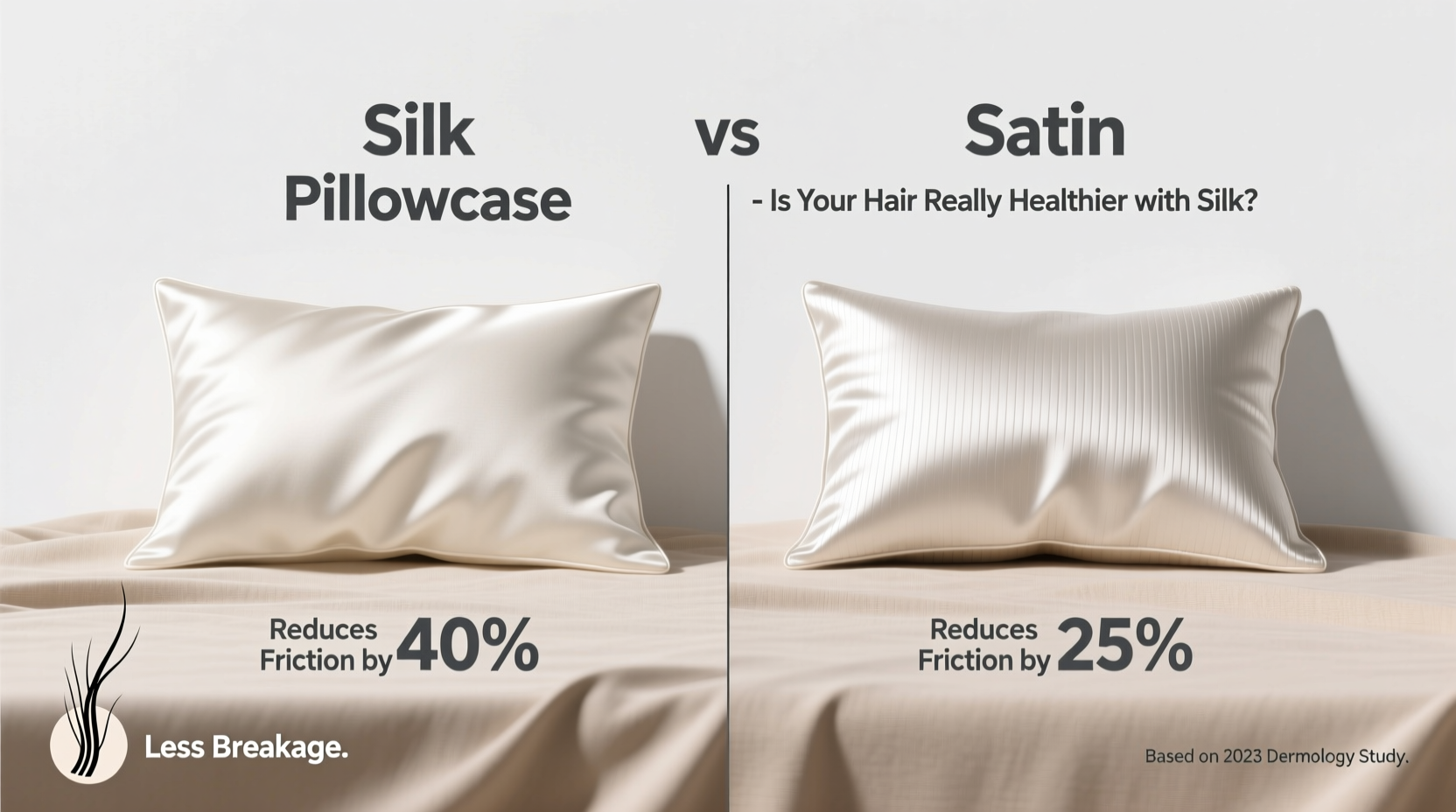
Before diving into benefits, it’s essential to clarify a common misconception: silk and satin are not interchangeable terms. They refer to entirely different concepts—one is a natural fiber, the other a weave.
- Silk is a natural protein fiber produced by silkworms. It’s biodegradable, hypoallergenic, and composed of fibroin, which gives it a smooth, soft texture. Genuine silk comes in various types (mulberry, charmeuse, habotai), but when used for pillowcases, it’s typically 100% mulberry silk with a momme weight of 19–25.
- Satin, on the other hand, is not a fiber but a weaving technique. Fabrics labeled “satin” can be made from polyester, nylon, rayon, or even silk. The satin weave creates a glossy surface and a dull back, resulting in a slippery feel. Most affordable satin pillowcases are made from polyester.
This distinction matters because while both fabrics feel smooth, their impact on hair and skin varies significantly due to breathability, absorbency, and environmental footprint.
Tip: Always check the label. A \"satin\" pillowcase may be 100% polyester—offering glide but lacking silk’s natural benefits.How Pillowcase Material Affects Hair Health
Your nightly rest isn’t passive when it comes to hair care. While you sleep, your hair undergoes mechanical stress from tossing, turning, and friction against the pillow. Cotton pillowcases, the most common choice, are highly absorbent and create significant drag on hair strands. This leads to:
- Increased cuticle damage
- Breakage and split ends
- Loss of natural oils and moisture
- Frizz and bedhead
In contrast, both silk and satin reduce surface friction. Their smoother textures allow hair to glide rather than snag, preserving the cuticle layer—the outer protective shield of each strand. Maintaining cuticle integrity is crucial for retaining moisture, shine, and strength.
However, the similarity ends there. Silk outperforms satin in several key areas relevant to hair health:
- Maintenance of natural oils: Silk is less absorbent than cotton and far less so than many synthetic satins. It doesn’t wick away sebum, helping hair retain its natural conditioning.
- Temperature regulation: Silk is thermoregulatory, keeping the scalp cool in summer and warm in winter. Polyester satin can trap heat and increase sweat, potentially clogging follicles.
- Hypoallergenic properties: Natural silk resists dust mites, mold, and allergens—important for those with sensitive scalps or conditions like eczema or psoriasis.
- Micron-level smoothness: Under a microscope, silk fibers are smoother than even high-gloss polyester, meaning less microscopic abrasion over time.
“Switching to silk can be a low-effort, high-impact change for people struggling with dryness, breakage, or frequent styling damage. It’s not a miracle cure, but it removes a daily source of harm.” — Dr. Linette Williams, Trichologist & Hair Wellness Specialist
Comparative Analysis: Silk vs Satin Pillowcases
To illustrate the differences clearly, here’s a detailed comparison based on performance, cost, care, and long-term value.
| Feature | Silk (100% Mulberry) | Satin (Polyester-Based) |
|---|---|---|
| Fiber Type | Natural protein fiber | Synthetic (usually polyester) |
| Absorbency | Low – preserves hair oils | Very low – but may repel moisture unevenly |
| Friction Level | Very low – gentle on cuticles | Low – smooth but can generate static |
| Breathability | High – regulates temperature | Low – traps heat and sweat |
| Durability | Good with proper care (3–5 years) | Fair (may pill or degrade in 1–2 years) |
| Care Requirements | Hand wash or delicate cycle; air dry | Machine washable, but may lose sheen |
| Price Range (per pillowcase) | $40–$100+ | $10–$25 |
| Eco-Impact | Biodegradable, sustainable if ethically sourced | Non-biodegradable; microplastic shedding |
| Hypoallergenic | Yes | No – may irritate sensitive skin |
While satin offers a budget-friendly entry point, silk provides superior long-term benefits for hair and scalp health. The investment pays off not only in reduced breakage but also in fewer bad hair days and less reliance on leave-in conditioners or serums to combat overnight dryness.
Real Impact: A Case Study in Nightly Hair Care
Jamila R., a 34-year-old with 3C/4A curly hair, struggled with chronic dryness and shrinkage despite a meticulous hair routine. She washed weekly, deep-conditioned, and sealed with oil—but still woke up with tangled, brittle ends.
After switching from cotton to a 22-momme mulberry silk pillowcase, she noticed changes within two weeks:
- Fewer tangles upon waking, reducing detangling time by half
- Improved definition in her curls without additional product
- Less need for mid-week spritzing or re-oiling
- Reduced single-strand knots and shedding during combing
Over six months, Jamila reported a visible decrease in split ends and increased length retention. A trim revealed stronger, more uniform ends compared to previous cuts. While she didn’t attribute all improvements to the pillowcase alone, she noted it was the only variable she changed—and the results were consistent.
Her experience aligns with clinical observations: reducing mechanical stress during sleep allows hair to maintain structural integrity, especially for textured, coily, or chemically treated hair types that are prone to dryness and fragility.
Maximizing Benefits: How to Use a Silk or Satin Pillowcase Effectively
Purchasing a high-quality pillowcase is only the first step. To truly benefit your hair, follow these best practices:
- Wash before first use: Remove any chemical residues from manufacturing. Use a mild, pH-balanced detergent formulated for delicates.
- Rotate or cover with a bonnet: If you sweat heavily or use heavy night creams, consider wearing a silk bonnet over your hair to minimize transfer and keep the case cleaner longer.
- Wash regularly: Clean every 5–7 days to prevent oil buildup and bacterial growth. Hand wash in cool water with a silk-safe detergent.
- Air dry flat: Avoid wringing or direct sunlight, which can weaken fibers and fade color.
- Store properly: Keep in a drawer away from sharp objects or jewelry that could snag the fabric.
FAQ: Common Questions About Silk and Satin Pillowcases
Does satin protect hair as well as silk?
Satin reduces friction and helps prevent tangles, so it offers some protection—especially compared to cotton. However, it doesn’t regulate temperature or preserve moisture as effectively as silk. Synthetic satin can also generate static, leading to flyaways and potential cuticle disturbance.
Can a silk pillowcase prevent hair loss?
It won’t stop genetic or hormonal hair loss, but it can reduce *mechanical* shedding caused by friction and breakage. People who notice fewer hairs on their pillow after switching often misinterpret this as reduced shedding, when in reality, it’s less breakage from abrasion.
How do I know if my silk pillowcase is real?
Genuine mulberry silk has a subtle sheen (not overly glossy), feels cool to the touch, and burns with a smell like burnt hair (vs. plastic for polyester). Look for labels specifying “100% mulberry silk” and a momme weight of at least 19. Certifications like OEKO-TEX or Seri-Cert can verify authenticity.
Action Plan: Choosing the Right Pillowcase for Your Hair Type
Not all hair types benefit equally from silk or satin. Here’s a tailored checklist to help you decide:
- Curly, Coily, or Kinky Hair (Types 3C–4C):
- Choose silk. Its moisture retention and gentle texture help maintain curl definition and reduce shrinkage and tangling.
- Color-Treated or Chemically Processed Hair:
- Silk is ideal. Less friction means fewer lifted cuticles, which helps retain dye and prevent brittleness.
- Fine or Thin Hair:
- Both work, but silk’s lightweight drape is less likely to flatten roots. Avoid heavy satin weaves that might weigh hair down.
- Oily Scalp or Acne-Prone Skin:
- Silk is preferable. It’s less likely to trap oil and bacteria compared to non-breathable polyester satin.
- Budget-Conscious Buyers:
- Start with satin to test the benefits, but plan to upgrade to silk for long-term hair and skin health.
Conclusion: Is Silk Worth the Hype?
The evidence is clear: silk pillowcases offer measurable advantages over both cotton and synthetic satin when it comes to hair health. By minimizing friction, preserving natural oils, and supporting scalp hygiene, silk creates a gentler nighttime environment for your hair to rest and recover.
That said, it’s not a standalone solution. No pillowcase can compensate for poor nutrition, excessive heat styling, or harsh chemicals. But as part of a holistic hair care regimen, switching to silk is a simple, science-backed step that delivers cumulative benefits over time.
If you’re serious about maintaining strong, shiny, resilient hair, investing in a high-quality silk pillowcase isn’t vanity—it’s preventative maintenance. Think of it as insurance for your strands, protecting them during the eight hours they’re most vulnerable.
🚀 Ready to upgrade your hair care routine? Start tonight—replace your cotton pillowcase with genuine mulberry silk and track changes in tangle frequency, shine, and breakage over the next four weeks. Your hair will thank you.








