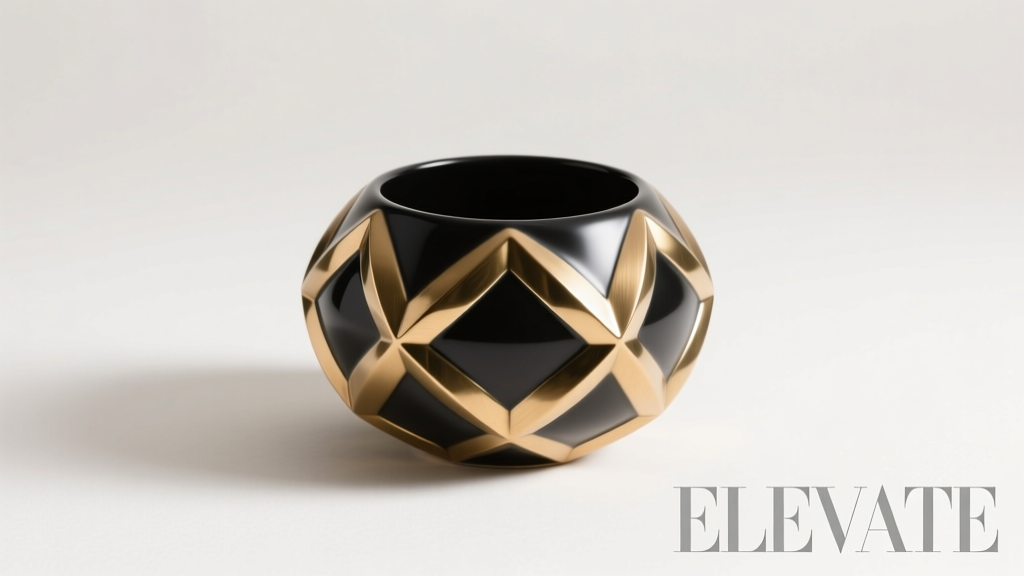
Types of Ceramic Boards
A ceramic board is a high-performance material engineered for thermal resistance, durability, and insulation across a wide range of industrial, artistic, and technological applications. Suppliers and manufacturers typically offer these specialized boards in bulk online, catering to diverse industries from construction and aerospace to fine arts and electronics.
Commercial Ceramic Boards
Designed for industrial environments, commercial ceramic boards are built to withstand extreme temperatures and mechanical stress. These boards are commonly used in kiln linings, furnace insulation, and heavy machinery thermal barriers.
Advantages
- Exceptional heat resistance (up to 1600°C or higher)
- High durability under continuous thermal cycling
- Excellent thermal insulation properties
- Ideal for large-scale manufacturing processes
Limitations
- Bulkier and heavier than other types
- Limited aesthetic customization
- Requires professional handling and installation
Best for: Industrial kilns, foundries, aerospace components, and energy production facilities
Craftsman Ceramic Boards
Tailored for artists and ceramic artisans, these boards serve as kiln shelves, sculpting bases, and firing platforms. Their natural thermal stability allows for consistent results in pottery and ceramic art creation.
Advantages
- Withstands repeated high-temperature firings
- Provides a stable, non-reactive surface for glazing
- Enhances texture and finish in handcrafted ceramics
- Suitable for both functional and decorative art pieces
Limitations
- Lower production volume increases cost
- Fewer standardized sizes available
- Demand driven by niche markets and individual artists
Best for: Studio potters, ceramic sculptors, art schools, and small-batch craft producers
Technical Ceramic Boards
Engineered for precision applications, technical ceramic boards are used in electronics, telecommunications, and defense systems due to their superior electrical insulation and thermal management capabilities.
Advantages
- Outstanding dielectric strength and electrical insulation
- Low thermal expansion for dimensional stability
- High resistance to electromagnetic interference
- Reliable performance in mission-critical systems
Limitations
- High manufacturing and material costs
- Requires strict quality control and certification
- Limited flexibility in post-production modification
Best for: Circuit substrates, radar systems, satellite components, and advanced sensor technologies
Small Ceramic Tiles
Compact and versatile, small ceramic tiles are widely used in architectural design, interior renovations, and decorative installations. Their manageable size makes them ideal for both residential and commercial projects.
Advantages
- Lightweight and easy to transport
- Available in various colors, textures, and finishes
- Simple installation with minimal tools required
- Suitable for DIY and professional applications alike
Limitations
- Less effective for high-load or high-temperature applications
- May require sealing or additional treatments for moisture resistance
- Not ideal for structural or industrial uses
Best for: Kitchen backsplashes, bathroom walls, flooring, and retail design elements
| Type | Primary Use | Thermal Resistance | Key Industries | Availability |
|---|---|---|---|---|
| Commercial Ceramic Boards | Industrial insulation & heat shielding | Extremely High | Manufacturing, Aerospace, Energy | Widely available in bulk |
| Craftsman Ceramic Boards | Kiln shelves & artistic substrates | High | Art, Pottery, Education | Specialty suppliers, limited batches |
| Technical Ceramic Boards | Electronic insulation & precision components | Very High (with stability) | Electronics, Defense, Telecom | Highly specialized, certified sources |
| Small Ceramic Tiles | Decorative & architectural finishes | Moderate | Construction, Interior Design, Retail | Widely available, retail to wholesale |
Expert Tip: When selecting ceramic boards for high-temperature environments, always verify the material's continuous use temperature and coefficient of thermal expansion to ensure compatibility with your specific application and prevent premature failure.
Industry Applications of Ceramic Boards
Ceramic boards are advanced engineered materials known for their exceptional thermal stability, electrical insulation, mechanical strength, and resistance to harsh environments. These properties make them indispensable across a wide range of high-performance industries. Below is a detailed overview of key sectors where ceramic boards play a transformative role in enhancing safety, efficiency, and technological capability.
Manufacturing of Electronics
In modern electronics manufacturing, ceramic boards serve as high-performance substrates and insulating layers in printed circuit boards (PCBs) and semiconductor packaging. Their superior dielectric properties prevent electrical leakage and short circuits, ensuring signal integrity in sensitive devices.
Thanks to their excellent thermal conductivity and low thermal expansion, ceramic boards efficiently dissipate heat generated by high-power components such as processors and power amplifiers. This makes them ideal for use in smartphones, laptops, servers, and industrial control systems—especially in applications where miniaturization and reliability are critical.
Materials like aluminum oxide (Al₂O₃) and aluminum nitride (AlN) are commonly used due to their balanced performance in insulation and heat management.
Aerospace and Defense
The aerospace and defense sectors rely heavily on ceramic boards for mission-critical systems that must perform under extreme conditions. These materials are used in avionics housings, radar systems, missile guidance units, and engine monitoring sensors.
Withstanding temperatures exceeding 1,000°C and resisting thermal shock, ceramic boards protect sensitive electronics in jet engines, re-entry vehicles, and hypersonic platforms. Their lightweight nature contributes to fuel efficiency and payload optimization without compromising structural integrity.
Additionally, ceramics offer electromagnetic interference (EMI) shielding and radiation resistance, making them essential in satellite communications and defense electronics operating in hostile environments.
Automotive Industry
In both conventional and electric vehicles (EVs), ceramic boards are integral to engine management and emission control systems. They form the core structure of catalytic converter substrates, where they support precious metal catalysts that convert harmful exhaust gases—such as carbon monoxide, nitrogen oxides, and hydrocarbons—into less toxic substances like carbon dioxide, nitrogen, and water vapor.
Advanced ceramics are also used in ignition systems, oxygen sensors, and battery management systems in EVs. Their ability to endure repeated thermal cycling and corrosive environments ensures long-term durability and compliance with stringent emissions regulations.
Moreover, ceramic-based insulation is increasingly used in high-voltage EV power electronics to prevent arcing and improve system safety.
Medical Technology
Ceramic boards are widely adopted in medical devices due to their biocompatibility, chemical inertness, and resistance to sterilization processes such as autoclaving, gamma radiation, and ethylene oxide treatment.
They are used in diagnostic imaging equipment (e.g., X-ray and MRI machines), surgical robotics, and implantable devices like pacemakers and neurostimulators. In implants, bio-ceramics such as zirconia and alumina provide durable, non-reactive surfaces that integrate well with human tissue.
Their electrical insulation and dimensional stability ensure precise operation of sensitive medical electronics, contributing to patient safety and device reliability in life-critical applications.
Energy and Fuels
The energy sector leverages ceramic boards in a variety of renewable and conventional power generation technologies. In solar inverters and photovoltaic modules, ceramic substrates help manage heat and provide electrical isolation, improving efficiency and lifespan.
Fuel cells—particularly solid oxide fuel cells (SOFCs)—use ceramic electrolytes and interconnect boards to facilitate ion transfer at high temperatures, enabling efficient conversion of chemical energy into electricity. These systems benefit from ceramics’ ability to operate in oxidizing and reducing atmospheres without degradation.
Ceramic boards are also employed in nuclear reactors, geothermal systems, and oil & gas drilling equipment, where they withstand high pressures, corrosive fluids, and extreme temperatures, ensuring safe and continuous operation.
| Industry | Key Applications | Primary Ceramic Properties Utilized |
|---|---|---|
| Electronics | PCB substrates, chip packaging, heat sinks | Electrical insulation, thermal conductivity, dimensional stability |
| Aerospace & Defense | Avionics, engine sensors, missile systems | High-temperature resistance, lightweight, EMI shielding |
| Automotive | Catalytic converters, oxygen sensors, EV power modules | Thermal shock resistance, chemical stability, insulation |
| Medical Technology | Imaging devices, implants, surgical tools | Biocompatibility, sterilization resistance, precision |
| Energy & Fuels | Fuel cells, solar inverters, reactor components | High-temperature endurance, corrosion resistance, ion conductivity |
Important: The selection of ceramic board material should align with the operational demands of the application, including temperature range, mechanical load, chemical exposure, and regulatory requirements. Using substandard or improperly specified ceramics can lead to premature failure, safety hazards, or non-compliance with industry standards. Always consult material data sheets and work with certified suppliers to ensure optimal performance and longevity.
Product Specifications & Features of Ceramic Boards
Ceramic boards are advanced composite materials engineered for high-performance applications across industrial, construction, and artistic fields. Their unique combination of thermal resistance, mechanical strength, and chemical stability makes them ideal for environments where conventional materials fail. This guide provides a comprehensive overview of their key features, installation best practices, common applications, and maintenance protocols to help users maximize performance and longevity.
Key Features
- Heat Resistance: Capable of withstanding continuous temperatures up to 1,400°C (2,550°F), ceramic boards are essential in kilns, furnaces, and thermal insulation systems. They maintain structural integrity even under repeated thermal cycling.
- Durability: Exceptionally resistant to mechanical stress, impact, and wear, these boards retain their shape and strength in high-vibration or load-bearing environments, making them ideal for industrial settings.
- Insulation: Offering excellent thermal and electrical insulation properties, ceramic boards prevent heat transfer and electrical conductivity, enhancing safety in high-voltage or high-temperature equipment.
- Low Thermal Expansion: With a minimal coefficient of thermal expansion, they resist warping, cracking, or dimensional changes during rapid heating and cooling cycles—critical for precision applications.
- Chemical Inertness: Resistant to most acids, alkalis, and solvents, ceramic boards perform reliably in corrosive environments such as chemical processing plants or laboratories.
- Eco-Friendly Composition: Made primarily from natural alumina, silica, and other non-toxic minerals, these boards are recyclable and free from harmful emissions, aligning with sustainable building and manufacturing standards.
Technical Insight: High-purity alumina-based ceramics offer superior performance in extreme conditions compared to lower-grade alternatives.
Installation Guidelines
- Pre-Installation Assessment: Inspect the mounting area for flatness, structural integrity, and environmental exposure. Measure dimensions precisely to minimize on-site adjustments.
- Cutting to Size: Use a diamond-tipped wet saw or abrasive wheel cutter for clean, precise cuts. Dry cutting may cause microfractures; always wear protective gear during cutting operations.
- Mounting Preparation: Clean the substrate thoroughly—remove dust, oil, or debris. For uneven surfaces, apply a leveling compound before installation.
- Adhesive Application: Use high-temperature ceramic adhesive or refractory mortar. Apply evenly using a notched trowel to ensure full coverage and eliminate air pockets.
- Placement: Carefully position the board, aligning edges precisely. Avoid sliding once placed to prevent adhesive displacement.
- Securing the Board: Apply firm, even pressure across the surface—especially at corners and center—to ensure complete adhesion. Use temporary mechanical fasteners if needed during curing.
- Curing Time: Allow 24–72 hours for full cure depending on adhesive type and ambient conditions. Do not expose to thermal load or mechanical stress during this period.
Pro Tip: In high-vibration environments, consider combining adhesive bonding with stainless steel anchors for added security.
Common Applications
- Kilns and Furnaces: Used as lining panels to protect metal enclosures from extreme heat, reduce energy loss, and extend equipment life.
- Electronics & Electrical Systems: Serve as insulating substrates in circuit breakers, transformers, and semiconductor manufacturing equipment due to dielectric stability.
- Tile Backer Boards: Installed in wet areas like showers and pools, providing a moisture-resistant, mold-proof base for ceramic or stone tile installations.
- Heating Elements Support: Act as insulating mounts for heating coils in industrial ovens, preventing short circuits and improving heat distribution.
- Industrial Molds & Casting: Utilized in metal casting processes where molten metal (e.g., aluminum, steel) is poured into molds lined with ceramic boards for heat resistance and dimensional accuracy.
- Artistic & Ceramic Work: Preferred by sculptors and potters as kiln shelves or support structures during firing, ensuring even heat distribution and preventing warping of artworks.
Innovation Note: Advanced nano-coated ceramic boards are now being used in aerospace and defense for thermal shielding applications.
Maintenance & Repair
- Regular Inspection: Conduct monthly visual checks for cracks, spalling, or delamination—especially in high-temperature zones. Early detection prevents catastrophic failure.
- Cleaning Routine: Wipe down with a damp cloth and mild, non-abrasive cleaner. Avoid high-pressure washing or acidic cleaners that may degrade surface integrity.
- Repairing Cracks: For minor damage, use a high-temperature ceramic epoxy or patching compound. Clean the area thoroughly before application and allow proper curing time.
- Professional Repair: Structural damage or deep fractures require evaluation by a certified technician. In critical systems, replacement is often safer than repair.
- Storage Conditions: Store boards horizontally in a dry, temperature-controlled environment. Use spacers between layers to prevent chipping and avoid stacking heavy objects on top.
- Humidity Control: For hygroscopic ceramic types, wrap in vapor-barrier film and store with desiccants to prevent moisture absorption that could lead to cracking during heating.
Best Practice: Maintain a log of inspections and repairs to track service life and predict replacement schedules.
Expert Recommendation: For optimal performance, always match the ceramic board grade to the specific application—standard-grade for general insulation, high-alumina for extreme heat, and electrically insulating variants for sensitive electronics. Investing in higher-quality boards may increase upfront cost but significantly reduces long-term maintenance and downtime.
Selection & Performance Comparison
| Application Type | Recommended Board Grade | Max Temp Resistance | Key Benefit |
|---|---|---|---|
| Residential Tile Backing | Standard Moisture-Resistant | 200°C (392°F) | Prevents mold, supports tile adhesion |
| Industrial Furnace Lining | High-Alumina Refractory | 1,400°C (2,550°F) | Long-term thermal stability |
| Electrical Insulation Panels | Dielectric Ceramic | 800°C (1,472°F) | Prevents arcing, reliable conductivity control |
| Art Kiln Shelves | Low-Expansion Fused Silica | 1,100°C (2,012°F) | Resists thermal shock, preserves artwork shape |
Additional Considerations
- Thermal Shock Resistance: Boards with engineered microstructures can endure rapid temperature changes—ideal for applications involving frequent heating and cooling cycles.
- Fire Rating: Most ceramic boards are classified as A1 (non-combustible), making them compliant with strict fire safety codes in commercial and residential buildings.
- Weight & Handling: While strong, ceramic boards can be heavy—plan for proper lifting equipment and structural support in large installations.
- Custom Fabrication: Many suppliers offer pre-cut, drilled, or shaped boards to reduce on-site labor and improve fit accuracy.
- Warranty & Certification: Look for products tested to ASTM, ISO, or EN standards, with documentation verifying performance claims.
Quality & Safety Considerations of Ceramic Boards
Ceramic boards are widely used in industrial, artistic, and construction applications due to their exceptional heat resistance, durability, and aesthetic appeal. However, ensuring high quality and safety is essential for both manufacturers and users. This guide provides a comprehensive overview of the key quality and safety factors involved in ceramic board production and usage, including material consistency, strength, handling practices, and non-toxic formulation. Understanding these aspects helps buyers make informed decisions and promotes safe handling and long-term performance.
Safety Warning: Always handle ceramic boards with care. Wear cut-resistant gloves and protective eyewear when installing or transporting to prevent injury from sharp edges or sudden breakage. Ensure proper ventilation if working with unglazed or powdered materials to avoid inhalation of fine particles.
Common Questions & Answers
- Q1: What is one of the most important quality considerations for ceramic boards?
A1: Consistency in the composition of the material is one of the most critical quality factors. Uniform chemical and physical properties across all batches ensure predictable performance, especially under thermal stress and mechanical load.
- Q2: What is another key quality consideration for buyers when selecting ceramic boards?
A2: Durability and structural strength are vital. High-strength ceramic boards resist cracking, chipping, and deformation, making them suitable for demanding environments such as kilns, fireplaces, and industrial furnaces.
- Q3: What is the first thing users should do to maintain safety when working with ceramic boards?
A3: Handle ceramic boards carefully to prevent breakage. Sudden impacts or improper lifting can cause fractures that create sharp fragments, posing injury risks. Always support the board fully during transport and installation.
- Q4: What is a key factor in assuring the safety of ceramic materials?
A4: Using non-toxic ingredients during manufacturing is essential. Safe ceramics are made without lead, cadmium, or other hazardous heavy metals, especially important for products used in food-related, residential, or indoor applications.
- Q5: What process is used to improve the strength of ceramic boards?
A5: Ceramic boards are fired at high temperatures in a kiln, a process known as sintering. This vitrification enhances molecular bonding, significantly improving mechanical strength, thermal stability, and resistance to moisture and corrosion.
Key Quality Considerations
- Material Consistency: High-quality ceramic boards are manufactured using raw materials with uniform composition. Consistent batching ensures that each board performs reliably under thermal cycling and mechanical stress, reducing the risk of premature failure.
- Uniformity: Dimensional accuracy and consistency in thickness, shape, and density are crucial. Uniform components fit better in assemblies, distribute stress evenly, and perform more predictably in high-temperature environments.
- Temperature Resistance: Ceramic boards must withstand extreme temperatures without warping, cracking, or losing structural integrity. Boards intended for kilns or furnaces should be tested for continuous use at maximum operating temperatures (e.g., up to 1400°C or higher).
- Flexural Strength: Measured in MPa (megapascals), flexural strength indicates how much bending stress a board can endure before fracturing. Higher flexural strength means greater resistance to mechanical loads and thermal shock—critical for structural or load-bearing applications.
- Surface Finish: A smooth, defect-free surface not only improves aesthetics but also enhances safety and functionality. Proper finishing reduces the risk of cuts, minimizes dust accumulation, and improves cleanability—especially important in food service or healthcare settings.
Safety Considerations
- Handling: Ceramic boards can have sharp edges or brittle surfaces. Always wear protective gloves and use two-person lifting techniques for larger panels. Avoid dragging or dropping to prevent chipping or shattering.
- Breakage Risk: If a ceramic board breaks, it may produce sharp shards that can cause injury or become airborne dust. Use impact-resistant packaging and follow safe installation protocols to minimize breakage during transport and use.
- Non-Toxic Materials: Ensure that all ceramic boards comply with safety standards (e.g., FDA, Prop 65, EN 1388) for absence of toxic elements. This is especially important for products used in kitchens, children's environments, or enclosed spaces.
- Lifespan & Long-Term Safety: Durable ceramic boards that last for decades reduce the need for replacement and minimize environmental waste. Longevity also ensures that no harmful substances are gradually released over time, contributing to indoor air quality and user safety.
- Glazing Safety: Glazed finishes can enhance appearance and water resistance, but some glazes may contain lead or other toxins. Manufacturers must conduct rigorous leaching tests (e.g., acid exposure) to verify that glazed ceramics are safe for their intended use.
| Consideration Type | Key Factor | Why It Matters | Best Practices |
|---|---|---|---|
| Quality | Material Consistency | Ensures predictable thermal and mechanical performance | Use standardized raw materials and batch testing |
| Quality | Flexural Strength | Prevents cracking under load or thermal stress | Test to ASTM C651 or ISO 14703 standards |
| Quality | Temperature Resistance | Determines suitability for high-heat applications | Verify maximum service temperature with manufacturer |
| Safety | Non-Toxic Composition | Protects users from chemical exposure | Select certified lead-free, food-safe ceramics |
| Safety | Proper Handling | Reduces risk of injury from breakage | Wear gloves, use lifting aids, avoid impacts |
Expert Tip: When purchasing ceramic boards, request material test reports (MTRs) or certificates of compliance for critical properties like flexural strength, thermal expansion, and toxicity. These documents verify that the product meets industry standards and manufacturer claims.
Additional Recommendations
- Store ceramic boards in a dry, flat environment to prevent warping or moisture absorption.
- Inspect boards for cracks or defects before installation—never install damaged units.
- Use appropriate adhesives or mounting systems designed for ceramic materials to avoid stress points.
- For indoor applications, choose low-emission or Greenguard-certified ceramics to support healthy indoor air quality.
- Dispose of broken ceramic waste responsibly—do not incinerate, as some materials may release harmful fumes.
By prioritizing both quality and safety, manufacturers and users can maximize the performance, longevity, and reliability of ceramic boards. Whether used in industrial settings or residential spaces, well-made and safely handled ceramic products contribute to efficient operations and user protection. Always consult technical data sheets and safety guidelines before selecting or installing ceramic materials.
Frequently Asked Questions (FAQs) About Ceramic Boards
Q1: What does the term "ceramic board" refer to?A ceramic board is a flat, durable panel made from specially formulated clay-based materials that are fired at extremely high temperatures to achieve exceptional strength and heat resistance. These boards are engineered to withstand thermal stress and are commonly used in high-temperature environments such as kilns, furnaces, and industrial ovens.
In pottery and ceramics, ceramic boards serve two primary functions:
- Support Structures: Placed inside kilns to support ceramic pieces during the firing process, preventing warping or collapse under heat.
- Protective Lining: Used to line the interior walls of kilns, shielding the metal or refractory structure from direct flame exposure and thermal degradation.
Ceramic boards can be custom-cut to fit various kiln sizes and configurations, making them versatile tools for both studio potters and industrial manufacturers. Their ability to retain structural integrity at temperatures exceeding 1,200°C (2,200°F) makes them ideal for repeated use in high-heat applications.
Q2: What does "porcelain" mean, and how is it related to ceramic boards?Porcelain is a refined type of ceramic made from a pure form of kaolin clay, combined with feldspar and quartz, then fired at very high temperatures—typically between 1,200°C and 1,450°C (2,200°F to 2,600°F). This process results in a dense, non-porous, and highly durable material known for its strength, thermal stability, and resistance to thermal shock.
When used in the production of ceramic boards, porcelain offers several advantages:
- Superior Heat Resistance: Porcelain-based boards can endure extreme temperatures, making them suitable for use in high-fire kilns used for stoneware, technical ceramics, or even glass fusing.
- Longevity: Due to their low porosity and high density, porcelain boards resist cracking, spalling, and chemical degradation over repeated heating cycles.
- Precision Applications: Ideal for specialized processes such as sintering, annealing, or firing delicate items like ceramic necklaces, beads, or intricate sculptures that require a stable, clean surface.
While more expensive than standard ceramic boards, porcelain variants are preferred in professional studios and industrial settings where performance and reliability are critical.
Q3: What are the key factors manufacturers consider when producing ceramic boards?Manufacturers of ceramic boards must carefully balance several technical and practical considerations to ensure the final product performs reliably under demanding conditions. The most important factors include:
- Raw Material Composition: The blend of clays, fluxes (like feldspar), and reinforcing minerals (such as alumina or silica) determines the board’s thermal expansion rate, melting point, and mechanical strength.
- Thermal Shock Resistance: Boards must withstand rapid temperature changes without cracking. This is achieved through controlled porosity and material homogeneity.
- Dimensional Stability: High-quality boards maintain their shape and thickness after repeated firings, ensuring consistent performance and fit within kiln chambers.
- Density and Weight: While high density improves durability, excessive weight can make handling difficult. Manufacturers optimize this balance based on intended use—lightweight boards for small studios, heavier-duty versions for industrial furnaces.
- Surface Finish: A smooth, non-stick surface prevents ceramic pieces from adhering to the board during firing, reducing the risk of damage upon removal.
- Environmental and Safety Standards: Boards must be free of hazardous materials and comply with industry regulations for emissions and worker safety during production and use.
These considerations ensure that ceramic boards meet the rigorous demands of both artistic and industrial applications, providing long-term value and safety.
Q4: What are the uses and benefits of small ceramic tiles?Small ceramic tiles—typically ranging from 1 inch to 6 inches in size—are widely used beyond industrial applications, particularly in architectural design, home renovation, and decorative arts. While they differ from thick ceramic boards used in kilns, they share similar material properties and manufacturing techniques.
Common Applications:
- Bathroom and Kitchen Backsplashes: Popular for their moisture resistance, easy cleaning, and aesthetic versatility.
- Feature Walls and Accents: Used to create visual interest in residential and commercial spaces.
- Countertops and Flooring: Especially in areas requiring durability and heat resistance near stoves or fireplaces.
- Craft and Art Projects: Ideal for mosaics, handmade décor, and educational workshops due to their manageable size and variety of colors and textures.
Advantages for Distributors and Retailers:
- Lightweight and Easy to Transport: Reduces shipping costs and storage space requirements.
- Versatile Packaging: Sold in modular sheets or boxes tailored to project scales—from small DIY repairs to large construction jobs.
- Broad Market Appeal: Attracts homeowners, contractors, interior designers, and craft enthusiasts, increasing sales potential.
- Customization Options: Available in glazed, matte, textured, and patterned finishes to suit diverse design preferences.
While not designed for high-temperature structural support like ceramic boards, small ceramic tiles play a vital role in functional and decorative applications, combining beauty with practical performance.