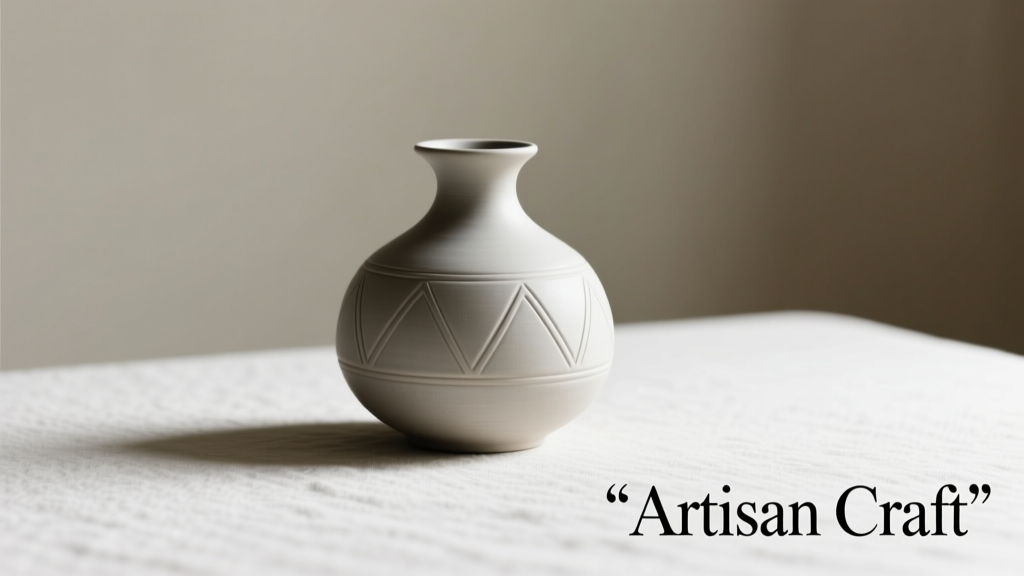
Types of Reactive Glazing Ceramic Candles
Reactive glazing ceramic candle holders are handcrafted works of art that combine functionality with aesthetic beauty. Created through a specialized firing process, reactive glazing produces mesmerizing color variations and textures on the ceramic surface, making each piece one-of-a-kind. These candle holders are popular for home decor, weddings, and special events due to their unique visual appeal and ambient lighting effects.
Available in a wide range of styles and forms, reactive glazing ceramic candle holders cater to diverse tastes—from minimalist modern to rustic bohemian. Below is a detailed breakdown of the most popular types available today.
Traditional Reactive Glazing Candle Holders
Characterized by deep, rich tones and a glossy finish, these classic holders create a warm and inviting atmosphere. The reactive glaze interacts unpredictably during firing, resulting in organic swirls, speckles, and layered hues that enhance their artistic value.
Advantages
- Unique, one-of-a-kind appearance
- Warm, elegant ambiance
- Excellent for creating cozy interiors
- Versatile across decor styles
Limitations
- May show fingerprints or smudges
- Glaze can be sensitive to acidic cleaners
- Heavier than plastic or metal alternatives
Best for: Living rooms, dining tables, bedrooms, and gift-giving
Geometric Reactive Glazing Candle Holders
Blending modern design with artisanal craftsmanship, these holders feature clean lines and angular shapes such as cubes, pyramids, and hexagons. The contrast between structured form and fluid glaze patterns creates a striking visual impact.
Advantages
- Contemporary, stylish look
- Perfect for minimalist or industrial decor
- Durable structural design
- Enhances architectural themes
Limitations
- Limited space for larger candles
- May not suit traditional interiors
- Potential sharp edges (handle with care)
Best for: Modern homes, office spaces, art galleries, and urban lofts
Hanging Reactive Glazing Candle Holders
Designed for vertical display, these holders come with built-in chains, hooks, or metal frames for easy suspension. Ideal for conserving table space, they cast beautiful shadows and ambient light when illuminated, especially outdoors or in layered lighting setups.
Advantages
- Space-saving design
- Creates dramatic lighting effects
- Suitable for indoor and outdoor use
- Great for events and seasonal decor
Limitations
- Requires secure mounting
- Not suitable for windy areas (outdoor use)
- May limit candle size and type
Best for: Balconies, patios, entryways, weddings, and restaurants
Planter Candle Holders with Reactive Glaze
A dual-purpose design combining greenery and illumination. These holders typically feature a lower chamber for tealights or votives and an upper compartment for small plants, succulents, or dried flowers—perfect for eco-conscious and nature-inspired decor.
Advantages
- Multi-functional (plant + candle)
- Enhances biophilic design
- Eco-friendly and sustainable aesthetic
- Unique conversation starter
Limitations
- Requires maintenance for plants
- Potential water damage if not sealed properly
- More complex cleaning process
Best for: Sunrooms, kitchens, bathrooms, and wellness spaces
Multi-tier Reactive Glazing Candle Holders
These statement pieces feature two or more stacked levels, allowing multiple candles to be displayed at varying heights. Often used as centerpieces, they add depth, dimension, and elegance to any setting, especially during special occasions.
Advantages
- Impressive visual impact
- Ideal for centerpieces and focal points
- Accommodates multiple candles
- Perfect for celebrations and events
Limitations
- Bulky and less portable
- Requires careful balancing of candles
- Takes up more surface area
Best for: Dining tables, mantels, weddings, holidays, and formal gatherings
| Type | Style | Functionality | Best Use Case | Uniqueness Factor |
|---|---|---|---|---|
| Traditional | Classic, Artistic | Single candle, ambient lighting | Everyday decor, gifting | ★★★★★ |
| Geometric | Modern, Minimalist | Decorative accent | Contemporary interiors | ★★★★☆ |
| Hanging | Dynamic, Space-saving | Suspended lighting | Outdoor events, small spaces | ★★★★☆ |
| Planter Hybrid | Natural, Eco-friendly | Plant + candle combo | Indoor green spaces | ★★★★★ |
| Multi-tier | Statement, Elegant | Centerpiece display | Special occasions | ★★★★☆ |
Expert Tip: To preserve the vibrant finish of reactive glaze ceramic holders, clean them gently with a soft, damp cloth. Avoid abrasive sponges or harsh chemicals that can dull the glossy surface over time.
Designs of Reactive Glazing Ceramic Candles
Reactive glazing ceramic candle holders are celebrated for their unique, one-of-a-kind finishes that result from chemical interactions during the firing process. These artistic variations, combined with intentional design elements, make each piece a functional work of art. Available in a wide array of styles, these candle holders enhance both ambient lighting and interior décor, blending craftsmanship with aesthetic appeal.
Popular Design Elements in Reactive Glaze Ceramic Candles
Floral Patterns
Many ceramic candle holders feature intricately molded or hand-etched floral patterns that evoke a sense of nature and elegance. These designs are often enhanced by reactive glazes, which pool and flow in unpredictable ways across petals and leaves, creating vivid color gradients and depth.
The organic shapes of flowers—such as roses, daisies, or vines—complement the fluidity of the glaze, resulting in a soft, romantic aesthetic. These pieces are especially popular in spring and summer collections and work beautifully in living rooms, patios, or as wedding décor.
Textured Surfaces
Textured surfaces add a tactile and visual dimension to reactive glaze candle holders. Techniques such as embossing, carving, or stamping create raised patterns, grooves, or geometric motifs that interact dynamically with light.
When a candle is lit, the interplay between shadows and highlights brings the texture to life, casting intricate patterns on walls and ceilings. This design is ideal for modern, bohemian, or artisanal interiors, where depth and movement are valued in décor.
Ombre Effect
The ombre effect is achieved when a reactive glaze transitions smoothly from one color to another—typically from a darker base to a lighter rim or vice versa. This gradient is often the result of layered glazing and precise kiln temperature control.
Common combinations include deep cobalt fading into sky blue, charcoal blending into cream, or rust transitioning to gold. The seamless color shift adds a calming, ethereal quality, making ombre holders perfect for meditation spaces, bedrooms, or spa-like environments.
Holiday-Themed Designs
Seasonal ceramic candle holders are crafted to celebrate holidays and cultural events. Using reactive glazes in festive palettes—such as burnt orange and olive green for autumn, or icy blues and silvers for winter—these pieces capture the spirit of the season.
Designs may include pumpkins, pinecones, snowflakes, evergreen trees, or traditional motifs like menorahs and stars. Limited-edition holiday collections are highly collectible and often used as centerpieces or thoughtful gifts during festive gatherings.
Rustic and Vintage Looks
To evoke nostalgia and timeless charm, some reactive glaze candle holders are designed with a rustic or vintage aesthetic. A hallmark of this style is the "crackle" or "craquelure" glaze, which intentionally forms fine, web-like cracks during cooling, mimicking centuries-old pottery.
Earthy tones, matte finishes, and irregular shapes enhance the antique feel. These holders are ideal for farmhouse, cottage-core, or shabby-chic interiors, where authenticity and character are prized over perfection.
Modern Minimalist Styles
While not originally listed, minimalist designs are increasingly popular in reactive glaze ceramics. These feature clean lines, simple silhouettes, and subtle glaze variations that emphasize the beauty of the material rather than ornate decoration.
Often in monochromatic or neutral tones with slight undertones, these holders suit contemporary, Scandinavian, or Japandi interiors. The contrast between the sleek form and the wild, organic glaze creates a striking balance between control and chaos.
| Design Type | Best For | Glaze Characteristics |
|---|---|---|
| Floral Patterns | Spring décor, weddings, gardens | Soft gradients, pooling in crevices, petal-defined flow |
| Textured Surfaces | Bohemian, modern, artistic spaces | Highlighting ridges, creating depth through color variation |
| Ombre Effect | Bedrooms, spas, calming environments | Smooth color transitions, vertical gradient flow |
| Holiday-Themed | Seasonal décor, gift-giving | Vibrant, thematic colors with bold contrasts |
| Rustic/Vintage | Farmhouse, cottage, heritage interiors | Crazing, earthy tones, matte or semi-gloss finish |
Why Design Matters in Reactive Glaze Ceramics
Note: Due to the handmade nature and reactive glazing process, slight variations in color, texture, and finish are expected and celebrated. These differences are not defects but signatures of authentic craftsmanship. Always place candle holders on heat-resistant surfaces and avoid exposing them to sudden temperature changes to preserve their integrity.
Matching Suggestions for Reactive Glazing Ceramic Candles
Reactive glazing ceramic candle holders are more than just functional lighting accessories—they serve as artistic centerpieces that bring depth, color variation, and organic texture to any space. Due to the unique chemical reactions during the firing process, each piece features unpredictable patterns, mottled finishes, and subtle tonal shifts, making them ideal for curated, intentional interior styling. Thoughtful pairing with complementary décor elements enhances their visual impact while maintaining a balanced, harmonious aesthetic.
Table Linens
When selecting tablecloths, napkins, or runners, focus on enhancing the candle holder’s natural hues rather than competing with them. Reactive glazes often display earthy tones—such as deep blues, mossy greens, warm terracottas, or smoky grays—so pairing with neutral linens like ivory, linen white, charcoal, or soft beige ensures the candle holders remain the focal point.
- Choose fabrics with subtle textures—like linen, cotton weave, or burlap—for added tactile contrast without visual clutter
- Avoid overly bold prints or bright colors that may clash with the nuanced gradients of the glaze
- Consider using napkin rings or embroidered edges in metallic threads (copper, bronze) to echo the mineral tones in the ceramic
Pro tip: Layer different shades of the same color family (e.g., sand, taupe, and oat) to create dimension while keeping the palette cohesive.
Dinnerware
Since many ceramic dinnerware collections also feature reactive glazing, they naturally complement candle holders made with the same technique. This creates a unified, artisanal table setting that feels curated and intentional.
- Opt for dinnerware with similar firing techniques—matte finishes, pooling glazes, or speckled textures—for visual continuity
- If your dinnerware is solid-colored or glossy, choose pieces in tones that appear in the candle holder’s glaze (e.g., a navy plate to match blue undertones)
- Mix materials thoughtfully: pair with stoneware, hand-thrown ceramics, or matte black porcelain to emphasize an organic, modern-rustic vibe
Design insight: A monochromatic table setting with varying textures and sheens adds elegance without overwhelming the senses.
Centerpieces
Reactive glazing candle holders can stand alone as minimalist centerpieces, allowing their craftsmanship to shine. However, when enhanced with additional elements, they become part of a dynamic tablescape.
- Surround with fresh eucalyptus, dried pampas grass, or seasonal blooms in colors that reflect the glaze (e.g., burgundy dahlias for rust-toned ceramics)
- Use natural materials like driftwood, river stones, or sliced wood rounds to elevate the candle and add organic height variation
- For formal events, incorporate low-profile greenery or scattered tea lights in clear glass holders to amplify ambient glow
Creative idea: Create a “glaze-inspired” centerpiece by arranging floral elements that mimic the color transitions seen in the ceramic—such as ombre petals or gradient foliage.
Wall Art
Extending the visual theme beyond the table enhances overall room cohesion. Wall art that echoes the colors, patterns, or textures of the candle holders ties the space together.
- Select canvas prints with abstract brushwork or watercolor effects that mirror the fluidity of reactive glazes
- Framed botanical illustrations or mineral/geode photography complement the natural, earth-inspired aesthetic
- Mirrors with metallic or distressed wood frames reflect candlelight and amplify warmth, especially when positioned opposite the display
Interior tip: Use accent walls in muted tones (sage, clay, or slate) to provide a calming backdrop that lets the ceramics stand out.
Accessories
Smaller décor items like vases, bowls, or sculptures can reinforce the design narrative when chosen with intention. The key is to match on texture and tone rather than style or subject.
- Pair with matte-finish ceramics, hammered metal bowls, or hand-glazed vases in complementary color families
- Incorporate materials that reflect natural variation—such as travertine coasters or agate bookends—to echo the uniqueness of reactive glazing
- Use accent pieces with subtle metallic inlays (gold, copper) to highlight the mineral-rich appearance of the glaze
Styling note: Group items in threes or odd numbers for visual balance and rhythm across shelves or side tables.
Lighting & Ambiance
While not listed originally, lighting plays a crucial role in showcasing reactive glazing. The interplay of light and texture brings out the depth and complexity of the finish.
- Use warm white LED candles or tea lights to enhance the richness of the glaze without harsh shadows
- Dimmable overhead lighting or string lights create a soft backdrop that emphasizes the candle’s glow
- Position holders near reflective surfaces to amplify ambient light and highlight color variations
Evening elegance: In low-light settings, the candle’s flicker reveals hidden tones and layers in the glaze, transforming the piece into a living artwork.
Professional Styling Advice: When designing a space around reactive glazing ceramics, adopt the principle of "curated contrast." Balance the unpredictability of the glaze with structured, neutral surroundings. Let the candle holder be the statement piece, and build the rest of the décor to support—not compete with—its organic beauty. This approach works beautifully in modern farmhouse, Scandinavian, and Japandi design styles.
| Glaze Tone | Recommended Color Pairings | Suggested Materials | Ideal Décor Style |
|---|---|---|---|
| Blue-Green (Copper Oxide) | Seafoam, Navy, Sand | Linen, Driftwood, Glass | Coastal, Minimalist |
| Rust/Amber (Iron Oxide) | Terracotta, Cream, Olive | Wool, Rattan, Stone | Modern Farmhouse, Rustic |
| Charcoal/Black (Manganese) | Gray, White, Mustard | Concrete, Metal, Velvet | Industrial, Urban |
| Speckled Earth Tones | Beige, Brown, Sage | Ceramic, Wood, Jute | Japandi, Organic Modern |
Additional Styling Considerations
- Seasonal Flexibility: Reactive glaze holders transition beautifully across seasons—pair with light florals in spring, dried grasses in fall, or pinecones in winter
- Placement Strategy: Cluster holders of varying heights for visual interest, or space them evenly for symmetry and calm
- Texture Layering: Combine smooth glaze finishes with rough textiles, woven baskets, or nubby rugs to enrich sensory appeal
- Color Psychology: Cool-toned glazes (blues, greens) promote relaxation; warm tones (reds, ambers) evoke comfort and intimacy
- Sustainability: Handcrafted ceramics support eco-conscious décor—pair with reusable LED candles or soy wax options for a greener aesthetic
How to Choose Reactive Glazing Ceramic Candles
Reactive glazing ceramic candles are more than just functional lighting—they are artistic pieces that blend craftsmanship, chemistry, and design. The reactive glazing process creates stunning, one-of-a-kind finishes through chemical interactions during firing, resulting in vibrant colors, marbled patterns, and iridescent textures. When selecting these candles, it's important to consider both aesthetic and practical factors to ensure they complement your space and meet your needs. This guide breaks down the key considerations to help you make an informed and satisfying purchase.
Did You Know? Reactive glazes use metal oxides like copper, cobalt, or iron, which react unpredictably in the kiln, making each ceramic candle holder truly unique—no two pieces are exactly alike.
Key Factors to Consider When Choosing Reactive Glazing Ceramic Candles
- Purpose and Functionality
Begin by identifying the primary purpose of the candle. This will guide your choice between scented and unscented options, as well as influence the size and placement.
- Decorative Use: For events, weddings, or home accents, scented reactive glaze candles add ambiance through both visual appeal and fragrance. Popular scents include lavender, sandalwood, or citrus.
- Functional Use: In spaces already filled with strong aromas—such as kitchens, spas, or heavily perfumed rooms—opt for unscented versions to avoid olfactory overload.
- Mood Enhancement: Consider candles with warm-toned glazes (reds, oranges, golds) for cozy, inviting spaces, or cool tones (blues, greens, silvers) for calming environments like bedrooms or meditation areas.
- Size and Proportion
Candle size should be proportional to the space where it will be displayed. Reactive glaze ceramics often serve as centerpieces, so scale matters.
- Large Spaces: Choose tall or wide candle holders (8+ inches) for living rooms, dining tables, or entryways to create visual impact.
- Small Spaces: Compact spaces like bathrooms, shelves, or nightstands benefit from smaller designs such as votives, tealights, or mini tapers (2–4 inches).
- Groupings: Create visual harmony by clustering multiple small reactive glaze candles of complementary colors or forms. This enhances both light diffusion and decorative appeal.
- Color and Glaze Finish
The reactive glazing technique produces dynamic, organic patterns—ranging from crackled textures to flowing swirls—due to the interaction of minerals at high temperatures.
- Look for depth and variation in the glaze: rich gradients, speckles, or metallic sheens often indicate high-quality craftsmanship.
- Consider how the color interacts with candlelight: translucent or glossy finishes can amplify glow, while matte finishes offer subtle elegance.
- Match or contrast the glaze color with your room’s palette. Earthy tones (terracotta, moss green) suit rustic interiors, while jewel tones (sapphire, emerald) elevate modern spaces.
- Form and Shape
The physical shape of the ceramic holder influences both its visual presence and how it interacts with light.
- Angular Forms: Geometric, structured shapes (cubes, hexagons) convey modernity and work well in minimalist or contemporary decor.
- Organic Forms: Freeform, asymmetrical, or hand-sculpted shapes evoke nature and artistry—ideal for bohemian, coastal, or eclectic interiors.
- Open vs. Enclosed Designs: Open-top holders allow more light dispersion, while enclosed or lidded designs create soft, diffused lighting and are safer around drafts.
- Style and Interior Compatibility
Reactive glaze ceramics span a wide stylistic range. Select a design that aligns with your existing decor theme.
- Modern/Contemporary: Clean lines, monochrome bases with bold glaze bursts, or metallic accents.
- Rustic/Farmhouse: Hand-thrown textures, earthy color blends, and matte finishes.
- Artistic/Bohemian: Multicolored, expressive glazes with unpredictable patterns and asymmetrical silhouettes.
- Traditional: Elegant shapes with refined glazing, such as deep cobalt or antique copper finishes.
| Selection Factor | Best For | Avoid If | Pro Tip |
|---|---|---|---|
| Purpose | Events, ambiance, relaxation | Overpowering scents in small rooms | Choose unscented for functional lighting; scented for mood-setting |
| Size | Matching room scale and focal points | Overcrowding small surfaces | Use the "rule of three" for balanced groupings |
| Color & Finish | Accenting room color schemes | Clashing with dominant tones | Test under evening lighting to see true glaze effect |
| Form | Expressing personal style | Mismatched with room symmetry | Pair angular forms with structured spaces; organic with relaxed ones |
| Style | Enhancing interior cohesion | Disrupting established decor | Select one statement piece per room to avoid visual clutter |
Expert Tip: When shopping for reactive glaze ceramic candles, examine them in natural light if possible. The interplay of light and glaze can dramatically change the appearance, revealing hidden hues and textures not visible under artificial lighting.
Care and Maintenance Tips
- Clean gently with a soft, dry cloth—avoid soaking or harsh chemicals that may damage the glaze.
- Trim wicks to ¼ inch before each use to prevent soot and ensure even burning.
- Allow wax to melt fully across the surface during the first burn to prevent tunneling.
- Store in a cool, dry place away from direct sunlight to preserve color vibrancy.
- Rotate candles seasonally to keep your decor fresh and extend the life of each piece.
Choosing the right reactive glazing ceramic candle is a blend of personal taste, functional needs, and interior design awareness. By considering purpose, size, color, form, and style, you can select pieces that not only illuminate your space but also serve as expressive works of art. Whether you're enhancing a quiet corner or setting the mood for a special occasion, these handcrafted candles offer beauty, warmth, and individuality in every flicker.
Frequently Asked Questions About Reactive Glazing Ceramic Candle Holders
Q1. Do Reactive Glazing Ceramic Candle Holders Have To Be Matched To A Certain Type Of Decor?A1. Not at all. One of the greatest advantages of reactive glazing ceramic candle holders is their exceptional versatility in design. Thanks to the unique chemical reactions during the glazing process, each piece features organic color variations, subtle gradients, and textured finishes that naturally complement a wide range of interior styles.
- Modern & Minimalist Spaces: Their artistic finish adds warmth and character without overwhelming clean lines.
- Rustic or Farmhouse Interiors: Earthy tones and handcrafted appearance blend seamlessly with natural wood and vintage elements.
- Bohemian & Eclectic Decor: The unpredictable patterns and rich hues enhance layered, expressive environments.
- Contemporary Luxury: Sophisticated glaze effects like iridescence or metallic sheen elevate upscale settings.
Because no two holders are exactly alike, they bring an element of uniqueness to any space, making them a favorite among interior designers and homeowners alike.
Q2. Can Reactive Glazing Ceramic Candle Holders Be Used Outside?A2. Yes, many reactive glazing ceramic candle holders can be used outdoors, but careful selection is essential for both safety and longevity. While ceramic itself is durable, exposure to weather conditions like rain, wind, and temperature fluctuations can impact performance if the holder isn’t designed for such use.
- Weather Resistance: Ensure the ceramic is fully vitrified (non-porous) and properly glazed to resist moisture absorption, which can lead to cracking in freezing temperatures.
- Wind Protection: In breezy areas, opt for heavier bases or candle holders with protective enclosures to prevent flames from being extinguished or tipping over.
- Placement Tips: Use under covered patios, porches, or near walls that block direct wind. Avoid leaving them exposed to heavy rain or prolonged sun if not specifically rated for outdoor durability.
- Alternative Option: For extended outdoor use, consider LED flameless candles to eliminate fire risk while still enjoying the aesthetic glow.
Always check manufacturer guidelines to confirm whether your specific candle holder is suitable for outdoor environments.
Q3. Will The Use Of The Same Technique Of Candle Holder In Its Appearance Make A Difference?A3. Absolutely. The reactive glazing technique is what gives these candle holders their distinctive visual depth and dynamic appearance. Unlike standard glazes, reactive glazes undergo chemical interactions during firing, resulting in unpredictable patterns such as mottling, speckling, crystallization, or color layering.
When illuminated by a candle flame, these textures and variations come alive:
- Light Play: Shadows and highlights shift as the flame flickers, creating a mesmerizing, ever-changing ambiance.
- Color Transformation: Certain glazes appear one color in daylight and reveal hidden undertones when backlit by candlelight.
- Tactile Appeal: Surface texture enhances the sensory experience, adding dimensionality to both sight and touch.
- Artistic Uniqueness: Each piece is essentially a small work of art—no two will ever look exactly the same.
This makes reactive glaze holders ideal for creating mood-enhancing atmospheres in dining rooms, spas, bedrooms, or event spaces.
Q4. What Are The Variants Of Reactive Glazing Ceramic Candle Holders?A4. Reactive glazing is applied across a diverse range of candle holder designs, allowing for creative expression in both function and form. Popular variants include:
| Variant | Description | Ideal Use |
|---|---|---|
| Traditional | Classic shapes like cylinders, vases, or lanterns with timeless elegance. | Living rooms, mantels, formal dining tables. |
| Geometric | Modern designs featuring angular forms, hexagons, cubes, or faceted surfaces. | Contemporary interiors, accent shelves, minimalist spaces. |
| Hanging | Suspended holders made from wire frames or chains with glazed ceramic components. | Porch ceilings, stairwells, garden areas, event decor. |
| Multi-Tier | Stacked or cascading levels holding multiple candles for dramatic effect. | Centerpieces, weddings, holiday displays. |
| Planter Candle Holders | Dual-purpose designs that hold both plants and candles—perfect for indoor/outdoor hybrid decor. | Balconies, patios, entryways, wellness spaces. |
Many of these styles are available in various sizes and glaze finishes (matte, glossy, metallic), allowing you to mix and match for layered lighting effects.
Q5. Are Reactive Glazing Ceramic Candle Holders Suitable For All Occasions?A5. Yes, their adaptability makes them perfect for nearly every occasion and setting. Whether you're aiming for subtle ambiance or bold visual impact, reactive glaze ceramic candle holders rise to the occasion.
- Everyday Home Decor: Add a touch of artistry to coffee tables, shelves, or bathroom vanities.
- Special Events: Create stunning centerpieces for weddings, anniversaries, or dinner parties with coordinated sets.
- Holiday Celebrations: Pair with seasonal colors—deep blues and greens for winter, earthy tones for fall, soft pastels for spring.
- Wellness & Relaxation: Enhance meditation corners, spas, or bathtime rituals with warm, flickering light and soothing textures.
- Gifting: Their artisanal quality and emotional resonance make them thoughtful gifts for housewarmings, birthdays, or host presents.
With their blend of craftsmanship, aesthetic richness, and functional beauty, reactive glazing ceramic candle holders transcend trends and bring lasting charm to any environment.









