Types of Posterior Granite
Posterior granite is a high-strength igneous rock formed deep within the Earth's crust, known for its durability, aesthetic appeal, and widespread use in construction and decorative applications. Its classification is based on two primary factors: color and grain structure, and mineral composition. Understanding these variations helps in selecting the right type for architectural, geological, or industrial purposes.
Based on Color and Grain Structure
The visual characteristics of posterior granite—such as color, grain size, and texture—are determined by its mineral content and cooling history. These attributes not only influence appearance but also affect the stone’s workability and performance in various applications.
Pink Granite
Characterized by its soft pink to pale rose hue, this variant owes its coloration to a high concentration of quartz and potassium feldspar. The large, well-formed feldspar crystals (phenocrysts) give it a coarse-grained, speckled appearance.
Key Features
- Light pink to pale color due to high quartz content
- Visible feldspar grains create a distinctive texture
- Contrasting veins enhance visual depth
- Small black specks from biotite or hornblende add character
Considerations
- Vein patterns may vary, affecting uniformity
- Requires sealing to prevent staining in high-moisture areas
Best for: Countertops, flooring, and decorative cladding where elegance and warmth are desired
Black Granite
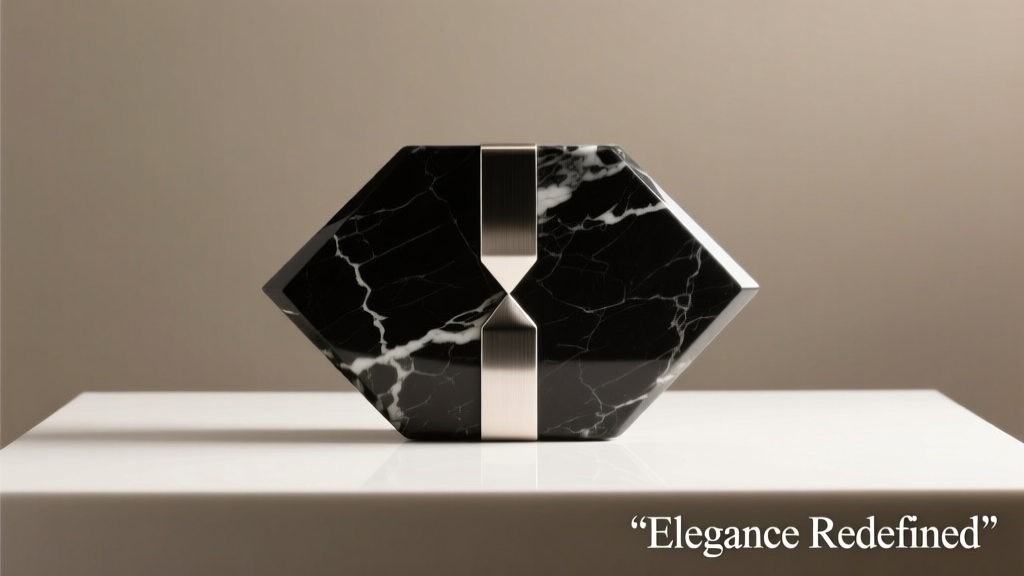
Also known as "Ebony Pearl," this dense, dark variant features a deep black to charcoal gray base with subtle mineral inclusions. Dominated by biotite and hornblende, it often displays a polished, reflective surface.
Key Features
- Dominant dark minerals (biotite, hornblende) create rich color
- Phenocrysts of quartz and feldspar add granular contrast
- Light quartz veins provide visual interest
- Highly polishable for a sleek, modern finish
Considerations
- Shows dust and fingerprints more easily
- May require periodic re-polishing in high-traffic areas
Best for: Monuments, commercial flooring, kitchen countertops, and exterior cladding
Red Granite
This vibrant variety gets its reddish tone from abundant potassium feldspar. It ranges from fine to coarse grain depending on the rate of magma cooling, offering both smooth and textured finishes.
Key Features
- Rich red hues due to high potassium feldspar content
- Variable grain size enhances design versatility
- Naturally durable and resistant to weathering
- Commonly found in the Rocky Mountains and northeastern U.S.
Considerations
- Color intensity may vary between quarries
- May fade slightly under prolonged UV exposure
Best for: Landscaping, building facades, and statement interior features
Blue or Grey Granite
Often referred to as blue granite, this type ranges from pale silver-blue to deep steel gray. Its color depends on the ratio of quartz to plagioclase feldspar, with labradorite being a common identifying mineral.
Key Features
- Color varies from light blue to deep gray based on mineral ratios
- Contains dark grains of plagioclase or hornblende
- Highly polishable with a smooth, lustrous finish
- Labradorite inclusions may display iridescent sheen
Considerations
- Rarer than other types, potentially increasing cost
- Color consistency may vary across slabs
Best for: Premium countertops, luxury interiors, and artistic installations
| Type | Primary Minerals | Color Range | Grain Texture | Common Uses |
|---|---|---|---|---|
| Pink Granite | Quartz, Potassium Feldspar, Biotite | Light Pink to Pale Rose | Coarse, with visible feldspar | Countertops, Flooring, Cladding |
| Black Granite | Biotite, Hornblende, Quartz | Deep Black to Charcoal Gray | Granular with phenocrysts | Monuments, Commercial Surfaces |
| Red Granite | Potassium Feldspar, Quartz | Reddish-Brown to Crimson | Fine to Coarse | Exterior Walls, Landscaping |
| Blue/Grey Granite | Plagioclase, Quartz, Hornblende | Pale Blue to Steel Gray | Smooth, Polished | Luxury Interiors, Decorative Stone |
Based on Mineral Composition
Geologically, posterior granite and related rocks are classified by their specific mineral assemblages. This scientific categorization helps geologists and engineers understand formation conditions, structural integrity, and suitability for different applications.
Granodiorite
A close relative of granite, granodiorite contains more plagioclase feldspar than potassium feldspar, giving it a darker, more mafic appearance. It retains high quartz content, distinguishing it from diorite.
Characteristics
- Higher plagioclase than potassium feldspar
- Resembles diorite but with more quartz
- Contains glassy quartz zones
- Denser and more durable than standard granite
Limits
- Less common in commercial stone markets
- May be harder to cut and shape
Gabbro
A mafic intrusive rock, gabbro is the dark, dense counterpart to felsic granite. It lacks quartz and is rich in plagioclase and pyroxene, giving it a uniformly dark appearance.
Characteristics
- No quartz content
- Rich in plagioclase and pyroxene
- Dark gray to black color
- High density and compressive strength
Limits
- Less versatile for decorative use
- Not suitable for applications requiring light color
Rhyolite
The volcanic equivalent of granite, rhyolite forms from rapidly cooled lava. It shares a similar composition—high in quartz and potassium feldspar—but has a fine-grained texture due to quick solidification.
Characteristics
- Felsic composition like granite
- Fine-grained due to rapid cooling
- Light in color (white, pink, gray)
- May exhibit flow banding
Limits
- Less durable than intrusive granite
- Potentially porous, requiring sealing
Monzogranite
A granitic rock with nearly equal amounts of plagioclase and potassium feldspar. It resembles granite but contains more plagioclase and fewer dark minerals.
Characteristics
- Balanced feldspar composition
- Light to medium gray color
- Few dark minerals (hornblende, biotite)
- Uniform texture and appearance
Limits
- Less contrast than other granites
- May be confused with quartz monzonite
Quartz Monzonite
Similar to monzogranite but with higher quartz content, making it lighter in color and slightly more durable. It contains roughly equal amounts of oligoclase and potassium feldspar.
Characteristics
- Higher quartz than monzogranite
- Lighter color and enhanced durability
- Low concentration of dark minerals
- Excellent for structural applications
Limits
- Less availability in decorative markets
- May require specialized cutting tools
Expert Tip: When selecting posterior granite for construction or design, consider both aesthetic preferences and environmental conditions. For outdoor use, opt for denser varieties like black granite or granodiorite, which resist weathering. For interiors, pink or blue granites offer visual warmth and elegance. Always verify mineral composition with geological reports for structural applications.
Industrial Applications of Posterior Granite: Durability Meets Elegance
Posterior granite, renowned for its exceptional hardness, resistance to weathering, and natural aesthetic appeal, plays a vital role across multiple industrial and architectural sectors. As a form of igneous rock composed primarily of quartz, feldspar, and mica, it offers superior strength and longevity, making it a preferred material for both functional and decorative applications. From timeless memorials to modern kitchen designs, posterior granite combines practicality with visual sophistication.
Key Industrial and Architectural Applications
Memorials and Monuments
Posterior granite is a premier choice for constructing memorials, headstones, statues, and commemorative plaques due to its extraordinary durability and ability to maintain a polished finish over decades—even in harsh outdoor environments. Its resistance to erosion, freeze-thaw cycles, and UV degradation ensures that inscriptions and carvings remain legible and visually striking for generations.
Historically, granite has been used in iconic structures such as government buildings, war memorials, and public monuments. For example, the Lincoln Memorial in Washington, D.C., features Yule Marble but incorporates high-grade granite in its foundation and surrounding elements for structural integrity. While the claim about "patented granite" is a misnomer—granite itself cannot be patented—specific quarry sources and finishing techniques may be trademarked or proprietary.
Countertops
In residential and commercial kitchens and bathrooms, posterior granite countertops are highly valued for their heat resistance, scratch resistance, and low maintenance. With a Mohs hardness rating of 6–7, granite can withstand daily use without chipping or warping under normal conditions.
Each slab is unique, offering a natural variation in color and pattern that enhances interior design. When polished, the surface becomes non-porous (especially after sealing), resisting stains from oil, wine, and acids. This combination of beauty, functionality, and hygiene makes granite a top-tier choice for countertops in homes, hotels, and restaurants.
Tiles and Flooring
Posterior granite tiles are widely used in flooring applications where durability and elegance are paramount. Ideal for high-traffic areas such as lobbies, shopping malls, airports, and luxury residences, granite flooring resists wear, abrasion, and impact far better than ceramic or marble.
Available in various finishes—including polished, honed, flamed, and brushed—granite flooring can be tailored to suit different design aesthetics. Polished finishes offer a glossy, reflective look perfect for formal spaces, while honed or textured finishes provide slip resistance and a more understated appearance, ideal for outdoor patios or commercial walkways.
Kitchen Sinks and Bathtubs
Engineered granite composites—often made from crushed posterior granite bound with resin—are increasingly used in the manufacturing of sinks, bathtubs, and integrated countertops. These products inherit the natural beauty of granite while enhancing flexibility and moldability for complex shapes.
Granite sinks are non-porous, resistant to stains and odors, and capable of withstanding thermal shock. They also offer sound-dampening properties, reducing noise from running water or clattering dishes. Similarly, granite bathtubs combine durability with a luxurious feel, maintaining temperature well and requiring minimal upkeep when properly sealed.
Structural and Civil Engineering Uses
Beyond decorative applications, posterior granite serves as a critical construction material in civil engineering. It is quarried and processed into dimension stone for façades, columns, and staircases, or crushed into aggregate for roads, bridges, railway ballast, and concrete reinforcement.
Due to its compressive strength (typically 100–300 MPa), granite provides excellent load-bearing capacity and long-term stability. Its low water absorption rate and resistance to chemical weathering make it suitable for infrastructure projects exposed to moisture, salt, or pollution. In coastal regions and mountainous terrains, granite-based construction materials help ensure structural resilience against environmental stressors.
Design Versatility and Color Range
One of the most appealing aspects of posterior granite is its wide array of colors and veining patterns, influenced by mineral composition and geological formation. Common hues include black, gray, pink, red, green, and blue, each offering unique visual characteristics.
This diversity allows architects and designers to match granite to specific themes—be it modern minimalism, rustic charm, or opulent classicism. Whether used in monolithic cladding, mosaic tile work, or sculptural elements, posterior granite adapts seamlessly to both traditional and contemporary design visions.
| Application | Durability Level | Key Benefits | Common Finishes |
|---|---|---|---|
| Memorials & Monuments | Very High | Weather-resistant, long-lasting, maintains polish | Polished, honed, sandblasted |
| Countertops | High | Heat-resistant, scratch-resistant, aesthetically unique | Polished, honed |
| Flooring & Tiles | Very High | Slip-resistant (textured), wear-resistant, low maintenance | Polished, honed, flamed, brushed |
| Sinks & Bathtubs (Composite) | High | Non-porous, stain-resistant, sound-dampening | Polished, matte |
| Structural Construction | Very High | Load-bearing, weatherproof, chemically stable | Rough-cut, split-face, sawn |
Maintenance Tips for Longevity
Note: The term "posterior granite" is not a recognized geological classification. It may be a misstatement or typographical error—likely intended to refer to specific types of granite (e.g., from a particular region or with certain mineral traits). In technical contexts, granite is classified by composition (e.g., alkali feldspar granite, tonalite) or source (e.g., Barre Granite, Kashmir White). Always verify material specifications with suppliers for accuracy in industrial applications.
Product Considerations When Buying Posterior Granite
Posterior granite is a premium natural stone prized for its elegance, resilience, and timeless appeal. Whether used in residential kitchens, commercial buildings, or monumental architecture, understanding the key product considerations ensures customers receive both aesthetic satisfaction and long-term performance. This guide outlines the essential factors to evaluate when selecting and recommending posterior granite.
Benefits of Posterior Granite
Posterior granite stands out in the world of natural stone due to its exceptional combination of beauty and functionality. It’s a top choice for high-traffic areas like kitchen countertops, bathroom vanities, flooring, and even exterior cladding due to its durability and low maintenance.
- Stunning Aesthetics: Each slab features unique veining and color variations, offering a one-of-a-kind look that enhances any space.
- Superior Durability: Resistant to scratches, heat, and everyday wear, making it ideal for busy households and commercial environments.
- Water & Stain Resistance: When properly sealed, posterior granite resists moisture absorption and staining from oils, wine, and common kitchen spills.
- Low Maintenance: Requires only regular cleaning with mild soap and water, with periodic resealing to maintain protection.
Key Insight: Emphasize the long-term value—while the initial investment may be higher, the lifespan and timeless appeal of granite often outweigh cheaper alternatives.
Quality & Mineral Composition
The quality of posterior granite is directly tied to its geological formation and mineral makeup. High-quality granite forms deep within the Earth’s crust under intense pressure and slow cooling, resulting in a dense, tightly bonded crystalline structure.
- Grain Structure: Coarse-grained granite typically indicates slower cooling and superior hardness and durability. Fine-grained varieties may be more porous and less resilient.
- Mineral Content: The presence of quartz, feldspar, and mica determines strength and appearance. Higher quartz content increases scratch resistance.
- Uniformity: Look for consistent density and minimal fissures or pits, which can compromise structural integrity over time.
- Hardness Test: Reputable suppliers often provide Mohs hardness ratings—posterior granite typically scores between 6 and 7, indicating excellent scratch resistance.
Pro Tip: Always inspect physical samples under natural light to assess true color, grain, and potential flaws before purchase.
Color & Pattern Variability
One of the most captivating aspects of posterior granite is its natural variation in color and pattern, driven by the unique mineral composition of each quarry. No two slabs are identical, making slab selection a critical step in the buying process.
- Quartz Influence: Adds light tones, sparkle, and translucency, often creating a bright, airy appearance.
- Biotite & Hornblende: Contribute darker specks and veins, adding depth and contrast to the stone.
- Feldspar: Imparts pink, white, or cream hues, influencing the overall warmth of the slab.
- Unique Character: Natural variations like swirls, flecks, and veining ensure each installation is a distinctive work of art.
Important Note: Because of this variability, it’s strongly recommended that buyers view and approve the exact slab(s) they will receive—especially for large installations where consistency matters.
Origin & Sourcing
The geographic origin of posterior granite significantly impacts its appearance, availability, pricing, and sustainability. Different regions produce granite with distinct characteristics due to unique geological conditions.
- Brazil: Known for rich, exotic patterns and deep colors; often premium-priced due to high demand and quality.
- India: Offers a wide range of affordable, high-quality options with consistent supply and diverse color palettes.
- Italy: Renowned for refined, elegant finishes and precision craftsmanship, often used in luxury applications.
- Other Sources: Canada, South Africa, and Scandinavia also produce specialty granites with unique mineral profiles.
Logistics Insight: Consider shipping costs, lead times, and import regulations when sourcing internationally. Locally available stone may reduce carbon footprint and delivery delays.
Surface Finishes & Their Impact
The finish applied to posterior granite dramatically influences its visual appeal, texture, and functional performance. Choosing the right finish depends on the intended use and design preferences.
- Polished Finish: High-gloss, reflective surface that enhances color depth and elegance—ideal for formal kitchens and showrooms.
- Honed Finish: Matte, smooth surface with a soft luster; less prone to showing scratches and fingerprints, perfect for high-traffic or family-friendly spaces.
- Leathered Finish: Textured surface that mimics leather; excellent at hiding use marks and providing slip resistance, great for countertops and flooring.
- Flamed or Brushed: Rougher textures used primarily in exterior applications for added durability and non-slip properties.
Design Tip: Pair the finish with the room’s function—polished for luxury, honed for practicality, and leathered for rustic or modern-industrial styles.
Installation & Maintenance Guidance
Proper installation and care are essential to preserving the beauty and integrity of posterior granite over time.
- Professional Fabrication: Ensure precise cutting and edge profiling by experienced technicians to avoid chipping or misalignment.
- Sealing: Apply a high-quality impregnating sealer every 1–2 years, depending on usage and finish, to protect against stains and moisture.
- Cleaning: Use pH-neutral cleaners; avoid acidic substances like vinegar or lemon juice that can etch the surface.
- Heat Protection: While heat-resistant, sudden extreme temperature changes can cause thermal shock—use trivets for hot pots.
Customer Service Tip: Provide care guides and sealing reminders to enhance customer satisfaction and build trust.
Expert Recommendation: Guide customers to select posterior granite based on lifestyle and design goals. For modern kitchens, a polished black or gray granite offers sophistication. For rustic or farmhouse styles, a leathered or honed finish with warm undertones creates a welcoming feel. Always encourage viewing full slabs in person to ensure alignment with expectations.
| Factor | Recommended Practice | Benefit | Lifespan Impact |
|---|---|---|---|
| Slab Selection | Choose in person from full slab inventory | Ensures desired color and pattern match | High – avoids dissatisfaction and returns |
| Surface Finish | Match finish to room function (e.g., honed for kitchens) | Improves usability and longevity | High – reduces wear visibility |
| Sealing Frequency | Re-seal every 12–24 months | Prevents staining and water damage | Very High – critical for maintenance |
| Origin Sourcing | Balanced choice between cost, quality, and availability | Optimizes value and delivery time | Moderate – affects initial investment |
Additional Considerations
- Environmental Impact: Natural granite is sustainable and recyclable, but quarrying practices vary—opt for suppliers with responsible extraction methods.
- Thickness & Support: Standard thicknesses are 2cm or 3cm; heavier slabs may require reinforced cabinetry or structural support.
- Edge Profiles: Choose from eased, beveled, bullnose, or ogee edges to complement the design aesthetic.
- Warranty & Certification: Reputable suppliers often provide product certifications and limited warranties against defects.
- Lighting Interaction: Polished finishes reflect light, brightening spaces, while matte finishes diffuse light for a softer ambiance.
Benefits of Posterior Granite: A Premium Choice for Modern Architecture
Once regarded as a plain, utilitarian stone, granite has undergone a remarkable transformation thanks to advances in quarrying, processing, and finishing technologies. Today, posterior granite—often used to describe refined, polished, or architecturally enhanced granite—is a symbol of elegance and resilience in both residential and commercial spaces. Its unique combination of natural beauty, strength, and adaptability makes it a top-tier material for countertops, flooring, cladding, and outdoor installations. Below are the key benefits that make posterior granite a preferred choice among architects, designers, and homeowners.
1. Exceptional Aesthetic Appeal
Modern granite cultivation and polishing techniques have unlocked the stone’s inherent visual richness. Unlike synthetic materials, each slab of posterior granite features one-of-a-kind veining, crystalline patterns, and a deep luster that cannot be replicated. Available in a broad spectrum of colors—from classic whites and grays to exotic blues, greens, and reds—granite enhances any design theme, whether traditional, contemporary, or minimalist.
The natural uniqueness of every slab ensures that no two installations are identical, making granite tiles and countertops a signature element of personalized luxury. Polished, honed, flamed, or brushed finishes further expand design possibilities, allowing customization to suit specific environments and lighting conditions.
2. Increased Home Value and Market Appeal
Granite countertops are consistently ranked among the top features that boost a home’s resale value. Real estate professionals and appraisers often note that properties with granite installations in kitchens and bathrooms command higher prices and attract buyers more quickly.
This premium perception stems from granite’s association with quality craftsmanship and enduring style. Prospective homeowners view granite as a long-term investment rather than a temporary upgrade. As a result, installing posterior granite can yield a strong return on investment (ROI), often recouping 70–80% of its cost at resale, depending on market conditions and regional preferences.
Expert Tip: To maximize resale appeal, choose neutral or widely popular granite tones (such as Uba Tuba, Santa Cecilia, or Absolute Black) for high-traffic areas like kitchens. These colors have broad market acceptance and minimize the risk of aesthetic mismatch for future buyers.
3. Superior Durability and Resilience
Formed deep within the Earth’s crust under extreme heat and pressure, granite is one of nature’s most durable building materials. It is highly resistant to scratches, chipping, and thermal shock, making it ideal for high-use areas. You can safely place hot pots and pans directly on a granite countertop without fear of cracking or discoloration.
Compared to softer stones like marble, granite is less porous and more stain-resistant—especially when properly sealed every 1–2 years. It withstands daily wear from knives, appliances, and cleaning agents, maintaining its integrity and appearance for decades with minimal maintenance.
4. Unmatched Versatility in Application
Quarried in large, solid blocks, posterior granite can be precision-cut and finished for a wide range of architectural and decorative applications. Its structural integrity and weather resistance make it suitable for both interior and exterior use, including:
- Kitchen and bathroom countertops – Combines functionality with luxury
- Flooring and wall cladding – Adds texture and depth to living spaces
- Outdoor patios, garden pathways, and driveways – Withstands freeze-thaw cycles and UV exposure
- Fireplace surrounds and stair treads – Offers both beauty and safety
- Commercial facades and public installations – Provides long-term durability in high-traffic environments
This adaptability allows architects and builders to create cohesive, high-end designs across entire properties, using a single material to unify different spaces and functions.
| Benefit | Key Features | Ideal Applications | Maintenance Requirements |
|---|---|---|---|
| Aesthetic Appeal | Unique patterns, rich colors, customizable finishes | Kitchens, bathrooms, feature walls | Regular cleaning, periodic sealing |
| Increased Home Value | Premium perception, high buyer demand | Main living areas, resale-focused renovations | Minimal; focus on preserving finish |
| Durability | Heat, scratch, and impact resistance | Cooktops, outdoor kitchens, flooring | Seal every 1–2 years; avoid acidic cleaners |
| Versatility | Multipurpose use, structural strength | Interior/exterior walls, landscaping, stairs | Depends on application; outdoor areas may require more frequent inspection |
Important Note: While granite is highly durable, it is not indestructible. Avoid standing on countertops, using abrasive cleaners, or exposing sealed surfaces to harsh chemicals like bleach or ammonia, which can degrade the sealant over time. Proper care ensures lasting beauty and performance.
Final Considerations
Choosing posterior granite goes beyond aesthetics—it’s a commitment to quality, longevity, and timeless design. Whether you're renovating a kitchen, building a new home, or enhancing outdoor living spaces, granite offers a rare balance of elegance and practicality.
For optimal results, work with certified fabricators and installers who can ensure precise measurements, proper support structures, and professional sealing. With the right care, your granite installations can remain stunning and functional for generations.
Frequently Asked Questions (FAQs) About Posterior Granite
Is posterior granite suitable for outdoor applications?Yes, posterior granite is an excellent choice for outdoor installations due to its exceptional durability and natural resistance to environmental factors. Granite is formed under extreme heat and pressure, giving it inherent strength that makes it highly resistant to:
- Weathering: It withstands freeze-thaw cycles, heavy rain, and humidity without cracking or deteriorating.
- UV Exposure: Unlike some synthetic materials, granite does not fade when exposed to prolonged sunlight, maintaining its color and luster for decades.
- Temperature Fluctuations: It remains stable across a wide range of temperatures, making it ideal for use in patios, walkways, pool surrounds, and exterior cladding.
For optimal performance, ensure proper sealing and installation with adequate drainage to prevent water accumulation, which can lead to staining or moss growth over time.
How should one maintain a posterior granite countertop?Maintaining a posterior granite countertop is simple and requires minimal effort to preserve its beauty and functionality. Follow these best practices for daily and long-term care:
- Daily Cleaning: Wipe the surface with a soft cloth or sponge using warm water and a mild, pH-neutral detergent. Avoid vinegar, ammonia, or citrus-based cleaners, as their acidity can erode the sealant and dull the finish.
- Spill Management: Clean up spills promptly—especially oil, wine, or acidic substances—to prevent staining.
- Avoid Abrasives: Do not use steel wool, scrubbing pads, or harsh powders, as they can scratch the polished surface.
- Use Cutting Boards: Although granite is scratch-resistant, using cutting boards protects both the countertop and your knives.
With consistent care, your granite countertop will retain its elegance and structural integrity for many years.
How often should a posterior granite countertop be sealed?The sealing frequency for a granite countertop varies depending on the stone’s porosity, color, and usage. Here’s a detailed guide:
| Granite Type | Porosity Level | Recommended Sealing Frequency | Tips |
|---|---|---|---|
| Dark, dense granites (e.g., Absolute Black) | Low | Every 3–5 years | Highly resistant to stains; sealing is more preventive than essential. |
| Medium-toned granites (e.g., Uba Tuba) | Moderate | Every 1–2 years | Test annually with a water droplet to check absorption. |
| Light-colored or highly porous granites (e.g., White Ice) | High | Annually or biannually | More prone to staining; frequent sealing is crucial. |
To test if sealing is needed, perform the "water test": Place a few drops of water on the surface. If it darkens or beads up after 10–15 minutes, resealing is recommended. Always follow the manufacturer's instructions for the specific sealer and allow proper curing time.
Can granite be recycled?Yes, granite is not only recyclable but also widely repurposed in sustainable construction and design. Recycling granite reduces landfill waste and conserves natural resources. Common recycled applications include:
- Construction Aggregate: Crushed granite is used as a base material in roadways, driveways, and concrete mixtures, providing strength and stability.
- Landscaping: Chipped or broken granite serves as decorative mulch, retaining walls, garden pathways, and drainage solutions.
- Architectural Elements: Reclaimed granite slabs can be refinished for use in flooring, wall cladding, or countertops in new buildings.
- Eco-Friendly Design: Architects and designers increasingly incorporate recycled granite into sustainable building projects to meet green certification standards like LEED.
Many stone fabricators and demolition companies now offer granite recycling programs, making it easier than ever to dispose of granite responsibly.
What is the primary factor that makes posterior granite a good building material?The most significant advantage of posterior granite is its **exceptional durability and longevity**, making it one of the most reliable natural stones for construction. This stems from several key properties:
- Strength and Hardness: With a Mohs hardness rating of 6–7, granite resists scratches, chips, and dents better than most materials, including marble and concrete.
- Weather Resistance: It performs exceptionally well in both extreme heat and cold, resisting erosion, cracking, and discoloration caused by sun, rain, snow, or wind.
- Low Maintenance: Once sealed, granite requires minimal upkeep and is easy to clean, reducing long-term maintenance costs.
- Aesthetic Longevity: Its natural patterns and colors remain vibrant over time, enhancing curb appeal and property value.
- Fire and Heat Resistance: Granite does not burn or emit toxic fumes when exposed to high temperatures, making it safe for kitchens and fireplaces.
These qualities make posterior granite a preferred choice for countertops, flooring, façades, and structural elements in both residential and commercial buildings. Its combination of beauty, resilience, and sustainability ensures it remains a top-tier material in modern construction.









