When shopping for fine jewelry, few decisions carry as much weight as choosing between platinum-plated and solid platinum pieces. One promises luxury, longevity, and prestige; the other offers affordability and aesthetic appeal at a fraction of the cost. But with such a dramatic price gap—sometimes hundreds or even thousands of dollars apart—is the investment in solid platinum truly justified? The answer depends on your priorities: budget, wear frequency, sentimental value, and how you define lasting quality.
This article breaks down the real differences between platinum-plated and solid platinum jewelry, evaluates their performance over time, and helps you decide whether paying more for solid platinum delivers tangible returns or simply inflates status without substance.
Understanding the Materials: What’s the Difference?
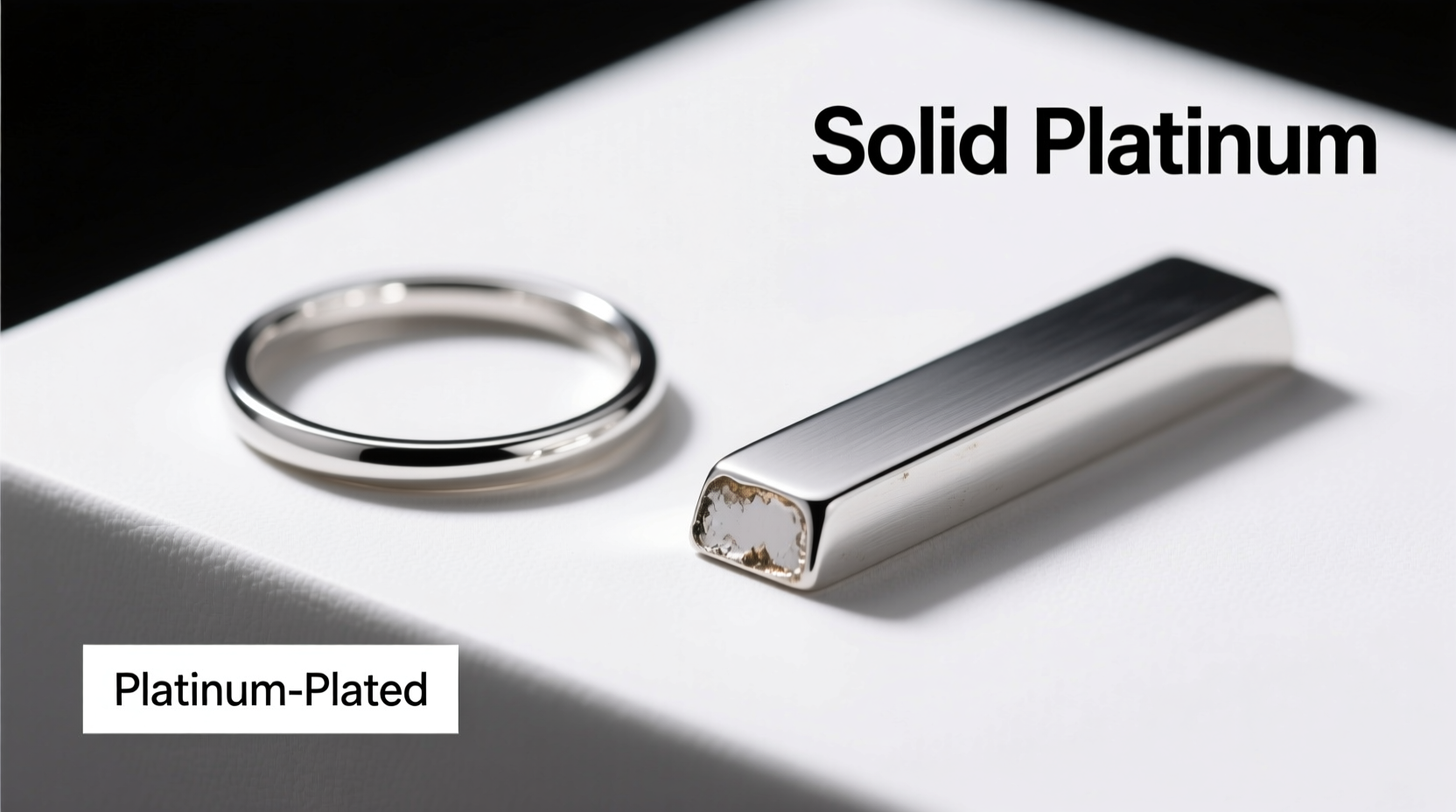
At first glance, platinum-plated and solid platinum jewelry may appear identical. Both shine with that cool, silvery luster associated with high-end elegance. However, beneath the surface lies a fundamental distinction in composition and integrity.
- Solid Platinum: Made from 90–95% pure platinum, alloyed with metals like ruthenium or iridium for strength. It is dense, heavy, hypoallergenic, and naturally white—requiring no plating to maintain its color.
- Platinum-Plated Jewelry: Typically consists of a base metal (often copper, brass, or stainless steel) coated with a thin layer of platinum—usually less than 0.5 microns thick. This layer gives the appearance of platinum but lacks its structural and chemical properties.
The core issue isn’t just material purity—it’s permanence. Solid platinum lasts a lifetime with minimal maintenance. Platinum plating, however, wears off. How quickly depends on usage, but even gentle daily wear can erode the coating within 6 to 18 months.
Tip: If a piece feels unusually light for its size, it’s likely not solid platinum. Genuine platinum has substantial heft due to its high density.Durability & Longevity: Which Holds Up Over Time?
Jewelry is often purchased for milestones—engagements, anniversaries, inheritances. These moments demand pieces that endure. Here, solid platinum excels where plated alternatives falter.
Solid platinum develops a natural patina over time, which many collectors appreciate as a sign of character. Unlike gold, it doesn’t tarnish or corrode. It can be polished back to original luster and repaired without compromising integrity. Rings, bracelets, and pendants made from solid platinum routinely last generations.
In contrast, platinum-plated items degrade predictably. As the outer layer wears, the base metal becomes exposed. This leads to discoloration (often yellowish or gray), skin irritation (if nickel is present), and eventual flaking. Once the plating fails, restoration requires re-plating—a recurring expense that accumulates over time.
“Platinum plating is cosmetic, not structural. You’re buying an illusion that fades. Solid platinum is an heirloom-grade material built to outlive trends.” — Daniel Reeves, Master Jeweler & GIA Graduate
Cost Analysis: Upfront Price vs. Lifetime Value
On paper, platinum-plated jewelry wins on affordability. A platinum-plated engagement ring might cost $150, while a comparable solid platinum design starts around $3,000. That’s a 20x difference. But focusing only on initial cost ignores long-term ownership expenses.
| Factor | Platinum-Plated Jewelry | Solid Platinum Jewelry |
|---|---|---|
| Average Initial Cost | $50 – $300 | $1,500 – $10,000+ |
| Lifespan (with regular wear) | 1–3 years before visible wear | Decades to generations |
| Maintenance Needs | Re-plating every 1–2 years ($50–$150 each) | Polishing every 1–2 years ($75–$125) |
| Hypoallergenic Properties | Only if base metal is inert; often not | Naturally hypoallergenic |
| Resale/Recycle Value | Negligible | High (based on platinum weight) |
Over a decade, maintaining a plated piece could cost more than half the price of a solid platinum alternative. And unlike solid platinum, plated jewelry holds no resale value. There’s no scrap return because the platinum content is too minimal to extract economically.
Real-Life Example: Two Rings, Ten Years Apart
Consider two customers who bought engagement rings in 2014.
- Sarah chose a platinum-plated white metal band for $180. She loved it initially, but by 2016, the ring began showing copper tones near the edges. She had it re-plated twice—at $75 each time—but noticed increased skin sensitivity. By 2020, the base metal corroded, and she replaced it with a new fashion ring.
- Jamila invested $4,200 in a solid platinum solitaire. She had it professionally polished once every 18 months (costing ~$100 each). In 2024, the ring remains in excellent condition, recently appraised at $4,800 due to rising platinum prices. It will be passed to her daughter.
Sarah spent $330 and ended up with nothing tangible. Jamila spent more upfront but gained durability, emotional value, and financial equity. The true cost difference flips when viewed through time.
When Platinum Plating Makes Sense
That said, platinum-plated jewelry isn’t inherently flawed—it’s context-dependent. It serves a legitimate purpose for certain buyers and situations.
For occasional wear—statement earrings for weddings, trendy necklaces, costume sets—plated pieces offer style without commitment. They allow experimentation with high-end looks on a budget. Fashion-forward individuals who rotate accessories frequently may never reach the point of noticeable wear.
Additionally, those with sensitive skin should check the base metal. Some platinum-plated items use surgical steel or titanium cores, reducing allergy risks. Always verify materials before purchase.
Tip: Use a jeweler’s loupe or magnifier to inspect seams and clasps. If you see a color mismatch or layer separation, it’s plated.Step-by-Step Guide: Choosing the Right Option for You
- Define the Purpose: Is this a daily-wear item or occasional accessory?
- Assess Your Budget: Can you afford a one-time investment, or do you need low upfront cost?
- Check Skin Sensitivity: Do you react to base metals like nickel or copper?
- Estimate Wear Frequency: Will it be worn 5+ days a week? Then avoid plating.
- Evaluate Sentimental Value: Is it a gift meant to last decades? Choose solid platinum.
- Research the Seller: Reputable jewelers disclose plating thickness and base materials.
- Ask About Maintenance: Confirm re-plating costs and availability before buying plated items.
Frequently Asked Questions
Can I tell if jewelry is platinum-plated just by looking?
No—not reliably. Visual inspection alone isn’t enough. Look for hallmarks like “950 Plat” (solid) versus “Plat Plated” or no marking at all. Weight and professional testing are more accurate indicators.
Does platinum plating wear off faster on rings than necklaces?
Yes. Rings experience constant friction against surfaces, accelerating plating erosion. Necklaces and earrings, especially those not touching clothing, tend to retain plating longer.
Is recycled solid platinum as good as new?
Absolutely. Recycled platinum retains all physical and chemical properties of newly mined platinum. Many ethical jewelers now use 100% recycled content without sacrificing quality.
Final Verdict: Is the Price Difference Worth It?
The premium for solid platinum isn’t just about branding or exclusivity—it reflects intrinsic value. You pay for density, permanence, biocompatibility, and timeless worth. While platinum-plated jewelry fills a niche for temporary, budget-conscious styling, it cannot replicate the endurance or emotional resonance of the real thing.
If you seek jewelry that ages gracefully, appreciates subtly in value, and carries meaning across generations, solid platinum is worth every dollar. For fleeting fashion statements, plating offers a practical shortcut. But remember: what starts as savings can become recurring cost—and disappointment—over time.
💬 Have you experienced the long-term effects of plated vs. solid platinum jewelry? Share your story or questions below—your insights could help others make smarter, more confident choices.