
In 2025, sling bags are more than just accessories—they’re essential companions for urban commuters, travelers, and minimalist lifestyle adopters. As demand grows, so does the variety of materials used in their construction. Two of the most common synthetic fabrics dominate the market: nylon and polyester. While both offer durability and water resistance, subtle differences in performance, sustainability, and long-term value spark debate. Is upgrading from a polyester to a nylon sling bag truly worthwhile? The answer depends on your priorities, usage patterns, and expectations.
Material Fundamentals: What Sets Nylon and Polyester Apart?
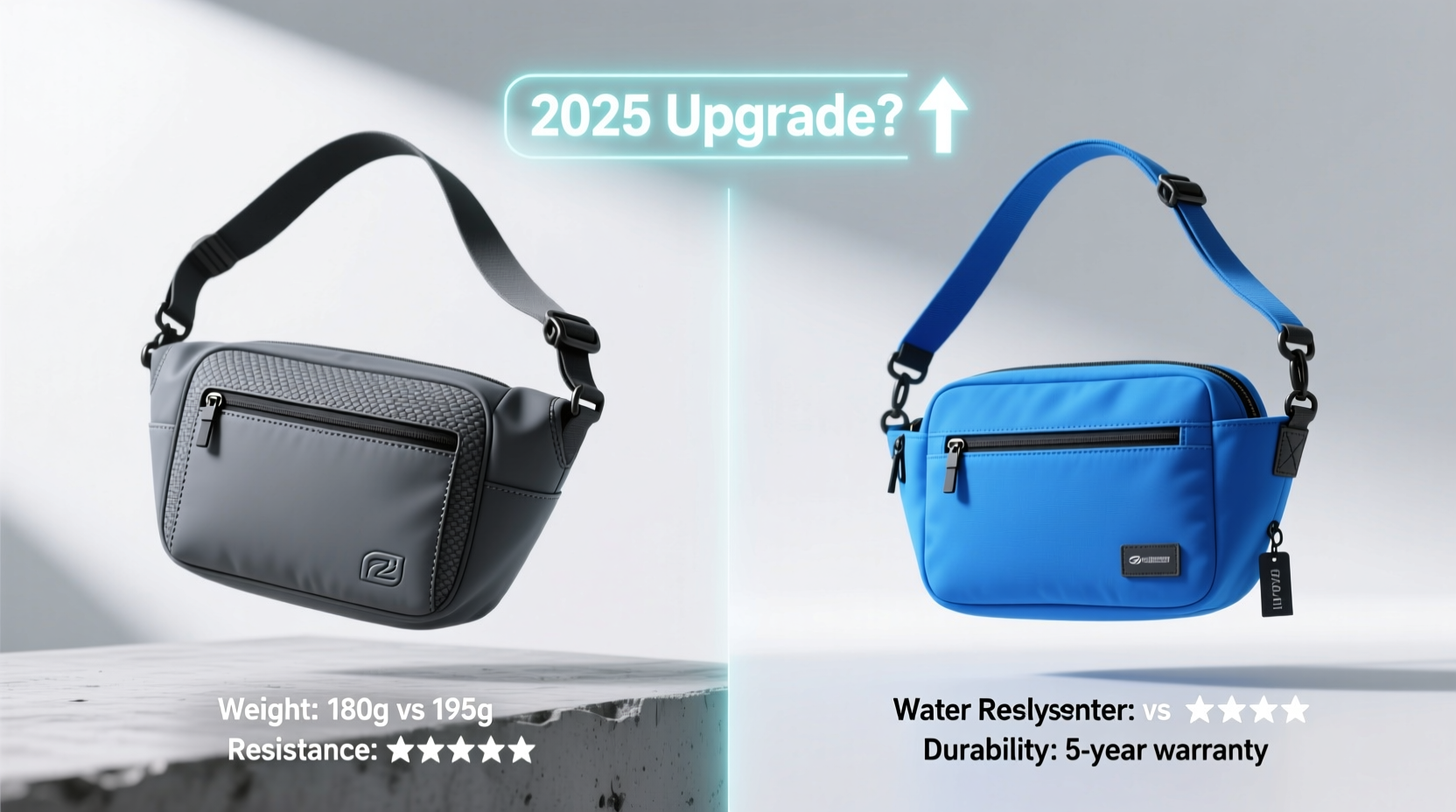
Nylon and polyester are both petroleum-based synthetic fibers, but their molecular structures lead to distinct physical properties. Understanding these differences is key to making an informed decision.
Nylon, first developed in the 1930s, is known for its exceptional strength and elasticity. It has a higher tensile strength than polyester, meaning it can withstand heavier loads and resist tearing under stress. This makes it ideal for gear that endures friction or impact—like hiking straps or frequently packed bags.
Polyester, introduced later, excels in color retention and resistance to UV degradation. It dries faster than nylon and resists stretching over time, maintaining its shape even after prolonged use. However, it’s generally less abrasion-resistant and can degrade faster when exposed to constant mechanical wear.
Tip: If you carry heavy tech gear daily, prioritize nylon for its superior load-bearing resilience.Durability and Long-Term Performance
Durability isn’t just about surviving a single trip—it’s about how well a bag ages over months or years of use. Here, nylon often holds the edge, especially in high-friction areas like shoulder straps and zippers.
Nylon’s natural abrasion resistance means it handles pavement contact, chair backs, and crowded commutes better. Over time, this translates into fewer frayed edges and split seams. Premium variants like Cordura® nylon—used in tactical and outdoor gear—are engineered for extreme durability, making them favorites among professionals and frequent travelers.
Polyester performs well under normal conditions but may show signs of wear sooner when subjected to repetitive stress. That said, modern weaving techniques and coatings (such as PU or silicone treatments) have significantly improved polyester’s toughness. High-denier polyester (600D and above) can rival mid-grade nylon in real-world use.
“While polyester has caught up in many areas, nylon still leads in dynamic durability—especially where flexibility and strength intersect.” — Dr. Lena Torres, Textile Engineer at Advanced Materials Lab
Water Resistance and Environmental Exposure
Both materials are inherently water-resistant, but they react differently to moisture. Nylon absorbs slightly more water than polyester (about 4% vs. 0.4%), which means it takes longer to dry. However, when treated with durable water repellent (DWR) coatings, nylon sheds water effectively and maintains performance in light rain.
Polyester’s low moisture absorption gives it an advantage in humid climates or during sweaty commutes. It resists mildew better and doesn’t feel clammy when damp. On the downside, untreated polyester can allow water to seep through fabric pores under pressure—like during a downpour while leaning against a wall.
For users in rainy regions, look beyond the base fabric. Fully taped seams, roll-top closures, and waterproof zippers matter more than material alone. In this context, a well-constructed polyester bag with sealed seams may outperform a poorly made nylon one.
Weight, Comfort, and Wearability
Sling bags thrive on comfort during extended wear. Weight and drape play crucial roles here.
Polyester tends to be lighter per denier than nylon, which contributes to featherlight designs. Many fashion-forward sling bags use ripstop polyester to achieve a sleek profile without sacrificing too much strength. The stiffness of polyester also helps maintain structure, preventing sagging when lightly loaded.
Nylon, particularly high-denier versions, can feel stiffer initially but softens with use. Its slight elasticity provides a “give” that conforms to body movement, reducing pressure points on the shoulder. For all-day wear—especially with 5+ pounds of contents—this flexibility enhances comfort.
| Feature | Nylon | Polyester |
|---|---|---|
| Tensile Strength | High (Best-in-class) | Moderate to High |
| Abrasion Resistance | Excellent | Good (improving with tech) |
| Moisture Absorption | 4% | 0.4% |
| Drying Time | Slower | Faster |
| UV Resistance | Fair (degrades faster in sun) | Excellent |
| Typical Use Cases | Outdoor, travel, heavy-duty | Urban, casual, lightweight |
Sustainability and Ethical Considerations in 2025
As eco-consciousness shapes consumer choices, the environmental footprint of materials matters more than ever. Neither nylon nor polyester is biodegradable, but advancements in recycled sourcing are changing the landscape.
Recycled nylon (often labeled ECONYL® or rPA) is gaining traction, using waste like fishing nets and carpet fluff. Brands like Patagonia and Fjällräven integrate it into sling bags with minimal performance loss. Similarly, recycled PET polyester—made from plastic bottles—is now standard in many affordable lines, including those from Amazon Basics and Herschel.
In 2025, choosing a bag made from recycled fibers reduces reliance on virgin plastics and lowers carbon emissions by up to 30%. However, microplastic shedding during washing remains a concern. To mitigate this, wash synthetic bags infrequently and use a microfiber-catching laundry bag.
Tip: Look for certifications like GRS (Global Recycled Standard) to verify sustainable claims.Real-World Example: Commuter Bag Failure After 18 Months
Take the case of Mark, a software developer in Seattle who cycled to work year-round. He bought a popular $75 polyester sling bag advertised as “water-resistant and rugged.” After 18 months, the shoulder strap stitching failed near the attachment point—a high-stress zone. Upon inspection, the fabric showed no tears, but the polyester webbing had stiffened and cracked slightly from constant flexing.
He replaced it with a nylon model from a niche outdoor brand, paying $120. Three years later, the same stress points remain intact. The nylon softened over time, distributing strain more evenly. While heavier by ounces, the upgrade reduced maintenance anxiety and eliminated the need for replacements.
This scenario illustrates that in demanding environments, material quality directly impacts longevity—and cost-per-use favors nylon despite the higher upfront price.
Is the Upgrade Worth It in 2025? A Practical Checklist
Before deciding whether to upgrade, assess your needs with this checklist:
- ✅ Do you carry more than 4–5 lbs regularly (laptop, power bank, books)? → Nylon recommended
- ✅ Are you frequently outdoors, biking, or traveling off-pavement? → Nylon preferred
- ✅ Is weight a top priority for daily comfort? → Polyester may suffice
- ✅ Do you live in a sunny or humid climate? → Polyester handles UV and moisture better
- ✅ Are you prioritizing sustainability? → Choose recycled version of either
- ✅ Is budget under $80? → Polyester offers better value at entry level
Frequently Asked Questions
Can I tell the difference between nylon and polyester by touch?
Yes, with practice. Nylon feels slightly softer and more pliable, with a subtle sheen. Polyester is crisper and may feel stiffer, especially in high-denier weaves. Rub the fabric: nylon often has a silkier glide, while polyester can feel more “plastic-like.”
Does nylon always cost more than polyester?
Generally, yes—especially for high-denier or ballistic grades. However, mass production has narrowed the gap. Some premium polyester slings now cost more than basic nylon models due to branding or design features.
Are there hybrid options combining both materials?
Absolutely. Many brands use nylon in high-wear zones (bottom panel, straps) and polyester elsewhere to balance weight, cost, and durability. These hybrids offer a smart middle ground for versatile use.
Final Verdict: When the Upgrade Makes Sense
In 2025, the choice between nylon and polyester sling bags isn’t about declaring one universally superior—it’s about alignment with your lifestyle. If you prioritize endurance, load capacity, and long-term reliability, upgrading to a quality nylon sling bag is absolutely worth it. The investment pays off in fewer repairs, less frequent replacements, and greater confidence in demanding conditions.
However, if your usage is light—carrying a phone, wallet, and small essentials around town—polyester remains a smart, cost-effective choice. Modern engineering has elevated its performance to respectable levels, and its advantages in UV resistance and drying speed shouldn’t be overlooked.
The real upgrade isn’t just the material—it’s making an intentional choice based on how you use your gear. Whether you choose nylon or polyester, opt for thoughtful design, reinforced stitching, and sustainable sourcing. That’s the future-proof approach.
🚀 Ready to make your next sling bag last five years instead of two? Re-evaluate your needs, inspect build quality, and choose material with purpose. Share your go-to bag below and help others upgrade wisely.