In an age where minimalism meets functionality, something as small as a keychain has evolved from a simple tool holder to a personal statement. No longer just about holding keys together, today’s keychains reflect lifestyle, taste, and even values. The two dominant materials—metal and leather—each bring their own strengths and aesthetics. But in 2024, with advancements in materials and shifting consumer priorities, does the choice between metal and leather still carry weight? Or has it become purely a matter of personal preference?
Durability and Longevity: How They Hold Up Over Time
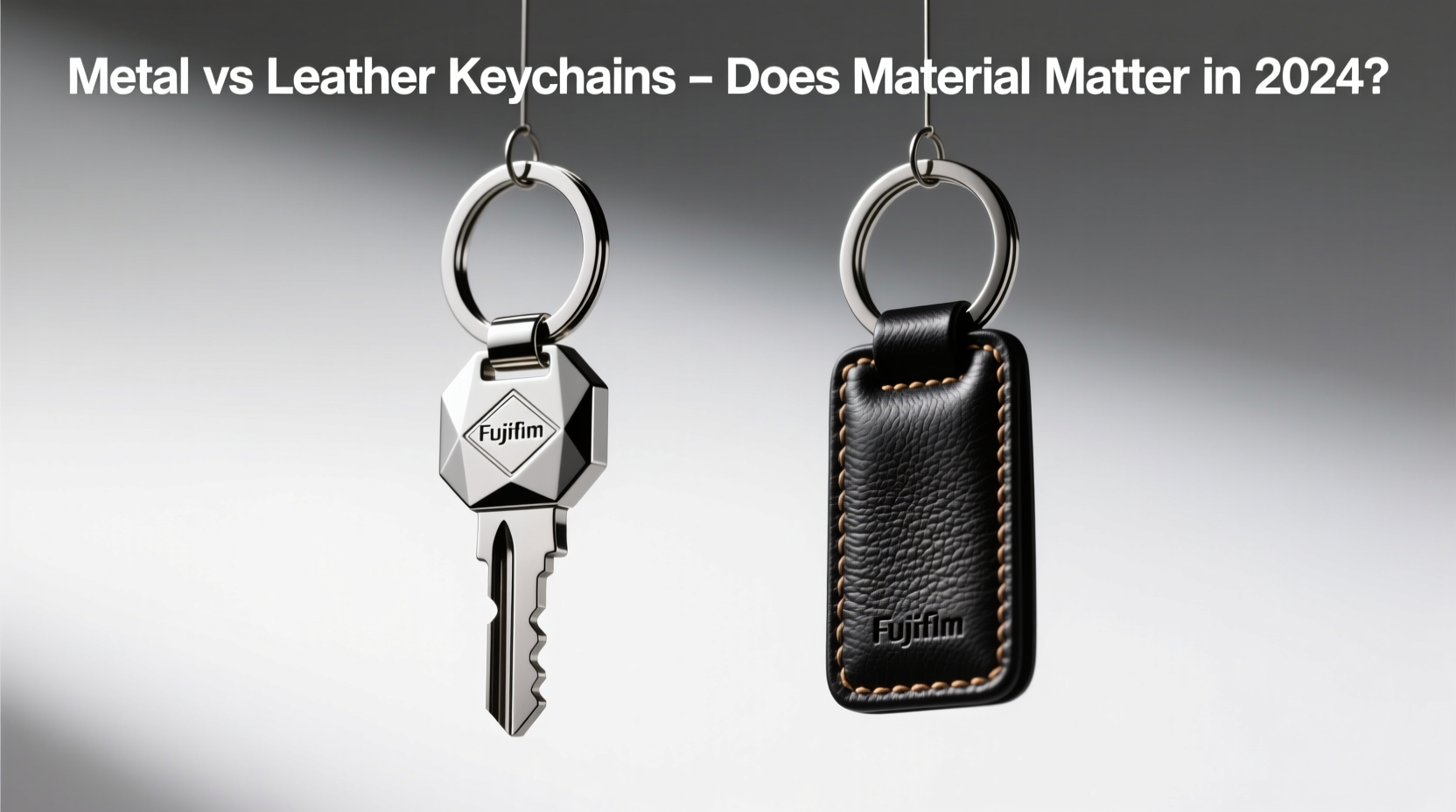
When evaluating any everyday carry item, longevity is paramount. A keychain is subjected to constant friction, drops, moisture, and daily wear. How each material responds to these stressors defines its practical value.
Metal keychains, typically made from stainless steel, brass, or aluminum, are inherently resilient. They resist tearing, water damage, and UV degradation. High-quality metal versions can last decades without significant wear. Anodized or coated metals add extra protection against corrosion and scratching, making them ideal for outdoor use or heavy-duty environments.
Leather keychains, on the other hand, age differently. While full-grain or bridle leather develops a rich patina over time, it’s more vulnerable to moisture, sharp edges, and prolonged sun exposure. Without proper conditioning, leather can dry out, crack, or fray. However, well-maintained leather gains character—a trait many users appreciate.
Tip: For maximum lifespan, choose metal if you're frequently outdoors or in humid climates; opt for leather if you value aging gracefully and routine maintenance.Style and Aesthetic Appeal in 2024
Fashion cycles evolve, but certain elements endure. In 2024, both minimalist industrial design and artisanal craftsmanship remain influential. This duality plays directly into the metal versus leather debate.
Metal keychains lean into the sleek, modern aesthetic. Brushed finishes, geometric shapes, and engraved details cater to fans of utilitarian design. Titanium bottle openers, machined carabiners, or custom laser-etched tags appeal to those who prioritize precision and clean lines.
Leather, by contrast, evokes tradition and warmth. Whether it’s a slim Horween bifold wrap or a braided whipstitch loop, leather exudes sophistication. It pairs naturally with watches, wallets, and jackets—especially in heritage or “quiet luxury” styles that have gained traction recently.
Interestingly, hybrid designs are rising in popularity. Leather-wrapped metal rings or metal clasps on leather straps merge both worlds, offering durability with visual softness.
“Materials aren’t just functional—they’re emotional cues. Leather speaks to craft and continuity; metal signals resilience and innovation.” — Daniel Reeves, Product Designer at Urban Carry Co.
Functionality and Practicality Compared
Beyond looks, how well does each material serve its purpose? Consider weight, noise, security, and usability.
Metal keychains are generally heavier, which some find reassuring (they feel substantial), but others dislike when jingling becomes loud or cumbersome. Poorly designed metal links can scratch phones or gouge pockets. However, modern CNC-machined models often feature rounded edges, silent sliders, or modular systems that reduce clutter.
Leather is lightweight and quiet. It doesn’t rattle, making it ideal for professionals or travelers who prefer discretion. Many leather key fobs include RFID-blocking layers or hidden compartments for emergency cash or micro-tools. Yet, leather lacks structural rigidity—attaching bulky keys may stretch or distort thinner straps over time.
| Feature | Metal Keychains | Leather Keychains |
|---|---|---|
| Weight | Heavier (30–150g) | Light (10–40g) |
| Noise Level | Can be noisy | Silent |
| Water Resistance | Excellent | Poor (unless treated) |
| Aging Behavior | Minimal change | Develops patina |
| Customization Options | Laser engraving, anodizing | Embossing, stitching color |
Environmental and Ethical Considerations
Today’s consumers increasingly weigh sustainability. Both materials come with trade-offs.
Metal production is energy-intensive, especially aluminum and titanium. However, most metals are infinitely recyclable. Stainless steel keychains often contain high recycled content and can be repurposed without quality loss. Responsible brands now disclose sourcing and use closed-loop manufacturing.
Leather raises questions about animal welfare and tanning processes. Chrome-tanned leather, while durable, involves toxic chemicals. Vegetable-tanned leather is eco-friendlier and biodegradable but takes longer to produce. Some ethical brands use offcuts from larger leather goods to minimize waste.
Alternatives like recycled metal alloys or plant-based leathers (e.g., cork, mushroom leather) are emerging, though not yet mainstream in keychain design.
Tip: Look for certifications like Oeko-Tex or membership in the Leather Working Group to verify ethical production standards.Real-World Example: The Commuter’s Dilemma
Take James, a software engineer in Seattle. He walks to transit daily, carries multiple keys and a pocket knife, and values quiet, reliable gear. His old metal keychain constantly clinked against his phone, scratching the screen. After switching to a vegetable-tanned leather wrap with a magnetic closure, he noticed immediate improvements: no noise, no scratches, and a warmer look that matched his leather watch strap. However, after six months of rainy commutes, the leather darkened unevenly due to lack of conditioning. He now applies leather balm monthly—a small ritual he’s come to appreciate.
This case illustrates a growing trend: users aren’t choosing one material permanently. Instead, they curate keychains based on season, outfit, or activity—much like watches or bags.
How to Choose: A Practical Checklist
Still undecided? Use this checklist to guide your decision:
- ✅ Do you live in a wet or humid climate? → Lean toward metal.
- ✅ Do your keys rattle loudly? → Leather reduces noise.
- ✅ Do you want a personalized gift? → Metal allows precise engraving; leather offers embossing.
- ✅ Are you eco-conscious? → Seek recycled metal or certified vegetable-tanned leather.
- ✅ Do you appreciate aging and character? → Leather wins for organic evolution.
- ✅ Need rugged outdoor performance? → Metal is superior in extreme conditions.
FAQ
Can leather keychains be repaired if damaged?
Yes, minor scuffs on full-grain leather can be buffed out with heat and moisture. Deeper cuts or broken stitches may require professional reconditioning or replacement by the manufacturer if under warranty.
Do metal keychains interfere with electronics?
No, standard metals like stainless steel or titanium do not emit electromagnetic interference. However, avoid carrying strong magnets near credit cards or smartphones, as some magnetic keychain closures may affect magnetic strips or compass sensors.
Are hybrid metal-leather keychains worth it?
For users wanting balance, yes. These designs combine leather’s quiet comfort with metal’s secure attachment points. Just ensure the joining method (rivets, stitching, or bonding) is robust to prevent delamination.
Final Thoughts: Material Still Matters—But Context Matters More
In 2024, the question isn't whether metal or leather is objectively better—it's about alignment with your lifestyle. Material choice reflects deeper preferences: how you value durability, how you express identity, and how you interact with your everyday objects.
Metal excels in resilience and precision, fitting seamlessly into tech-forward, active lives. Leather appeals to those who cherish tactile experiences and slow luxury. Neither has faded; instead, both have matured alongside user expectations.
The real shift is toward intentionality. People aren’t just grabbing the cheapest keychain anymore. They’re selecting tools that last, look good, and align with their values—whether that’s sustainability, craftsmanship, or silent efficiency.
🚀 Ready to upgrade your everyday carry? Reevaluate your keychain not as an afterthought, but as a deliberate part of your toolkit. Choose based on how you live—not just how it looks.








