
Stainless steel mugs with straws have become a staple in modern lifestyles—ideal for commuters, gym-goers, parents, and eco-conscious consumers. Their sleek design, temperature retention, and reusable nature make them a top choice over single-use cups. But owning one is only half the benefit; mastering its use and care ensures longevity, performance, and safety. Whether you’re new to insulated mugs or looking to refine your routine, this guide delivers actionable insights grounded in material science and real-world habits.
The Benefits of Stainless Steel Mugs with Straws
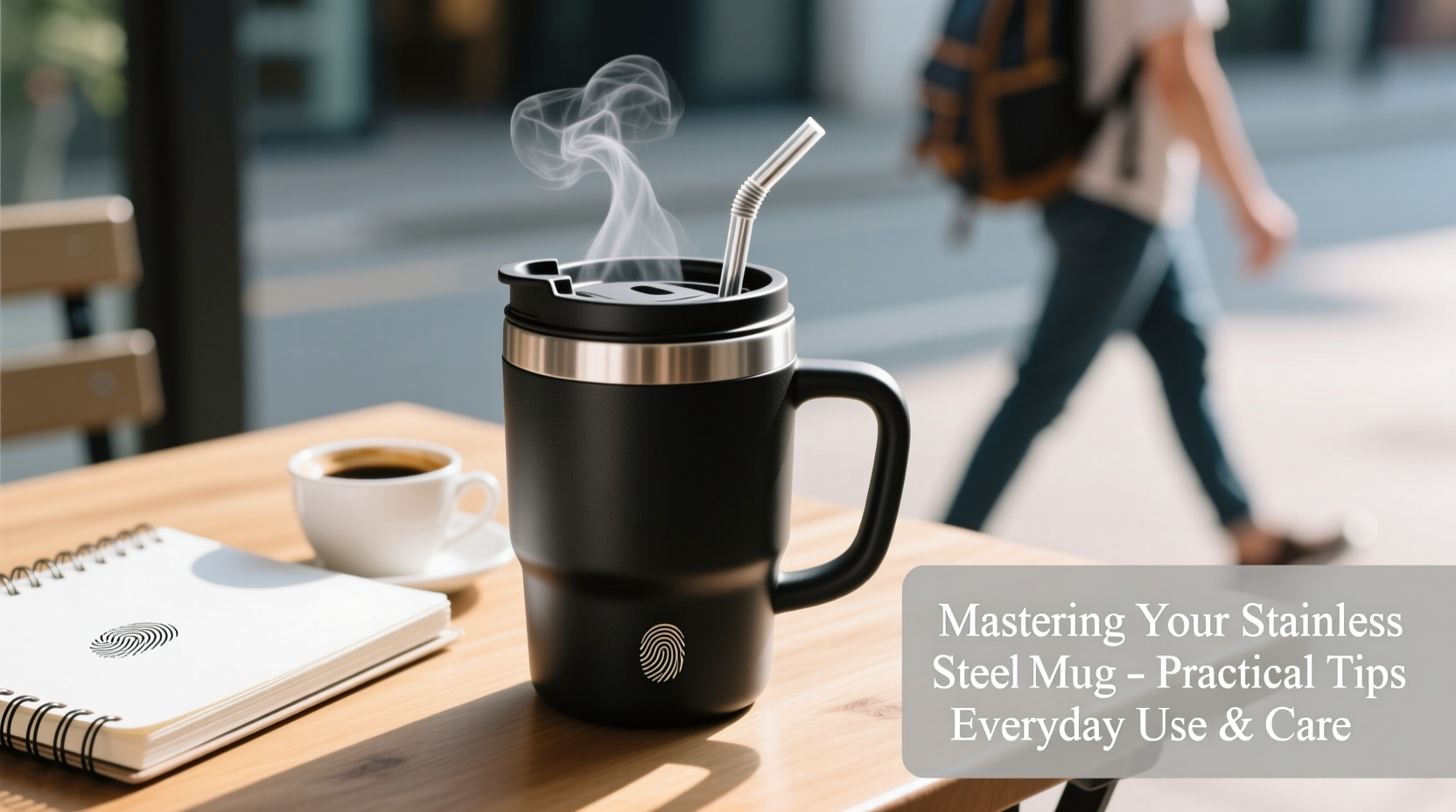
Before diving into care techniques, it’s worth understanding why these mugs are so widely adopted. Unlike plastic or ceramic alternatives, double-walled stainless steel provides superior insulation, keeping beverages hot for up to 12 hours or cold for 24. The built-in straw adds convenience, especially for iced drinks, smoothies, or on-the-go sipping. Many models feature leak-proof lids and ergonomic designs that fit most cup holders.
However, the straw and lid complexity introduces challenges: narrow passages trap residue, gaskets harbor bacteria, and improper cleaning leads to odors or corrosion over time. Addressing these issues proactively extends the mug’s life and keeps every sip fresh.
“Proper maintenance isn’t just about cleanliness—it’s about preserving the integrity of materials and ensuring safe, consistent performance.” — Dr. Lena Ruiz, Materials Scientist at Sustainable Appliance Labs
Daily Use Best Practices
How you use your mug daily directly impacts its condition. Small adjustments in behavior prevent buildup, leaks, and wear.
Tip: Always open the straw lid fully before drinking to avoid pressure buildup that can force liquid past seals.- Avoid carbonated drinks – While tempting, fizzy beverages increase internal pressure, potentially causing leaks or sprays when opened.
- Don’t leave liquids overnight – Even water can develop biofilm if left stagnant. Empty and rinse within 12 hours.
- Use the right straw size – If your mug allows interchangeable straws, choose ones wide enough to prevent clogging with thicker drinks like protein shakes.
- Close the slider properly – Misaligned sliders compromise the seal and invite spills. Check alignment after each wash.
Real Example: The Commuter’s Routine
Sarah, a software developer in Seattle, uses her stainless steel mug daily for iced coffee. She noticed a sour smell after two weeks of use. Upon inspection, she found mold trapped under the silicone gasket near the straw base. After disassembling and soaking the parts, she realized she’d been closing the lid without fully snapping the slider shut, allowing moisture to seep in during her bike commute. Since adjusting her closure technique and rinsing components nightly, her mug has remained odor-free for over six months.
Step-by-Step Cleaning Guide
Cleaning isn’t just wiping the exterior. A thorough routine targets hidden areas where bacteria thrive. Follow this sequence weekly—or after every sugary or dairy-based drink.
- Disassemble completely: Remove the straw, lid, slider, and any rubber gaskets. Most mugs have 3–5 separable parts.
- Rinse immediately: Flush all components with warm water right after use to prevent residue hardening.
- Soak in vinegar solution: Mix 1 part white vinegar with 3 parts warm water. Submerge small parts for 15–20 minutes to dissolve mineral deposits and kill microbes.
- Scrub with a bottle brush: Use a small, flexible brush to clean inside the straw and along the lid’s inner channels. Pipe cleaners work well for tight curves.
- Wash with mild detergent: Hand-wash all pieces using dish soap and lukewarm water. Avoid abrasive pads that scratch surfaces.
- Air-dry thoroughly: Place parts on a drying rack, ensuring no moisture remains in crevices. Reassemble only when completely dry.
Do’s and Don’ts: Maintenance Table
| Action | Do | Don't |
|---|---|---|
| Cleaning Frequency | Rinse daily, deep clean weekly | Leave for days without washing |
| Storage | Store open and dry | Keep sealed with lid closed |
| Temperature | Preheat for hot drinks, pre-chill for cold | Put in microwave or freezer |
| Straw Care | Use a cleaning brush regularly | Blow through to clear clogs (spreads bacteria) |
| Descaling | Soak in vinegar monthly | Use bleach or undiluted acids |
Long-Term Care and Troubleshooting
Even with regular cleaning, issues may arise. Address them early to avoid irreversible damage.
Dealing with Odors and Stains
If your mug develops a lingering smell, try a baking soda paste (two parts baking soda, one part water). Apply inside the vessel and on the straw, let sit for 30 minutes, then scrub and rinse. For stubborn tea or coffee stains, a diluted citric acid solution (one teaspoon per cup of water) can gently lift discoloration without damaging steel.
Preventing Rust and Corrosion
True stainless steel doesn’t rust easily, but low-quality alloys or prolonged exposure to salt (e.g., from sports drinks) can cause pitting. Always rinse thoroughly after using electrolyte beverages. If you notice tiny brown spots, lightly polish with a non-abrasive stainless steel cleaner.
Lid Seal Replacement
Silicone gaskets degrade over time. If your mug starts leaking despite proper closure, replace the seal. Most manufacturers sell replacement kits by model number. This simple fix can extend your mug’s life by years.
Frequently Asked Questions
Can I put boiling water in my stainless steel mug with a straw?
Yes, the steel can handle boiling water, but be cautious with the lid. High heat may warp plastic components or create pressure that forces liquid through the straw. Open the drinking aperture slightly after pouring to release steam safely.
Why does my straw taste metallic after washing?
This usually indicates residual detergent or mineral buildup. Rinse more thoroughly with running water, or soak in a vinegar solution to neutralize lingering compounds. Ensure no soap film remains inside the straw tube.
How often should I replace my mug?
With proper care, a high-quality stainless steel mug lasts 5–7 years. Replace it if you notice persistent odors, cracks in the weld, dents that affect sealing, or visible corrosion. Environmental impact favors long-term use, so maintain rather than replace prematurely.
Expert Checklist: Mug Care at a Glance
Your Weekly Stainless Steel Mug Maintenance Checklist:
- ☐ Disassemble lid and straw after each use
- ☐ Rinse all parts with warm water immediately
- ☐ Deep clean components once per week
- ☐ Inspect gasket for cracks or warping monthly
- ☐ Soak in vinegar solution every 4 weeks
- ☐ Store open and upside-down to air out
- ☐ Check manufacturer guidelines for specific care
Conclusion
Mastering your stainless steel mug with straw goes beyond filling it with your favorite drink. It’s about consistency in care, awareness of material limits, and attention to detail. By integrating smart daily habits and periodic deep maintenance, you protect your investment and enjoy better-tasting beverages every day. These mugs are designed for sustainability—make sure your usage reflects that same commitment.
💬 What’s your best mug-cleaning hack? Share your tip in the comments and help others keep their stainless steel companions fresh and functional!








