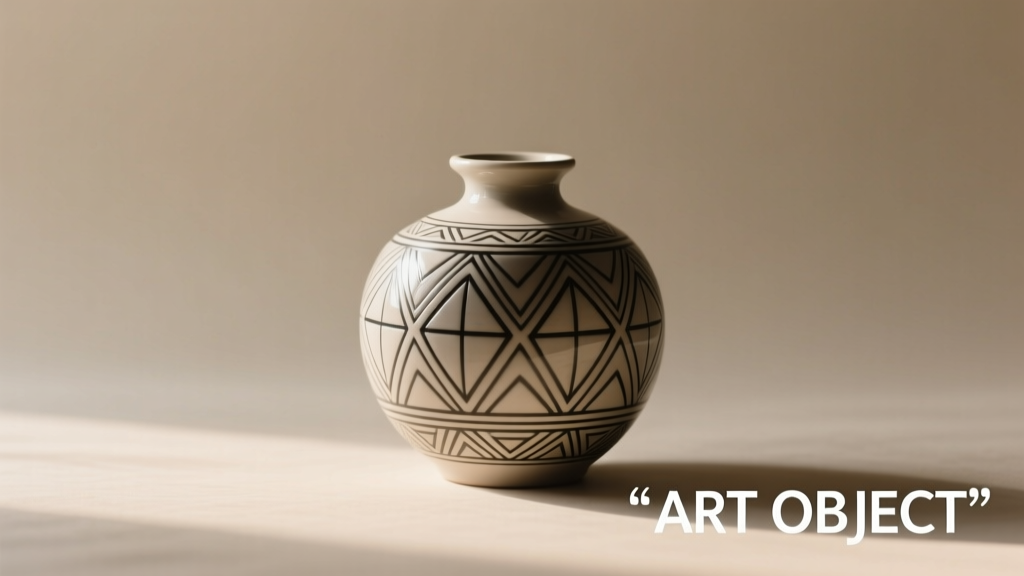
Types of Marmite en Porcelaine
A marmite en porcelaine (porcelain casserole dish) is a timeless kitchen essential, prized for its elegant appearance, heat retention, and versatility in both cooking and serving. Whether used in home kitchens or professional settings, porcelain marmites combine functionality with aesthetic charm. Below is a detailed breakdown of the most popular types available, each suited to specific culinary needs and dining styles.
Traditional Marmite
Modeled after classic cast iron designs, the traditional porcelain marmite features a wide, rounded body that tapers slightly toward the base. This shape promotes even heat distribution and excellent thermal retention, making it ideal for slow-cooked dishes like stews, braises, and casseroles.
Advantages
- Superior heat retention for consistent cooking
- Elegant, timeless design suitable for table presentation
- Non-reactive surface preserves food flavor
- Dishwasher and oven safe (check manufacturer guidelines)
Limitations
- More fragile than metal alternatives
- Requires careful handling to avoid chipping
- Not suitable for high-heat searing
Best for: Slow-cooked meals, oven-to-table serving, family dinners
Marmite Set
A coordinated collection that includes a main marmite pot along with matching serving bowls, plates, or ramekins. These sets are designed for cohesive table presentation and are especially popular in restaurants, catering, and formal dining.
Advantages
- Complete serving solution with matching aesthetics
- Enhances visual appeal of meals
- Ideal for entertaining and themed events
- Great for gift-giving or upscale kitchenware collections
Limitations
- Higher cost than individual pieces
- Larger storage requirements
- May include items not frequently used
Best for: Formal dining, hospitality services, dinner parties
Marmite with Lid
This version includes a snug-fitting porcelain lid, which is essential for moisture retention and flavor preservation during long cooking processes. The tight seal minimizes evaporation, ensuring tender, juicy results in braised meats, sauces, and one-pot meals.
Advantages
- Locks in moisture and aroma
- Improves energy efficiency by reducing heat loss
- Enables slow, even cooking without drying out
- Lid doubles as a serving platter in some models
Limitations
- Lid adds weight and fragility
- May require separate storage space
- Can crack if exposed to sudden temperature changes
Best for: Braising, stewing, simmering, and oven roasting
Soup Marmite
Also known as a soup kettle or broth pot, this larger-capacity marmite is specifically designed for preparing and serving soups, broths, and liquid-based dishes. Many models feature ergonomic handles and spouts for easy pouring, enhancing both safety and functionality.
Advantages
- High capacity for large batches
- Spout design enables mess-free serving
- Porcelain retains heat longer than metal pots
- Ideal for buffets, catering, and family meals
Limitations
- Bulkier and heavier when full
- Limited versatility for dry cooking methods
- Requires deep sink or careful hand washing
Best for: Soup service, catering, holiday meals, institutional kitchens
Electric Marmite
A modern innovation, the electric porcelain marmite integrates a heating base with a porcelain cooking pot. This self-contained appliance allows for precise, low-temperature cooking without the need for a stove, making it perfect for slow simmering and buffet-style serving.
Advantages
- No stovetop required—portable and convenient
- Consistent, adjustable temperature control
- Great for keeping food warm during gatherings
- Reduces risk of burning or overcooking
Limitations
- Higher initial investment
- Requires electrical outlet access
- Porcelain insert may not be compatible with ovens
Best for: Buffets, parties, office kitchens, and slow-cooking enthusiasts
| Type | Best Use Case | Heat Retention | Serving Appeal | Durability |
|---|---|---|---|---|
| Traditional Marmite | Slow-cooked stews, casseroles | Excellent | High | Good (with care) |
| Marmite Set | Formal dining, presentations | Very Good | Exceptional | Good |
| Marmite with Lid | Braising, sauces, moist cooking | Excellent | High | Good |
| Soup Marmite | Soups, broths, large gatherings | Very Good | High | Fair to Good |
| Electric Marmite | Buffets, slow simmering, warming | Good (with heating base) | High | Good (porcelain), Excellent (base) |
Expert Tip: To extend the life of your porcelain marmite, avoid sudden temperature changes—never place a cold porcelain pot directly into a hot oven or fill it with cold water immediately after heating. Allow it to cool gradually to prevent cracking.
Designs of Marmite en Porcelaine: Elegance, Tradition, and Modern Flair
Porcelain marmite, known for its excellent heat retention and elegant presentation, has evolved into a symbol of culinary sophistication. Beyond its functional role in slow cooking and serving, the design of a porcelain marmite significantly enhances the dining experience. From traditional craftsmanship to modern customization, these vessels reflect personal style, cultural heritage, and interior aesthetics—making them cherished pieces in both home kitchens and professional establishments.
Popular Design Categories of Porcelain Marmite
The aesthetic diversity of porcelain marmites allows them to blend seamlessly into various settings—from rustic countryside cottages to sleek urban restaurants. Below is a detailed exploration of the most sought-after design styles, each offering unique visual appeal and practical advantages.
Floral Patterns
Floral designs are among the most enduring and beloved styles in porcelain marmite craftsmanship. Featuring intricate illustrations of roses, peonies, climbing vines, and other botanical motifs, these patterns evoke a sense of romance, elegance, and timeless charm.
Often hand-painted or delicately printed, floral marmites are a favorite in tea houses, boutique cafes, and fine dining restaurants aiming to create a serene and inviting atmosphere. Their soft color palettes—such as blush pink, sage green, or ivory white—complement natural wood tables and linen napery, enhancing the overall sensory experience of a meal.
Geometric Designs
For lovers of contemporary aesthetics, geometric patterns offer a bold and modern alternative. These designs utilize clean lines, symmetrical shapes—like triangles, hexagons, and concentric circles—and vibrant contrasting colors to create a striking visual impact.
Geometric marmites are ideal for minimalist kitchens, modern bistros, or urban pop-up restaurants that prioritize sleek, uncluttered decor. The structured patterns not only stand out as artistic centerpieces but also convey a sense of precision and innovation, aligning well with modern culinary philosophies.
Traditional Motifs
Rooted in cultural heritage, traditional motif marmites showcase symbolic artistry from around the world. Examples include Chinese dragon engravings representing power and prosperity, Japanese wave patterns symbolizing resilience, and European rococo borders reflecting aristocratic elegance.
These designs are particularly popular in ethnic restaurants, heritage-themed events, and homes where cultural identity plays a central role in interior design. Crafted with meticulous attention to detail, traditional marmites often become heirloom pieces passed down through generations, combining functionality with storytelling.
Solid Colors with Glaze Finish
Simplicity meets sophistication in solid-color porcelain marmites finished with a high-gloss glaze. Available in classic hues like cobalt blue, creamy white, deep red, and matte black, these designs emphasize purity of form and versatility.
The glossy surface not only enhances visual appeal but also improves durability and ease of cleaning. These marmites transition effortlessly from everyday family meals to formal dinner parties, making them a staple in both domestic and commercial kitchens. Their timeless look ensures they never go out of style, regardless of changing decor trends.
Customizable Designs
Advancements in digital printing and ceramic technology now allow for fully customizable porcelain marmites. Customers can personalize their pieces with names, logos, special dates, or bespoke artwork—ideal for weddings, corporate events, restaurant branding, or souvenir collections.
Custom marmites serve as memorable keepsakes and powerful marketing tools. A café might imprint its logo for takeout services, while a family could commission a marmite engraved with a wedding date. This level of personalization transforms a simple cooking vessel into a meaningful, one-of-a-kind object that resonates emotionally and aesthetically.
Handcrafted & Artisanal Variations
While not listed originally, it's worth noting the rising popularity of hand-thrown and artisanal marmites. These unique pieces often feature subtle imperfections, organic shapes, and reactive glazes that vary with each firing, celebrating the beauty of craftsmanship over mass production.
Favored by chefs and collectors alike, artisanal marmites support sustainable practices and small studios, adding authenticity and soul to the table. Each piece tells a story of its maker, making it a conversation starter and a centerpiece of mindful dining.
| Design Style | Best Suited For | Key Benefits |
|---|---|---|
| Floral Patterns | Tea houses, romantic dining, traditional homes | Elegant, calming, timeless appeal |
| Geometric Designs | Modern kitchens, urban restaurants, minimalist decor | Stylish, bold, visually dynamic |
| Traditional Motifs | Cultural events, heritage restaurants, gift-giving | Rich symbolism, educational value, collectible |
| Solid Colors (Glazed) | Daily use, professional kitchens, versatile settings | Durable, easy to clean, universally compatible |
| Customizable Designs | Branding, events, personalized gifts | Unique, sentimental, promotional potential |
Choosing the Right Design for Your Needs
Important: When selecting a porcelain marmite, ensure the design does not compromise functionality. Avoid overly intricate engravings that trap food residue, and confirm that any paint or glaze is lead-free and oven-safe. Proper care—such as avoiding thermal shock and using non-abrasive cleaners—will preserve both the beauty and longevity of your marmite, regardless of design.
Precautions for Using Porcelain Marmite
Porcelain marmite is a timeless and elegant cooking vessel, prized for its even heat distribution, aesthetic appeal, and versatility in both cooking and serving. However, to preserve its beauty and ensure safe, long-term use, it's essential to follow specific care guidelines. Understanding these precautions helps prevent damage, extend lifespan, and maintain optimal performance in the kitchen.
Handle with Care
Although porcelain is known for its durability, it remains susceptible to chipping or cracking when subjected to impact. Dropping the marmite or allowing it to collide with hard surfaces such as countertops or metal cookware can result in irreversible damage.
- Always use both hands when lifting or moving a filled marmite to maintain balance and control
- Avoid stacking heavy items on top of porcelain cookware during storage
- Store in a dedicated cabinet away from pots, pans, and other breakables to minimize risk of accidental knocks
Pro tip: Consider using padded shelf liners or cloth dividers between stacked pieces to reduce friction and impact.
Manage Temperature Changes Gradually
Sudden temperature shifts—known as thermal shock—are one of the leading causes of porcelain breakage. Porcelain expands when heated and contracts when cooled; rapid changes can create stress fractures or cracks.
- Always preheat your oven before placing the marmite inside to avoid thermal stress
- Never place a hot marmite directly into cold water or on a cold surface such as a marble countertop
- Allow the marmite to cool gradually at room temperature before cleaning or refrigerating
- Do not transfer from freezer to oven without allowing it to reach room temperature first
Safety note: If your marmite has been refrigerated, let it sit at room temperature for 15–20 minutes before exposing it to heat.
Use Appropriate Cooking Utensils
The glossy, non-porous surface of porcelain enhances food release and simplifies cleaning, but it can be easily scratched by abrasive tools. Metal utensils like spoons, whisks, or spatulas may gouge the interior, compromising both appearance and hygiene.
- Opt for wooden, silicone, or nylon utensils that are gentle on the surface
- Avoid using sharp knives or metal scrapers inside the marmite
- Scratches can harbor bacteria and make future cleaning more difficult
Bonus benefit: Non-abrasive tools also protect non-stick coatings if your marmite features them.
Cleaning Best Practices
Most porcelain marmite products are dishwasher-safe, making cleanup convenient. However, certain finishes—especially those with decorative trims or hand-painted designs—require more delicate handling to preserve their appearance.
- Check manufacturer instructions before placing in the dishwasher; some models recommend hand-washing
- Use mild detergents and avoid bleach or harsh chemical cleaners
- For baked-on food, soak in warm, soapy water before gently scrubbing with a soft sponge
- Never use steel wool, abrasive pads, or scouring powders that can dull or scratch the surface
Eco-friendly tip: Baking soda paste works well for stubborn stains without damaging the glaze.
Proper Storage Techniques
Correct storage not only protects your marmite physically but also prevents moisture buildup and discoloration over time.
- If storing with a lid, leave it slightly ajar to allow airflow and prevent mold growth from residual moisture
- Store in a dry, cool cupboard away from humidity and direct sunlight to avoid fading of decorative patterns
- Place a soft cloth or paper towel between nested pieces to prevent micro-scratches
- Keep away from areas with extreme temperature fluctuations, such as near stoves or windows
Longevity tip: Regularly inspect stored marmite for signs of moisture or odor, especially after prolonged use with acidic foods.
Usage Limitations and Safety
While porcelain marmite is highly versatile, it has limitations depending on its design and manufacturing standards.
- Not all porcelain is suitable for stovetop use—only use on direct heat if explicitly labeled as such
- Avoid placing empty marmite on high heat, as this can cause overheating and cracking
- Do not use cracked or chipped marmite, as it poses a safety hazard and may worsen during heating
- Ensure compatibility with induction, gas, electric, or ceramic cooktops if applicable
Critical reminder: Discontinue use immediately if you notice hairline cracks or crazing in the glaze.
Professional Recommendation: Treat your porcelain marmite as both a functional kitchen tool and a valuable culinary heirloom. With proper care—gentle handling, gradual temperature changes, appropriate utensils, and mindful cleaning—you can enjoy its performance and beauty for decades. When in doubt, refer to the manufacturer’s care guide for model-specific advice tailored to your marmite’s construction and finish.
| Precaution | Risk of Neglect | Best Practice | Lifespan Impact |
|---|---|---|---|
| Thermal Shock | Cracking or shattering | Preheat oven; cool gradually | High – can cause immediate failure |
| Improper Utensils | Surface scratches, bacterial buildup | Use wood/silicone tools | Medium – reduces hygiene and aesthetics |
| Abrasive Cleaning | Dull finish, glaze damage | Soft sponge, gentle detergent | Medium – cumulative wear over time |
| Poor Storage | Chips, mold, fading | Dry, ventilated, protected space | Low to Medium – gradual degradation |
| Direct Stovetop Misuse | Warping or cracking | Use only if rated for stovetop | High – potential safety hazard |
Additional Tips for Long-Term Care
- Seasoning (if applicable): Some vintage or unglazed porcelain may benefit from light oiling after cleaning to preserve integrity—consult manufacturer guidelines.
- Display vs. Use: If your marmite is decorative or antique, consider using it for serving rather than cooking to preserve its condition.
- Labeling: Mark your marmite with a discreet identifier if you own multiple similar pieces to avoid confusion during use or storage.
- Replacement Parts: Keep track of manufacturer contact info in case lids are lost or damaged and need replacement.
- Gift Care: When gifting a porcelain marmite, include a printed care guide to help recipients maintain it properly.
How to Choose the Perfect Marmite en Porcelaine: A Complete Buyer’s Guide
Selecting the ideal marmite en porcelaine—a classic French porcelain casserole dish—is more than just a kitchen upgrade; it's an investment in timeless cooking and elegant presentation. Known for its excellent heat retention, even cooking, and beautiful aesthetics, a high-quality porcelain marmite enhances everything from slow-cooked stews to oven-baked gratins. Whether you're a home cook or a culinary enthusiast, this comprehensive guide will help you make an informed decision by covering size, material quality, design, usability, and brand reliability.
Important Note: While porcelain is durable and oven-safe, avoid sudden temperature changes (like placing a cold dish directly into a hot oven) to prevent thermal shock and cracking. Always preheat the oven with the marmite inside or allow the dish to reach room temperature first.
Key Factors to Consider When Choosing a Marmite en Porcelaine
- Size and Capacity
Choosing the right size is crucial for both functionality and efficiency. Porcelain marmites typically range from 1 to 5 liters, making them suitable for different serving needs.
- Small (1–2 liters): Ideal for side dishes, individual servings, or small households. Perfect for baking dips, mini gratins, or single-portion desserts.
- Medium (2.5–3.5 liters): Great for everyday family meals like daubes, coq au vin, or vegetable tians. Balances capacity with ease of handling.
- Large (4–5+ liters): Best for entertaining, holiday meals, or batch cooking. Excellent for roasting whole chickens, large braises, or serving at the table as a centerpiece.
Always check the manufacturer’s stated capacity and consider your most common cooking scenarios to avoid under- or over-sizing.
- Material Quality and Durability
High-grade porcelain is essential for a marmite that lasts. Premium porcelain is fired at high temperatures, resulting in a dense, chip-resistant structure that retains heat evenly and resists thermal stress.
- Look for vitrified porcelain, which is non-porous and less likely to absorb odors or stains.
- A smooth, glossy finish not only enhances appearance but also makes cleaning easier and reduces food sticking.
- Etched or hand-painted designs should be underglaze or glazed over to prevent wear and maintain integrity over time.
- Ensure the marmite is labeled as oven-safe, microwave-safe, freezer-safe, and dishwasher-safe for maximum versatility.
Customer reviews are a valuable resource—pay attention to comments about chipping, cracking, or discoloration after repeated use.
- Design and Aesthetic Appeal
One of the standout features of a marmite en porcelaine is its ability to transition seamlessly from oven to table. Its visual charm can elevate your dining experience.
- Classic French styles often feature white or cream bases with blue floral patterns (like those from renowned brands such as Le Creuset or Emile Henry).
- Modern designs include minimalist shapes, matte finishes, or bold colors that complement contemporary kitchens.
- Vintage-inspired marmites add rustic charm and are often used as decorative pieces when not in use.
Consider how the marmite fits with your kitchen décor or tableware. A beautifully designed marmite doubles as functional art, making meals more inviting.
- Ease of Use and Maintenance
A practical marmite should be as easy to clean as it is to cook with. Functionality extends beyond cooking performance to daily usability.
- Prioritize models with a tight-fitting lid that locks in moisture and aroma during slow cooking, yet is easy to grip and remove when hot.
- Lids with a knob made of stainless steel or heat-resistant material offer better handling and safety.
- Dishwasher-safe construction saves time and effort—especially important for baked-on foods.
- A non-porous, glazed interior prevents staining from tomato-based sauces or turmeric-rich curries.
- Ergonomic side handles (if present) should be sturdy and comfortable to grip, even with oven mitts.
Some marmites are designed with a flared rim for drip-free pouring, which is especially useful when serving soups or sauces directly from the dish.
- Brand Reputation and Warranty
Trusted brands invest in quality control, material integrity, and customer support, giving you peace of mind with your purchase.
- Renowned manufacturers like Emile Henry, Le Creuset, Staub, and Pillivuyt are known for their durable, beautifully crafted porcelain cookware.
- Check for lifetime warranties or long-term guarantees, which reflect confidence in product durability.
- Reputable brands often offer replacement lids or customer service for damaged items.
- Read verified customer reviews to assess real-world performance, longevity, and customer service responsiveness.
While premium brands may have a higher upfront cost, their longevity and performance often make them more cost-effective over time.
| Selection Factor | What to Look For | Avoid These Pitfalls | Top-Rated Brands |
|---|---|---|---|
| Size & Capacity | Match to household size and typical recipes | Oversized dishes that are hard to store or underfilled | Emile Henry, Le Creuset, Pillivuyt |
| Material Quality | Vitrified, high-fired porcelain with full glaze | Thin walls, rough finishes, or unglazed areas | Staub, Emile Henry, Revol |
| Design & Style | Timeless patterns, oven-to-table elegance | Faded prints or overly trendy designs that may date quickly | Le Creuset, Pillivuyt, Guy Degrenne |
| Usability | Dishwasher-safe, secure lid, easy grip | Loose lids, fragile knobs, or awkward handles | All major premium brands |
| Brand & Support | Lifetime warranty, responsive service | No warranty, limited replacement parts | Emile Henry (5-year warranty), Le Creuset (lifetime) |
Pro Tip: Season your new porcelain marmite before first use by coating the interior with a thin layer of oil and baking it empty at 350°F (175°C) for 30 minutes. This helps strengthen the surface and improves stain resistance, especially for lighter-colored dishes.
Final Recommendations
- Choose a medium-sized (3-liter) marmite as a versatile starting point if you're unsure.
- Invest in a well-known brand for long-term durability and aesthetic consistency.
- Opt for classic colors like white, cream, or navy blue—they remain stylish and are easier to match with existing tableware.
- Use wooden or silicone utensils to prevent scratching the glazed surface.
- Store the lid slightly ajar or with a cloth between the pot and lid to prevent moisture trapping and odors.
A high-quality marmite en porcelaine is more than just a cooking vessel—it's a cherished kitchen heirloom that combines form, function, and French culinary tradition. By carefully evaluating size, material, design, usability, and brand trust, you can select a piece that will deliver delicious meals and stunning presentation for years to come. Bon appétit!
Frequently Asked Questions About Porcelain Marmite Use and Care
Q1: What is a porcelain marmite primarily used for?A porcelain marmite is a versatile and elegant cooking vessel designed for preparing hearty, slow-cooked meals. It excels at making soups, stews, braises, casseroles, and one-pot dishes that benefit from even, consistent heat distribution. The non-reactive, smooth glazed surface ensures flavor neutrality—meaning acidic ingredients like tomatoes or wine won’t interact with the pot, preserving the integrity of your dish.
Thanks to its excellent heat retention, a porcelain marmite keeps food warm during serving, making it ideal for family-style dining. Its classic design also allows it to transition seamlessly from stove or oven to table, adding a touch of sophistication to your presentation.
Q2: Does a porcelain marmite go in the oven?Yes, most porcelain marmites are oven-safe, often up to temperatures of 400°F–500°F (200°C–260°C), but this varies by brand and model. Always consult the manufacturer’s guidelines to confirm the maximum safe temperature for your specific marmite.
To ensure longevity and prevent thermal shock:
- Preheat gradually: Place the marmite in a cold oven and slowly bring it up to temperature.
- Avoid direct flame: While some models are safe on stovetops (especially electric or induction), never expose porcelain to open flame unless explicitly stated by the manufacturer.
- Don’t place a hot marmite on a cold surface: Sudden temperature changes can cause cracking.
With proper handling, a porcelain marmite can be a reliable companion for roasting, baking, and slow-cooking in the oven.
Q3: How should users care for a porcelain marmite?Proper care ensures your porcelain marmite remains beautiful and functional for years. Here are best practices for cleaning and maintenance:
- Hand washing: Recommended for long-term care. Use warm water, mild dish soap, and a soft sponge or cloth. Avoid steel wool or abrasive scrubbers that can dull or scratch the glossy finish.
- Dishwasher safe: Many porcelain marmites are dishwasher-safe, but frequent machine washing may gradually degrade the finish over time. If using a dishwasher, place it on the top rack and use a gentle cycle.
- Stain removal: For stubborn food residue or stains, soak the marmite in warm, soapy water. Baking soda paste or a vinegar solution can help lift discoloration without damaging the surface.
- Drying: Dry thoroughly before storage to prevent moisture buildup and potential chipping.
Regular, gentle care preserves both the appearance and performance of your marmite.
Q4: Can users use metal utensils with a porcelain marmite?It is strongly recommended to avoid metal utensils when cooking with a porcelain marmite. While the glaze is durable, repeated use of metal spoons, whisks, or spatulas can cause scratches, chips, or abrasions on the surface. These imperfections not only affect the pot’s appearance but can also harbor bacteria and make future cleaning more difficult.
Instead, opt for gentler tools such as:
- Wooden spoons: Ideal for stirring and serving without damaging the glaze.
- Silicone utensils: Heat-resistant and non-scratch, perfect for mixing and scraping.
- Nylon or plastic tools: Suitable for everyday use, provided they are heat-rated for cooking temperatures.
Using non-metal utensils helps maintain the smooth, sealed surface that makes porcelain so easy to clean and hygienic.
Q5: Are there any special precautions for using a porcelain marmite?Yes, while porcelain is strong and heat-resistant, it is also sensitive to sudden temperature changes, which can lead to cracking or thermal shock. To use your marmite safely and extend its lifespan:
- Always heat gradually: Start on low to medium heat and increase slowly, especially when using on a stovetop.
- Never add cold liquid to a hot marmite: Allow the pot to cool slightly before introducing cooler ingredients.
- Avoid placing a hot marmite on a cold or wet surface: Use a trivet, wooden board, or dry towel to protect it.
- Don’t transfer directly from freezer to oven: Thaw the marmite completely before heating.
- Check for chips or cracks: Even small imperfections can expand under heat and compromise the pot’s integrity.
By following these precautions, you can safely enjoy the full benefits of your porcelain marmite across countless meals.









