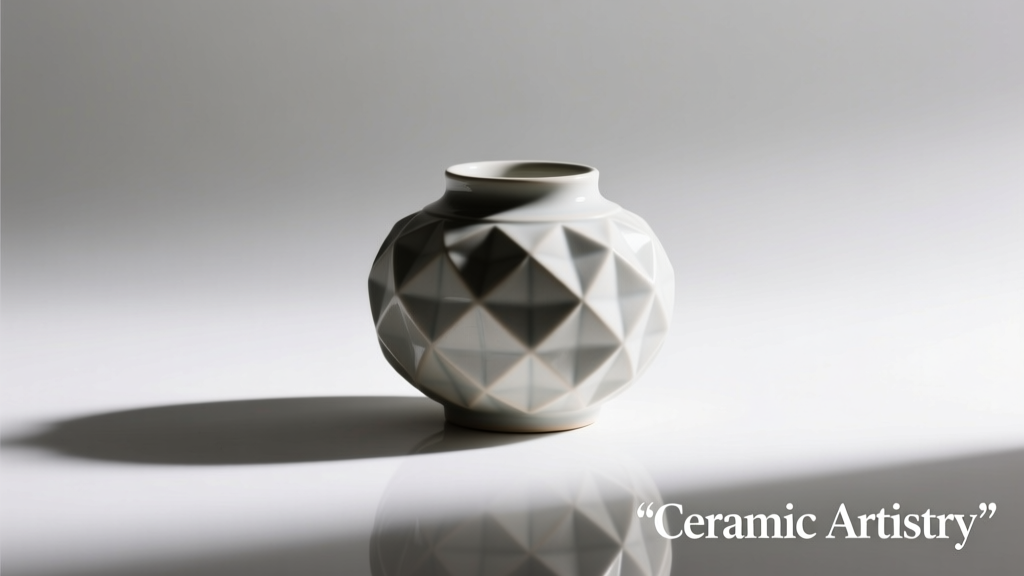
Types of Marble Urn Tombstones
A marble urn tombstone is a dignified and enduring memorial that honors the memory of a loved one while providing a final resting place for cremated remains. Crafted from high-quality marble, these tombstones combine artistic elegance with structural durability. Available in a wide variety of designs, shapes, colors, and engravings, marble urn tombstones can be customized to reflect personal taste, cultural traditions, and cemetery regulations. Below is a comprehensive overview of the most popular types of marble urn tombstones available today.
Basic Rectangular Tombstone
Featuring a clean, timeless design, this tombstone has a simple rectangular slab with a small urn integrated at the top. The entire surface is uniformly polished to enhance the natural luster of the marble, offering a refined and sophisticated appearance.
Advantages
- Classic and timeless aesthetic
- Easy to engrave with names, dates, and messages
- Widely accepted in most cemeteries
- Low maintenance and durable
Limitations
- Less visually distinctive than ornate designs
- Limited customization options
Best for: Traditional memorials, family plots, and those seeking understated elegance
Column-Shaped Tombstone
This elegant design features a vertical cylindrical or fluted column, evoking classical architecture. The urn is typically placed at the summit, creating a dignified and stately monument that stands out in any cemetery setting.
Advantages
- Prominent and visually striking presence
- Symbolizes strength, legacy, and permanence
- Offers ample space for detailed carvings and inscriptions
- Available in various heights and finishes
Limitations
- May not be permitted in cemeteries with strict flat-marker rules
- Higher cost due to complex craftsmanship
- Requires more maintenance in harsh weather
Best for: Prominent memorials, historical or family legacy markers, and classical design lovers
Book-Shaped Tombstone
Designed to resemble an open book, this unique tombstone symbolizes the continuation of a life story. The two "pages" form the sides of the monument, with space for inscriptions, quotes, or religious passages. The urn is discreetly integrated into the base or spine of the book.
Advantages
- Highly symbolic and meaningful design
- Ample space for personalized messages and poetry
- Unique and memorable appearance
- Ideal for educators, writers, or literary figures
Limitations
- Less common, so customization may take longer
- May not suit all cemetery aesthetics
Best for: Memorializing educators, authors, or individuals with a love for literature and wisdom
Heart-Shaped Tombstone
A touching and affectionate design, the heart-shaped tombstone features a carved heart with an integrated urn at its center or base. Often adorned with floral patterns, vines, or angelic figures, this style conveys deep love and emotional connection.
Advantages
- Powerful symbol of love and remembrance
- Visually soft and comforting
- Popular for children’s memorials and romantic tributes
- Can be enhanced with colored marble or gold inlays
Limitations
- May be considered too sentimental for some preferences
- Curved edges may be more prone to chipping
Best for: Spouses, children, or beloved family members where emotional expression is central
Flat (Flush) Urn Tombstone
This low-profile design lies flush with the ground, consisting of a polished marble slab embedded with a discreet urn compartment. It maintains a serene and unobtrusive presence, blending harmoniously with the landscape.
Advantages
- Meets cemetery regulations requiring ground-level markers
- Easy to maintain and mow around
- Creates a peaceful, minimalist aesthetic
- Durable and weather-resistant
Limitations
- Less visible from a distance
- Limited space for engravings and design elements
Best for: Natural burial grounds, military cemeteries, and those preferring a subtle, contemplative memorial
| Style | Visibility | Sentiment Value | Durability | Ideal For |
|---|---|---|---|---|
| Basic Rectangular | Medium | High | Excellent | Traditional burials, family plots |
| Column-Shaped | High | Very High | Very Good | Legacy markers, prominent memorials |
| Book-Shaped | Medium | Exceptional | Good | Literary figures, educators, personalized tributes |
| Heart-Shaped | Medium | Exceptional | Good | Children, spouses, expressions of love |
| Flat (Flush) | Low | High | Excellent | Minimalist settings, natural cemeteries |
Expert Tip: When selecting a marble urn tombstone, consider the climate and maintenance requirements. White and light-colored marbles may require periodic cleaning to prevent staining, while darker marbles offer greater resistance to weathering. Always consult with your cemetery’s guidelines to ensure your chosen design complies with their regulations.
Designs of Marble Urn Tombstones: Elegance, Symbolism, and Personalization
A marble urn tombstone is more than a marker—it's a lasting tribute to a life lived. As a central feature in memorialization, the design of a marble tombstone plays a crucial role in honoring the memory of a loved one. Whether placed in a serene cemetery or a private garden, these tombstones blend artistry with emotional significance. This guide explores the most meaningful and aesthetically rich design options available for marble urn tombstones, helping families create a personalized and dignified memorial.
Engraving Designs: Capturing Words and Identity
Engraving is one of the most traditional and expressive elements of tombstone design. It allows families to inscribe names, dates, epitaphs, and meaningful quotes in a style that reflects the personality of the deceased. Engravings can range from classic and legible to artistic and elaborate.
Geometric Designs: Modern Symmetry and Structure
Geometric patterns bring a sense of order, balance, and contemporary elegance to marble urn tombstones. These designs use precise shapes and repetitive patterns to create visually striking memorials that stand out through symmetry and clarity.
Common geometric elements include:
These designs are often used in the border, background, or as the primary shape of the tombstone itself, offering a sleek and timeless appearance that resonates with modern tastes.
Bas-Relief Designs: Subtle Depth with Emotional Impact
Bas-relief is a sculptural technique where images are carved slightly from the surface of the marble, creating a three-dimensional effect without protruding far. This method is ideal for 3D tombstones that maintain a refined and dignified profile.
Popular bas-relief motifs include:
The subtle depth enhances visibility and emotional resonance, allowing light and shadow to accentuate the details throughout the day. Bas-relief offers a perfect balance between artistry and restraint, making it a favorite for traditional and contemporary memorials alike.
Floral and Naturalistic Designs: Celebrating Life and Renewal
Nature-inspired designs are among the most popular choices for marble urn tombstones, symbolizing growth, beauty, and the cycle of life. These motifs evoke serenity and connection to the natural world.
Common naturalistic elements include:
These designs can be rendered in simple line engravings or elevated through high-relief carving and even hand-painted details for added vibrancy. They are especially fitting for individuals who cherished the outdoors, gardening, or environmental causes.
Custom Photo Inserts: A Personal Touch in Memory
One of the most intimate design features available today is the custom photo insert. This allows a cherished image of the deceased to be permanently displayed on the marble tombstone, creating an immediate emotional connection for visitors.
Key considerations for photo inserts:
| Design Type | Best For | Lifespan & Maintenance |
|---|---|---|
| Engraving | Names, dates, quotes, religious texts | Very durable; minimal maintenance; occasional cleaning recommended |
| Geometric | Modern, minimalist, or architectural styles | Highly durable; resistant to weathering; low maintenance |
| Bas-Relief | Symbolic imagery, 3D depth without bulk | Durable; protect from harsh abrasives; periodic inspection advised |
| Naturalistic | Nature lovers, spiritual themes, family legacies | Durable; detailed areas may require gentle cleaning |
| Photo Inserts | Personalized memorials, family-focused tributes | Requires UV-protected sealant; inspect every 2–3 years for wear |
Important: When selecting a design for a marble urn tombstone, consider the cemetery regulations, climate conditions, and long-term preservation. Marble is a beautiful but porous stone—proper sealing and maintenance are essential to prevent staining and erosion. Always work with experienced monument artisans to ensure the design is both meaningful and enduring.
How to Choose a Marble Urn Tombstone
Selecting a marble urn tombstone is a deeply personal and meaningful process that honors the memory of a loved one. While emotions may run high during this time, making thoughtful decisions ensures the memorial reflects their legacy with dignity and permanence. Beyond aesthetics, several key considerations—such as style, tradition, material quality, and cemetery regulations—play a vital role in choosing the right tribute.
Style and Surface Finish
The visual and tactile qualities of a tombstone significantly influence its emotional impact. Marble offers a range of finishes, each conveying a different tone and elegance. The choice of finish should reflect the personality and values of the deceased, as well as the family’s aesthetic preferences.
- Polished finish: Creates a smooth, reflective surface that enhances the natural veining of marble, offering a classic, elegant appearance ideal for formal memorials.
- Honed finish: Provides a matte, soft-luster surface that is less reflective and more subtle, often chosen for a serene, understated look.
- Antique or brushed finish: Adds texture and a weathered appearance, evoking a sense of timelessness and history.
- Carved or sculpted elements: Allow for intricate detailing such as floral motifs, angels, or custom reliefs that personalize the tribute.
Design insight: Consider how lighting at the gravesite affects the stone’s appearance—polished marble glistens in sunlight, while honed finishes offer consistent visibility in all conditions.
Religious and Cultural Symbolism
Religious beliefs and cultural traditions often guide the design and symbolism used on tombstones. Incorporating meaningful icons ensures the memorial aligns with spiritual values and provides comfort to grieving families.
- Christian symbols: Crosses, doves, ichthys (fish), and scripture engravings are common in Christian memorials.
- Jewish traditions: The Star of David, menorahs, or Hebrew inscriptions honor heritage; many Jewish cemeteries prefer flat stones in accordance with tradition.
- Islamic customs: Often feature calligraphy from the Quran, geometric patterns, and avoid figurative imagery.
- Eastern philosophies: Buddhist or Hindu memorials may include lotus flowers, mandalas, or Sanskrit mantras.
Important note: Always verify cemetery guidelines on acceptable religious symbols to ensure compliance.
Family Traditions and Legacy
Many families maintain consistent memorial designs across generations as a way of preserving heritage and unity. Continuing these traditions can provide a sense of continuity and belonging.
- Some families use the same marble color (e.g., white Carrara or black Absolute) across generations for visual harmony.
- Repeating design elements—such as border patterns, font styles, or emblem placement—create a cohesive family plot.
- In some cultures, including family names or lineage inscriptions is a long-standing practice.
- Modern families may blend tradition with personalization, adding photos, QR codes, or unique epitaphs while maintaining a classic structure.
Emotional value: A tombstone that mirrors those of ancestors can offer comfort by reinforcing a sense of identity and connection.
Durability and Material Quality
Marble is prized for its beauty, but its longevity depends on quality sourcing, proper installation, and environmental exposure. Choosing high-grade marble ensures the tombstone withstands weathering, staining, and erosion over decades.
- Grade A marble: Dense, low-porosity stone with minimal cracks resists weather damage and retains engravings longer.
- Sealing treatment: A protective sealant helps prevent moisture absorption, algae growth, and staining from acid rain.
- Thickness and foundation: Thicker slabs (typically 4–6 inches) and secure anchoring systems prevent tipping or cracking.
- Climate considerations: In regions with freeze-thaw cycles, marble should be properly sealed and installed with drainage in mind.
Pro tip: Opt for marble from reputable quarries (e.g., Italy, Greece, India) known for structural integrity and aesthetic consistency.
Space and Cemetery Regulations
Cemeteries impose specific rules regarding the size, height, shape, and placement of tombstones. Understanding these limitations early prevents costly revisions or rejections.
- Many cemeteries restrict upright monuments in lawn-level sections, allowing only flat markers.
- Maximum dimensions (e.g., 24" x 12" x 4") are common for urn niches or columbarium walls.
- Some religious or municipal cemeteries prohibit certain materials, colors, or decorative elements.
- Green or natural burial grounds often require biodegradable or unpolished stones with minimal engravings.
Critical step: Always consult the cemetery office for a written guideline before finalizing the design.
Personalization and Engraving Options
A marble urn tombstone becomes truly meaningful when it reflects the individual’s life, passions, and relationships. Thoughtful personalization turns a standard marker into a heartfelt tribute.
- Inscriptions: Include names, dates, epitaphs, poems, or quotes that capture the person’s spirit.
- Photographic plaques: Porcelain or resin photo inserts can be embedded into the marble.
- Symbolic engravings: Musical notes, books, tools, or hobbies can honor a person’s passions.
- QR codes: Link to digital memorials with photos, videos, and life stories accessible via smartphone.
Creative idea: Consider bilingual inscriptions for multicultural families or heritage preservation.
Professional Recommendation: When selecting a marble urn tombstone, balance emotional significance with practical durability. Work with a trusted monument supplier who offers cemetery-compliant designs, high-quality materials, and expert engraving. For urns specifically, ensure the internal chamber is securely sealed and accessible only to authorized personnel, preserving both dignity and safety.
| Marble Type | Appearance | Durability | Best For |
|---|---|---|---|
| White Carrara | Soft white with subtle gray veining | Moderate – requires sealing | Classic, elegant memorials |
| Black Galaxy | Deep black with gold/white speckles | High – dense and weather-resistant | Modern, striking designs |
| Emperador Dark | Brown with golden veins | Moderate – needs maintenance | Warm, traditional look |
| Statuario | Bright white with dramatic veining | Lower – more porous | Premium, artistic monuments |
Additional Considerations
- Warranty and Maintenance: Reputable suppliers offer warranties against material defects and provide care instructions for long-term preservation.
- Installation Expertise: Professional setting ensures level placement, proper anchoring, and compliance with cemetery standards.
- Environmental Impact: Natural marble is sustainable and recyclable, making it an eco-conscious choice compared to synthetic materials.
- Cost vs. Value: While premium marble costs more upfront, its timeless beauty and longevity offer enduring value for future generations.
- Urn Integration: Ensure the tombstone is designed to securely hold cremation urns, with options for single, companion, or family placements.
Scenarios of Marble Urn Tombstones: Elegance, Tradition, and Legacy
Marble urn tombstones serve as enduring symbols of remembrance, honoring the final resting place of loved ones with dignity and grace. More than just markers, they provide a lasting tribute that combines artistic beauty with emotional significance. Crafted from natural stone known for its durability and timeless elegance, marble tombstones create serene spaces for reflection, mourning, and celebration of life. Their use spans various memorial settings, each with unique cultural, historical, and aesthetic values. Below are the key environments where marble urn tombstones are most effectively utilized.
Did You Know? Marble has been used in memorial architecture for centuries—from ancient Greek temples to modern cemeteries—due to its ability to be finely carved and its resistance to weathering over time.
1. Cemeteries with Traditional Burial Sites
In formal, structured cemeteries that follow long-standing customs and design principles, marble urn tombstones are a standard and respected choice. These cemeteries often emphasize order, symmetry, and reverence, making marble an ideal material that aligns with traditional values.
- Marble's classic white or gray tones complement the solemn and dignified atmosphere of traditional burial grounds.
- Its smooth surface allows for intricate engravings, including names, dates, epitaphs, religious symbols, and decorative motifs.
- Many religious and cultural communities prefer marble for its purity and association with eternal peace.
- The permanence of marble ensures legibility and structural integrity for generations, supporting genealogical and historical preservation.
2. Memorial Gardens
Memorial gardens are thoughtfully designed landscapes intended to offer tranquility, beauty, and a space for emotional healing. These areas blend nature with remembrance, creating peaceful environments where families can reflect, meditate, and honor their loved ones.
- Marble urn tombstones enhance the aesthetic harmony of these gardens, blending seamlessly with floral arrangements, water features, and walking paths.
- The reflective quality of polished marble adds a luminous presence, especially in morning or evening light, symbolizing hope and continuity.
- Custom-shaped urns and sculpted designs allow for personalized memorials that reflect individual personalities and life stories.
- Because marble is non-porous when sealed, it resists moss and algae growth, helping maintain a clean and serene appearance.
Design Tip: In memorial gardens, consider pairing marble tombstones with engraved quotes, poetry, or native plantings to create a more intimate and meaningful tribute.
3. Family Plots
Family plots are dedicated sections of a cemetery reserved for multiple generations of a single family. These spaces serve not only as burial grounds but also as physical representations of lineage, heritage, and shared identity.
- Using consistent marble across all family tombstones creates visual unity and a sense of continuity across time.
- Families often select a signature style—such as matching font, border design, or emblem—that reinforces their collective legacy.
- Marble’s longevity ensures that future descendants can visit and connect with ancestors, preserving family history in a tangible way.
- Urn-style tombstones are increasingly popular in family plots for those choosing cremation, offering a dignified alternative to traditional in-ground burials.
4. Historical or Veteran Cemeteries
In cemeteries dedicated to historical figures, war veterans, or public servants, marble urn tombstones are a powerful symbol of honor, sacrifice, and national gratitude. These sites often carry ceremonial importance and are maintained to the highest standards.
- Marble is frequently chosen by governments and memorial organizations for its association with dignity, permanence, and respect.
- Many veteran memorials feature white Carrara or Statuary marble, symbolizing purity of service and unwavering dedication.
- The material’s resistance to erosion makes it suitable for outdoor exposure, ensuring that inscriptions remain clear for decades.
- Marble tombstones in these settings often include military insignia, flags, and formal inscriptions that convey rank, service branch, and notable achievements.
| Setting | Primary Purpose | Marble Benefits | Common Design Features |
|---|---|---|---|
| Traditional Cemeteries | Formal burial and remembrance | Durability, legibility, tradition | Engraved names, religious icons, uniform shapes |
| Memorial Gardens | Reflection and emotional healing | Aesthetic elegance, light reflection | Curved urns, poetic inscriptions, floral carvings |
| Family Plots | Lineage preservation and unity | Consistent appearance, generational endurance | Matching styles, family crests, multi-generational layouts |
| Veteran/Historical Sites | Honor and public recognition | Symbols of respect, weather resistance | Military emblems, formal inscriptions, flag engravings |
Expert Insight: When selecting marble for a tombstone, consider climate conditions. In areas with heavy rainfall or freeze-thaw cycles, sealed or slightly textured finishes can help prevent water retention and surface damage over time.
Additional Considerations
- Customization: Modern techniques allow for laser etching, 3D portraits, and bilingual inscriptions on marble surfaces.
- Sustainability: Reclaimed or locally sourced marble reduces environmental impact while maintaining quality.
- Maintenance: Periodic cleaning with pH-neutral stone cleaners helps preserve the finish and prevent staining.
- Cultural Significance: In many cultures, white marble symbolizes purity and the soul’s journey, making it a spiritually meaningful choice.
Marble urn tombstones transcend mere functionality—they are works of art, vessels of memory, and guardians of legacy. Whether placed in a quiet garden, a historic cemetery, or a cherished family plot, they offer a timeless way to honor those who have passed. Their enduring beauty ensures that future generations can remember, reflect, and feel connected to the lives that came before them.
Frequently Asked Questions About Marble Tombstones and Memorials
Q1: How is engraving maintained on a marble urn or tombstone?Marble engravings are known for their lasting clarity and elegance. Once carved, the inscriptions are inherently durable due to the stone’s density and resistance to natural erosion. However, to preserve their appearance over decades, minimal maintenance is recommended:
- Regular Cleaning: Gently wash the surface every 6–12 months with clean water and a soft brush to remove dust, bird droppings, lichen, or environmental pollutants.
- Avoid Harsh Cleaners: Never use acidic or abrasive cleaners (like vinegar or bleach), as they can etch the marble and dull the engraved details.
- Shaded Areas: In regions with heavy tree cover, occasional inspection for moss or algae buildup is advised, as prolonged moisture retention can obscure fine lettering.
With proper care, engraved names, dates, and designs on marble urns and tombstones can remain legible and dignified for generations.
Q2: Are marble tombstones suitable for all weather conditions?Marble is a classic choice for memorials, prized for its luminous finish and timeless beauty—particularly in temperate climates. However, its performance varies depending on environmental exposure:
- Temperate Climates: Ideal for marble, where moderate temperatures and low precipitation help preserve its polished surface and structural integrity.
- Wet or Humid Regions: Prolonged exposure to rain and moisture can lead to staining, pitting, or the development of surface patina over time.
- Cold or Freeze-Thaw Zones: Marble is vulnerable to cracking when water seeps into pores and freezes, expanding during winter cycles. This makes it less ideal for areas with heavy snowfall or frequent temperature fluctuations.
- Sun-Exposed Areas: While marble doesn’t fade like paint, constant UV exposure may gradually dull its polish if not properly sealed.
For harsher climates, granite is often recommended as a more resilient alternative, though high-quality, dense marble with proper installation and sealing can still perform well in many outdoor settings.
Q3: How soon after a burial can a tombstone be installed?It's generally advised to wait approximately six months after burial before erecting a tombstone. This waiting period serves several important purposes:
- Soil Settlement: Freshly dug earth requires time to settle naturally. Installing a memorial too early may result in uneven sinking, tilting, or structural instability.
- Foundation Stability: A solid, level base is essential for the long-term durability of the monument. Allowing the ground to compact ensures a secure foundation for anchoring the stone.
- Cemetery Regulations: Many burial grounds enforce a minimum waiting period—often 6 to 12 months—to comply with safety and aesthetic standards.
- Customization Time: The delay also allows families time to design, approve, and craft personalized inscriptions or artwork without rushing the process.
Always consult with your cemetery management and monument mason to determine the optimal installation window based on local soil conditions and policies.
Q4: Are there size limitations for tombstones in cemeteries?Yes, most cemeteries enforce strict guidelines regarding the size, shape, material, and placement of tombstones to maintain uniformity, safety, and ease of maintenance. Common restrictions include:
| Cemetery Type | Common Size Limits (L × W × H) | Additional Rules |
|---|---|---|
| Traditional Plots | 24" × 12" × 48" | May allow upright headstones with base and die sections. |
| Lawn-Level Markers | 24" × 12" × 4" | Flush with ground; designed for easy mowing and accessibility. |
| Garden or Memorial Parks | Varies by section | May require flat bronze markers or restrict vertical monuments. |
| Historic or Religious Grounds | Case-by-case approval | Must align with heritage aesthetics or religious customs. |
Before ordering a memorial, always obtain written approval from the cemetery office to ensure your chosen design complies with their regulations and avoids costly modifications or rejections.
Q5: Why do people choose marble as a material for tombstones?Marble remains a preferred material for tombstones and memorial urns due to a combination of aesthetic, emotional, and practical qualities:
- Elegant Appearance: Its smooth texture and soft, reflective surface convey dignity and serenity, making it ideal for honoring loved ones.
- Carving Precision: Marble is relatively soft compared to granite, allowing artisans to create intricate details, delicate lettering, floral motifs, and sculptural elements like urns or angels.
- Timeless Tradition: Historically used in classical monuments and mausoleums, marble carries a sense of legacy and permanence.
- Variety of Finishes: Available in polished, honed, or antiqued finishes, and comes in shades of white, gray, pink, and black, offering customization options.
- Durability: When placed in appropriate environments, high-grade marble can last for decades with minimal degradation.
While granite is often chosen for its superior weather resistance, marble continues to be cherished for its beauty and emotional resonance in memorial design.









