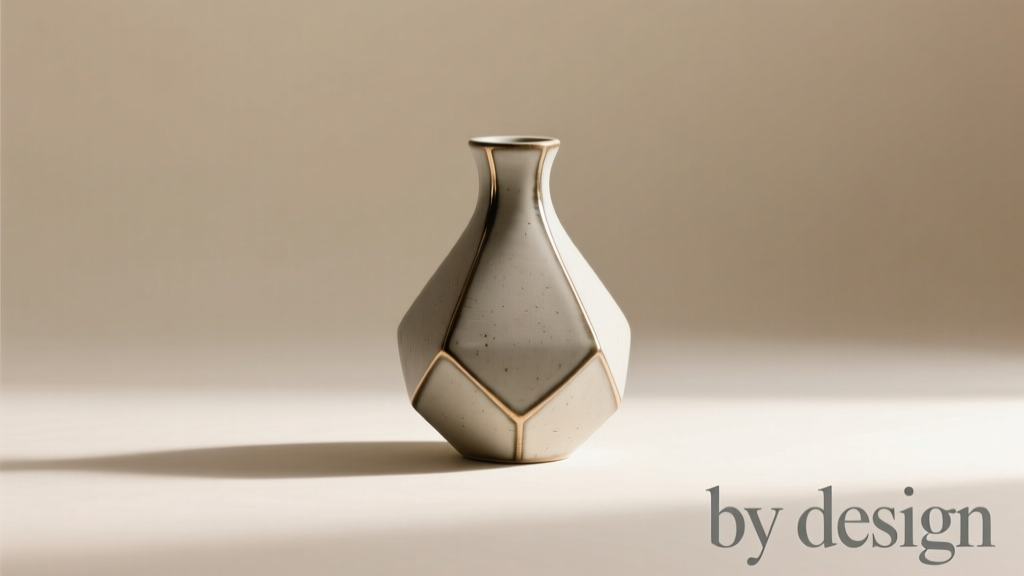
Types of Gold-Plated Products
Gold-plated products offer an affordable way to enjoy the luxurious appearance of real gold without the high cost. By applying a thin layer of gold over a base metal (such as brass, copper, or stainless steel), manufacturers create stunning accessories and functional items that combine elegance with practicality. These products are widely used in fashion, accessories, and lifestyle items, appealing to style-conscious consumers seeking value and sophistication.
Gold-Plated Jewelry
One of the most popular categories, gold-plated jewelry offers a dazzling appearance at a fraction of the cost of solid gold pieces. Ideal for fashion-forward individuals, these items provide versatility and style for everyday wear or special occasions.
- Necklaces: From minimalist chains to bold pendants, gold-plated necklaces elevate any outfit with a touch of elegance and are perfect for layering or making a statement.
- Rings: Available in delicate bands or intricate designs, these rings serve as stylish fashion accessories or budget-friendly alternatives to engagement and wedding bands.
- Bracelets: Whether bangles, tennis styles, or charm bracelets, gold-plated options are versatile and suitable for casual or formal wear.
- Earrings: Including studs, hoops, and dangles, gold-plated earrings enhance facial features and are a staple in women’s accessory collections.
Best for: Fashion enthusiasts, gift shoppers, and those building a versatile jewelry collection
Gold-Plated Eyewear
Combining functionality with luxury, gold-plated eyewear frames add a sophisticated flair to both prescription and non-prescription glasses. The gold finish enhances visual appeal while maintaining lightweight comfort.
- Optical Glasses: Perfect for daily wear, these frames blend practical vision correction with high-end aesthetics, allowing wearers to stay stylish while addressing their eyesight needs.
- Sunglasses: Glamorous and eye-catching, gold-plated sunglasses range from timeless aviators to trendy cat-eye designs, often seen in designer-inspired collections.
- Blue Light Blocking Glasses: Designed for digital device users, these protective glasses feature elegant gold frames that reduce eye strain while boosting personal style.
Best for: Professionals, fashion influencers, and tech-savvy users seeking stylish eye protection
Gold-Plated Watches
These timepieces deliver the opulent look of luxury gold watches at a more accessible price point. Whether used as fashion statements or professional accessories, they enhance wrist presence with minimal investment.
- Fashion Watches: Often embellished with crystals, enamel, or ceramic elements, these playful designs are especially popular among women and ideal for accessorizing outfits.
- Luxury-Inspired Watches: Crafted to resemble high-end brands, these models appeal to executives and professionals who desire a premium appearance without the luxury price tag.
Best for: Office wear, special events, and upgrading everyday style with a touch of class
Gold-Plated Accessories
Beyond jewelry, gold plating enhances a range of personal accessories that reflect attention to detail and refined taste. These items are perfect for completing formal looks or adding a hint of glamour to daily ensembles.
- Tie Clips: A classic accessory for formal attire, gold-plated tie clips add subtle sophistication to suits and dress shirts, ideal for business meetings or weddings.
- Cufflinks: Available in modern minimalistic or vintage-inspired designs, these are essential for men’s formalwear and reflect personal style with elegance.
- Belt Buckles: More decorative than functional, gold-plated belt buckles serve as bold fashion statements, especially favored by those who appreciate luxury aesthetics.
- Hair Accessories: From hairpins to headbands, these items offer a polished finish to updos and are particularly popular for bridal wear and red-carpet events.
Best for: Formal occasions, weddings, corporate events, and enhancing personal grooming details
| Product Type | Primary Use | Aesthetic Appeal | Durability | Ideal For |
|---|---|---|---|---|
| Gold-Plated Jewelry | Fashion & Personal Style | High (Luxurious Look) | Medium (Depends on plating thickness) | Everyday wear, gifting, fashion trends |
| Gold-Plated Eyewear | Functional & Stylish | High (Elegant Finish) | Medium to Good | Professionals, screen users, fashion lovers |
| Gold-Plated Watches | Timekeeping & Style | Very High | Medium (With proper care) | Office wear, events, luxury imitation |
| Gold-Plated Accessories | Accent & Formal Wear | High (Detail-Oriented) | Good (Less exposure to friction) | Weddings, corporate events, grooming |
Expert Tip: To extend the life of gold-plated products, avoid exposure to water, perfumes, and lotions. Store them in dry, separate compartments and clean gently with a soft, non-abrasive cloth to maintain their shine and prevent tarnishing.
Design of Gold-Plated Products: A Comprehensive Guide
Gold-plated products combine the luxurious appearance of solid gold with enhanced affordability and versatility. Whether used in jewelry, watches, eyewear, or decorative accessories, the design of these items involves careful consideration of material science, aesthetic trends, and manufacturing techniques. Understanding key design elements ensures durability, visual appeal, and long-term value for consumers.
1. Layer Thickness: Balancing Durability and Cost
The thickness of the gold layer is a critical factor in determining both the longevity and appearance of gold-plated products. Measured in microns (µm), the plating thickness directly affects resistance to wear, tarnishing, and fading over time. Different applications require varying levels of plating depth to meet performance expectations.
Electroforming (2.5+ Microns)
This method applies a thick gold layer—typically 2.5 microns or more—through an electrochemical process that builds up gold over time. Products made using electroforming offer exceptional durability and closely mimic the look and feel of solid gold.
Ideal for high-end fashion accessories and statement jewelry, electroformed pieces maintain their luster even with daily wear. While more expensive than standard plating, this technique provides excellent value for premium products designed to last for years.
Standard Gold Plating (1–2.5 Microns)
This is the most widely used plating range due to its balance between cost-effectiveness and quality. A layer of 1–2.5 microns provides a rich, radiant finish suitable for everyday jewelry, watches, and accessories.
With proper care—such as avoiding exposure to moisture, chemicals, and abrasives—these items can retain their appearance for several years. This makes them ideal for fashion-forward consumers seeking luxury aesthetics without the high price tag of solid gold.
2. Base Metal Composition: Foundation of Quality
The underlying metal, or substrate, plays a vital role in the overall performance and longevity of gold-plated products. The right base metal enhances adhesion, prevents corrosion, and supports the structural integrity of the final product. Below are the most common base materials used in modern gold plating.
| Base Metal | Key Benefits | Best For |
|---|---|---|
| Stainless Steel | Highly resistant to tarnish and corrosion; hypoallergenic; strong and durable | Jewelry for sensitive skin, everyday wear, water-resistant designs |
| Brass | Excellent adhesion for gold plating; malleable and cost-effective; naturally warm tone enhances gold’s appearance | Fashion jewelry, intricate designs, affordable luxury items |
| Sterling Silver (925) | Premium base with natural luster; tarnish-resistant when sealed; adds value and sophistication | High-end gold-plated jewelry, heirloom-quality pieces |
Choosing the right base metal depends on the intended use, target market, and desired lifespan of the product. For example, stainless steel is ideal for active lifestyles, while sterling silver offers a luxurious foundation for special occasion pieces.
3. Design Aesthetics: Style Trends in Gold-Plated Products
Gold-plated accessories span a wide range of styles, catering to diverse tastes and lifestyles. Designers leverage the versatility of gold plating to create pieces that reflect current fashion trends while maintaining timeless appeal. Below are the most popular design aesthetics in today’s market.
- Minimalist: Clean lines, simple silhouettes, and understated elegance define this trend. Minimalist gold-plated necklaces, rings, and earrings are perfect for daily wear and layering. These pieces emphasize quality craftsmanship over ornamentation and appeal to those who prefer a modern, refined look.
- Bohemian: Inspired by nature and global cultures, boho-style gold-plated jewelry features organic shapes, textured finishes, and the incorporation of natural gemstones like turquoise, amethyst, or moonstone. Ideal for free-spirited individuals, these designs celebrate individuality and artistic expression.
- Vintage: Drawing inspiration from historical periods such as the Victorian, Edwardian, and Art Deco eras, vintage gold-plated pieces often include intricate engravings, filigree work, and ornate detailing. These accessories evoke nostalgia and are favored by collectors and those who appreciate classic elegance.
- Sporty: Combining functionality with style, sporty gold-plated products include lightweight watches, sunglasses, and fitness trackers. These items use flexible, durable materials beneath the gold finish to withstand movement and environmental exposure, making them perfect for active, on-the-go consumers who still want to make a fashion statement.
Important: To maximize the lifespan of gold-plated products, avoid contact with perfumes, lotions, chlorine, and saltwater. Store items in dry, soft-lined compartments and clean gently with a non-abrasive cloth. Regular maintenance preserves the gold layer and prevents premature wear, ensuring your pieces remain radiant for years.
By thoughtfully integrating layer thickness, base metal selection, and aesthetic design, manufacturers can create gold-plated products that deliver lasting beauty, functionality, and customer satisfaction. Whether designing for fashion, function, or fine detail, these principles form the foundation of successful gold-plated product development.
How to Choose Gold-Plated Products
Selecting high-quality gold-plated products requires a careful evaluation of materials, craftsmanship, design, and care requirements. Whether for jewelry, watches, eyewear, or decorative accessories, understanding the key factors ensures you offer durable, attractive, and value-driven items that meet customer expectations.
Quality of Gold Plating
The longevity and appearance of gold-plated products depend heavily on the plating's thickness and purity (karat). These two factors determine how long the item will retain its lustrous gold finish before wear or tarnishing becomes visible.
- Plating Thickness: Measured in microns (µm), thicker plating (e.g., 2–5 µm) lasts significantly longer than flash plating (less than 0.5 µm), especially for items worn daily like rings or bracelets.
- Karat Value: 14K and 18K gold plating are most common. Higher karat gold (like 22K) offers richer color and better tarnish resistance but may be softer and more prone to scratching.
- Plating Process: Electroplating is standard, but high-end items may use ion plating or PVD (Physical Vapor Deposition) for enhanced durability and adhesion.
Key consideration: Look for products labeled with plating thickness and karat to ensure transparency and quality assurance.
Base Material Quality
The foundation beneath the gold layer plays a crucial role in the product’s overall durability, weight, and resistance to corrosion. A poor base can undermine even the best plating.
- Stainless Steel: Highly durable, hypoallergenic, and affordable—ideal for everyday jewelry and watches. Resists rust and maintains structural integrity.
- Brass: Cost-effective and easy to mold into intricate designs, but prone to tarnishing and skin discoloration if the plating wears through.
- Sterling Silver: Premium base metal that offers excellent luster and tarnish resistance when properly sealed. More expensive but delivers a luxurious feel.
- Copper: Rarely used alone due to oxidation; typically requires a nickel barrier layer to prevent migration and discoloration.
Pro tip: Avoid base metals that oxidize easily unless properly sealed—this prevents green marks on skin and premature degradation.
Design and Style Appeal
Design is a major driver of consumer choice. The right style can elevate a gold-plated product from a simple accessory to a statement piece.
- Minimalist Designs: Clean lines and subtle elegance appeal to modern consumers seeking versatile, everyday wearables that pair well with casual or professional attire.
- Vintage & Antique Styles: Intricate detailing, filigree work, and classic motifs attract customers who appreciate timeless or nostalgic aesthetics.
- Trend-Driven Pieces: Staying current with fashion cycles—such as layered chains, chunky hoops, or personalized engraving—helps capture seasonal demand.
- Target Audience: Consider age, lifestyle, and purchasing intent (e.g., gifts vs. self-purchase) when curating collections.
Critical factor: Balance timeless appeal with trending elements to maintain relevance across seasons.
Usage and Care Requirements
Gold-plated products offer an affordable alternative to solid gold, but they require proper maintenance to preserve their beauty and extend lifespan.
- Avoid Chemical Exposure: Perfumes, lotions, chlorine, and cleaning agents accelerate plating wear and cause discoloration.
- Limit Moisture & Heat: Remove items before swimming, showering, or exercising to prevent water damage and sweat corrosion.
- Proper Cleaning: Use a soft, lint-free cloth for light polishing. Never use abrasive cleaners or ultrasonic machines unless specified by the manufacturer.
- Storage Tips: Store in a dry, cool place—preferably in individual pouches or lined boxes to prevent scratches and friction.
- Specialty Items: Gold-plated watches and eyewear should be serviced periodically to check plating integrity and hinge mechanisms.
Smart choice: Include care cards with every purchase to educate customers and reduce returns due to improper handling.
Professional Recommendation: For long-term satisfaction, prioritize products with at least 2-micron thick 14K or 18K gold plating over stainless steel or sterling silver bases. These offer the best balance of durability, appearance, and value. Always verify product specifications and certifications when sourcing from suppliers to ensure consistency and quality control.
| Product Type | Recommended Plating | Best Base Material | Lifespan (With Care) |
|---|---|---|---|
| Everyday Jewelry (rings, necklaces) | 2–5 µm, 14K–18K | Stainless Steel or Sterling Silver | 1–3 years |
| Fashion Accessories (earrings, bracelets) | 1–2 µm, 14K | Stainless Steel or Brass (sealed) | 6 months – 2 years |
| Watches & Eyewear | 3–5 µm, 18K (PVD preferred) | Stainless Steel | 2–5 years |
| Decorative Items (frames, pens) | 1–3 µm, 14K | Brass or Zinc Alloy | 3–5+ years (low wear) |
Additional Considerations
- Brand Transparency: Reputable sellers disclose plating thickness, karat, and base material—avoid vague terms like "gold finish" without details.
- Hypoallergenic Options: Choose nickel-free bases and plating processes to accommodate sensitive skin and comply with EU safety standards.
- Eco-Friendly Plating: Look for suppliers using low-impact electroplating methods and recyclable materials to appeal to sustainability-conscious buyers.
- Warranty & Returns: Some premium brands offer re-plating services or limited warranties, adding value and trust.
- Price vs. Value: Extremely low prices often indicate flash plating or inferior base metals—invest in quality to reduce customer complaints and returns.
Supply Chain and Industry: Gold-Plated Accessories Market
The gold-plated accessories industry thrives on a complex yet efficient supply chain that connects manufacturers, suppliers, logistics providers, and end consumers. As demand for affordable luxury grows, businesses must understand every link in the chain—from sourcing raw materials to delivering finished products. This guide explores key aspects of the supply chain, including supplier selection, evolving market trends, and critical logistics considerations, to help businesses remain competitive and customer-focused.
Suppliers and Manufacturers: The Foundation of Quality
Suppliers and manufacturers form the backbone of the gold-plated accessories market. They are responsible for transforming base metals into high-quality, stylish products that deliver the look and feel of solid gold at a fraction of the cost. Selecting the right manufacturing partner is crucial for maintaining product consistency, meeting demand, and ensuring long-term profitability.
When sourcing gold-plated jewelry or accessories in bulk, consider the following key criteria to ensure reliability and quality:
- Product Quality & Compliance: Ensure the supplier adheres to international standards for gold plating, such as minimum plating thickness (typically 0.5 to 2.5 microns), use of high-purity base metals (like brass or stainless steel), and proper surface preparation. Look for certifications like ISO 9001 or compliance with REACH and RoHS regulations to verify ethical and safe production practices.
- Production Capacity & Scalability: Choose a manufacturer capable of handling both small trial orders and large-scale production runs. Assess their factory infrastructure, lead times, and ability to maintain consistent quality under volume pressure. Reliable suppliers should offer transparent production timelines and have contingency plans for peak seasons.
- Communication & Transparency: Effective communication is essential for smooth collaboration. The ideal supplier provides regular updates on order status, responds promptly to inquiries, and proactively informs you of potential delays or material shortages. They should also stay informed about market trends and be open to feedback and customization requests.
Expert Tip: Request product samples before placing bulk orders. This allows you to evaluate plating durability, finish quality, and overall craftsmanship firsthand. Also, consider visiting the supplier’s facility or conducting third-party audits for high-volume partnerships.
Market Trends Shaping the Gold-Plated Industry
The gold-plated accessories market is rapidly evolving in response to changing consumer preferences, technological advancements, and global economic shifts. Staying ahead of these trends enables businesses to innovate, differentiate their offerings, and capture new market segments.
- Sustainability & Ethical Sourcing: With increasing consumer awareness about environmental impact, sustainable practices are no longer optional—they’re expected. Leading brands are adopting recycled metals, eco-friendly plating solutions (such as low-cyanide or cyanide-free processes), and biodegradable or reusable packaging. Certifications like the Responsible Jewellery Council (RJC) can enhance brand credibility.
- Personalization & Customization: Customers today seek unique, meaningful pieces that reflect their individuality. This has led to a surge in demand for customizable gold-plated items—such as engraved necklaces, initial bracelets, monogrammed rings, or bespoke designs. Offering made-to-order options can boost customer engagement and reduce inventory waste.
- Tech-Integrated Accessories: The convergence of fashion and technology is driving innovation in wearable accessories. Gold-plated smartwatches, fitness trackers, wireless earbuds, and even phone cases are gaining popularity. These products combine aesthetic appeal with functionality, appealing to tech-savvy consumers who value style and performance.
- E-commerce & Digital Marketing Growth: Online sales platforms have revolutionized how gold-plated accessories are marketed and sold. Social commerce, influencer partnerships, and targeted advertising on platforms like Instagram, TikTok, and Pinterest allow brands to reach global audiences efficiently. Subscription models, limited-edition drops, and virtual try-ons further enhance the online shopping experience.
| Market Trend | Consumer Demand | Business Opportunity | Implementation Strategy |
|---|---|---|---|
| Sustainability | Eco-conscious buyers prefer green brands | Brand differentiation, premium pricing | Use recycled materials, eco-packaging, carbon-neutral shipping |
| Customization | Desire for unique, personal items | Higher customer loyalty, reduced returns | Offer engraving, name-based designs, made-to-order options |
| Tech Integration | Demand for stylish, functional wearables | Access to tech and fashion markets | Partner with tech firms, launch hybrid accessories |
| E-commerce Expansion | Preference for online shopping and social discovery | Global reach, lower overhead costs | Invest in SEO, influencer marketing, mobile-optimized stores |
Shipping and Logistics: Ensuring Timely and Secure Delivery
Efficient shipping and logistics are vital to customer satisfaction and brand reputation. Gold-plated accessories, especially jewelry and delicate wearables, require careful handling to prevent damage, tarnishing, or loss during transit. A well-structured logistics strategy balances speed, cost, and safety while complying with international trade regulations.
Key factors to consider include:
- Protective Packaging: Given the sensitivity of gold-plated finishes, proper packaging is non-negotiable. Use anti-tarnish pouches, padded boxes, foam inserts, and sealed plastic wraps to protect against moisture, friction, and scratches. For high-value items, consider tamper-evident or branded packaging to enhance unboxing experience and deter theft.
- Customs, Duties, and Compliance: International shipments may be subject to customs inspections, import duties, and VAT. Research the regulations of target markets to avoid unexpected fees or delays. Accurate product classification (HS codes), proper documentation (commercial invoices, certificates of origin), and working with experienced freight forwarders can streamline cross-border delivery.
- Flexible Shipping Options: Offer a range of shipping methods to meet diverse customer needs. Express shipping (3–5 days) caters to urgent orders, standard shipping (7–14 days) balances cost and speed, and economy shipping (15+ days) appeals to budget-conscious buyers. Integrating real-time shipping calculators and tracking systems improves transparency and trust.
Important Note: Always insure high-value shipments and maintain detailed records of all logistics transactions. Consider partnering with fulfillment centers or third-party logistics (3PL) providers to scale operations efficiently and reduce delivery times globally.
Additional Recommendations for Industry Success
- Build long-term relationships with 2–3 vetted suppliers to mitigate supply chain risks.
- Invest in quality control checks (e.g., plating thickness testing, salt spray tests) to ensure product longevity.
- Leverage customer feedback to refine product designs and packaging.
- Monitor exchange rates and gold price fluctuations, as they can impact material costs and pricing strategies.
- Stay updated on trade agreements and tariffs that may affect import/export operations.
In today’s competitive landscape, success in the gold-plated accessories market depends on more than just aesthetics��it requires a strategic approach to sourcing, innovation, and logistics. By aligning with reliable suppliers, embracing market trends, and optimizing delivery processes, businesses can deliver exceptional value to customers while building a sustainable and scalable brand.
Frequently Asked Questions About Gold Plating
Q1: How long does gold plating last?The longevity of gold plating depends on both the thickness of the plating and how well the item is cared for. Proper maintenance significantly extends the life of the gold finish.
- Thick plating (2.5 microns or more): With regular care, such as avoiding moisture and storing properly, these items can retain their luster for several years—often 5 to 10 years or more.
- Standard plating (1–2.5 microns): These may last anywhere from 6 months to 2 years depending on frequency of wear and exposure to environmental factors like sweat, lotions, and chemicals.
- Flash plating (less than 1 micron): Often used in fashion jewelry, this ultra-thin layer may begin to wear off within weeks or months with daily use.
Regular cleaning and mindful usage—such as removing jewelry before swimming or exercising—can dramatically improve durability regardless of plating thickness.
Q2: How should I care for gold-plated products to extend their lifespan?Proper care is essential to preserve the beauty and integrity of gold-plated items. Since the gold layer is only a surface coating, it can wear away if exposed to harsh conditions.
- Avoid Chemical Exposure: Keep gold-plated accessories away from perfumes, hairsprays, lotions, chlorine, and household cleaners, as these can erode the gold layer and cause discoloration.
- Minimize Moisture Contact: Never wear gold-plated jewelry in the shower, pool, or sauna. Water accelerates oxidation and can seep under the plating, leading to peeling or flaking.
- Store Properly: Store items in a dry, cool place, ideally in soft pouches or lined jewelry boxes to prevent scratching. Avoid stacking pieces that can rub against each other.
- Clean Gently: Use a soft, lint-free cloth to wipe the surface after each use. For deeper cleaning, dampen the cloth slightly with water (never immerse), then dry immediately and thoroughly.
- Limit Sun and Heat Exposure: Prolonged exposure to direct sunlight or high temperatures can accelerate fading and deterioration of the plating.
By following these simple practices, you can help maintain the radiant appearance of your gold-plated accessories for years.
Q3: What is the difference between gold plating and electroforming?While both processes apply a layer of gold to a base metal, the method, thickness, and resulting durability differ significantly.
| Feature | Gold Plating | Electroforming |
|---|---|---|
| Gold Layer Thickness | Typically 1–2.5 microns; sometimes less | 2.5 microns or more—often up to 10+ microns |
| Process | Thin layer deposited via electroplating; quick and cost-effective | Builds up gold over time through prolonged electrochemical deposition |
| Durability | Moderate; wears off faster with frequent use | High; much more resistant to wear and tarnish |
| Appearance | Shiny but may reveal base metal over time | Richer, deeper gold tone; resembles solid gold |
| Cost & Use | Common in affordable fashion jewelry | Used in premium, long-lasting pieces; higher production cost |
Electroformed jewelry offers superior longevity and aesthetic quality, making it ideal for heirloom-style or high-end designs, while traditional plating suits budget-friendly, trendy accessories.
Q4: Are gold-plated products hypoallergenic?Gold-plated items can be suitable for sensitive skin, but their hypoallergenic properties depend largely on the base material used beneath the gold layer.
- Sterling Silver Base: Naturally low in allergens and ideal for sensitive skin, though it may tarnish over time if the plating wears.
- Stainless Steel Base: Highly resistant to corrosion and generally non-reactive, making it one of the safest choices for allergy-prone individuals.
- Brass Base: Often used for its strength and shine, but may contain small amounts of nickel or lead, which can trigger reactions in some people—especially if the plating wears down.
To ensure safety, look for products labeled as "nickel-free" or "hypoallergenic base material." Even with a safe base, avoid wearing gold-plated jewelry 24/7 to reduce friction and exposure that could expose the underlying metal.
Q5: How do I choose the right gold-plated accessories for resale?Selecting high-quality gold-plated accessories for resale requires attention to craftsmanship, materials, and market demand to ensure customer satisfaction and repeat business.
- Plating Quality: Prioritize items with a plating thickness of at least 2.5 microns (microns marked as “µm” or “mic”). Thicker plating ensures longer wear and better value perception.
- Base Material: Opt for hypoallergenic bases like stainless steel or sterling silver to appeal to a broader audience, including those with skin sensitivities.
- Design & Trend Alignment: Choose timeless styles or trending designs that match your target market—minimalist, vintage, or statement pieces—depending on your brand identity.
- Finish & Craftsmanship: Inspect for smooth, even plating without bubbles, scratches, or patchiness. Well-polished edges and secure clasps indicate professional manufacturing.
- Packaging & Branding: Products with elegant packaging and clear labeling (e.g., “nickel-free,” “2.5µm gold plating”) enhance perceived value and build trust.
- Supplier Reliability: Work with reputable suppliers who provide consistent quality and certifications, especially if marketing the products as eco-friendly or sustainable.
By focusing on quality over quantity, you can build a loyal customer base that values durability, safety, and style in their gold-plated purchases.









