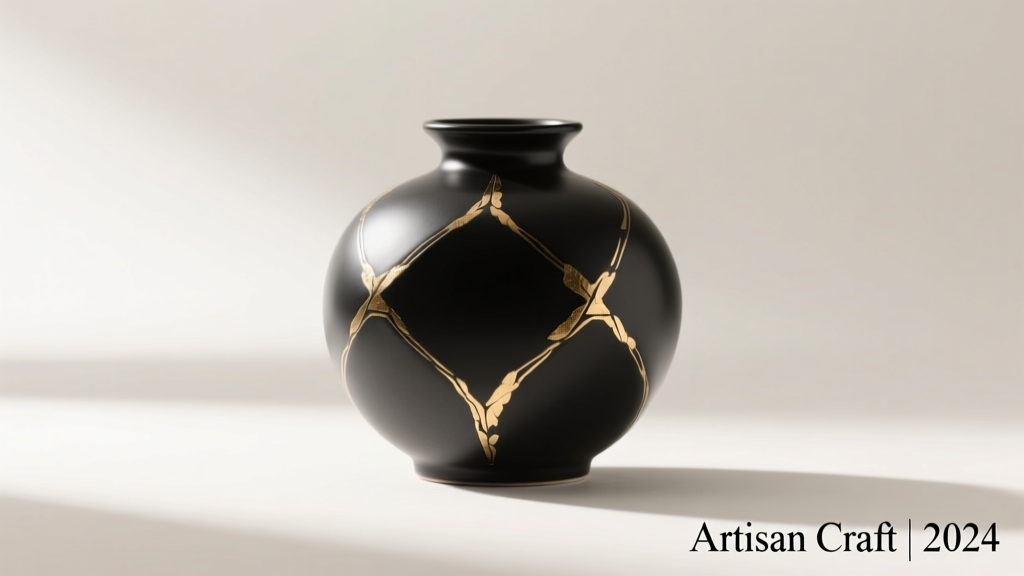
Types of Lightweight Art Stone
Lightweight art stone is a revolutionary alternative to traditional stone and masonry materials, offering artists, architects, and designers the aesthetic appeal of natural stone with dramatically reduced weight. These materials are engineered for versatility, ease of installation, and durability across both indoor and outdoor applications. Below is a comprehensive breakdown of the most common types, their composition, benefits, and ideal uses.
Faux Lightweight Concrete
Made from durable polyurethane or polyresin, this material mimics the appearance and texture of real concrete while being significantly lighter. Its moldability allows for intricate detailing and complex shapes that would be difficult or costly with traditional concrete.
Advantages
- Highly realistic concrete finish
- Excellent for detailed or custom designs
- Easy to install, transport, and handle
- Resistant to cracking and weathering
Limitations
- May degrade under prolonged UV exposure (depending on formulation)
- Less thermal mass than real concrete
- Premium cost for high-end finishes
Best for: Interior feature walls, decorative panels, faux concrete furniture, architectural accents
Lightweight Gypsum Casts
A refined version of traditional plaster, lightweight gypsum incorporates air pockets and reinforcing agents to reduce mass while maintaining sculptural integrity. It’s ideal for ornate indoor designs where weight is a concern.
Advantages
- Exceptional detail reproduction
- Smooth finish, easy to paint or texture
- Cost-effective for indoor projects
- Lightweight and easy to mount
Limitations
- Poor moisture resistance
- Not suitable for outdoor use
- More fragile than polymer or fiberglass alternatives
Best for: Ceiling medallions, wall reliefs, indoor sculptures, decorative moldings
Fiberglass Reinforced Lightweight Stone
This high-performance material combines a stone-like resin matrix with embedded fiberglass mesh, delivering exceptional strength-to-weight ratio. The reinforcement increases impact resistance and structural stability, making it ideal for demanding environments.
Advantages
- Superior strength and durability
- Weather and UV resistant
- Ideal for large-scale outdoor installations
- Resistant to cracking and erosion
Limitations
- Higher cost compared to basic resins
- Requires professional handling for large pieces
- Surface may require finishing for ultra-realistic textures
Best for: Outdoor sculptures, building façades, signage, public art installations
Polymer Resin Stones
Crafted by pouring high-grade resin into precision molds, these stones capture fine textures and natural patterns with remarkable accuracy. Most formulations are UV-stabilized and waterproof, ensuring longevity in exterior settings.
Advantages
- Highly detailed and customizable
- Waterproof and UV-resistant
- Lightweight yet durable
- Low maintenance and long-lasting
Limitations
- Sensitive to extreme heat (can warp)
- May require protective coatings in harsh climates
- Can be brittle if not properly reinforced
Best for: Garden ornaments, fountains, water features, exterior wall cladding
Aerated Plaster of Paris
This specialty material is created by introducing air bubbles into Plaster of Paris during the curing process, significantly reducing its density. The result is an ultra-light, workable medium perfect for delicate indoor art pieces.
Advantages
- Extremely lightweight
- Easy to carve and modify post-cure
- Quick setting and low-cost material
- Ideal for prototyping and temporary installations
Limitations
- Very low moisture resistance
- Fragile and prone to chipping
- Not suitable for structural or outdoor use
Best for: Indoor sculptures, theatrical props, art installations, decorative centerpieces
| Type | Weight | Durability | Weather Resistance | Best Application |
|---|---|---|---|---|
| Faux Lightweight Concrete | Low | High | Good (UV-dependent) | Interior decor, faux concrete finishes |
| Lightweight Gypsum Casts | Very Low | Medium | Poor | Indoor ornamental designs |
| Fiberglass Reinforced Stone | Low-Medium | Excellent | Excellent | Outdoor sculptures, architectural elements |
| Polymer Resin Stones | Low | High | Excellent | Garden decor, water features, exteriors |
| Aerated Plaster of Paris | Ultra-Light | Low | Poor | Fine indoor art, temporary installations |
Expert Tip: For outdoor applications, always verify that the lightweight art stone is UV-stabilized and sealed against moisture. Applying a clear acrylic or polyurethane topcoat can significantly extend the lifespan and color retention of polymer and resin-based stones.
What Makes Lightweight Art Stone So Popular?
Lightweight art stone has rapidly gained popularity across architectural, interior design, and artistic applications. As modern construction and creative industries prioritize efficiency, sustainability, and visual appeal, this innovative material has emerged as a preferred alternative to traditional natural stone. Its rise in demand is fueled by a combination of functional advantages and aesthetic flexibility, making it ideal for both residential and commercial projects.
Top Benefits Driving the Popularity of Lightweight Art Stone
Durability and Weather Resistance
One of the most compelling features of lightweight art stone is its exceptional durability. Engineered from advanced composite materials such as fiberglass-reinforced resins and polymer-modified cements, these stones are highly resistant to cracking, chipping, and structural fatigue—common issues with natural stone under stress or impact.
In addition, they are designed to withstand extreme weather conditions, including UV exposure, freeze-thaw cycles, and moisture penetration. This makes them perfect for both indoor installations—like feature walls and fireplaces—and outdoor applications such as façades, garden sculptures, and exterior cladding without compromising longevity or appearance.
Aesthetic Versatility
Lightweight art stone offers unparalleled creative freedom. Thanks to modern molding and casting techniques, it can replicate the intricate textures and natural variations of real stone—such as limestone, sandstone, or slate—with astonishing realism. At the same time, it can be customized into bold, contemporary designs, abstract patterns, or even thematic reliefs for artistic installations.
Manufacturers can achieve consistent color tones and fine surface details across large batches, ensuring uniformity in large-scale projects. This blend of realism and customization makes it a favorite among architects, designers, and public artists seeking both beauty and precision.
Sustainability and Eco-Friendliness
As environmental concerns grow, so does the demand for sustainable building materials. Many lightweight art stones are now produced using recycled content—such as reclaimed plastics, post-industrial aggregates, or bio-based resins—reducing reliance on quarried stone and minimizing ecological disruption.
Additionally, their lighter weight translates to lower carbon emissions during transportation, and their long service life reduces the need for frequent replacements. When combined with non-toxic, low-VOC (volatile organic compound) finishes, these stones support green building certifications like LEED and contribute to healthier indoor environments.
Ease of Installation and Handling
Unlike traditional stone, which requires heavy machinery, specialized cutting tools, and reinforced structural support, lightweight art stone can be handled and installed with standard tools and minimal labor. Weighing up to 80% less than natural stone, it places less stress on buildings and allows for installation on a wider range of substrates—including wood frames, drywall, and existing masonry.
This ease of use makes it ideal for retrofitting older buildings, creating decorative murals, or constructing intricate sculptures where precision and adaptability are key. DIY enthusiasts and professional contractors alike appreciate the reduced installation time and cost, especially in hard-to-reach areas or elevated installations.
Cost-Effectiveness
Lightweight art stone provides a budget-friendly alternative without sacrificing visual impact. The raw materials used in its production are generally more affordable than quarried stone, and the manufacturing process allows for mass production with consistent quality.
Moreover, savings extend beyond the initial purchase price: reduced shipping costs due to lower weight, minimal need for structural reinforcement, and faster installation all contribute to significant overall project savings. This affordability opens up high-end design possibilities to a broader range of clients, from homeowners to developers.
Design Flexibility and Customization
Beyond the listed benefits, lightweight art stone stands out for its adaptability. It can be easily cut, shaped, painted, or textured on-site to fit unique design requirements. Panels are available in modular formats for seamless tiling or as bespoke pieces for one-of-a-kind installations.
Designers can experiment with colors, edge profiles, and dimensional depth to create dynamic visual effects. Whether mimicking ancient stone walls or crafting futuristic geometric art, the material supports innovation while maintaining structural integrity.
| Feature | Benefit | Best Use Case |
|---|---|---|
| Durability | Resists cracking, chipping, and weathering | Exterior cladding, high-traffic areas |
| Weight | Up to 80% lighter than natural stone | Retrofits, upper-floor installations, murals |
| Aesthetic Range | Realistic textures to abstract designs | Feature walls, artistic installations |
| Installation | No heavy equipment or structural upgrades needed | DIY projects, renovations, tight spaces |
| Cost | Lower material, transport, and labor costs | Budget-conscious commercial and residential builds |
Why the Future Favors Lightweight Art Stone
The growing preference for lightweight art stone reflects a shift toward smarter, more sustainable design solutions. As urban development accelerates and environmental standards tighten, materials that combine strength, beauty, and efficiency will continue to dominate the market. With ongoing innovations in material science and manufacturing, lightweight art stone is not just a trend—it's a lasting evolution in architectural and artistic expression.
Pro Tip: Always verify the product specifications and manufacturer guidelines before installation. While most lightweight art stones are highly durable, performance can vary based on formulation, UV resistance, and fire ratings. Choosing certified, high-quality products ensures long-term satisfaction and compliance with building codes.
Specifications and Maintenance of Lightweight Art Stone
Lightweight art stone is a modern, versatile material widely used in architectural accents, sculptures, and decorative installations. Designed to mimic the appearance of natural stone while significantly reducing weight, it offers an ideal solution for both indoor and outdoor applications. Proper understanding of its specifications and maintenance ensures longevity, aesthetic appeal, and structural integrity.
Core Specifications
- Materials: Typically composed of polymer resins, fiberglass reinforcement, and lightweight fillers such as air-entrained gypsum or plaster. This composite structure provides strength while minimizing mass.
- Weight: Up to 25–50% lighter than traditional stone or concrete casts, making it easier to handle, transport, and install—especially on elevated or load-sensitive surfaces.
- Dimensions & Shapes: Available in a wide range of customizable sizes and forms. Design flexibility allows artists and architects to use intricate molds, enabling everything from classical columns to abstract sculptures.
- Surface Finish: Can be finished in multiple textures—polished, matte, rough, or patterned—and is highly receptive to paints, stains, and coatings, allowing for exceptional customization to match design themes.
Performance & Installation Features
- Weather Resistance: Engineered to withstand outdoor conditions, including moisture, UV radiation, temperature fluctuations, and mild chemical exposure. High-quality variants include UV stabilizers and water-resistant sealants for prolonged durability.
- Installation System: Compatible with standard construction adhesives, mechanical fasteners, or hybrid mounting systems. Installation method depends on application—wall cladding, freestanding sculpture, or ceiling feature—ensuring secure placement across diverse substrates.
- Structural Flexibility: Ideal for retrofit projects or locations where structural loading is a concern, such as facades, balconies, or interior accent walls.
- Fire Resistance: Many formulations include fire-retardant additives, meeting building code requirements for interior use in commercial and residential spaces.
Maintenance Guidelines for Longevity
Proper care significantly extends the life and visual quality of lightweight art stone. While inherently durable, routine maintenance prevents deterioration and preserves its artistic value.
Daily & Routine Care
- Cleaning: Clean surfaces gently with a soft cloth or sponge and a mild, non-abrasive detergent. Avoid harsh chemicals, acidic cleaners, or pressure washing, which can degrade the resin matrix or damage the finish.
- Dust & Debris Removal: Regularly wipe or lightly rinse outdoor pieces to prevent dirt buildup, moss, or algae growth, especially in humid environments.
- Inspection: Periodically check for signs of wear, discoloration, or sealant degradation, particularly in high-exposure areas.
Best Practice: Clean every 3–6 months depending on environmental exposure.
Protective & Restorative Measures
- Sealing: Apply a high-quality, breathable sealant every 1–2 years to protect against moisture ingress, UV fading, and staining. Choose sealants specifically formulated for composite or resin-based materials.
- Repairing Chips or Cracks: Use manufacturer-recommended fillers or compatible epoxy putties to restore damaged areas. After repair, sand and repaint to match the original finish for seamless integration.
- Impact Protection: Despite its durability, lightweight stone is more susceptible to impact damage than solid stone. Handle with care during transport and installation using padded supports and soft lifting straps.
- Placement Stability: Secure freestanding or elevated pieces in areas prone to high winds or seismic activity. Anchor heavy sculptures to prevent tipping or displacement during storms.
Pro Tip: Label spare touch-up paint or material samples for future repairs to maintain visual consistency.
Professional Recommendation: For outdoor installations, select lightweight art stone products with integrated UV protection and corrosion-resistant backing. Pair with a maintenance schedule that includes biannual cleaning and resealing to maximize lifespan. In coastal or industrial environments, increase inspection frequency due to salt spray and pollution exposure.
| Feature | Lightweight Art Stone | Traditional Stone/Concrete | Advantage |
|---|---|---|---|
| Weight | 25–50% lighter | Heavy, high load | Easier installation, reduced structural stress |
| Customization | High (moldable, paintable) | Limited (carving required) | Greater design flexibility |
| Weather Resistance | Good (with proper sealant) | Excellent (naturally dense) | Balances performance and weight |
| Maintenance Frequency | Moderate (sealing every 1–2 years) | Low (natural durability) | Trade-off for reduced weight and cost |
| Installation Cost | Lower (less labor, no heavy equipment) | Higher (cranes, structural support) | Cost-effective for large-scale projects |
Additional Considerations
- Environmental Impact: Some lightweight art stones use recycled resins or eco-friendly fillers, offering sustainable alternatives to quarried stone.
- Thermal Expansion: Composite materials expand and contract more than natural stone; ensure proper expansion joints in large installations.
- Paint Adhesion: Use flexible, exterior-grade paints to prevent cracking due to material movement.
- Warranty: Reputable manufacturers often provide 5–10 year warranties against delamination, cracking, and UV degradation.
- Indoor vs. Outdoor Grades: Verify product specifications—indoor variants may lack UV stabilizers or water resistance needed for exterior use.
Important Considerations When Purchasing Lightweight Art Stone
Lightweight art stone has become a popular choice for both indoor and outdoor design projects due to its versatility, aesthetic appeal, and ease of installation. Unlike traditional natural stone, these engineered products offer a realistic stone appearance while significantly reducing weight and structural load. However, selecting the right product requires careful evaluation of several key factors to ensure durability, visual harmony, and long-term value. This guide outlines the most critical considerations when purchasing lightweight art stone for residential, commercial, or artistic applications.
Important Note: While lightweight art stones are designed to mimic natural stone, their performance and longevity depend heavily on material quality and manufacturing standards. Always verify product specifications with the manufacturer or supplier before making a purchase, especially for exterior installations exposed to harsh weather conditions.
Key Factors to Evaluate Before Purchase
- Material Composition
Understanding the base materials used in lightweight art stone is essential for assessing its performance and suitability. Most products are made from a blend of resins, polymers, fiberglass, and mineral fillers. High-quality formulations often include UV-stabilized resins and waterproof additives to prevent fading, cracking, or moisture absorption.
- Look for products labeled as UV-resistant to prevent color degradation under prolonged sun exposure
- Ensure the material is non-porous and waterproof, especially for outdoor or high-moisture environments
- Check for low-VOC (volatile organic compound) content if using indoors or in sensitive environments
- Individuals with chemical sensitivities should request material safety data sheets (MSDS) to confirm allergen-free composition
- Weight and Size Dimensions
As the name suggests, lightweight art stone is engineered to be significantly lighter than natural stone—often 60–80% lighter—making it ideal for vertical installations, elevated surfaces, or structures with weight limitations. However, size consistency and weight distribution still play a crucial role in installation and visual impact.
- Verify the exact dimensions and weight per square foot to ensure compatibility with your project’s structural requirements
- Larger panels may reduce installation time but require additional support or handling equipment
- Ensure modular designs allow for seamless integration and pattern continuity across large surfaces
- Consider transportation logistics, especially for large-scale installations in remote or hard-to-reach areas
- Aesthetic Properties
The visual appeal of lightweight art stone is often the primary reason for its selection. These products are available in a wide range of styles, from rustic fieldstone and weathered limestone to modern geometric patterns and custom finishes. Achieving the desired look requires attention to detail in color, texture, and surface finish.
- Request physical samples or high-resolution images under natural lighting to assess true color and texture
- Evaluate how the stone’s finish (matte, textured, polished) interacts with ambient light in your space
- Consider the scale of the stone pattern relative to the installation area—oversized stones may overwhelm small spaces
- Ensure batch-to-batch color consistency if purchasing at different times or from multiple suppliers
- Weather and Environmental Resistance
For exterior applications, weather resistance is a non-negotiable factor. Exposure to rain, snow, freeze-thaw cycles, and intense sunlight can degrade inferior materials over time. High-performance lightweight art stones are typically reinforced with fiberglass or impact-resistant polymers to withstand these conditions.
- Confirm the product’s resistance to temperature extremes (e.g., -30°F to 120°F)
- Check for freeze-thaw stability, especially in climates with seasonal temperature fluctuations
- Ensure the surface coating prevents mold, mildew, and algae growth in humid environments
- Ask for third-party testing data or warranties related to outdoor durability (e.g., 10+ year fade resistance)
- Cost, Value, and Long-Term Maintenance
While lightweight art stone is generally more affordable than natural stone, pricing can vary widely based on quality, brand, and design complexity. A lower upfront cost may lead to higher long-term expenses if the product requires frequent repairs or replacement.
- Compare cost per square foot, including installation, adhesive, and finishing materials
- Factor in expected lifespan and maintenance needs—high-quality products often require minimal upkeep
- Look for warranties covering color retention, structural integrity, and weather resistance
- Consider the uniqueness and craftsmanship of the design, which may add artistic or resale value
| Consideration | Key Questions to Ask | Recommended Features | Potential Red Flags |
|---|---|---|---|
| Material Composition | Is it UV-stable? Waterproof? Low-VOC? | Fiberglass-reinforced, non-porous resin | Vague descriptions, no technical specs |
| Weight & Size | What is the weight per sq. ft.? Are sizes consistent? | Modular, lightweight (under 5 lbs/sq ft) | Heavy for "lightweight" claim, irregular sizing |
| Aesthetic Quality | Does it look realistic in natural light? | Hand-textured, multi-tonal finish | Plastic-like appearance, flat color |
| Weather Resistance | Is it rated for outdoor use? Freeze-thaw tested? | 10-year warranty, UV-protected coating | No outdoor rating, no warranty |
| Cost & Value | What’s the total installed cost? Maintenance needed? | Balanced price-to-quality ratio, low upkeep | Too cheap, frequent repainting required |
Pro Tip: Always request a sample kit before placing a large order. Test the sample outdoors for several weeks to observe how it holds up to sun, rain, and temperature changes. This real-world evaluation can prevent costly mistakes and ensure the product meets your expectations for both beauty and durability.
Additional Recommendations
- Consult with an architect or designer when using lightweight art stone for structural or load-bearing applications
- Use manufacturer-recommended adhesives and sealants to maintain warranty coverage
- Inspect each panel upon delivery for defects, color variation, or damage
- Consider custom-molded pieces for unique architectural features or artistic installations
- Explore eco-friendly options made from recycled materials or sustainable production processes
Choosing the right lightweight art stone involves balancing aesthetics, performance, and value. By carefully evaluating material composition, weight, appearance, weather resistance, and long-term costs, you can select a product that enhances your space for years to come. When in doubt, prioritize quality over price—superior materials and craftsmanship will always deliver better results in both form and function.
Frequently Asked Questions About Lightweight Art Stone
Q1: What is the lightweight art stone made from?A1: Lightweight art stone is typically composed of a high-performance composite material made from premium-grade resin and reinforced fiberglass. This combination provides exceptional strength while maintaining a remarkably low weight—making it ideal for architectural accents, decorative panels, and interior/exterior design elements. The resin ensures resilience against impacts and weathering, while the fiberglass adds structural integrity without adding bulk.
Q2: Is the art stone waterproof?A2: Yes, lightweight art stone is fully waterproof and highly resistant to ultraviolet (UV) radiation, ensuring long-term durability even under extreme weather conditions. It will not absorb moisture, crack in freezing temperatures, or degrade under prolonged sun exposure. This makes it an excellent choice for outdoor installations such as façades, garden walls, and patio features, where resistance to rain, humidity, and sunlight is crucial.
Q3: Can the stone be used for indoor applications?A3: Absolutely. Thanks to its versatile design and safe, non-toxic composition, lightweight art stone is perfectly suited for both indoor and outdoor environments. Indoors, it's commonly used for feature walls, fireplace surrounds, kitchen backsplashes, and accent panels. Its ease of installation and realistic stone texture enhance aesthetic appeal without placing excessive load on walls or structures—ideal for apartments, commercial spaces, and modern homes alike.
Q4: Does the lightweight art stone break easily?A4: No, despite its light weight, this material is engineered for durability and impact resistance. Constructed from reinforced resin and fiberglass, it resists chipping, cracking, and shattering far better than natural stone or foam alternatives. While no material is indestructible, lightweight art stone can withstand normal handling, transportation, and everyday wear—making it a reliable option for both temporary displays and permanent installations.
Q5: How do buyers maintain the stone?A5: Maintenance is simple and requires minimal effort. To keep the surface clean, gently wash it with mild soap, lukewarm water, and a soft cloth or sponge. Avoid using abrasive cleaners, scouring pads, or high-pressure washers, as these may damage the finish. Additionally, it's important to avoid placing the stone near open flames, direct heat sources (such as heaters or stoves), or in areas with prolonged exposure to extreme temperatures, which could cause warping or discoloration over time.
With proper care, lightweight art stone retains its color, texture, and structural quality for many years, offering lasting beauty and value for residential and commercial projects.









