
When it comes to timeless outerwear, few pieces are as iconic as the leather jacket. But with growing concerns about sustainability, cost, and animal welfare, many consumers now opt for faux leather alternatives. While both materials offer a similar aesthetic, their long-term behavior—especially in terms of durability and resistance to peeling—diverges significantly. Understanding these differences is essential for making an informed decision that aligns with your lifestyle, budget, and values.
This guide dives deep into how genuine leather and faux leather jackets age, what causes peeling, and how care practices influence longevity. Whether you're investing in a classic motorcycle jacket or a trendy biker-style coat, knowing what happens after months—or years—of wear can save you money, frustration, and wardrobe regrets.
The Science Behind Material Longevity
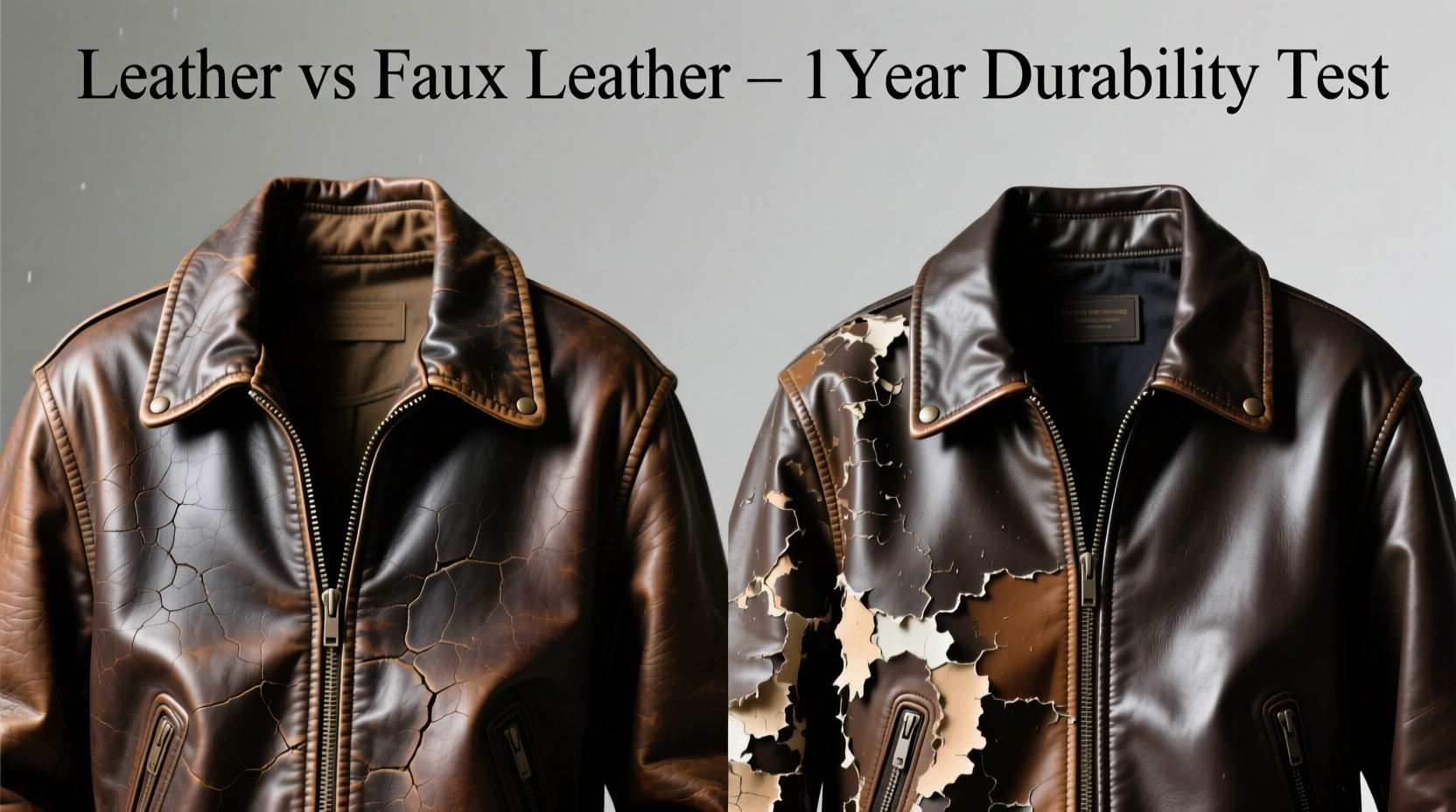
Durability isn’t just about thickness or texture—it’s rooted in molecular structure, environmental exposure, and material composition. Genuine leather is made from tanned animal hides, primarily cowhide, which retain natural fibers that provide strength and flexibility. These fibers form a dense network capable of withstanding stress, abrasion, and moderate weather fluctuations when properly maintained.
Faux leather, on the other hand, typically consists of a polyester or cotton fabric backing coated with polyurethane (PU) or polyvinyl chloride (PVC). These synthetic polymers mimic the look of real leather but lack its fibrous resilience. Over time, especially under UV exposure, temperature changes, and mechanical stress, these coatings degrade, leading to cracking and peeling.
“Real leather ages like fine wine—it develops character. Faux leather often deteriorates like plastic left in the sun.” — Marcus Reed, Textile Conservation Specialist
The fundamental difference lies in organic versus synthetic composition. Leather breathes and adapts; faux leather resists moisture absorption initially but becomes brittle once micro-cracks begin to form beneath the surface.
Peeling: Causes and Patterns by Material Type
Peeling is one of the most visible signs of material failure. It occurs when the outer layer separates from the base fabric or substrate. However, the mechanisms behind peeling differ drastically between leather and faux leather.
Genuine Leather: Does It Peel?
Authentic leather does not \"peel\" in the same way synthetic materials do. Instead, if deterioration occurs, it manifests as dryness, flaking, or surface cracking—usually due to neglect rather than inherent weakness. High-quality full-grain or top-grain leathers are particularly resistant to this because they preserve the hide’s original grain layer, which contains the strongest fibers.
With proper conditioning every 6–12 months using pH-balanced leather oils, genuine leather remains supple and resilient for decades. Vintage leather jackets over 30 years old are still wearable today, often prized for their patina—the natural sheen and color variation developed through use and oxidation.
Faux Leather: Why Peeling Is Inevitable
Faux leather begins to peel when the polymer coating breaks down. This process accelerates under:
- Direct sunlight (UV radiation weakens chemical bonds)
- Repeated folding or creasing (e.g., at elbows or collar)
- Exposure to heat or humidity
- Poor ventilation during storage
Once micro-tears appear in the coating, moisture and air penetrate deeper, causing the layer to lift and flake off. Unlike leather, there’s no way to restore the surface once peeling starts—cleaning or sealing may temporarily mask damage, but structural integrity is compromised.
Tip: If you must choose faux leather, opt for PU-based over PVC—PU is more flexible and less prone to early cracking.Long-Term Durability Comparison
To illustrate the contrast in lifespan and performance, consider the following comparison based on average usage conditions (worn 2–3 times per week during cooler months):
| Factor | Genuine Leather | Faux Leather |
|---|---|---|
| Average Lifespan | 15–30+ years | 3–7 years |
| Resistance to Cracking | High (with care) | Low to moderate |
| Response to Moisture | Absorbs & dries safely (if conditioned) | Resists initially, then traps moisture underneath coating |
| Effect of Sunlight | May fade slightly; rarely cracks | Rapid degradation; promotes peeling within 1–2 seasons |
| Maintenance Needs | Seasonal conditioning, occasional cleaning | Wipe clean only; no conditioning possible |
| Repair Potential | Yes (dye, condition, stitch) | Limited (patches may fail) |
| Eco Impact (End of Life) | Biodegrades slowly; tanning concerns | Non-biodegradable; contributes to microplastic pollution |
The data shows a clear advantage for genuine leather in terms of longevity and repairability. While faux leather offers upfront affordability and ethical appeal, its shorter service life means more frequent replacement, increasing both cost and environmental footprint over time.
Real-World Case Study: Two Jackets, Five Years Later
In 2019, two friends purchased nearly identical black biker-style jackets—one genuine lambskin, the other PU faux leather—for a side-by-side test. Both were worn regularly in urban environments, exposed to rain, transit friction, and seasonal storage.
By 2021, the faux leather jacket began showing fine cracks along the sleeves and collar. The owner wiped it down monthly but avoided conditioners, fearing damage. By 2023, large patches had peeled near the elbows, revealing the woven backing beneath. Attempts to cover flaws with polish failed—the surface no longer adhered uniformly.
The genuine leather jacket, meanwhile, was conditioned twice yearly with a lanolin-based cream. Minor scuffs were buffed out; water spots dried without residue. After five years, it developed a rich, burnished look—still structurally sound, fully functional, and increasingly stylish.
This example underscores a key truth: initial appearance matters less than long-term behavior. A $250 faux leather jacket replaced every five years costs $1,000 over two decades. A $600 leather jacket lasting 25 years averages to just $24 annually—less than half the cost.
Care Practices That Extend Jacket Life
No material performs well without care. But the type of maintenance required varies dramatically between leather types. Follow this step-by-step routine to maximize durability:
- After Each Wear: Wipe away dust and light moisture with a soft, dry cloth. Hang on a wide, padded hanger to maintain shape.
- Monthly Check: Inspect for dryness, stains, or stiffness. Address issues before they spread.
- Deep Clean (Every 6 Months): Use a leather-specific cleaner applied with a lint-free cloth. Avoid soaking; work in small sections.
- Conditioning (Twice Yearly): Apply a thin layer of conditioner suited to your leather type (aniline, nubuck, etc.). Let absorb for 24 hours before wearing.
- Storage Protocol: Store in a breathable cotton garment bag, away from direct light and heat sources. Never use plastic covers—they trap moisture.
Faux leather requires simpler care—wipe with a damp cloth and mild soap—but cannot be conditioned. There is no recovery path once degradation begins. Prevention is the only strategy.
Checklist: Choosing the Right Jacket for Longevity
Before purchasing, ask yourself the following questions to ensure you’re selecting a durable option:
- ✅ Is the leather labeled “full-grain” or “top-grain”? (Avoid “genuine leather” as a marketing term—it can mean low-grade split leather.)
- ✅ For faux leather: Is it PU or PVC? (Choose PU for better flexibility and lifespan.)
- ✅ Does the stitching feel tight and even? Are seams double-stitched at stress points?
- ✅ Can I verify the brand’s reputation for quality control and material sourcing?
- ✅ Am I prepared to invest time in seasonal maintenance?
- ✅ Will I wear this jacket frequently enough to justify a higher upfront cost?
Answering honestly helps align expectations with reality. A well-made leather jacket is a long-term asset; a cheap faux alternative is a disposable fashion item.
Frequently Asked Questions
Does all faux leather eventually peel?
Yes, virtually all faux leather will begin to peel within 3–7 years of regular use. The exact timeline depends on climate, frequency of wear, and quality of manufacturing. Even high-end vegan leathers made with newer materials like bio-based PU have limited lifespans compared to animal hides.
Can peeling faux leather be repaired?
Temporary fixes exist—such as applying liquid leather or vinyl repair kits—but these are cosmetic solutions. They don’t restore structural integrity and often crack again within months. Once peeling starts, replacement is the most practical option.
Is there such a thing as non-peeling faux leather?
Some innovative materials claim improved durability, including plant-based leathers made from pineapple (Piñatex), mushroom mycelium (Mylo), or apple waste. While promising, these are still in early development and generally not as abrasion-resistant as real leather. They also vary widely in performance depending on coating methods and backing fabrics.
Conclusion: Value Beyond the Price Tag
Choosing between leather and faux leather involves more than ethics or aesthetics—it’s a decision about value, responsibility, and long-term satisfaction. While faux leather appeals with lower cost and cruelty-free branding, its tendency to peel and short service life undermines sustainability claims. Replacing a jacket every few years generates more waste than maintaining one high-quality piece for decades.
Genuine leather, when sourced responsibly and cared for properly, proves superior in durability, repairability, and aging grace. Its resistance to peeling isn’t magic—it’s the result of natural fiber strength combined with thoughtful maintenance.
If you prioritize lasting style, reduced consumption, and investment dressing, a real leather jacket is worth the commitment. Treat it well, and it will serve you—and possibly future generations—with distinction.
💬 Have a leather jacket that’s stood the test of time? Share your care tips or stories in the comments—we’d love to hear how your favorite piece has aged over the years.








