For parents, choosing the right car interior isn’t just about style—it’s a daily battle against spills, sticky fingers, muddy shoes, and unexpected messes. When it comes to deciding between leather and cloth seats, many assume leather is the more durable or cleaner option. But how does each material truly hold up under the demands of family life? The answer isn't always straightforward. While leather offers a premium feel and wipeable surface, cloth seats can be more forgiving in certain situations. This article breaks down the practical realities of both materials, helping you make an informed decision based on maintenance, cost, comfort, and long-term resilience when raising kids.
Durability and Wear Resistance
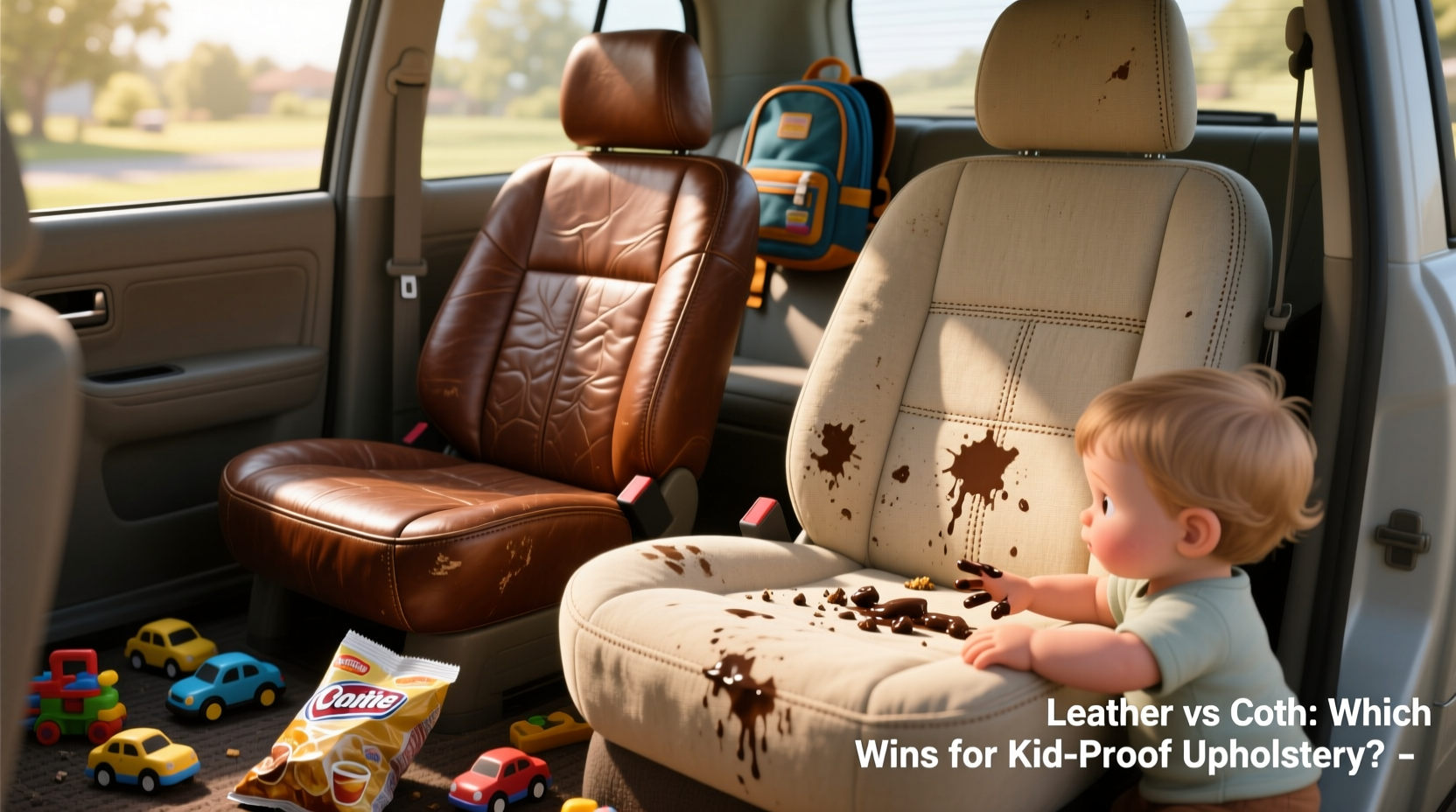
One of the first factors families consider is how well seat upholstery withstands daily wear. Children are naturally active, often climbing in and out of vehicles, kicking seats, and leaving behind scuffs and scratches.
Leather is inherently more resistant to abrasion than most cloth fabrics. Genuine leather, especially full-grain or top-grain varieties, develops a patina over time rather than showing signs of wear immediately. However, it's not impervious. Sharp toys, pet claws, or even buckles from backpacks can puncture or scratch leather surfaces. Once damaged, repairs are often noticeable and may require professional attention.
Cloth seats, while softer and less prone to cracking, tend to show wear more quickly in high-contact areas—especially along the bolsters and headrests. Friction from denim jeans or frequent use can lead to pilling or thinning fabric. However, minor fraying or fading is usually less conspicuous than a deep scratch on leather.
Tip: Consider perforated leather with protective coatings—they resist staining better and are less likely to crack in hot climates.Cleaning and Stain Management
This is where the debate intensifies. Spills, food crumbs, juice boxes, and worse are inevitable with children. How easy is it to clean up?
Leather seats win in terms of immediate clean-up. Most modern vehicles with leather upholstery use synthetic or treated leather that resists liquid absorption. A spill can typically be wiped away with a damp microfiber cloth and mild soap. For tougher stains like dried milk or marker ink, specialized leather cleaners are effective without damaging the material.
However, leather requires regular conditioning—at least twice a year—to prevent drying and cracking. Neglecting this step, especially in sunny or dry climates, can lead to costly deterioration. Also, not all wipes are safe; alcohol-based cleaners or baby wipes can strip natural oils and fade color over time.
Cloth seats, on the other hand, absorb liquids almost instantly. A spilled soda doesn’t stay on the surface—it soaks into the padding beneath, creating lingering odors if not properly treated. While many newer cars feature stain-resistant cloth (like Ford’s “ActiveX” or Toyota’s “Softex” blends), they still require deeper cleaning methods such as steam extraction or spot treatments.
Home remedies like vinegar-water solutions or carpet shampoos can work but risk leaving residues that attract more dirt. Professional detailing may be needed for persistent stains, especially after incidents involving vomit or muddy shoes.
“Parents should treat leather like skin—it needs hydration and protection. Cloth, meanwhile, needs proactive defense through fabric protectants.” — Dana Reyes, Automotive Interior Specialist
Maintenance Comparison Table
| Factor | Leather Seats | Cloth Seats |
|---|---|---|
| Spill Cleanup | Wipeable; minimal absorption | Absorbs quickly; requires immediate blotting |
| Odor Retention | Low; non-porous when sealed | High; traps moisture and smells in fibers |
| Stain Resistance | High with proper treatment | Varies; some have protective coatings |
| Long-Term Maintenance | Condition every 6 months | Vacuum weekly; deep clean every 3–6 months |
| Repair Ease | Professional repair needed for tears | Fabric patches possible; stains harder to remove |
| Kid-Friendly Surface | Smooth, cool in summer, warm in winter* | Softer touch; less noisy during entry/exit |
*Note: Leather can become extremely hot in direct sunlight unless ventilated or shaded.
Real-World Case: The Johnson Family SUV
The Johnsons, a family of five in Phoenix, Arizona, purchased a new SUV with optional leather seating. They chose leather believing it would be easier to maintain with three kids under age 10. Within six months, they noticed fading on the driver’s side bolster due to sun exposure through the window. One child spilled grape juice during a road trip—the liquid seeped into the seam between the seat and center console, staining the underlying foam.
They began using a UV-blocking windshield cover and applied a leather conditioner every season. Still, after two years, micro-cracks appeared near the crease of the front passenger seat. In contrast, their previous minivan had cloth seats. Though those showed more visible dirt, they never cracked or faded, and steam cleaning once per quarter kept them fresh.
After switching back to cloth in their next vehicle, Mrs. Johnson said, “We spend more time vacuuming, but we don’t stress over every little spill. It feels more forgiving.”
Temperature and Comfort Considerations
Comfort matters, especially during long drives or extreme weather. Leather behaves differently than cloth depending on climate.
In **hot climates**, leather seats can reach temperatures exceeding 150°F (65°C) after hours in the sun. Even brief contact can cause discomfort or minor burns on bare legs. Ventilated seats help, but not all models offer this feature. Using seat covers or parking in shade becomes essential.
In **cold weather**, leather feels icy upon entry. Heated seats mitigate this, but cloth naturally insulates better and warms up faster with body heat.
Cloth provides consistent tactile comfort year-round. It doesn’t stick to skin in summer or feel freezing in winter. For families in regions with wide temperature swings, this consistency can be a major advantage.
Tip: If you choose leather, invest in breathable cotton seat covers for daily use—they protect the surface and regulate temperature.Cost Implications Over Time
Leather interiors typically add $1,500–$3,500 to a vehicle’s price tag. That premium includes not just the material but also enhanced cushioning and design elements. However, resale value may benefit slightly from leather, particularly in luxury or executive segments.
But long-term ownership costs tell a different story. Leather requires ongoing investment in conditioners ($15–$30 per bottle) and occasional professional cleaning or re-dyeing ($100–$300). Repairing a tear or burn can exceed $500 if done at a dealership.
Cloth seats are cheaper upfront and generally lower maintenance financially. Replacement fabric panels are less expensive, and DIY cleaning supplies are widely available. Some manufacturers now offer “anti-stain” textiles similar to performance home furniture fabrics, reducing the need for frequent professional service.
From a total cost of ownership perspective, cloth often comes out ahead—especially for families who plan to keep their vehicle beyond five years.
Step-by-Step Guide to Upholstery Care by Material
For Leather Seats:
- Vacuum seams and crevices monthly to remove crumbs and debris.
- Wipe surfaces with a damp microfiber cloth and pH-balanced leather cleaner every 2 weeks.
- Deep clean every 3–4 months using a dedicated leather shampoo.
- Apply conditioner every 6 months to restore moisture and prevent cracking.
- Use UV protectant if parked outdoors frequently to reduce fading.
For Cloth Seats:
- Vacuum thoroughly at least once a week, focusing on between cushions and under seat belts.
- Blot spills immediately with a dry towel; avoid rubbing to prevent spreading.
- Apply fabric protector spray every 6 months to create a stain-resistant barrier.
- Treat stains promptly with enzyme-based cleaners for organic matter (milk, food, urine).
- Steam clean every 3–6 months or schedule professional detailing for deep sanitation.
FAQ: Common Parent Questions Answered
Can I use baby wipes on leather car seats?
No. Most baby wipes contain alcohol, citric acid, or fragrances that can dry out leather and degrade its protective coating over time. Use only wipes specifically formulated for automotive leather or a damp cloth with mild soap.
Do cloth seats really smell worse than leather?
They can, because cloth absorbs moisture and organic residues more readily. Without regular cleaning, trapped sweat, food particles, or spills can lead to bacterial growth and persistent odors. Leather, being non-porous when properly sealed, resists odor buildup much better—if maintained correctly.
Are there hybrid options that combine benefits of both?
Yes. Many automakers now use \"leatherette\" (synthetic leather) or partial leather-trimmed seats with cloth centers. These hybrids balance cost, comfort, and cleanability. Some brands, like Subaru and Mazda, offer water-resistant ultrasuede or textile blends that mimic leather’s wipeable surface while retaining cloth-like softness.
Final Checklist Before Deciding
- ✅ Assess your local climate: Is your car often parked in direct sun or cold garage?
- ✅ Evaluate your kids’ age and habits: Toddlers spill more; teens track in mud.
- ✅ Consider your cleaning routine: Do you prefer quick wipe-downs or scheduled deep cleans?
- ✅ Factor in vehicle lifespan: Are you keeping the car long-term?
- ✅ Test drive both options: Sit on demo models with similar upholstery to feel texture and temperature.
Conclusion: Choosing What Works for Your Family
There’s no universal winner in the leather versus cloth debate when kids are involved. Leather offers sleek aesthetics and easy surface cleaning but demands consistent care and performs poorly in extreme temperatures. Cloth is more forgiving, comfortable, and cost-effective over time but requires vigilance to prevent deep-set stains and odors.
The best choice depends on your lifestyle, environment, and willingness to maintain the interior. If you prioritize low daily effort and live in a hot or cold climate, treated cloth or hybrid materials may serve you better. If you value premium look, infrequent but structured maintenance, and plan to resell sooner, leather could be worth the investment.
💬 Have experience with leather or cloth seats and kids? Share your story in the comments—your insights could help another parent make the right call!








