When choosing a travel tote, two materials dominate the conversation: leather and canvas. Both are staples in luggage design, praised for their style and utility. But when it comes to long-term durability during frequent use—especially under the unpredictable conditions of travel—one material tends to outperform the other. The answer isn’t always obvious, because performance depends on how you travel, what you carry, and how much maintenance you’re willing to commit to.
This guide breaks down the strengths and weaknesses of leather and canvas totes from a traveler’s perspective. We’ll examine wear resistance, weather performance, load capacity, aging behavior, and care requirements. By the end, you’ll know not just which lasts longer, but which is truly right for your lifestyle.
Durability Under Real Travel Conditions
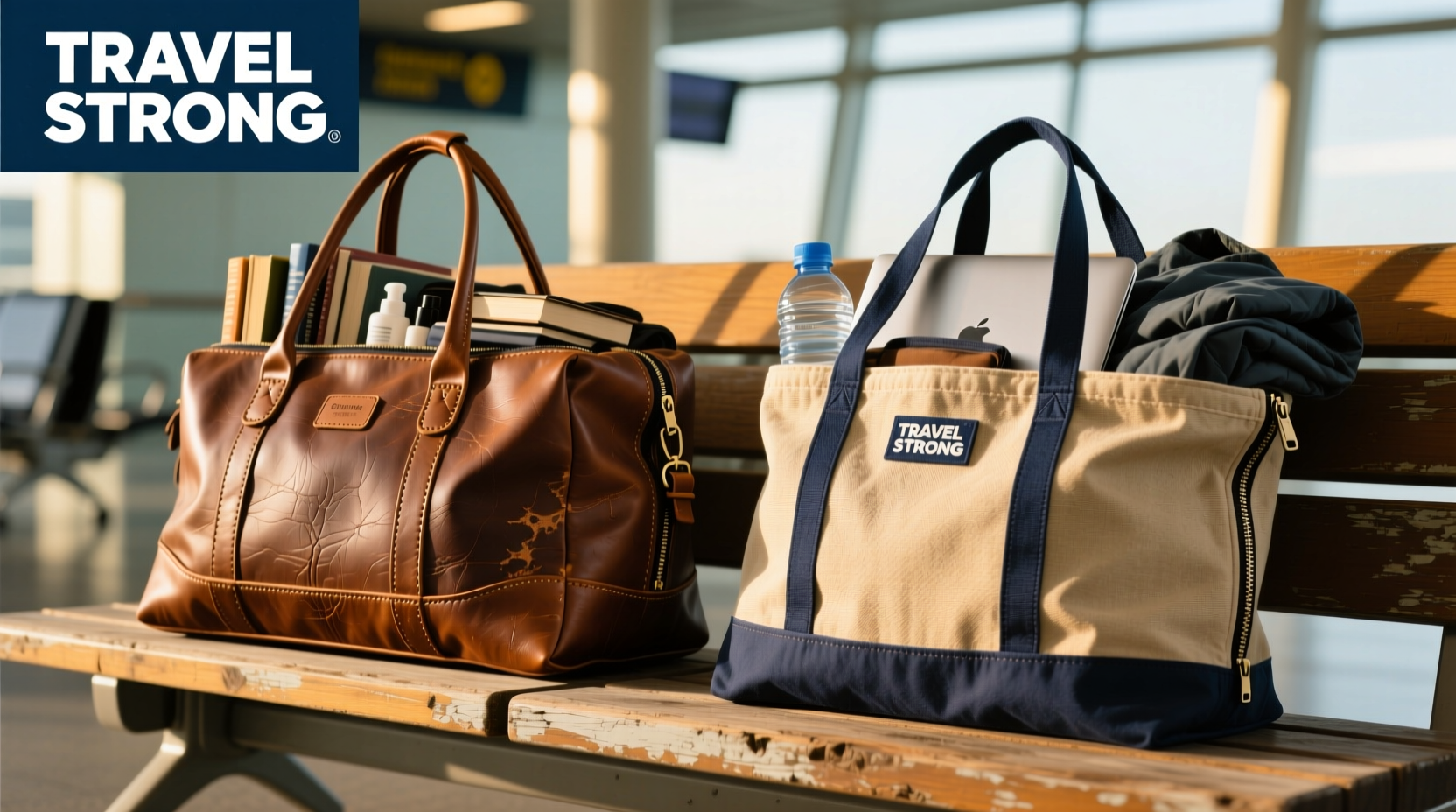
Travel exposes bags to extreme stress: packed overhead bins, rough handling at baggage claims, sudden rain showers, and daily abrasion against cobblestones or airport floors. How each material responds to these challenges determines its longevity.
Leather is naturally dense and fibrous. Full-grain or top-grain varieties develop a patina over time, becoming more characterful without sacrificing strength. High-quality leather resists tearing and scuffing far better than fabric alternatives. It also molds slightly to its contents, reducing strain on seams during extended use.
Canvas, typically made from tightly woven cotton or polyester-cotton blends, offers solid tensile strength. However, repeated friction—like dragging across pavement or stuffing into tight spaces—can cause fraying, especially at corners and along edges. While some modern canvas is treated with water-resistant coatings, these degrade over time, exposing the base fabric to moisture damage.
Tip: Look for reinforced stitching and double-layered bottoms in both materials—this significantly improves structural integrity regardless of fabric choice.Weather Resistance and Moisture Impact
One of the most overlooked factors in tote longevity is how each material handles humidity, rain, and temperature changes.
Leather, particularly vegetable-tanned or waxed varieties, has natural water resistance. Light spills bead up and can be wiped away. However, prolonged exposure to moisture causes leather to stiffen, crack, or mildew if not dried properly. That said, with routine conditioning, leather recovers well and maintains flexibility even after years of wet-dry cycles.
Canvas absorbs water quickly. A soaked canvas tote becomes heavy, loses shape, and takes hours to dry. Worse, trapped moisture encourages mold growth inside linings and along seams. Even “water-resistant” canvas eventually wears through, leaving travelers vulnerable during sudden storms. Frequent dampness accelerates fiber breakdown, shortening the bag’s lifespan.
“While canvas is breathable and lightweight, it simply doesn’t hold up to environmental stress like quality leather does. For travelers who move between climates, leather is the more resilient investment.” — Marcus Reed, Luggage Design Engineer at Alpine Gearworks
Comparison Table: Leather vs Canvas Totes for Travel
| Feature | Leather Tote | Canvas Tote |
|---|---|---|
| Tear Resistance | High – resists punctures and abrasions | Moderate – prone to fraying at stress points |
| Water Performance | Good (with care) – repels light moisture | Poor – absorbs water, slow drying |
| Weight When Dry | Heavier (5–7 lbs avg) | Lighter (2–4 lbs avg) |
| Aging Over Time | Improves with patina; gains character | Fades, stains, fibers weaken |
| Maintenance Needs | Regular conditioning required | Spot cleaning; avoid machine wash |
| Average Lifespan (with care) | 10+ years | 3–5 years |
Real-World Case Study: Two Years of Daily Commuting & Weekend Travel
Sophie, a freelance photographer based in Portland, used two nearly identical totes—a full-grain leather model and a premium waxed canvas version—for her work. Both carried camera gear, laptops, chargers, and personal items. She traveled regionally every 4–6 weeks and commuted daily via bike and public transit.
After two years, the results were striking. The leather tote showed surface scratches but no structural damage. Corners were intact, stitching remained tight, and the shoulder strap showed minimal wear. After a simple conditioning session, it looked refreshed and still functioned flawlessly.
The canvas tote, while initially lighter and easier to clean, began showing signs of fatigue by month 14. The bottom developed a permanent sag, the wax coating wore off near the handles, and a coffee spill left a stubborn stain that never fully lifted. One rainy trip caused internal dampness that led to a faint mildew odor despite airing it out.
Sophie now uses the leather tote exclusively for travel and keeps the canvas version for casual daytime errands—confirming that for high-demand use, leather delivers superior endurance.
Maintenance Requirements: The Hidden Factor in Longevity
Durability isn’t just about raw material strength—it’s also about upkeep. Many travelers underestimate how much effort goes into preserving a bag’s condition.
Leather care involves wiping down monthly with a damp cloth, applying leather conditioner every 3–6 months, and storing in a breathable dust bag. Neglect leads to drying, cracking, and irreversible damage. But consistent care pays off: a well-maintained leather tote can last decades.
Canvas seems low-maintenance at first glance, but deep cleaning is tricky. Most manufacturers advise against machine washing, and spot cleaning often leaves residue. Dirt and oils embed into fibers, accelerating wear. UV exposure fades color, and folded storage creates permanent creases that weaken thread integrity.
Step-by-Step Guide: Caring for Your Travel Tote
- After Every Trip: Empty completely and wipe interior with a dry microfiber cloth.
- Monthly: Inspect for loose threads, scuffs, or moisture traps.
- Every 3–6 Months: Clean exterior—use leather cleaner for hides, mild soap solution for canvas.
- Condition: Apply leather balm with a soft cloth; let absorb overnight.
- Store Properly: Keep in a cool, dry place with stuffing to maintain shape.
Which One Actually Holds Up Better?
The data and real-world evidence point clearly toward leather as the more durable option for travel. While canvas wins on initial affordability and weight, it falters under sustained stress. Leather’s ability to resist abrasion, recover from minor damage, and improve aesthetically over time makes it the superior long-term performer.
That said, leather isn’t ideal for everyone. If you prioritize ultra-light packing, travel in consistently dry climates, or prefer an effortless, washable aesthetic, canvas remains a viable choice—especially for short trips or seasonal use.
For frequent flyers, digital nomads, or anyone carrying valuable gear, the investment in a high-quality leather tote pays dividends in reliability, security, and longevity.
Frequently Asked Questions
Can I take a leather tote on a beach vacation?
Yes, but with caution. Sand can scratch the surface, and saltwater may stain untreated leather. Wipe down immediately after exposure and condition afterward. Consider a dedicated beach bag if sand contact is frequent.
Is vegan leather a good alternative?
Most synthetic leathers (PU, PVC) don’t match genuine leather’s durability. They tend to peel, crack, and degrade faster—especially in heat and humidity. Some newer plant-based alternatives show promise, but they still lag behind in long-term toughness.
Does canvas ever become more durable with age?
No. Unlike leather, canvas does not develop a protective patina. Instead, it accumulates wear: fading, thinning, and staining. Reinforced canvas used in military or workwear can last longer, but standard travel totes rarely use such heavy-duty weaves.
Final Verdict and Action Plan
If you're looking for a travel tote that genuinely holds up year after year, leather is the clear winner. Its resilience to physical stress, adaptability to changing environments, and timeless appearance make it a smart investment for serious travelers.
But ownership comes with responsibility. To get the most from your leather tote:
- Invest in quality—avoid bonded or faux leather.
- Stick to a maintenance schedule.
- Protect it from prolonged moisture and direct sunlight.
For those committed to sustainable, long-lasting gear, choosing leather isn’t just about durability—it’s about reducing waste by owning fewer, better-made items.
🚀 Ready to upgrade your travel gear? Choose a full-grain leather tote, commit to basic care, and experience how a single bag can serve you reliably for over a decade. Share your own tote experiences in the comments below.








