When it comes to organizing cosmetics on the go, the market offers countless options—from polyester pouches under $10 to full-grain leather cases priced over $150. Among these, leather makeup bags stand out for their elegance and perceived luxury. But beyond aesthetics, do they deliver lasting value? For those weighing practicality against price, the answer isn’t always straightforward. Leather brings undeniable benefits in durability and style, but it also demands more maintenance and carries a higher upfront cost. This article examines whether investing in a leather makeup bag is truly justified by analyzing material quality, long-term performance, care requirements, and real-life usability.
Durability: How Long Does Leather Really Last?
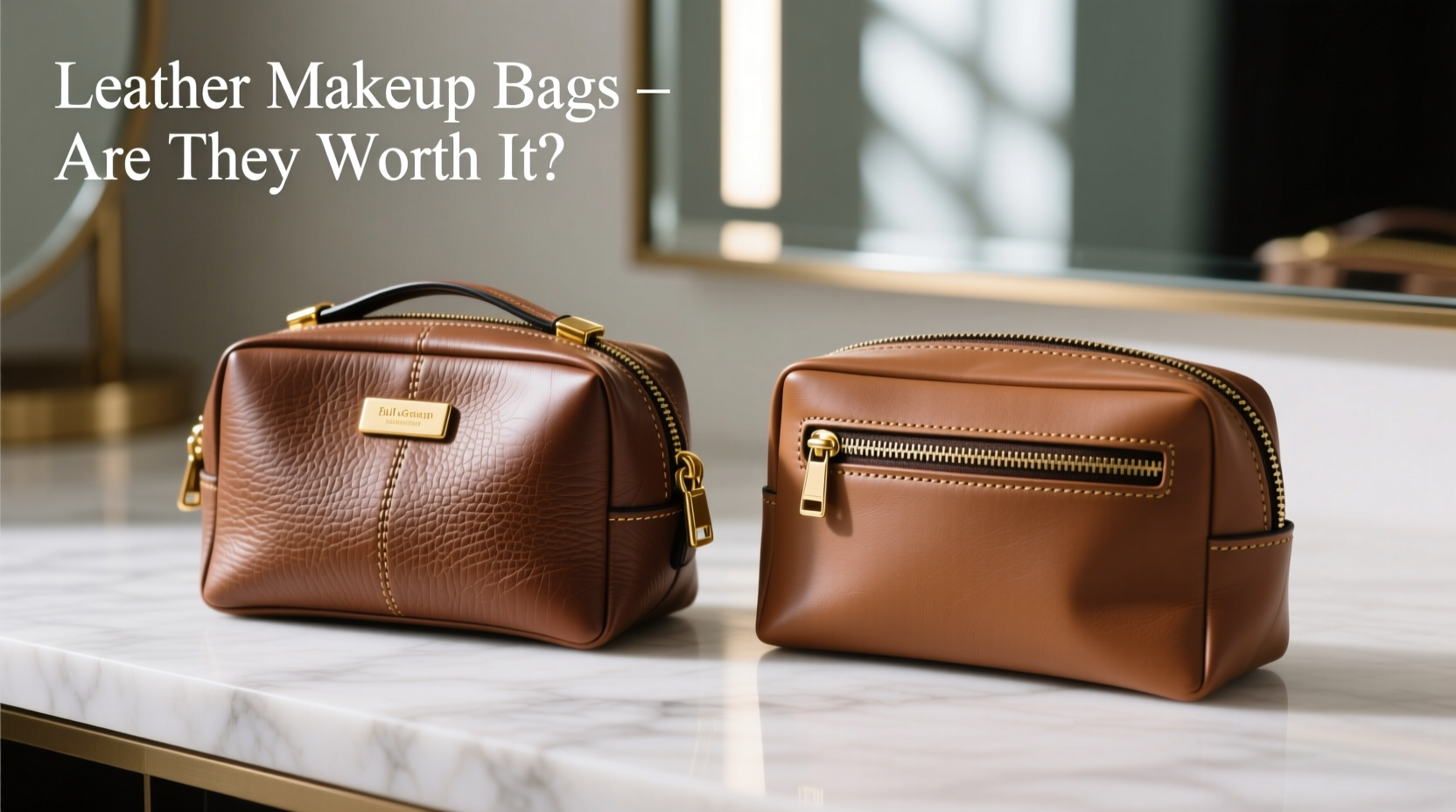
One of the strongest arguments in favor of leather makeup bags is longevity. Unlike synthetic fabrics that fray, crack, or lose shape after months of use, high-quality leather ages gracefully. Full-grain and top-grain leathers resist scratches and develop a natural patina over time, enhancing their visual appeal rather than degrading it.
In contrast, cheaper materials like nylon or PU leather may look sleek at first but often begin peeling within a year, especially when exposed to moisture from makeup products or frequent handling. A well-crafted leather bag, however, can last five to ten years with minimal wear—making its cost per use significantly lower over time.
“Leather isn’t just about luxury—it’s about lifecycle value. A $120 leather bag used daily for seven years costs less per month than a $30 fabric one replaced every 18 months.” — Daniel Reeves, Sustainable Accessory Designer
Material Comparison: Leather vs. Alternatives
Understanding the differences between materials helps clarify whether leather’s premium pricing aligns with actual performance. The table below compares common materials used in makeup bags:
| Material | Lifespan | Water Resistance | Care Needs | Average Price Range |
|---|---|---|---|---|
| Full-Grain Leather | 7–10+ years | Moderate (improves with conditioning) | Monthly conditioning, wipe clean | $100–$250 |
| Top-Grain Leather | 5–7 years | Good (often coated) | Quarterly conditioning | $60–$120 |
| PU Leather (Synthetic) | 1–2 years | High (but cracks over time) | Wipe only; avoid sun | $20–$40 |
| Nylon/Polyester | 1–3 years | High | Machine washable | $10–$30 |
| Vegan Leather (non-PU) | 2–4 years | Variable | Low | $40–$80 |
The data shows that while leather starts at a higher price point, its lifespan often justifies the investment—especially for users who travel frequently or carry their bags daily.
Tip: Look for lined interiors in leather bags—preferably with water-resistant cotton or polyester—to protect against spills from liquids like foundation or toners.Real-World Use: A Traveler’s Perspective
Sophie, a freelance photographer based in Lisbon, travels an average of 15 times a year. Three years ago, she replaced her third fabric makeup pouch with a compact top-grain leather case. “I was skeptical at first,” she admits. “It cost nearly five times what I’d paid before. But now I can’t imagine going back.”
Her bag has survived airport security checks, beach humidity, and even a spilled serum bottle. “The leather wiped clean easily, and the zipper hasn’t snagged once. It still looks better than it did the day I bought it.”
What stood out most was the structural integrity. “Cheaper bags collapsed under weight or stretched out. This one holds its shape, even when packed tightly. That makes finding my lipstick in a rush actually possible.”
This kind of consistent performance—especially under stress—is where leather pulls ahead. For professionals, frequent travelers, or anyone who values reliability, the functional edge becomes as important as appearance.
Caring for Your Leather Makeup Bag
Leather requires more attention than synthetic alternatives. However, proper care doesn’t need to be complicated. Following a simple routine extends lifespan dramatically and prevents common issues like drying, cracking, or mildew.
Step-by-Step Care Routine
- Empty and dust weekly: Remove all contents and use a dry microfiber cloth to wipe interior and exterior surfaces.
- Clean spills immediately: Dampen a cloth slightly with distilled water and gently blot stains. Avoid soaking.
- Condition every 3–4 months: Apply a small amount of leather conditioner with a soft cloth, focusing on high-touch areas like zippers and corners.
- Store properly: Keep in a breathable cotton dust bag, away from direct sunlight and heat sources.
- Avoid extreme environments: Never leave in a hot car or damp bathroom for extended periods.
“Consistent care and proper storage can double a bag’s lifespan.” — Emma Clarke, Fashion Care Expert
Is It Worth the Extra Cost? A Value Breakdown
To assess value, consider three factors: frequency of use, personal style, and environmental impact.
- Frequency: If you use a makeup bag daily or while traveling, leather pays for itself over time through reduced replacement needs.
- Style alignment: Leather ages beautifully and complements minimalist, timeless wardrobes. It avoids looking “trendy” and outdated quickly.
- Sustainability: Fewer replacements mean less waste. High-quality leather is biodegradable, unlike most synthetics that contribute to microplastic pollution.
For occasional users—say, someone who only packs makeup for vacations twice a year—a $25 nylon bag might suffice. But for everyday users, the leather option offers superior return on investment.
Tip: When shopping, check stitching quality. Double-stitched seams and reinforced corners indicate craftsmanship that supports long-term use.Frequently Asked Questions
Can I use a leather makeup bag for liquid products?
Yes, provided the interior is lined with a waterproof or water-resistant material. Always wipe up spills promptly and condition the exterior regularly to maintain the leather’s protective barrier.
Are vegan leather bags a good alternative?
Some newer plant-based or bio-fabric leathers offer decent durability (2–4 years), but most still fall short of genuine leather in resilience and aging. They’re a middle-ground option if animal products are a concern, but read reviews carefully—many degrade faster than expected.
Do leather bags stain easily?
Raw, uncoated leather can absorb oils and pigments, but most makeup bags use protected finishes. Top-grain leather with a light sealant resists stains well. Immediate cleaning and periodic conditioning further reduce risk.
Final Checklist Before Buying
- ✅ Check the leather type:
- Look for “full-grain” or “top-grain”—avoid “genuine leather” if durability is key, as this term often includes lower layers bonded with filler.
- ✅ Inspect the lining:
- Should be tightly woven and preferably water-resistant to guard against leaks.
- ✅ Test the hardware:
- Zippers should glide smoothly; metal components should feel substantial, not flimsy.
- ✅ Feel the weight and structure:
- The bag should hold its shape without feeling overly stiff or bulky.
- ✅ Review the brand’s reputation:
- Look for companies that offer repair services or warranties—this signals confidence in longevity.
Conclusion
Leather makeup bags aren’t automatically “better” just because they’re expensive. But for many users, they represent a smart upgrade in both function and sustainability. Their resilience, timeless look, and ability to age with grace make them ideal for daily carry, travel, or gifting. While the initial cost stings compared to disposable fashion accessories, the long-term savings and reduced environmental footprint tip the balance in their favor.
If you value quality over convenience and plan to use your makeup bag consistently, investing in a well-made leather option is likely worth every penny. Choose wisely, care thoughtfully, and you’ll have a reliable companion for years—not months.
💬 Have a leather makeup bag that’s stood the test of time? Share your experience or care tips in the comments—your insight could help others make a smarter choice.








