In an era where smartphones are both essential tools and personal accessories, the case you choose says as much about your lifestyle as it does about your priorities. Leather flip cases and wallet phone cases have surged in popularity—each promising a blend of style and utility. But beneath the sleek finishes and minimalist designs lies a critical question: are you trading meaningful device protection for the sake of convenience?
This isn’t just about aesthetics or pocket space. It’s about understanding how each design impacts drop resistance, scratch prevention, long-term durability, and even daily usability. Whether you’re upgrading your phone or reevaluating your current setup, making an informed decision starts with knowing exactly what each case type delivers—and where it falls short.
Understanding the Core Designs
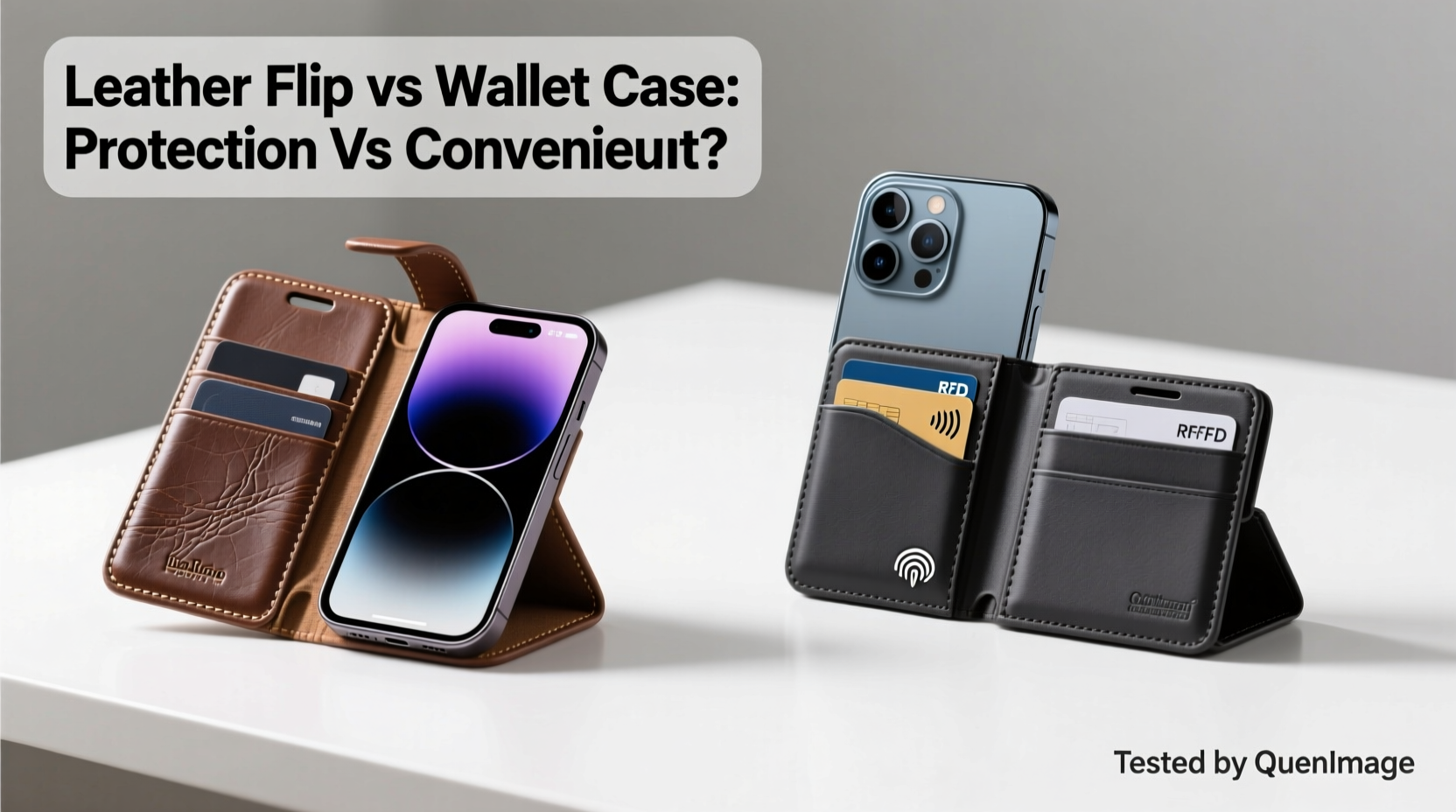
A leather flip case typically features a hinged front cover that folds over the screen, often made from genuine or synthetic leather. The back is usually a rigid inner shell, sometimes polycarbonate or TPU, providing structural support. These cases prioritize screen protection and classic elegance, frequently used by professionals who value formality and tactile quality.
In contrast, a wallet phone case integrates card slots directly into the case—usually on the back or within the flap. This design eliminates the need for a separate wallet, appealing to minimalists, travelers, or anyone aiming to reduce pocket clutter. While some models include a flip cover, others are open-face with only a rear cardholder.
The fundamental difference lies in function: flip cases emphasize protection and closure; wallet cases emphasize consolidation and accessibility. But when combined, do they offer balanced performance—or compromise too much?
Protection Compared: What Each Case Offers (and What It Lacks)
Dropping your phone is inevitable. How well your case handles impact determines whether you walk away with a scratch or face a $300 repair bill.
| Feature | Leather Flip Case | Wallet Phone Case |
|---|---|---|
| Screen Protection | Excellent (full coverage when closed) | Variable (only if flip-style; many lack covers) |
| Drop Resistance | Good (rigid back + raised edges) | Moderate (added bulk can increase fall instability) |
| Scratch Resistance | High (closed flap shields screen) | Low to Moderate (exposed screen common) |
| Corner & Edge Cushioning | Limited (unless hybrid design) | Poor (card slots add rigidity but no shock absorption) |
| Dust & Debris Shield | Strong (sealed closure) | Weaker (gaps around cards/flap) |
While leather flip cases naturally guard against screen scratches and light impacts, their protection diminishes if the hinge loosens over time. Wallet cases, especially those without a flip mechanism, leave screens exposed during use and transport. Additionally, the added thickness from cards increases leverage during drops, making corner impacts more forceful.
“Many users assume wallet cases protect like traditional ones, but the reality is they often create weak points at stress joints.” — David Lin, Mobile Device Durability Analyst at TechShield Labs
Convenience Trade-Offs: Efficiency vs. Practicality
The allure of carrying fewer items is undeniable. Wallet cases promise to merge two essentials into one—but not without drawbacks.
- Access Speed: Retrieving a card from a tight slot mid-conversation can be awkward, especially with thick wallets or multiple cards.
- Bulk Increase: Adding cards makes the phone significantly thicker, affecting pocket fit and grip.
- Security Risks: Losing your phone means losing your ID, credit cards, and digital life simultaneously—a single point of failure.
- RFID Exposure: Most wallet cases don’t offer RFID blocking, leaving cards vulnerable to wireless skimming.
Flip cases, while lacking built-in storage, allow faster access to your phone and avoid compounding loss risk. Their simplicity supports intentional design: protect first, carry separately.
Real-World Scenario: The Commuter’s Dilemma
Consider James, a city-based consultant who walks 45 minutes daily between meetings. He switched to a leather wallet case last year to eliminate his pocket bulge. Initially thrilled, he noticed issues within months: the case warped slightly after being sat on repeatedly, the card slot loosened, and his phone screen cracked after slipping from his hand onto concrete—because the case lacked adequate edge cushioning.
After switching back to a leather flip case and carrying a slim aluminum wallet, James reported better peace of mind. “I thought I was simplifying,” he said, “but I was actually increasing risk. Now my phone stays protected, and I haven’t lost anything.”
His experience underscores a broader trend: convenience gains are often offset by reduced resilience in dynamic environments.
Material Longevity and Maintenance
Genuine leather ages beautifully but requires care. Flip cases develop a patina over time, enhancing character. However, exposure to moisture, oils from skin, and friction from frequent opening can accelerate wear—especially on hinges and seams.
Wallet cases face additional stress. Cards rubbing against the interior can cause micro-abrasions, leading to delamination or glue failure. Synthetic leathers, common in budget models, crack under repeated flexing.
“Leather needs breathing room. Storing your case in a humid environment or jamming it with too many cards speeds up deterioration.” — Lena Patel, Artisan Leather Goods Designer
Maintenance Checklist for Longevity
- Clean leather monthly with a damp cloth and pH-balanced conditioner.
- Avoid overfilling card slots—never exceed manufacturer capacity.
- Inspect stitching every 6 weeks, especially near hinges and pockets.
- Remove cards when cleaning or storing the phone long-term.
- Keep away from direct sunlight and extreme temperatures.
FAQ: Common Questions Answered
Do leather flip cases interfere with wireless charging?
Most modern flip cases are designed with thin backs compatible with Qi charging. However, ensure the case isn’t too thick or reinforced with metal plates, which can block induction.
Are wallet cases worth it for everyday carry?
For users who carry only one or two cards and value minimalism, yes—if the model includes decent drop protection. For heavier wallets or high-risk environments (e.g., construction, outdoor work), they’re generally not recommended.
Can I get a flip case with card storage without sacrificing protection?
Yes—some premium hybrid models feature discreet card sleeves on the back with full flip covers. Brands like Mujjo, Bellroy, and Nomad offer options that balance both needs without compromising structural integrity.
Conclusion: Balancing Priorities for Smarter Choices
The choice between a leather flip case and a wallet phone case ultimately reflects your values: Is seamless access more important than robust defense? Do you prioritize elegance over consolidation?
While wallet cases deliver undeniable convenience, they often come at the cost of reduced protection, accelerated wear, and increased vulnerability in case of loss. Flip cases, though less integrated, provide superior screen shielding, cleaner ergonomics, and greater durability when properly maintained.
You don’t have to sacrifice all convenience for safety. Opt for a well-crafted leather flip case paired with a compact RFID-blocking wallet, and you gain the best of both worlds: enduring protection and streamlined carry. In the long run, protecting your device isn’t just about avoiding cracks—it’s about preserving functionality, resale value, and daily confidence.
💬 What’s your go-to phone case? Have you learned the hard way about protection vs. convenience? Share your story in the comments and help others make smarter choices.








