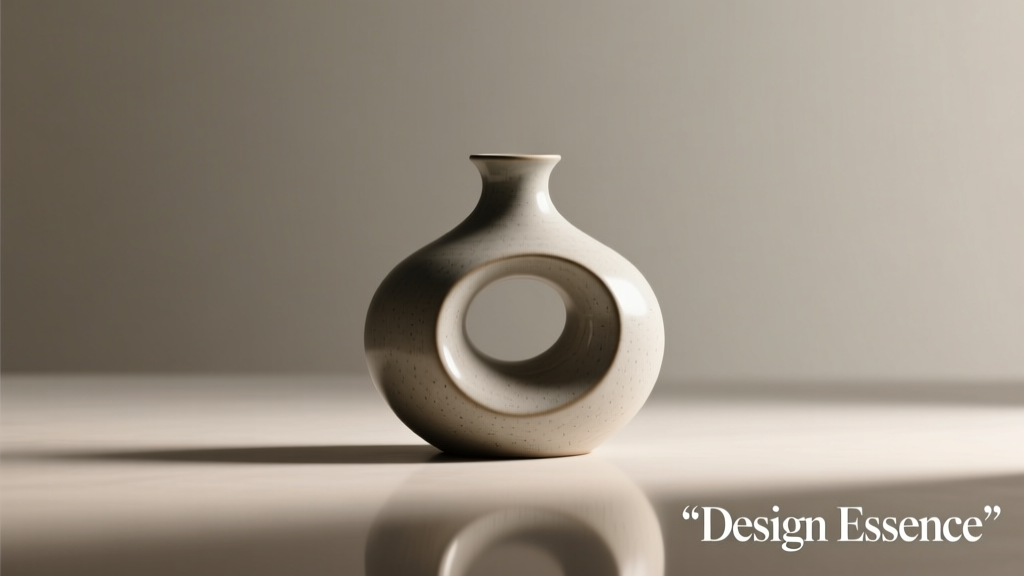
Types of Killas Stone Planters
A Killas stone planter is a sustainable, eco-friendly gardening solution crafted from natural stone materials known for durability, aesthetic appeal, and excellent drainage properties. The term "killas" refers to a type of metamorphic rock commonly used in landscaping and hardscaping, and its adaptability makes it ideal for creating unique, long-lasting planters. These planters not only enhance the visual appeal of indoor and outdoor spaces but also promote healthy plant growth by preventing waterlogging and supporting root aeration.
Killas Stone for Succulents
Specially designed to complement low-maintenance succulents, Killas stone planters offer an elegant fusion of functionality and design. Their naturally porous structure ensures optimal moisture regulation, keeping soil conditions ideal for succulents that are prone to root rot in overly wet environments.
Advantages
- Excellent natural drainage prevents overwatering
- Enhances aesthetic appeal with minimalist, earthy design
- Promotes healthy root development
- Versatile for tabletops, shelves, or window sills
Considerations
- May require saucers indoors to prevent water stains
- Limited size options for larger succulent arrangements
Best for: Indoor succulent displays, modern décor, minimalist homes, office desks
Killas Stone Pots
These planters blend traditional pot shapes with the rugged elegance of natural Killas stone, making them perfect for both classic and contemporary settings. Available in a range of sizes and finishes, they suit everything from small houseplants to large ornamental shrubs and flowering plants.
Advantages
- Durable and weather-resistant for indoor/outdoor use
- Timeless stone texture complements various design styles
- Supports healthy plant growth with balanced drainage
- Ideal for creating cohesive garden or patio themes
Considerations
- Heavier than plastic or ceramic pots
- Higher initial investment compared to synthetic alternatives
Best for: Entryway plantings, patio arrangements, mixed garden beds, balcony greenery
Killas Stone Wall Planters
Perfect for vertical gardening, these wall-mounted planters maximize space while adding a living art element to walls. Made from sturdy Killas stone, they are engineered to securely hold herbs, ferns, trailing plants, or small blooms, making them ideal for compact urban spaces.
Advantages
- Space-saving design ideal for small apartments or offices
- Natural stone provides thermal insulation for roots
- Superior drainage reduces risk of root diseases
- Adds dynamic greenery to blank walls (indoor and outdoor)
Considerations
- Requires secure mounting hardware
- Regular maintenance needed for hanging systems
Best for: Vertical gardens, kitchen herb walls, living room feature walls, outdoor facades
Killas Stone Planter (Freestanding)
Large, self-contained planters crafted from solid Killas stone, designed to house mature trees, large shrubs, or multi-plant compositions. These substantial units serve as both functional planters and decorative landscape features.
Advantages
- Extremely durable and weather-resistant
- Provides excellent stability for large plants
- Adds a grounded, earthy elegance to landscapes
- Long lifespan with minimal maintenance
Considerations
- Bulky and heavy—difficult to relocate once placed
- Higher cost due to material and craftsmanship
Best for: Garden focal points, commercial landscaping, tree planters, courtyard installations
| Type | Best For | Drainage | Indoor Use | Outdoor Use |
|---|---|---|---|---|
| Killas for Succulents | Small, decorative arrangements | Excellent | Yes | Limited (sheltered areas) |
| Killas Stone Pots | Houseplants, shrubs, flowers | Very Good | Yes | Yes |
| Wall Planters | Vertical gardens, herbs, ferns | Excellent | Yes | Yes (with proper mounting) |
| Freestanding Planters | Trees, large shrubs, landscaping | Very Good | No | Yes |
Expert Tip: To enhance longevity and prevent staining, consider sealing your Killas stone planters with a natural stone sealer every 1–2 years, especially if used outdoors. This helps protect against moisture absorption and freeze-thaw damage in colder climates.
Design and Benefits of Killas Stone Planters
Killas stone planters are a fusion of natural elegance and functional design, making them a preferred choice for both indoor and outdoor gardening. Sourced from sedimentary rock formations, these planters offer unique visual appeal while supporting healthy plant growth—especially for succulents and drought-tolerant species. Their enduring charm lies in their ergonomic, constructive, and aesthetic design elements, each contributing to their growing popularity in modern landscaping and home décor.
Core Design Elements of Killas Stone Planters
Ergonomic Design
Killas stone planters are expertly suited for succulents and other low-maintenance plants due to their naturally porous and well-draining structure. This allows excess water to escape efficiently, preventing root rot and maintaining optimal soil moisture levels—critical for the health of succulents that thrive in dry conditions.
Available in a wide range of shapes and sizes, these planters are designed to complement the compact growth habits of succulents while offering stability and balance. Their lightweight yet sturdy composition makes them easy to move and arrange, ideal for balconies, shelves, or desktop displays. The minimalist profile of Killas stone planters enhances any space without overwhelming the surroundings, aligning perfectly with modern interior design principles.
Constructive Design
Geologically, Killas stones are formed from sedimentary rocks such as shale, mudstone, and claystone, which have undergone natural compression over millennia. This results in a dense, layered stratum that gives each planter a distinctive texture and structural integrity unmatched by synthetic alternatives.
The inherent durability of Killas stone makes it resistant to weathering, UV exposure, and temperature fluctuations, ensuring longevity in both indoor and outdoor environments. These stones can be left in their natural, rugged state for a raw, organic aesthetic, or precision-carved and polished to achieve a sleek, contemporary finish. This versatility in craftsmanship allows designers and homeowners to customize planters according to specific décor themes—whether rustic, industrial, or minimalist.
Aesthetic Design
The visual appeal of Killas stone planters is exceptional, characterized by natural color variations ranging from soft whites and cool greys to warm earth tones. These subtle hues blend seamlessly with a variety of design palettes, enhancing both traditional and modern interiors.
Each planter is inherently unique due to the stone’s natural veining and layering, making it not just a container for plants but a standalone art piece. Whether placed in a living room, garden, or office, Killas stone planters add a touch of organic sophistication. Their ability to harmonize with contemporary furniture while providing a natural contrast makes them a favorite among interior designers and landscape architects alike.
Functional & Decorative Balance
What sets Killas stone planters apart is their dual role as both functional gardening solutions and decorative accents. The stone’s thermal mass helps regulate soil temperature, protecting plant roots from sudden temperature changes—especially beneficial in outdoor settings.
Additionally, their timeless design transcends seasonal trends, ensuring they remain stylish for years. Whether used individually as statement pieces or grouped in clusters for a curated garden display, Killas stone planters elevate the ambiance of any space. They are equally effective in Zen gardens, urban patios, or minimalist home offices, proving that form and function can coexist beautifully.
| Design Feature | Benefit | Best Use Case |
|---|---|---|
| Natural Porosity | Promotes drainage and prevents waterlogging | Succulents, cacti, and drought-resistant plants |
| Layered Texture | Unique visual appeal with organic depth | Interior décor, feature gardens, accent pieces |
| Durable Composition | Resists weathering and long-term wear | Outdoor planters, rooftop gardens, patios |
| Minimalist Shape | Complements modern and rustic styles | Living rooms, offices, entryways |
Why Choose Killas Stone Planters?
Note: While Killas stone is durable, avoid sudden temperature shocks (e.g., placing a cold stone planter in direct sunlight) to prevent cracking. For outdoor use in freezing climates, ensure proper drainage and consider elevating the planter to prevent water accumulation and frost damage.
Scenarios of Killas Stone: Versatile Applications in Modern Landscaping
Killas stone, a durable and naturally textured metamorphic rock, has gained widespread popularity in both residential and commercial landscaping due to its aesthetic appeal, functionality, and environmental compatibility. Its unique composition offers excellent drainage, weather resistance, and a rustic elegance that blends seamlessly with greenery. Below are key application scenarios that highlight the versatility and benefits of using Killas stone in various environments.
Home Gardening
Killas stones are an ideal choice for both indoor and outdoor home gardening projects, combining practicality with visual charm. Their porous nature ensures superior drainage, preventing root rot and promoting healthier plant growth. Whether used as a base layer in potted plants or as the primary material in custom-built planters, Killas stones help maintain optimal soil moisture levels.
- Perfect for succulents, cacti, and other plants requiring well-drained soil
- Adds a natural, earthy texture to garden beds, patios, and window boxes
- Can be arranged into decorative borders or used as a ground cover to reduce weed growth
- Enables homeowners to express personal style through unique planter designs and arrangements
Design tip: Pair Killas stones with wooden planters or terracotta pots for a warm, organic aesthetic.
Urban Spaces
In densely populated cities where green space is limited, Killas stones play a transformative role in urban greening initiatives. They are increasingly used in balcony gardens, rooftop planters, and vertical green walls—especially in apartment complexes and high-rise buildings.
- Supports the creation of low-maintenance green walls that thrive in confined spaces
- Enhances air quality and reduces urban heat island effects through sustainable landscaping
- Provides a modern, minimalist look that complements contemporary architecture
- Durable enough to withstand pollution, rain, and temperature fluctuations common in city environments
Urban innovation: Ideal for modular vertical gardens that bring nature into concrete-dominated landscapes.
Commercial Applications
Killas stones are widely adopted in commercial settings such as hotels, resorts, restaurants, and office complexes, where creating inviting outdoor spaces is essential for customer experience and brand image. Their low maintenance and long-lasting durability make them a cost-effective solution for large-scale landscaping.
- Used in luxury resort gardens to create serene, nature-inspired environments
- Enhances outdoor dining areas in restaurants with a refined, earthy ambiance
- Integrates well with modern hardscaping elements like stone pathways and water features
- Suitable for both formal and rustic design themes, offering flexibility in commercial landscape architecture
Professional benefit: Reduces landscaping upkeep costs while maintaining a premium visual appeal year-round.
Versatile Planter Choice for Vertical Gardens
Killas stone wall planters represent a sustainable and visually striking option for creating dynamic vertical gardens. These installations maximize space efficiency and serve as living art pieces in both private and public settings.
- Excellent water drainage prevents waterlogging and supports healthy root systems
- Natural stone texture enhances the visual depth and organic feel of green walls
- Resistant to cracking and erosion, ensuring longevity even in exposed outdoor conditions
- Promotes biophilic design by connecting indoor environments with natural elements
Eco-friendly advantage: Contributes to sustainable building practices and can support green certification standards like LEED.
Expert Recommendation: When designing with Killas stones, consider combining them with drought-resistant plants and drip irrigation systems to create a low-maintenance, eco-conscious garden. Their neutral color palette complements a wide range of foliage, making them a versatile foundation for any green space—whether rustic, modern, or urban jungle-inspired.
| Application | Key Benefit | Best Suited For | Maintenance Level |
|---|---|---|---|
| Home Gardening | Improved drainage & aesthetic enhancement | Pots, planters, garden borders | Low |
| Urban Balconies | Space-efficient greening | Apartment dwellers, small spaces | Low to Moderate |
| Commercial Landscaping | Durability and professional appearance | Hotels, restaurants, offices | Low |
| Vertical Gardens | Eco-friendly structure with natural texture | Indoor lobbies, exterior walls | Moderate (with irrigation) |
Additional Considerations
- Sustainability: Killas stone is a natural material with minimal processing, making it an environmentally responsible choice.
- Weather Resistance: Performs well in wet and temperate climates, resisting freeze-thaw cycles and surface degradation.
- Design Flexibility: Can be cut, shaped, or stacked to fit various architectural styles and spatial constraints.
- Acoustic Benefits: In urban settings, stone planters can help reduce ambient noise when combined with dense vegetation.
- Aesthetic Longevity: Unlike synthetic materials, Killas stone ages gracefully, developing a natural patina over time.
Specification & Maintenance of Killas Stone Planters
Killas stone, a type of fine-grained sedimentary rock traditionally found in regions like Cornwall, UK, is increasingly popular in horticultural design due to its natural aesthetic, durability, and compatibility with a wide range of plants. This guide provides a comprehensive overview of the technical specifications, maintenance practices, and ideal plant pairings for Killas stone planters—both indoor and outdoor. Whether you're a gardener, landscaper, or homeowner, understanding how to properly care for and utilize Killas stone will enhance the longevity and visual appeal of your plant displays.
Important Note: While Killas stone is robust, it is porous and can absorb moisture. In freezing climates, improper care may lead to cracking due to water expansion during freeze-thaw cycles. Always inspect and prepare your planters seasonally.
Technical Specifications of Killas Stone
Killas stone is formed from compressed mudstone and siltstone, often with a layered or fissile structure. Its composition makes it ideal for use in planters due to its natural stability and breathability.
- Material Type: Sedimentary rock (mudstone/siltstone), often with a slate-like appearance
- Surface Texture: Naturally rough and porous, providing excellent grip and drainage
- Color Range: Typically gray, blue-gray, or greenish-black, with subtle mineral veining
- pH Level: Neutral to slightly acidic (pH 6.0–7.0), making it suitable for acid-loving and neutral-pH plants such as ferns, heathers, and succulents
- Weight: Dense and heavy—provides excellent stability in windy outdoor settings; average weight ranges from 8–15 lbs per cubic foot depending on moisture content
- Sizes Available: From small 4–6 inch stones for succulent arrangements to large 24+ inch carved planters for trees and shrubs
- Drainage Properties: Naturally permeable surface allows for gradual moisture evaporation, reducing the risk of root rot
Expert Tip: The porosity of Killas stone helps regulate soil moisture, but it also means the stone can stain if exposed to excessive organic matter or hard water. Consider sealing outdoor planters every 1–2 years with a breathable stone sealer to protect appearance without compromising drainage.
Maintenance Guidelines for Longevity and Performance
Proper maintenance ensures that Killas stone planters remain functional and visually appealing for years. Their natural composition requires gentle care to avoid surface degradation.
- Seasonal Cleaning: After each season, gently wash the interior and exterior with a soft brush or cloth and lukewarm water. Remove accumulated dirt, algae, or mineral deposits to prevent staining and blockages in drainage areas.
- Cleaning Agents: Avoid harsh chemicals, bleach, or acidic cleaners (e.g., vinegar or citric acid), as these can erode the stone’s surface and alter its pH balance. Use only mild, pH-neutral soaps if necessary.
- Indoor Planter Care: Monitor for signs of air and water stagnation in the soil, which can lead to mold, root rot, or unpleasant odors. Ensure proper ventilation and avoid overwatering. Repot plants every 1–2 years to refresh the soil and inspect root health.
- Outdoor Planter Inspection: After extreme weather—especially frost, heavy rain, or heatwaves—inspect for cracks, chips, or spalling. Small surface cracks can be filled with stone epoxy, but deep fractures may require professional repair or replacement.
- Winter Preparation: In cold climates, empty planters before winter, clean thoroughly, and store in a dry, sheltered location. If left outdoors, elevate slightly to prevent water pooling and cover with a breathable tarp.
- Algae and Moss Control: If green growth appears on shaded surfaces, scrub gently with a mixture of water and baking soda. Avoid pressure washing, which can damage the stone’s texture.
| Maintenance Task | Frequency | Recommended Tools | Notes |
|---|---|---|---|
| General Cleaning | Once per season | Soft brush, cloth, mild soap | Avoid abrasive pads or stiff wire brushes |
| Crack Inspection | Post-extreme weather | Flashlight, magnifying glass | Pay attention to drainage holes and edges |
| Sealing (Optional) | Every 1–2 years | Breathable stone sealer, sponge | Improves stain resistance without blocking pores |
| Soil Replacement | Every 1–2 years | Gloves, trowel, fresh potting mix | Check root health during repotting |
| Winter Storage Prep | Annually (before first frost) | Tarp, elevated stand | Prevents freeze-thaw damage |
Plant Selection: Matching Plants to Killas Stone Planters
The size, weight, and natural pH of Killas stone make it ideal for a wide variety of plants, but proper pairing enhances both plant health and aesthetic harmony.
- Succulents & Cacti: Ideal for small Killas stone pots. Their low water needs align with the stone’s drainage properties. Species like Echeveria, Sedum, and Haworthia thrive in the slightly acidic to neutral environment.
- Ferns & Shade-Loving Plants: The cool, moisture-retentive nature of Killas stone benefits plants like Asplenium (spleenwort) and Polypodium, especially in shaded outdoor areas.
- Compact Indoor Plants: For indoor use, pair with low-maintenance plants such as ZZ plant (Zamioculcas zamiifolia), Snake Plant (Sansevieria), or Pothos. These tolerate lower light and infrequent watering.
- Outdoor Shrubs & Small Trees: Larger Killas stone planters provide excellent support for Boxwood, Olive trees, or Dwarf Citrus. The stone’s weight prevents tipping, and its thermal mass helps moderate root temperature.
- Herbs & Aromatics: Rosemary, thyme, and lavender appreciate the well-drained environment and slightly acidic pH, making them excellent candidates for outdoor Killas planters.
Design Tip: Use the natural gray tones of Killas stone to create a modern, minimalist garden aesthetic. Pair with white or light-colored soils and green foliage for contrast, or combine with other natural stone elements for a cohesive landscape design.
Additional Recommendations
- Always use a well-draining potting mix, especially for indoor planters, to complement the stone’s natural porosity.
- Consider adding a layer of gravel or broken pottery at the base of deep planters to further enhance drainage.
- Label your planters with plant names and planting dates to track growth and maintenance schedules.
- Rotate indoor planters periodically to ensure even light exposure and prevent lopsided growth.
- For commercial or public landscapes, consult a horticultural specialist to ensure compliance with local environmental and safety standards.
With proper care and thoughtful plant selection, Killas stone planters offer a timeless, eco-friendly solution for both functional gardening and decorative landscaping. Their natural beauty evolves gracefully over time, developing a subtle patina that enhances their character. By following these guidelines, you can ensure your Killas stone planters remain a durable and elegant feature in any garden or interior space.
Frequently Asked Questions About Killas Stone Planters
Q1: What is Killas stone made of?A1: Killas stone is a type of metamorphosed sedimentary rock primarily composed of shale, mudstone, or claystone that has undergone low-grade regional metamorphism. These rocks consist of fine-grained minerals like quartz, mica, and clay, compressed over millions of years, giving Killas its characteristic layered structure and durability.
Depending on the geological region—such as Cornwall in the UK, where Killas is commonly found—the mineral content can vary slightly, influencing color and texture. Killas stone typically ranges from gray and blue-gray to greenish or brownish hues. Its moderate density makes it relatively lightweight compared to other natural stones, which enhances its usability in gardening and landscaping applications without sacrificing strength.
Q2: Are Killas stone planters suitable for indoor gardening?A2: Absolutely. Killas stone planters are an excellent choice for indoor gardening due to their natural beauty, functional design, and durability. Their porous structure allows for effective moisture regulation, helping to prevent waterlogging and root rot—common issues in indoor plant care.
These planters complement a wide variety of houseplants, including air-purifying species like snake plants, moisture-sensitive succulents, aromatic herbs such as rosemary and thyme, and compact flowering plants. The earthy, rustic appearance of Killas stone blends seamlessly with modern, minimalist, or traditional interior styles, adding a touch of organic elegance to living rooms, kitchens, or offices.
Additionally, their low maintenance requirements—resistant to chipping, fading, and cracking under normal conditions—make them ideal for long-term indoor use. Simply wipe clean with a damp cloth to maintain their natural finish.
Q3: How do Killas stone planters compare to traditional plastic or ceramic pots?A3: Killas stone planters stand out from conventional plastic and ceramic pots in several key ways, offering a superior blend of aesthetics, functionality, and sustainability:
| Feature | Plastic Pots | Ceramic Pots | Killas Stone Planters |
|---|---|---|---|
| Material | Synthetic polymers (non-biodegradable) | Fired clay (brittle if not glazed) | Natural, quarried stone (eco-friendly) |
| Drainage & Aeration | Poor to moderate; depends on design | Variable; glazed versions may retain moisture | Excellent; naturally porous for optimal airflow and drainage |
| Durability | Prone to cracking and UV degradation | Fragile; can chip or break easily | Highly durable; resistant to weathering and wear |
| Aesthetic Appeal | Often utilitarian or generic | Smooth, polished, formal | Rustic, organic, timeless natural texture |
| Environmental Impact | High (plastic waste, petroleum-based) | Moderate (energy-intensive firing process) | Low (minimal processing, fully recyclable, biodegradable at end of life) |
In summary, while plastic pots are economical and lightweight, and ceramic pots offer a refined look, Killas stone planters provide unmatched ecological benefits and long-term performance with a distinctive, earthy charm.
Q4: Do Killas stones have an eco-friendly planting option?A4: Yes, Killas stone planters are one of the most environmentally responsible choices available for gardeners seeking sustainable solutions. Harvested from natural rock formations with minimal industrial processing, they require no synthetic materials, chemical binders, or high-energy manufacturing methods.
Unlike plastic containers that can leach microplastics into the soil and take centuries to decompose, Killas stone is inert and fully biodegradable over geological timescales. It does not release toxins or pollutants, ensuring safer soil conditions for plants and beneficial microorganisms.
By choosing Killas stone planters, gardeners actively reduce reliance on single-use plastics and contribute to lower carbon footprints. Their longevity means fewer replacements over time, further reducing waste. For eco-conscious homeowners, landscapers, and urban gardeners, Killas stone represents a harmonious blend of nature, functionality, and sustainability.
Q5: What type of plants thrive in Killas stone planters?A5: Thanks to their excellent drainage and breathable, porous structure, Killas stone planters are particularly well-suited for plants that prefer well-aerated soil and are sensitive to overwatering. Ideal candidates include:
- Succulents and Cacti: Species like Echeveria, Aloe vera, and Jade plants benefit from the stone’s ability to wick away excess moisture, preventing root rot.
- Herbs: Culinary herbs such as thyme, oregano, lavender, and rosemary thrive in the slightly dry, rocky environment mimicking their native Mediterranean habitats.
- Alpine Plants: These high-altitude species enjoy gritty, fast-draining substrates and are perfectly matched to Killas stone’s natural properties.
- Small Shrubs and Ornamental Grasses: Compact varieties like dwarf conifers or fountain grass do well in larger Killas containers, where stability and breathability support healthy root development.
- Indoor Tropicals (with care): While moisture-loving plants like ferns may require more frequent watering, they can still grow in Killas pots if paired with moisture-retentive soil mixes and monitored closely.
Whether used indoors or outdoors, Killas stone planters create an ideal micro-environment for plants that flourish in balanced, non-soggy conditions. Their thermal mass also helps moderate soil temperature fluctuations, offering added protection in both hot summers and cool winters.









