In recent years, bamboo toothbrushes have surged in popularity as a \"sustainable\" alternative to traditional plastic ones. Marketed with earthy tones, eco-friendly claims, and zero-waste promises, they’ve become a staple in green lifestyle kits. But behind the appealing packaging lies a critical question: are bamboo toothbrushes genuinely better for the planet and our health—or are they just another example of greenwashing disguised as progress?
To answer this, we need to look beyond marketing slogans and examine the full lifecycle of both bamboo and plastic toothbrushes—from sourcing and production to use, disposal, and actual environmental footprint.
The Plastic Toothbrush Problem
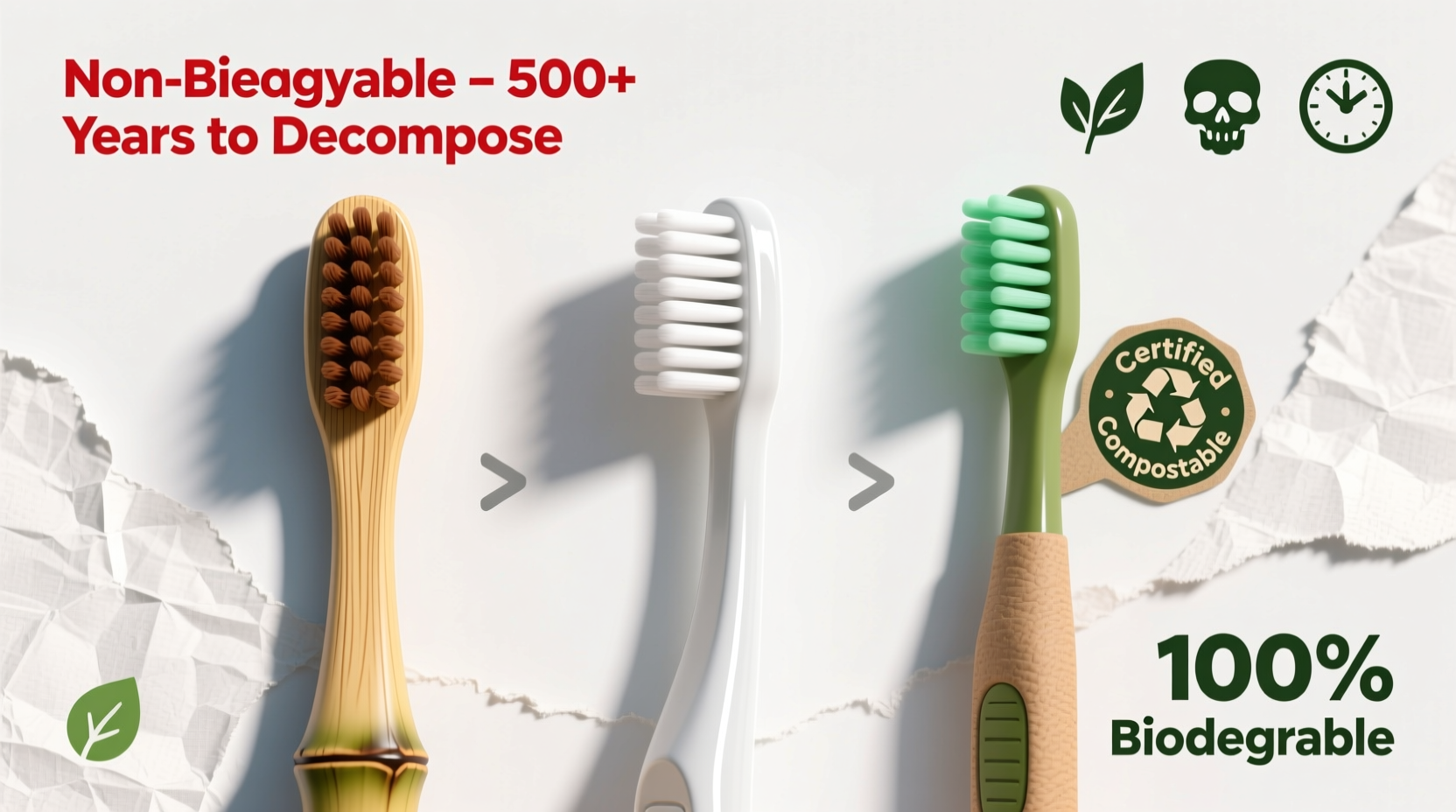
Every year, over 3.5 billion plastic toothbrushes are used globally, primarily in North America and Europe. Most are made from polypropylene and nylon—both petroleum-based plastics that take up to 500 years to decompose. In the U.S. alone, about 1 billion plastic toothbrushes are discarded annually, many ending up in landfills or oceans.
These brushes contribute to microplastic pollution. As they degrade, they fragment into tiny particles ingested by marine life and eventually enter the human food chain. A 2020 study published in *Environmental Science & Technology* found microplastics in human blood, raising alarms about long-term health effects.
“Plastic toothbrushes are a classic case of single-use convenience at an enormous ecological cost.” — Dr. Lena Torres, Environmental Health Researcher, University of British Columbia
Given these facts, the search for alternatives is not just trendy—it’s urgent.
Bamboo: The Natural Alternative?
Bamboo toothbrushes typically feature handles made from moso bamboo (*Phyllostachys edulis*), one of the fastest-growing plants on Earth. It requires no pesticides, little water, and regenerates naturally after harvesting. The bristles, however, are usually still made from nylon—often nylon-6 or nylon-4, which are not biodegradable.
Manufacturers often claim their brushes are “100% biodegradable,” but this is misleading unless the bristles are explicitly plant-based (like castor bean oil-derived bristles). Most standard bamboo toothbrushes require users to remove the bristles before composting the handle—a step most consumers skip.
Tip: Always check if the bristles are biodegradable. Look for brands using BPA-free, plant-based bristles such as those derived from castor oil.Bamboo farming, while generally sustainable, isn’t without issues. If not managed responsibly, large-scale bamboo cultivation can lead to monocultures, soil depletion, and habitat loss. However, compared to fossil-fuel-based plastic, bamboo remains a far more renewable resource.
Comparative Lifecycle Analysis: Bamboo vs. Plastic
To assess true environmental impact, we must consider the entire product lifecycle: raw material extraction, manufacturing, transportation, usage, and end-of-life disposal.
| Factor | Plastic Toothbrush | Bamboo Toothbrush |
|---|---|---|
| Material Source | Petroleum (non-renewable) | Bamboo (renewable, fast-growing) |
| Production Energy | High (energy-intensive refining) | Moderate (lower processing needs) |
| Carbon Footprint | ~1.5 kg CO₂ per brush (over lifecycle) | ~0.3–0.5 kg CO₂ per brush |
| Biodegradability | No (degrades into microplastics) | Handle: Yes (in industrial compost); Bristles: Usually No |
| End-of-Life Disposal | Likely landfill or ocean | Compostable handle if properly processed |
| Cost (Average) | $0.50–$1.00 | $2.00–$4.00 |
While bamboo has a significantly lower carbon footprint and avoids fossil fuel dependency, its environmental benefit hinges on proper disposal. If tossed into a regular trash bin, the bamboo handle may still sit in a landfill for decades due to lack of oxygen and microbial activity needed for decomposition.
Greenwashing in the Oral Care Industry
Not all bamboo toothbrushes are created equal. Some brands exploit consumer concern with vague terms like “eco-friendly,” “natural,” or “green” without third-party certifications or transparency about materials.
A 2022 investigation by The Guardian revealed that several popular “biodegradable” bamboo brushes contained conventional nylon bristles and were packaged in non-recyclable plastic film—undermining their environmental claims.
True sustainability means accountability at every stage. Look for:
- Third-party certifications (e.g., FSC for bamboo sourcing)
- Clear labeling of bristle composition
- Plastic-free, recyclable, or compostable packaging
- Transparency about manufacturing locations and supply chains
“Just because a product looks natural doesn’t mean it’s sustainable. Consumers need to read beyond the label.” — Mark Chen, Sustainability Analyst at GreenChoice Institute
Real-World Impact: A Case Study
In 2021, the city of Boulder, Colorado launched a pilot program distributing free bamboo toothbrushes to 5,000 residents as part of a broader zero-waste initiative. Participants received instructions on how to remove bristles and compost the handles.
After six months, a follow-up survey showed that:
- 78% of users liked the feel and performance of the bamboo brush
- Only 32% removed the bristles before disposal
- 61% threw the entire brush in the trash, assuming it would “just break down”
The well-intentioned campaign highlighted a key gap: awareness. Without education on proper disposal, even eco-friendly products fail to deliver environmental benefits.
The city later partnered with local composting facilities and added instructional QR codes on packaging, improving responsible disposal rates by 44% within three months.
Are Bamboo Toothbrushes More Hygienic?
One common concern is whether bamboo harbors more bacteria than plastic. Bamboo has natural antimicrobial properties due to a substance called “bamboo kun,” which helps resist mold and bacteria in its raw form.
However, once cut, sanded, and exposed to daily moisture, the surface becomes comparable to plastic in terms of bacterial retention—especially if left in damp environments like unventilated bathrooms.
A 2023 lab test by the European Dental Materials Journal compared bacterial growth on bamboo and plastic toothbrushes after two weeks of use. Results showed no significant difference in microbial load when both were stored upright and allowed to dry between uses.
Hygiene, therefore, depends more on user habits than material.
Tip: Rinse your toothbrush thoroughly after use and store it in an open-air holder. Replace every 3–4 months, regardless of material.Step-by-Step Guide to Using a Bamboo Toothbrush Sustainably
Switching to bamboo only makes a difference if done correctly. Follow this timeline to maximize environmental benefit:
- Week 1: Choose Wisely – Select a toothbrush with certified sustainable bamboo, plant-based bristles, and plastic-free packaging.
- Day of Use: Store Properly – Keep it in a dry, ventilated area. Avoid closed containers where moisture accumulates.
- Every 3 Months: Replace Regularly – Worn bristles reduce cleaning efficiency and increase gum irritation.
- End of Life: Remove Bristles – Use pliers to pull out the nylon bristles. These should go in general waste unless your municipality accepts nylon recycling.
- Dispose of Handle Compostably – Place the bare bamboo handle in a home compost bin or green waste collection. It will decompose in 4–6 months under ideal conditions.
What About Truly Biodegradable Options?
A few innovative brands now offer fully compostable toothbrushes. For example:
- Fishers of Men uses boar hair bristles (not vegan) with untreated bamboo handles.
- Brush with Bamboo offers a 100% plant-based version with bristles made from 62% castor bean oil.
- Humble Co. uses bio-based bristles and donates a portion of profits to global oral health programs.
While these options are promising, they remain niche and more expensive. Scaling them requires investment in infrastructure for composting and consumer education.
Frequently Asked Questions
Can I compost a bamboo toothbrush as-is?
No. Most bamboo toothbrushes have nylon bristles glued into the head. These must be removed with pliers before composting the handle. Otherwise, microplastics will contaminate the compost.
Do bamboo toothbrushes last as long as plastic ones?
Yes. With proper care, a bamboo toothbrush lasts 3–4 months—the same recommended lifespan as a plastic one. The handle may darken over time due to moisture exposure, but this doesn’t affect function.
Are bamboo toothbrushes suitable for children?
Yes, many brands offer smaller heads and softer bristles designed for kids. Just ensure safe disposal practices are followed to prevent choking hazards from detached bristles.
Action Checklist: Choosing a Truly Sustainable Toothbrush
Before buying, ask yourself these questions:
- ✅ Are the bristles made from plant-based materials (e.g., castor oil)?
- ✅ Is the bamboo sustainably harvested and certified (FSC or similar)?
- ✅ Is the packaging plastic-free (e.g., cardboard, paper wrap)?
- ✅ Can I easily remove the bristles at end-of-life?
- ✅ Does the brand support environmental causes or circular economy initiatives?
If you can answer “yes” to most of these, you’re likely choosing a product with genuine environmental value—not just aesthetic appeal.
Conclusion: Beyond the Hype
Bamboo toothbrushes are not a magic solution, but they represent a meaningful step toward reducing plastic waste—if used and disposed of correctly. They are not inherently superior just because they’re made from a natural material, nor are they pointless trends. Their real impact lies in shifting consumer behavior, challenging industry norms, and promoting circular thinking.
The truth is, no toothbrush is completely “zero-waste” yet. But bamboo models push us closer by relying on renewable resources and encouraging composting, reuse, and mindful consumption.
Rather than asking whether bamboo is perfect, we should ask: *Is it better than the status quo?* And in most cases, the answer is yes—provided we treat sustainability as a practice, not a purchase.
🚀 Ready to make a switch? Start by auditing your bathroom for single-use plastics. Replace one item at a time with thoughtfully sourced alternatives. Share your journey online to inspire others—because real change begins with informed choices, not flawless ones.








