
Seasonal clothing—whether winter coats, summer dresses, or holiday sweaters—often spends months in storage between uses. Improper storage can lead to irreversible damage: musty odors, yellowing fabrics, insect infestations, and weakened fibers. These issues aren’t just cosmetic; they shorten the lifespan of your garments and compromise comfort when you finally wear them again. The key to preserving your wardrobe lies not in simply packing items away, but in doing so with intention, cleanliness, and environmental awareness. With the right approach, your favorite pieces can emerge from storage looking and feeling as good as new.
Why Proper Storage Matters
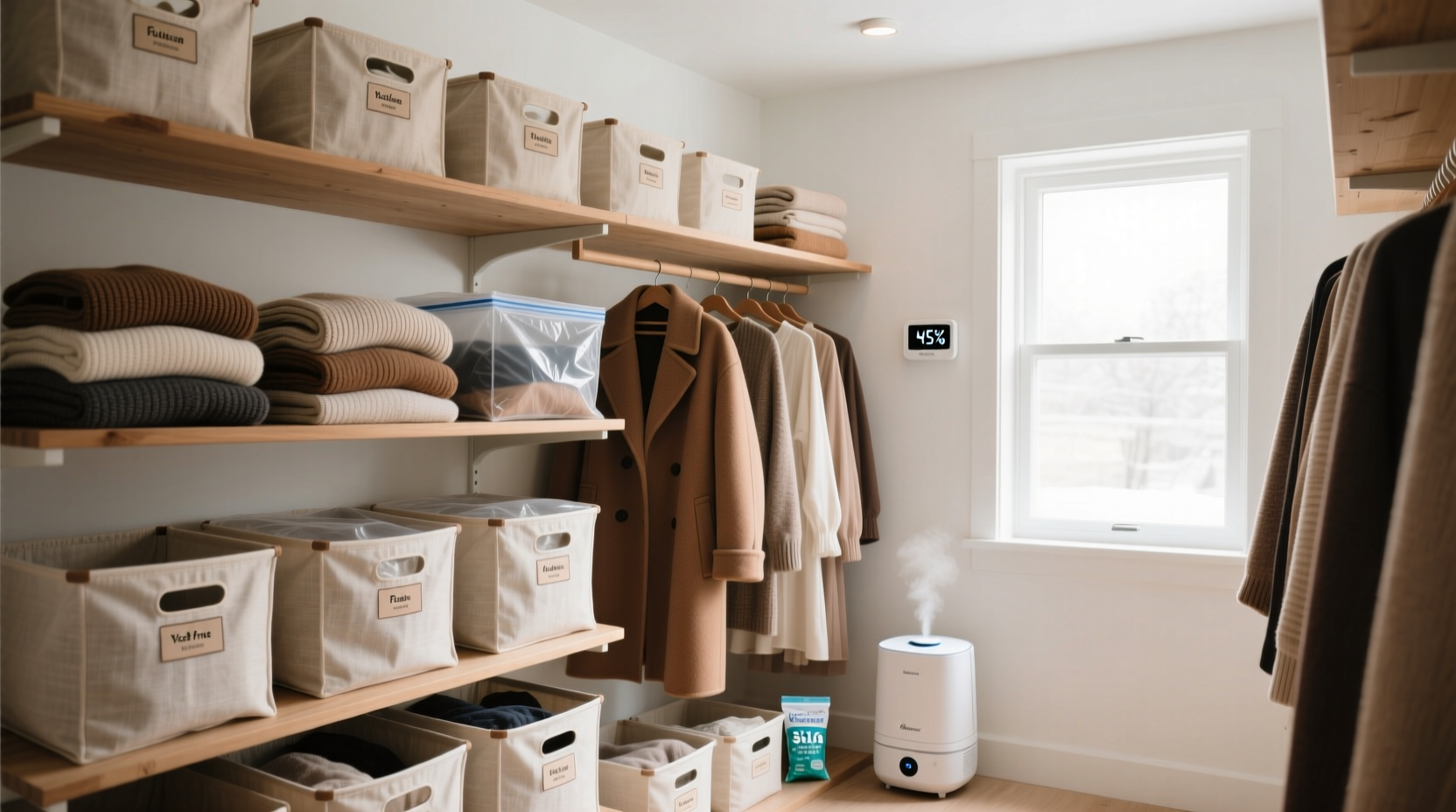
Clothing is an investment. From tailored wool coats to delicate silk blouses, quality garments represent both financial and emotional value. Yet many people overlook the importance of storage conditions until it’s too late. Mold thrives in damp, dark environments—common in basements and attics—while natural fibers like cotton, wool, and linen are vulnerable to moth larvae and silverfish. Synthetic blends may resist biological threats better, but they’re prone to static buildup and degradation from plastic packaging.
The risks go beyond visible stains or holes. Even subtle changes—such as fiber stiffness, color fading, or lingering mildew—can make a garment unwearable. Humidity causes hydrolysis in polyester and accelerates dye breakdown. Temperature fluctuations encourage condensation inside containers, creating micro-environments where mold spores activate. Without proper airflow, trapped moisture turns into a breeding ground for fungi that eat through fabric over time.
“Clothes don’t rot on hangers—they rot in neglect. The difference between a 10-year coat and a 3-year one often comes down to storage.” — Dr. Lena Patel, Textile Conservation Specialist, Smithsonian Institution
Step-by-Step Guide to Preparing Clothes for Storage
Storing clothes isn't about stuffing them into bins at the end of the season. It requires preparation, inspection, and thoughtful organization. Follow this timeline-based process to ensure each item is protected before going into long-term storage.
- Wear or assess first: Before storing any garment, wear it once near the end of the season. This helps identify unnoticed stains, loose buttons, or small tears that might worsen in storage.
- Deep clean thoroughly: Never store dirty clothes. Body oils, sweat, food residue, and perfume attract pests and promote microbial growth. Wash or dry-clean according to care labels. Allow full drying before packing—never store damp textiles.
- Inspect for damage: Check seams, zippers, and underarms. Repair minor issues now; delaying repairs invites further deterioration.
- Deodorize naturally (optional): For woolens or items stored without washing, place them in a sealed container with baking soda for 24–48 hours to absorb odors.
- Choose breathable packaging: Avoid vacuum-sealed bags unless used temporarily. Opt instead for cotton garment bags, cardboard boxes with ventilation holes, or canvas storage trunks.
- Pack mindfully: Fold knits loosely to prevent stress on fibers. Use acid-free tissue paper to cushion pleats and prevent creasing in structured garments.
- Label clearly: Mark containers by season, category (e.g., “Winter Sweaters”), and contents to reduce unnecessary unpacking.
Choosing the Right Storage Environment
Location matters more than most realize. Ideal storage conditions maintain stable temperature (60–70°F), low humidity (below 50%), and protection from light and pests. Basements and garages are common choices—but also among the worst due to moisture fluctuations and rodent activity.
| Storage Area | Pros | Cons | Best For |
|---|---|---|---|
| Under-bed containers | Dry, accessible, dust-free | Limited space | Folded sweaters, off-season bedding |
| Closet shelves (interior) | Climate-stable, easy access | Potential for overcrowding | Shirts, pants, lightweight jackets |
| Attic | Out of the way, spacious | Extreme heat, poor airflow | Avoid if possible |
| Basement | Cool temperatures | High humidity, flood risk | Only with dehumidifier and elevated shelving |
| Climate-controlled unit | Stable environment year-round | Cost involved | Valuable heirlooms, furs, vintage items |
Elevate containers off concrete floors using wooden pallets or plastic risers. Concrete absorbs and releases moisture, especially in basements, which can wick dampness into cardboard boxes and fabric. Use silica gel packs or reusable moisture absorbers inside storage units to maintain dryness.
Do’s and Don’ts of Seasonal Clothing Storage
Mistakes in storage often stem from well-intentioned habits that backfire. Below is a clear comparison of recommended practices versus common errors.
| Do’s | Don’ts |
|---|---|
| Use cedar blocks or lavender sachets to deter moths naturally | Use mothballs containing naphthalene—they’re toxic and leave strong odors |
| Fold knitwear flat to preserve elasticity | Hang heavy sweaters—they stretch out at the shoulders |
| Store shoes with silica packets and in breathable cloth bags | Keep leather boots in plastic—they trap moisture and crack |
| Rotate stored items every 3–4 months to check condition | Forget about them for years—early pest detection prevents disaster |
| Line drawers with acid-free paper to protect delicate silks | Use newspaper—it contains ink that transfers and acids that degrade fabric |
Real Example: Recovering a Damaged Winter Wardrobe
Sarah, a teacher in Portland, Oregon, stored her winter coats and cashmere sweaters in plastic bins in her garage for three consecutive years. When she opened them in November, she found several items covered in black specks and emitting a sour smell. A local tailor identified the damage as early-stage mold caused by seasonal humidity spikes. Two sweaters were beyond repair; the rest required professional cleaning.
After consulting a textile conservator, Sarah moved her seasonal clothes upstairs into her bedroom closet. She replaced plastic bins with ventilated cotton-covered boxes, added moisture absorbers, and began washing all woolens before storage. She also started rotating her bins quarterly. Two years later, her winter collection remained intact, with no signs of mold or odor. Her proactive shift saved hundreds in replacement costs and preserved sentimental pieces passed down from her grandmother.
Essential Checklist for Safe Seasonal Storage
Use this checklist before putting away any seasonal wardrobe:
- □ All garments have been cleaned (washed or dry-cleaned)
- □ No visible stains, even faint ones, remain
- □ Items are completely dry—no residual dampness
- □ Repairs completed: buttons secured, hems fixed, zippers lubricated
- □ Chosen storage area is cool, dry, and pest-free
- □ Containers are breathable (cotton, canvas, corrugated cardboard)
- □ Moth deterrents placed (cedar, lavender, or non-toxic alternatives)
- □ Silica gel or moisture absorbers included in each container
- □ Labels applied with contents and date of storage
- □ Fragile items wrapped in acid-free tissue paper
“Prevention is 90% of preservation. Once mold takes hold, it’s nearly impossible to fully eliminate without damaging fibers.” — Maria Chen, Museum Textile Archivist
Frequently Asked Questions
Can I use vacuum-sealed bags for long-term clothing storage?
Vacuum-sealed bags compress air and reduce volume, making them appealing for space-saving. However, they trap residual moisture and restrict airflow, increasing the risk of mold. They can also crush delicate fibers and distort padding in coats. Use them only for short-term storage (under 6 months) and never for wool, down, or structured garments.
How do I know if my stored clothes have mold?
Signs include musty smells, visible spots (black, green, or white), and a slightly fuzzy texture. If you notice discoloration after unpacking, do not shake the item—this spreads spores. Isolate it and consult a professional cleaner experienced in mold remediation. Sun-drying helps in mild cases, but deep contamination may require disposal to protect other garments.
Is it safe to store clothes in attics with insulation?
Even with insulation, attics experience extreme temperature swings and poor ventilation. Heat builds up in summer, accelerating fabric aging and promoting mold. Insulation does not regulate humidity. Unless the attic is climate-controlled, it’s unsuitable for long-term textile storage.
Protect Your Wardrobe Year-Round
Proper seasonal clothing storage isn’t a one-time chore—it’s part of responsible garment stewardship. By treating storage as seriously as laundering or tailoring, you extend the life of your clothes, reduce waste, and maintain a wardrobe that serves you for years. The effort invested in cleaning, choosing the right containers, and monitoring conditions pays dividends when you retrieve a beloved jacket or dress in perfect condition, ready to wear with pride.
💬 Start today: Pull out one off-season bin and inspect its contents. Clean what needs it, replace damaged packaging, and relocate it to a safer spot. Small actions compound into lasting results. Share your own storage wins in the comments below—your tip could help someone save their favorite coat.








