Nothing ruins the satisfaction of freshly laundered bedding quite like pulling a tangled, wrinkled mess out of the dryer. Sheets that bunch up during drying not only look unappealing but can take longer to dry, increase wear on fibers, and require more ironing or re-tumbling. The good news is that this common laundry frustration is preventable. With the right techniques, tools, and habits, you can consistently pull out smooth, evenly dried sheets—no knots, no clumps, just comfort.
Bunching occurs when large, lightweight fabrics like flat and fitted sheets twist around each other or cling due to static and lack of movement in the dryer. This issue is especially common with king-sized sets or delicate materials like cotton percale and sateen. But by understanding the mechanics behind the problem and applying targeted solutions, you can transform your laundry routine into one that delivers reliably fresh, wrinkle-reduced results every time.
Why Sheets Bunch Up: The Science Behind the Tangle
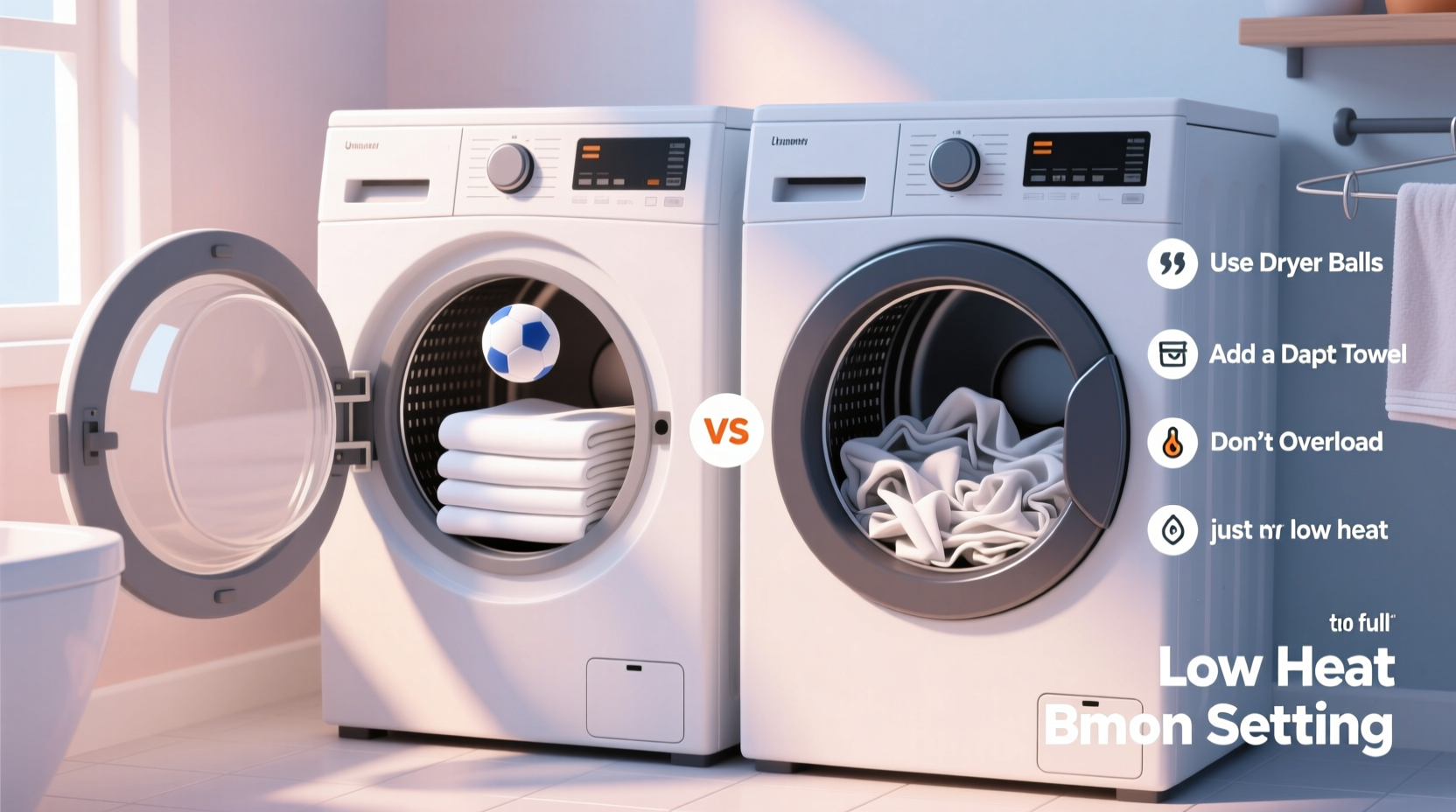
When sheets are tossed into the dryer without care, they behave differently than smaller garments. Their large surface area and light weight make them prone to clinging and wrapping around themselves or other items. As the drum rotates, airflow becomes uneven if sheets fold over or stick together, creating damp spots and causing the fabric to ball up.
Static electricity also plays a role, particularly in low-humidity environments. Dry air increases static buildup, making synthetic blends or even natural fibers stick together mid-cycle. Additionally, overloading the dryer restricts movement, while underloading allows too much flapping, both contributing to tangling.
Understanding these dynamics is the first step toward prevention. The goal isn’t just to dry sheets—it’s to ensure they move freely, separate from each other, and tumble evenly throughout the cycle.
“Improper drying techniques can reduce the lifespan of high-thread-count linens by up to 30% due to unnecessary stress and abrasion.” — Dr. Lena Patel, Textile Durability Researcher, University of Massachusetts Amherst
Step-by-Step Guide to Prevent Sheet Bunching
Follow this proven sequence to eliminate sheet tangling in your dryer:
- Shake It Out Before Loading
After removing sheets from the washer, give each one a firm shake. Hold opposite corners and snap the fabric outward to release folds and reduce initial creasing. This small action prevents early clumping. - Pair Smartly
Only dry one set of sheets at a time. Avoid mixing with heavy towels or jeans, which can drag sheets into twists. If drying with other bedding (like pillowcases), keep it minimal—two pillowcases max per sheet set. - Use Dryer Balls
Add 2–3 wool dryer balls to the load. These naturally soften fabric, reduce drying time by improving airflow, and physically separate sheets as they bounce around. Unlike plastic alternatives, wool balls don’t create static. - Adjust Load Size
Never overload or underload. A full but not packed dryer allows enough room for sheets to tumble freely. For queen or king sheets, leave at least one-third of the drum empty. - Select the Right Settings
Use medium heat and a gentle or permanent press cycle. High heat can shrink fibers and increase static, while lower heat with a cool-down period reduces wrinkles and clinging. - Remove Promptly
As soon as the cycle ends, unfold and hang or fold sheets immediately. Letting them sit creates new creases and encourages residual moisture to set in folds.
Do’s and Don’ts: Best Practices for Smooth Drying
| Do’s | Don’ts |
|---|---|
| Shake sheets before placing in dryer | Throw in soggy, crumpled sheets without unfolding |
| Use wool dryer balls or clean tennis balls in a sock | Use fabric softener sheets regularly—they increase static over time |
| Dry similar-weight items together (e.g., sheets with pillowcases) | Mix heavy denim or towels with lightweight linens |
| Opt for a front-loading dryer if possible (gentler tumbling motion) | Overfill the dryer drum beyond ¾ capacity |
| Pause mid-cycle to separate and re-fluff sheets | Leave sheets in the dryer after the cycle ends |
Innovative Tools That Make a Difference
Beyond technique, certain products are designed specifically to solve the sheet-bunching problem. While not essential, they offer tangible improvements for frequent offenders.
- Dryer Clips or Sheet Holders: These attach opposing corners of a flat sheet together, keeping it open like a canopy inside the dryer. Brands like “DryerMates” use flexible clips that withstand heat and prevent twisting.
- Drying Racks (Indoor/Outdoor): Air-drying remains the gold standard for preventing bunching entirely. A retractable clothesline or folding rack keeps sheets stretched and moving with airflow.
- Silicone-Coated Drying Balls: An upgrade from basic rubber or wool, these provide better separation and are easier to clean. Some include essential oil pockets for light scenting.
- Smart Dryers with Sensor Drying: High-end models detect moisture levels and adjust cycles automatically, reducing over-drying and static buildup—common contributors to clinging.
While these tools help, remember that consistency in routine matters more than gadgets. Even without special equipment, proper loading and timing yield excellent results.
Real-Life Example: How Sarah Fixed Her Weekly Laundry Struggle
Sarah, a busy mother of two in Portland, Oregon, dreaded laundry day. Every week, her family’s two sets of queen sheets came out knotted and half-dry, forcing her to re-tumble or iron them. After reading about dryer balls, she invested in a set of organic wool ones. She also started shaking her sheets vigorously post-wash and drying them alone, without mixing with bath towels.
She noticed a difference immediately. Within three weeks, her sheets were coming out smoother, drier, and ready to fold in half the time. She even added a mid-cycle pause to rearrange the load, which further improved results. Now, laundry day feels manageable—and her linen closet stays perfectly organized.
Her key insight? “It wasn’t the machine or the sheets—it was how I loaded them. Just two changes made all the difference.”
Checklist: Your Anti-Bunching Routine
Print or bookmark this checklist to follow every time you dry sheets:
- ☐ Shake each sheet thoroughly after washing
- ☐ Pair only with lightweight items (e.g., pillowcases)
- ☐ Add 2–3 wool dryer balls to the load
- ☐ Ensure dryer is neither overfilled nor too empty
- ☐ Select medium heat and gentle cycle
- ☐ Pause dryer halfway to separate and re-fluff sheets
- ☐ Remove and fold sheets immediately after cycle ends
- ☐ Store in a cool, dry place away from direct sunlight
Frequently Asked Questions
Can I dry sheets on high heat to save time?
No. High heat may speed drying slightly but risks fiber damage, especially with cotton and bamboo blends. It also increases static, making sheets more likely to cling and bunch. Stick to medium or low heat for longevity and better results.
Is it better to air-dry sheets instead?
Absolutely. Air-drying eliminates bunching entirely and reduces wear from tumbling. Hang sheets on a line with clips at each corner to keep them flat. In humid climates, bring them in before fully dry and finish in the dryer for 10 minutes to soften.
Why do my new sheets tangle more than old ones?
New sheets often have tighter weaves and less flexibility, making them stiffer and more prone to folding over. They may also retain more moisture initially. With a few washes, they’ll soften and behave better in the dryer. Use dryer balls early to accelerate this process.
Expert Tips for Long-Term Linen Care
Preventing bunching isn’t just about one cycle—it’s part of a broader approach to fabric preservation. Experts recommend the following habits to maintain sheet quality over time:
- Wash in cold water: Preserves fibers and colors while reducing energy use.
- Avoid chlorine bleach: Weakens cotton and accelerates pilling. Use oxygen-based brighteners instead.
- Rotate multiple sets: Giving sheets a rest between uses reduces cumulative stress.
- Store folded neatly: Avoid cramming them into tight spaces, which sets permanent creases.
Proper drying complements these practices. When sheets come out smooth and dry, you’re not just saving time—you’re protecting your investment in quality sleepwear.
Conclusion: Take Control of Your Laundry Results
Stopping sheets from bunching in the dryer doesn’t require expensive upgrades or complicated hacks. It comes down to mindful loading, smart accessories like dryer balls, and consistent habits like shaking and timely removal. These steps take seconds but deliver lasting benefits in fabric care, efficiency, and peace of mind.
You deserve laundry that works for you—not against you. Start tonight: pull out those wool dryer balls, shake your sheets with intention, and set your dryer to gentle. Notice the difference. Share what works with others. And reclaim one small but meaningful part of your routine with confidence.
💬 Have a trick that keeps your sheets tangle-free? Share your tip in the comments and help build a smarter laundry community!








