
Faded black clothing is a common frustration—what once looked sleek and sophisticated can quickly turn dull or even take on a grayish tint after repeated washes. While many commercial products promise to revive dark fabrics, they often rely on synthetic dyes or harsh chemicals that can damage fibers over time. Fortunately, nature offers gentle, effective alternatives. With simple household ingredients and mindful laundering habits, you can restore depth to your black garments, extend their lifespan, and reduce environmental impact—all without touching a bottle of chemical dye.
Why Black Clothes Fade—and How to Prevent It
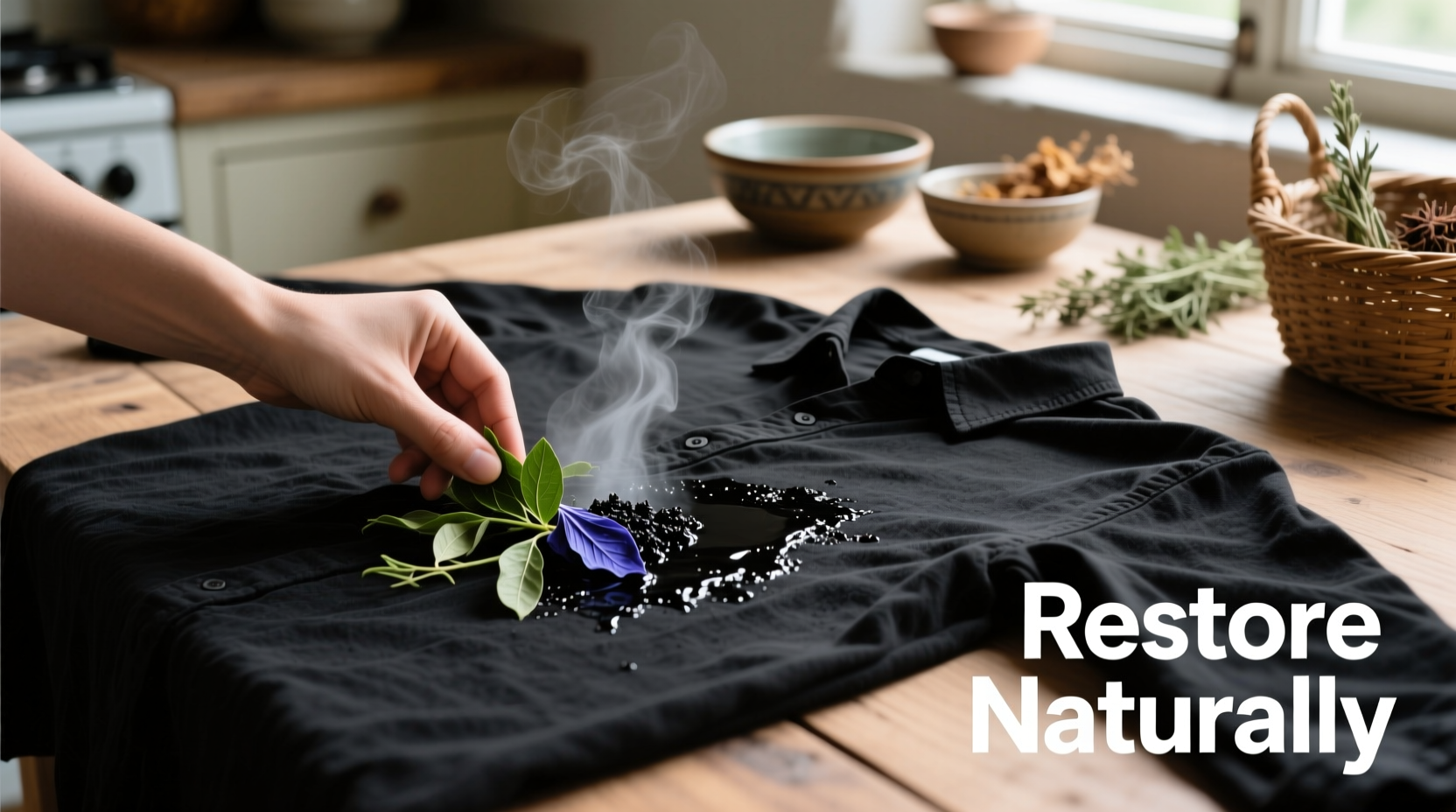
Black fabrics lose their intensity due to a combination of factors: exposure to UV light, friction during washing, high water temperatures, and the use of alkaline detergents. Synthetic fibers like polyester may hold dye better than natural ones, but cotton, wool, and rayon are especially prone to fading because of their porous structure. Each wash cycle strips away microscopic layers of dye, accelerating the graying effect.
The key to preserving black clothing lies in minimizing stress on the fabric. Cold water slows dye degradation, turning garments inside out reduces surface abrasion, and air drying instead of machine drying prevents heat-related fiber breakdown. But when fading has already occurred, prevention alone isn’t enough. That’s where natural restoration techniques come in.
“Color longevity starts with care, not chemistry. Gentle handling and natural treatments can maintain vibrancy far longer than synthetic fixes.” — Dr. Lena Patel, Textile Scientist & Sustainable Fashion Researcher
Natural Methods to Restore Faded Black Clothes
Several plant-based and mineral-rich solutions can help replenish the richness of black fabrics. These methods work by either depositing subtle pigments, sealing existing dye within fibers, or enhancing contrast through pH-balanced treatments. Unlike synthetic dyes, they don’t coat the fabric unnaturally but instead support its original color integrity.
1. Vinegar and Salt Soak for Color Locking
A classic remedy among home launderers, vinegar helps stabilize dye molecules while salt acts as a mordant, improving color adherence. This method works best on cotton and linen blends that have slightly faded but still retain some black base.
Tip: Always test any treatment on an inconspicuous area (like an inner seam) before full application, especially with delicate fabrics.How to apply:
- Mix 1 cup of white vinegar and ½ cup of non-iodized salt into 4 liters of cold water.
- Submerge the garment completely and let it soak for 30–60 minutes.
- Rinse thoroughly with cold water—do not wring.
- Hang to dry away from direct sunlight.
This process won’t add new pigment but helps seal remaining dye, often resulting in a deeper appearance post-dry. For best results, repeat once monthly if the item is worn frequently.
2. Black Tea or Coffee Infusion for Subtle Re-Darkening
Both black tea and dark coffee contain tannins and melanoidins—natural compounds that impart rich brown-to-black hues. When applied correctly, they can gently enhance the shade of faded black clothes without creating a stained look.
Best for: Lightly faded cotton, hemp, or blended fabrics. Avoid silk or synthetics, which may absorb unevenly.
Step-by-step guide:
- Brew 4–6 strong tea bags (Assam or Lipton) or 1 cup of finely ground dark roast coffee in 4 cups of boiling water.
- Let the liquid cool to room temperature.
- Pour into a basin and add 2 cups of cold water to dilute.
- Soak the garment for 45 minutes, stirring occasionally for even coverage.
- Rinse under cold running water until runoff is clear.
- Line dry in a shaded area.
The result is often a richer, more lustrous black with a slight warmth to the tone. Multiple applications may be needed for noticeable improvement, but each round builds subtly without risk of over-darkening.
3. Walnut Hulls for Deep, Natural Dye Restoration
Walnut hulls have been used for centuries as a natural dye source, producing deep brown to near-black shades depending on concentration and fabric type. They offer one of the most effective plant-based options for restoring severely faded black items.
Materials needed: Dried walnut hulls (available at herbal suppliers), large stainless steel pot, cloth strainer, gloves.
Process:
- Place 1 cup of crushed walnut hulls in a pot with 8 cups of water.
- Simmer for 45 minutes, then strain the liquid into a clean basin.
- Wet the garment thoroughly, then submerge in the warm dye bath.
- Let soak for 1–2 hours, agitating gently every 20 minutes.
- Remove, rinse well, and hang to dry out of direct sun.
Cotton and wool respond best. The color will oxidize slightly as it dries, deepening naturally. For added durability, follow up with a vinegar rinse (1 part vinegar to 4 parts water) to set the pigment.
Do’s and Don’ts of Natural Color Restoration
| Do | Don’t |
|---|---|
| Use cold or lukewarm water for soaking | Use hot water—it opens fibers and leaches dye |
| Test on a small area first | Apply undiluted tea, coffee, or dye directly |
| Dry in shade to prevent UV fading | Tumble dry or hang in direct sunlight |
| Store restored clothes in breathable cotton bags | Keep in plastic bins where moisture can build up |
| Wash restored garments separately the first time | Mix with light-colored clothes immediately after treatment |
Real-Life Example: Reviving a Faded Black Sweater
Sophie, a graphic designer from Portland, noticed her favorite black merino wool sweater had lost its depth after two winters of regular wear. Machine washed on cold and laid flat to dry, it had still dulled around the elbows and collar. Unwilling to discard it, she tried the vinegar-salt soak followed by a diluted black tea bath.
After one round, the difference was subtle—but after a second treatment a week later, the sweater regained a soft, charcoal richness. She now rewashes it every three months using a vinegar rinse and stores it folded in a cedar-lined drawer. Two years later, it remains one of her most-worn pieces.
“It’s not jet black anymore,” she says, “but it looks intentional—like a well-cared-for staple. I saved money and kept something out of the landfill.”
Building a Chemical-Free Laundry Routine
Restoration is only part of the solution. To keep black clothes looking vibrant long-term, integrate natural maintenance into your laundry habits.
- Turn clothes inside out before washing to protect the outer fabric from abrasion.
- Use pH-neutral, plant-based detergents free from optical brighteners, which can make black appear gray.
- Wash less frequently. Spot clean when possible and air out garments between wears.
- Choose short, gentle cycles with cold water and minimal spin.
- Add a final rinse with apple cider vinegar (¼ cup per load) to close fibers and boost shine.
FAQ: Common Questions About Natural Fabric Care
Can I use these methods on synthetic fabrics like polyester?
Yes, but with caution. Vinegar and salt soaks are safe for most synthetics and can help lock in dye. However, tea, coffee, and walnut dyes may not adhere well to polyester unless the fabric is blended with natural fibers. Always test first.
Will natural dyes bleed onto other clothes?
Freshly treated garments should be rinsed until water runs clear and washed separately the first time. Even natural pigments can transfer, especially with walnut hulls. Using a color-catching sheet in the wash adds extra protection.
How often can I repeat these treatments?
Vinegar-salt rinses can be done monthly. Tea or coffee soaks are safe every few weeks. Walnut dyeing is more intensive and should be limited to once or twice per year unless significant fading recurs.
Checklist: Natural Black Clothing Revival Plan
Follow this step-by-step checklist to restore and maintain your black wardrobe sustainably:
- ✅ Assess each garment: Is fading mild, moderate, or severe?
- ✅ Sort by fabric type: Separate cotton, wool, blends, and synthetics.
- ✅ Begin with a vinegar-salt soak for all lightly faded items.
- ✅ For deeper restoration, prepare a black tea or coffee bath.
- ✅ Reserve walnut hull dye for worst cases or vintage pieces.
- ✅ Rinse thoroughly and air dry in the shade.
- ✅ After drying, evaluate results and reapply if needed.
- ✅ Store properly: folded or hung, in breathable containers.
- ✅ Schedule quarterly maintenance with a vinegar rinse.
- ✅ Wash only when necessary, always inside out and in cold water.
Conclusion: Care That Lasts Beyond the Wash Cycle
Restoring faded black clothes doesn’t require toxic dyes or expensive products. With patience and everyday ingredients, you can breathe new life into worn garments while honoring both your wardrobe and the planet. These natural methods do more than darken fabric—they cultivate a mindset of stewardship, where clothing is valued not as disposable but as part of a thoughtful, sustainable lifestyle.
Every garment saved from the trash is a small act of resistance against fast fashion. Start today: pull out that faded black shirt or dress, gather your tea bags or vinegar, and give it the care it deserves. You might just rediscover a favorite piece—and a new way of relating to what you wear.
💬 Have you tried natural fabric restoration? Share your experience, tips, or results in the comments—your story could inspire someone else to revive their wardrobe the eco-friendly way.








