
Gifting has evolved beyond paper-wrapped boxes. For the modern gamer, thoughtful presentation matters as much as the gift itself. Reusable fabric gift bags offer a sustainable, stylish alternative—and when designed with hidden pockets, they become functional organizers for dice, tokens, miniatures, or even microSD cards. These bags protect delicate items, reduce waste, and double as keepsakes. With basic sewing skills and a few hours of effort, you can create personalized, durable packaging that enhances the unboxing experience while serving a lasting purpose.
The integration of concealed compartments transforms a simple drawstring pouch into a smart storage solution. Unlike generic bags, these are tailored to gaming needs: compact enough for travel, secure enough to prevent loss, and customizable in design. Whether you're gifting a new board game, a D&D starter set, or a console accessory, this DIY project elevates your gesture from ordinary to memorable.
Selecting Materials for Durability and Style
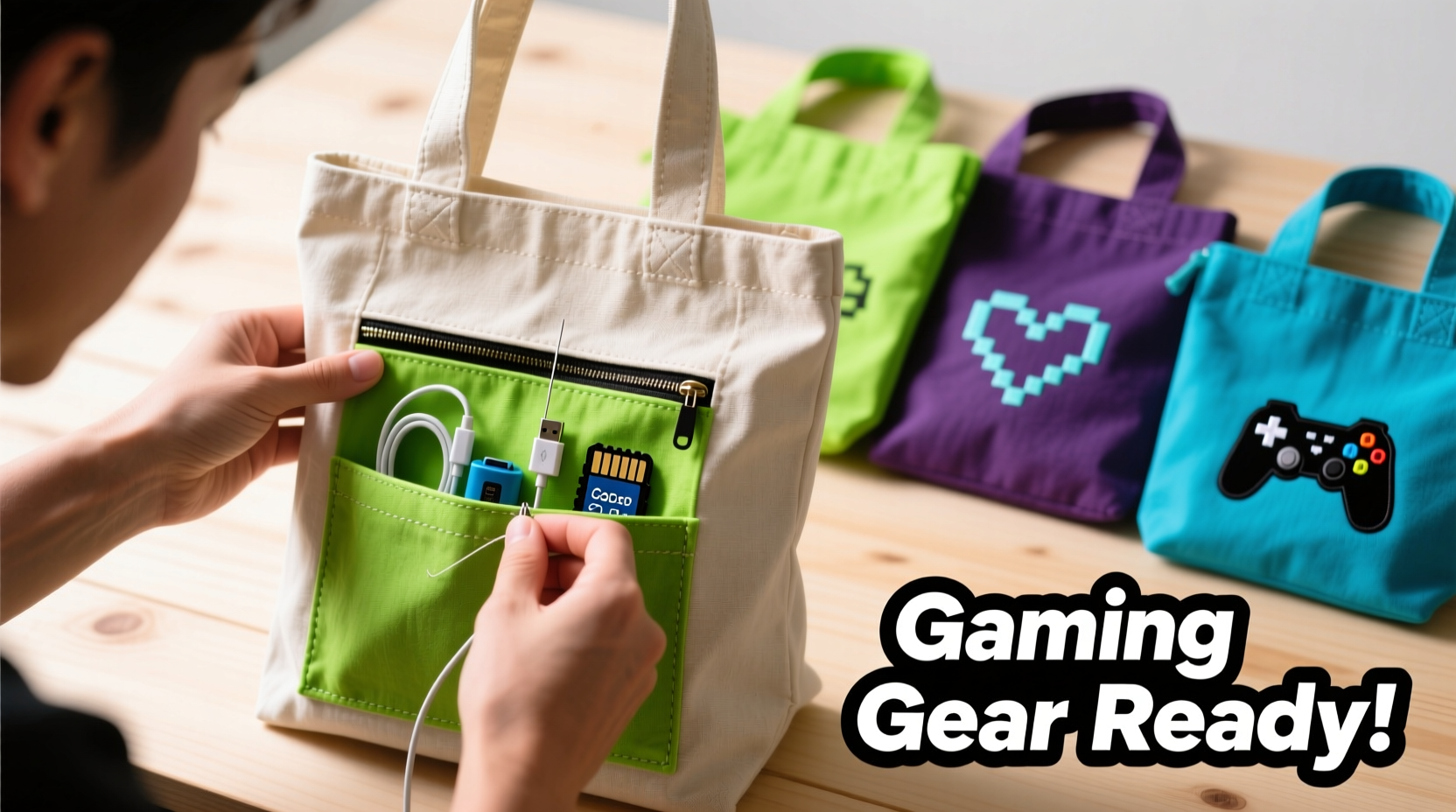
Choosing the right fabrics ensures both aesthetic appeal and long-term functionality. The outer layer should be sturdy yet attractive—cotton canvas, denim, or twill work well. These materials resist fraying, hold shape, and accept prints or embroidery ideal for gaming themes. For the lining, use a smooth fabric like quilting cotton or polyester blend to prevent snagging on small components.
The hidden pocket requires a lightweight but stable fabric—fusible interfacing is essential here. It adds structure without bulk, ensuring the pocket stays flat and discreet. Use medium-weight interfacing bonded to cotton or felt to maintain rigidity while allowing needle penetration during sewing.
Tip: Pre-wash all fabrics before cutting to prevent shrinkage after completion.For closures, cotton cord or grosgrain ribbon works best for drawstrings. Avoid elastic, which degrades over time. Metal or plastic aglets (cord tips) help prevent fraying and add a professional finish. Consider color coordination: dark exteriors hide wear, while bright linings surprise recipients upon opening.
Designing the Hidden Pocket Layout
The hidden pocket isn’t just an extra compartment—it’s a strategic feature. Its placement must balance accessibility with discretion. Position it on the inside back panel, about 1.5 inches from the bottom and centered horizontally. This location keeps it out of sight when the bag is open but easy to reach with a fingertip.
Dimensions matter. A pocket measuring 3” x 4” accommodates most gaming accessories: polyhedral dice sets, card decks, tiny figurines, or USB drives. Larger versions (4” x 5”) suit board game expansion packs or controller thumb caps. Always leave at least ½ inch seam allowance around the edges.
“Integrating utility into gift design increases perceived value. A hidden pocket suggests thoughtfulness and attention to detail.” — Lila Nguyen, Product Designer & Sustainable Packaging Advocate
To maintain concealment, avoid top zippers or visible stitching. Instead, use a slip-in design: the pocket is sewn on three sides, leaving the top edge open but tucked beneath the bag’s main seam. When assembled, only the user knows it’s there—ideal for surprise bonuses like bonus cards or cheat sheets.
Step-by-Step Construction Guide
Follow this sequence to build a 7” x 9” fabric bag with a concealed interior pocket. Total time: approximately 2–3 hours.
- Cut Fabric Pieces:
- Outer fabric: 8” x 10” (1 piece)
- Lining fabric: 8” x 10” (1 piece)
- Hidden pocket fabric: 3.5” x 4.5” (1 piece)
- Fusible interfacing: 3.5” x 4.5” (1 piece)
- Prepare the Pocket: Iron the interfacing onto the wrong side of the pocket fabric. Fold all edges ¼ inch inward and press. Topstitch around all four sides to secure.
- Attach Pocket to Outer Fabric: Place the outer fabric right side up. Position the pocket 1.5” from the bottom edge and centered. Baste along the top edge only—this allows access later. Sew the left, right, and bottom edges securely.
- Sew Main Panels: Place outer and lining fabrics right sides together. Pin and stitch around all edges using a ½ inch seam allowance. Leave a 3-inch gap along the bottom edge of the lining for turning.
- Turn and Press: Turn the bag right side out through the gap. Use a blunt tool to push out corners. Press the entire bag flat, folding in the seam allowance at the gap.
- Create Casing for Drawstring: Fold the top edge down ½ inch, then another 1 inch to form a tunnel. Stitch close to the inner folded edge, leaving two 1-inch openings opposite each other for cord insertion.
- Insert Drawstring: Cut a 36-inch cord. Attach a safety pin or bodkin to one end and thread through the casing, going around the full perimeter. Tie ends together securely.
- Final Touches: Hand-stitch the lining gap closed. Optional: Add embroidered initials, gaming symbols, or themed patches to personalize.
Material Comparison and Recommendations
| Component | Recommended Material | Alternatives | Avoid |
|---|---|---|---|
| Outer Fabric | Cotton canvas, denim | Duck cloth, upholstery fabric | Thin jersey, stretch knits |
| Inner Lining | Quilting cotton | Polyester blend, sateen | Plastic-coated fabrics |
| Pocket Structure | Fusible interfacing + cotton | Felt, thin fleece | Cardboard, rigid plastics |
| Drawstring | Cotton cording, grosgrain ribbon | Nylon paracord (for rugged look) | Elastic, yarn |
This table helps balance durability, ease of sewing, and visual appeal. While alternatives may seem convenient, they often compromise function—elastic loses tension, and coated linings trap moisture. Stick to breathable, washable textiles for longevity.
Real-World Application: A Gifting Scenario
Jamal, a tabletop RPG enthusiast, wanted to gift his friend a custom D&D spellbook. He made a deep-blue canvas bag with silver thread accents resembling arcane runes. Inside, he added a hidden pocket containing a rare d30 die and a handwritten lore scroll. When his friend opened the bag, he missed the pocket at first. Later, while setting up the game, he discovered the hidden items—an unexpected thrill that sparked excitement before the campaign even began.
The bag didn’t end up discarded. Instead, it became the friend’s dedicated dungeon master organizer, storing dice, character sheets, and adventure notes. Months later, Jamal saw it in use at every session—a testament to the lasting impact of thoughtful design.
Checklist: Before You Begin Sewing
- ☐ Gather all tools: sewing machine, thread, scissors, pins, iron
- ☐ Choose theme-appropriate fabrics (e.g., dragon print for fantasy, circuit patterns for tech)
- ☐ Pre-wash and dry fabrics to prevent future shrinkage
- ☐ Cut pieces with precise measurements and consistent seam allowances
- ☐ Fuse interfacing to pocket fabric before attaching
- ☐ Test drawstring movement in casing before finalizing
- ☐ Inspect stitching for loose threads or skipped stitches
- ☐ Wash gently by hand or on delicate cycle if needed
Completing this checklist minimizes errors and ensures a polished result. Skipping steps like pre-washing or reinforcement may lead to warping or premature wear.
Maintenance and Long-Term Use
Reusable bags only remain useful if cared for properly. Hand washing with mild detergent preserves fabric integrity. If machine washing is necessary, place the bag in a mesh laundry sack and use cold water on the gentle cycle. Air dry flat—never tumble dry, as heat damages fibers and shrinks natural fabrics.
Store bags empty and loosely folded. Stuffed bags develop permanent creases, especially around the pocket area. For collectors, stacking them upright in a drawer or shelf keeps them accessible and dust-free.
“Textile longevity depends more on usage habits than material alone. A well-used, well-cared-for bag can last over five years.” — Marcus Reed, Textile Conservation Specialist
Inspect drawstrings periodically. Frayed cords should be replaced immediately to prevent breakage during use. Minor stains can be spot-treated with a damp cloth and baking soda paste. Avoid bleach, which weakens fibers and fades colors.
Frequently Asked Questions
Can I make these bags without a sewing machine?
Yes, though it will take longer. Use a strong backstitch for seams and reinforce corners with extra passes. Hand-sewn versions benefit from thicker thread and waxed cord for durability.
What size should the hidden pocket be for standard dice sets?
A 3” x 4” pocket fits a standard seven-piece polyhedral set comfortably. Add ½ inch seam allowance when cutting. For larger collections, consider dual pockets or a wider layout.
Are these bags suitable for children’s gifts?
They are, but ensure drawstrings are secured tightly and do not extend more than 3 inches to meet safety standards. For young children, replace drawstrings with snap closures or Velcro flaps.
Conclusion: Craft Meaning That Lasts
Creating reusable fabric gift bags with hidden pockets merges sustainability with personalization. Each stitch reflects intention—not just to wrap a gift, but to enhance its journey. In an era of disposable culture, these handmade solutions stand out by offering repeated value. They protect precious gaming gear, reduce environmental impact, and deliver moments of delight through clever design.
More than a craft project, this is an act of mindfulness. You’re not merely making a container; you’re designing an experience���one that unfolds over time, revealing secrets and encouraging reuse. Whether you're crafting for fellow gamers, holiday exchanges, or convention giveaways, your effort resonates far beyond the initial reveal.
💬 Start today: Pick a fabric, sketch a layout, and sew your first bag. Share your creation online with #GamerGiftBag and inspire others to make meaningful, lasting gifts.








