Winter brings cozy sweaters, warm layers, and unfortunately, relentless static cling. Synthetic fabrics like polyester, nylon, and acrylic are staples in cold-weather wardrobes due to their durability and insulation. But as indoor heating dries the air, these materials become breeding grounds for static electricity. The result? Clothes that cling, hair that stands on end, and tiny shocks every time you touch a doorknob. This isn’t just annoying—it can damage delicate garments over time. The good news: with the right strategies, you can neutralize static at every stage, from laundry to wear.
Why Static Happens in Winter
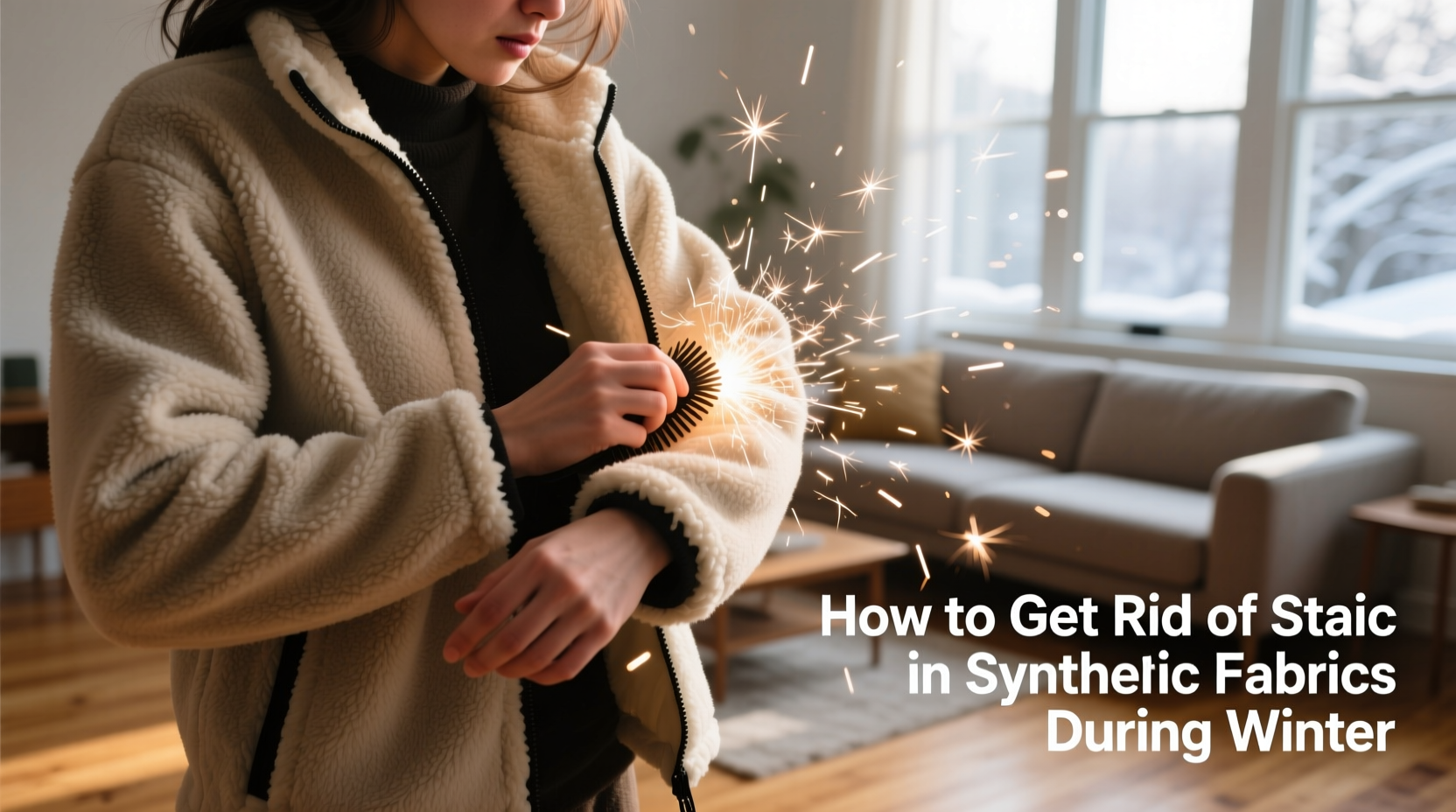
Static electricity occurs when electrons transfer between two surfaces through friction—a process called triboelectric charging. In synthetic fabrics, which are insulators, electrons don’t dissipate easily. Instead, they build up on the surface until discharged, often as a small shock. During winter, low humidity levels (typically below 30%) dramatically increase this effect. Dry air lacks moisture, which normally helps conduct charges away from fabric. Indoor heating exacerbates the problem by further reducing relative humidity.
Synthetic fibers are especially prone because they lack natural moisture-wicking properties found in cotton or wool. When you move, your clothes rub together, generating charge. Layering synthetics—like a polyester shirt under a nylon jacket—only increases friction and charge buildup. Understanding this mechanism is key to targeting solutions effectively.
“Low humidity is the primary driver of static issues in clothing. Maintaining indoor humidity above 40% can reduce static incidents by up to 70%.” — Dr. Lena Patel, Textile Physicist, MIT Materials Lab
Prevent Static at the Source: Laundry Techniques
The battle against static begins in the laundry room. How you wash and dry synthetic fabrics directly impacts their tendency to generate static. Many conventional detergents and dryer sheets contain chemicals that strip moisture or leave behind residues that worsen the problem.
Choose the Right Detergent
Opt for liquid detergents over powders. Powders can leave mineral deposits on synthetic fibers, increasing surface resistance and static buildup. Look for formulas labeled “for synthetics” or “sportswear,” which are gentler and often include anti-static agents. Avoid products with high concentrations of optical brighteners or enzymes, which can degrade synthetic polymers over time.
Use Vinegar as a Natural Fabric Softener
White vinegar is a powerful, eco-friendly alternative to commercial softeners. Add ½ cup of distilled white vinegar to the rinse cycle. It helps dissolve detergent residue, balances pH, and adds slight moisture retention to fibers—reducing static without coating them in chemicals.
Tip: Never mix vinegar with bleach—it creates toxic fumes. If using both, run separate loads.Avoid Over-Drying
Over-drying is one of the biggest culprits behind static. Tumbling clothes too long removes all residual moisture, leaving fibers parched and charged. Use a moisture sensor setting if your dryer has one, or set it to medium heat for a shorter cycle. Remove clothes while slightly damp and air-dry the rest of the way.
Dryer Balls vs. Dryer Sheets
While dryer sheets coat fabrics with a lubricating chemical layer that reduces friction, they can leave residues that build up over time, reducing fabric breathability. Wool dryer balls are a better long-term solution. They separate clothes in the dryer, improving airflow and reducing drying time. For added anti-static power, add 3–5 drops of essential oil (like lavender or eucalyptus) to the balls—they won’t eliminate static but improve scent and soften fabrics naturally.
| Solution | Effectiveness | Pros | Cons |
|---|---|---|---|
| Dryer Sheets | High (short-term) | Immediate static reduction | Residue buildup, less eco-friendly |
| Wool Dryer Balls | Moderate to High | Reusable, no chemicals, reduce drying time | Less scent control |
| Vinegar Rinse | Moderate | Cleans residue, affordable | Mild odor (dissipates after drying) |
| Aluminum Foil Ball | Low to Moderate | Cheap, reusable, discharges static | No softening effect, noisy |
Combat Static While Wearing: On-the-Spot Fixes
Even with careful laundry practices, static can strike during the day. Fortunately, several quick fixes can restore comfort within seconds.
Moisturize Your Skin and Clothes
Dry skin acts as an insulator, making shocks more likely. Apply lotion immediately after showering to lock in moisture. For clothes, lightly mist synthetic garments with water using a fine spray bottle. A single spritz on the inside of a skirt or dress prevents clinging. For a longer-lasting effect, mix ¾ water with ¼ unscented fabric conditioner in a spray bottle and apply sparingly.
Use Metal Hangers or Safety Pins
Metal conducts electricity and can discharge built-up static. Hang synthetic garments on metal hangers before wearing to ground them. Alternatively, attach a small safety pin inside a seam. As you move, the pin gently discharges static into the air, preventing sudden shocks.
Carry a Dryer Sheet in Your Pocket
A single unused dryer sheet can be a portable static shield. Rub it lightly over tights, skirts, or shirts to neutralize charge. Replace every few days, as effectiveness diminishes with use.
Tip: Keep a travel-sized hand lotion and a mini spray bottle in your winter bag—quick fixes for static emergencies.Environmental Control: Managing Indoor Humidity
Addressing ambient conditions is the most sustainable way to prevent static. Since dry air is the root cause, increasing indoor humidity disrupts the static cycle at its source.
Use a Humidifier
Whole-house humidifiers integrated into HVAC systems provide the most consistent results. For individual rooms, cool-mist or ultrasonic models work well. Aim to maintain humidity between 40% and 50%. Below 30%, static becomes common; above 60%, mold risk increases.
Passive Moisture Sources
If you don’t own a humidifier, try these low-cost alternatives:
- Place bowls of water near heat sources—radiators or vents.
- Hang wet towels to dry indoors.
- Boil water on the stove with citrus peels or cinnamon for scent.
- Keep houseplants—many release moisture through transpiration.
Monitor Humidity Levels
Invest in a hygrometer (humidity monitor), available for under $15. Place it in frequently used rooms to track fluctuations. Adjust humidifier settings based on real-time data rather than guesswork.
Step-by-Step Guide: Eliminate Static in 7 Days
Implement lasting change with this structured weekly plan. Each step builds on the last, addressing both immediate symptoms and root causes.
- Day 1: Audit your wardrobe. Identify synthetic items most prone to static (e.g., leggings, polyester blouses).
- Day 2: Wash problem garments using vinegar in the rinse cycle. Air-dry or tumble-dry on low.
- Day 3: Replace dryer sheets with wool dryer balls. Run a test load and compare results.
- Day 4: Purchase a hygrometer. Measure humidity in your bedroom and living room.
- Day 5: Begin using a humidifier if levels are below 40%. Run it for 4–6 hours daily.
- Day 6: Create a portable static kit: mini spray bottle, hand lotion, and 2 dryer sheets in a small pouch.
- Day 7: Wear treated garments and record static incidents. Adjust methods as needed.
By the end of the week, most users report a noticeable decrease in shocks and clinging. Consistency is critical—maintain these habits throughout winter for best results.
Real-Life Example: Office Worker’s Static Struggle
Sarah, a marketing manager in Chicago, dreaded winter commutes. Her black polyester-blend dress would cling to her tights by mid-morning, and she’d receive shocks every time she touched her metal desk frame. After researching, she implemented three changes: she started using wool dryer balls, applied body lotion daily, and placed a humidifier in her home office. Within five days, the static vanished. “I didn’t realize how much it was affecting my confidence,” she said. “Now I don’t dread standing up in meetings.”
Frequently Asked Questions
Can I use hairspray to stop static in clothes?
Yes, but cautiously. Hairspray contains polymers and alcohol that can temporarily neutralize static. Hold the can 12 inches away and spray the inside of the garment. However, frequent use may stain or stiffen fabric, so reserve it for emergencies.
Are natural fibers completely static-free?
No fabric is entirely static-proof, but natural fibers like cotton, wool, and linen are far less prone. They absorb moisture from the air, which helps dissipate electrical charges. Blending synthetics with natural fibers (e.g., 60% cotton, 40% polyester) significantly reduces static risk.
Does fabric softener really help with static?
Liquid fabric softeners can help by coating fibers with lubricants that reduce friction. However, they may reduce absorbency in activewear and leave residues. For synthetics, use sparingly and rinse thoroughly. Consider switching to non-coating alternatives like vinegar for long-term care.
Expert-Backed Prevention Checklist
Stay static-free all winter with this actionable checklist:
- ✅ Use vinegar in the rinse cycle instead of chemical softeners
- ✅ Switch to wool dryer balls
- ✅ Avoid over-drying synthetic clothes
- ✅ Maintain indoor humidity between 40–50%
- ✅ Moisturize skin daily, especially after showers
- ✅ Carry a portable anti-static spray or dryer sheet
- ✅ Ground clothes with metal hangers or safety pins
- ✅ Choose blended fabrics when possible
- ✅ Clean dryer lint filter regularly (improves efficiency and reduces static)
- ✅ Use a hygrometer to monitor room conditions
Final Thoughts: Make Static a Thing of the Past
Static in synthetic fabrics isn’t inevitable—it’s a solvable problem rooted in environmental and mechanical factors. By adjusting laundry routines, modifying indoor conditions, and adopting smart daily habits, you can eliminate shocks and clinging for good. These strategies aren’t just about comfort; they extend the life of your clothes by reducing fiber stress and preventing pilling caused by constant friction.
Start small: pick one method from this guide and implement it today. Whether it’s adding vinegar to your next load or placing a bowl of water near your heater, each action contributes to a static-free winter. Share your experience, try combinations that work for your lifestyle, and reclaim the comfort your wardrobe should provide.
💬 Have a favorite anti-static trick? Join the conversation—share your tip in the comments and help others stay shock-free this winter!








