Secondhand toys offer a sustainable, budget-friendly way to keep children entertained while reducing waste. However, they often come with invisible risks—germs, allergens, and chemical residues from previous use. Parents and caregivers face a dilemma: how to thoroughly disinfect these items without dulling painted finishes or weakening delicate fabrics. The wrong cleaner can strip color, crack surfaces, or leave behind toxic residues. Fortunately, with the right approach, it’s possible to achieve deep sanitation while preserving the toy’s original condition.
This guide outlines scientifically sound and material-safe disinfection strategies for various toy types. From wooden blocks with hand-painted designs to plush animals with embroidered details, you’ll learn how to clean effectively without causing harm. These methods are backed by health guidelines and tested in real-world caregiving environments.
Understanding Toy Materials and Risks
Toys come in many materials—plastic, wood, fabric, metal, rubber—each reacting differently to cleaning agents. Painted surfaces may contain water-soluble pigments or lacquers that degrade when exposed to alcohol or bleach. Fabric toys often have non-removable stuffing or glued seams that can trap moisture and mildew if not dried properly. Before cleaning, identifying the toy’s composition is essential.
The Centers for Disease Control and Prevention (CDC) emphasizes that soft surfaces like fabric require different disinfection protocols than hard, non-porous ones. Using a harsh disinfectant on a stuffed animal might remove germs but could also cause fiber breakdown or skin irritation upon future use. Similarly, soaking a vintage tin toy in vinegar may corrode its metallic finish despite killing bacteria.
Common contaminants found on secondhand toys include:
- Bacteria such as *Staphylococcus* and *E. coli*
- Viruses like rhinovirus (common cold) and respiratory syncytial virus (RSV)
- Fungal spores from mold or mildew
- Dust mites and allergenic particles
- Residual pesticides or flame retardants (especially in older plastics)
Effective disinfection must eliminate pathogens while avoiding damage to structural integrity and aesthetic quality. The key lies in selecting appropriate agents and application techniques based on material sensitivity.
Tip: Always test any cleaning solution on a small, inconspicuous area first—like the underside of a doll’s foot or inside seam of a plush toy.Safe Disinfection Methods by Material Type
No single method works universally across all toys. Below are targeted approaches categorized by common toy materials, designed to balance hygiene and preservation.
Plastic and Vinyl Toys (Including Bath Toys)
Hard plastic toys are generally durable but may have painted details vulnerable to abrasion or chemical stripping. Avoid bleach-based cleaners unless absolutely necessary, and never mix bleach with ammonia—this creates toxic fumes.
- Wipe down with warm, soapy water using a soft cloth.
- Rinse thoroughly with clean water.
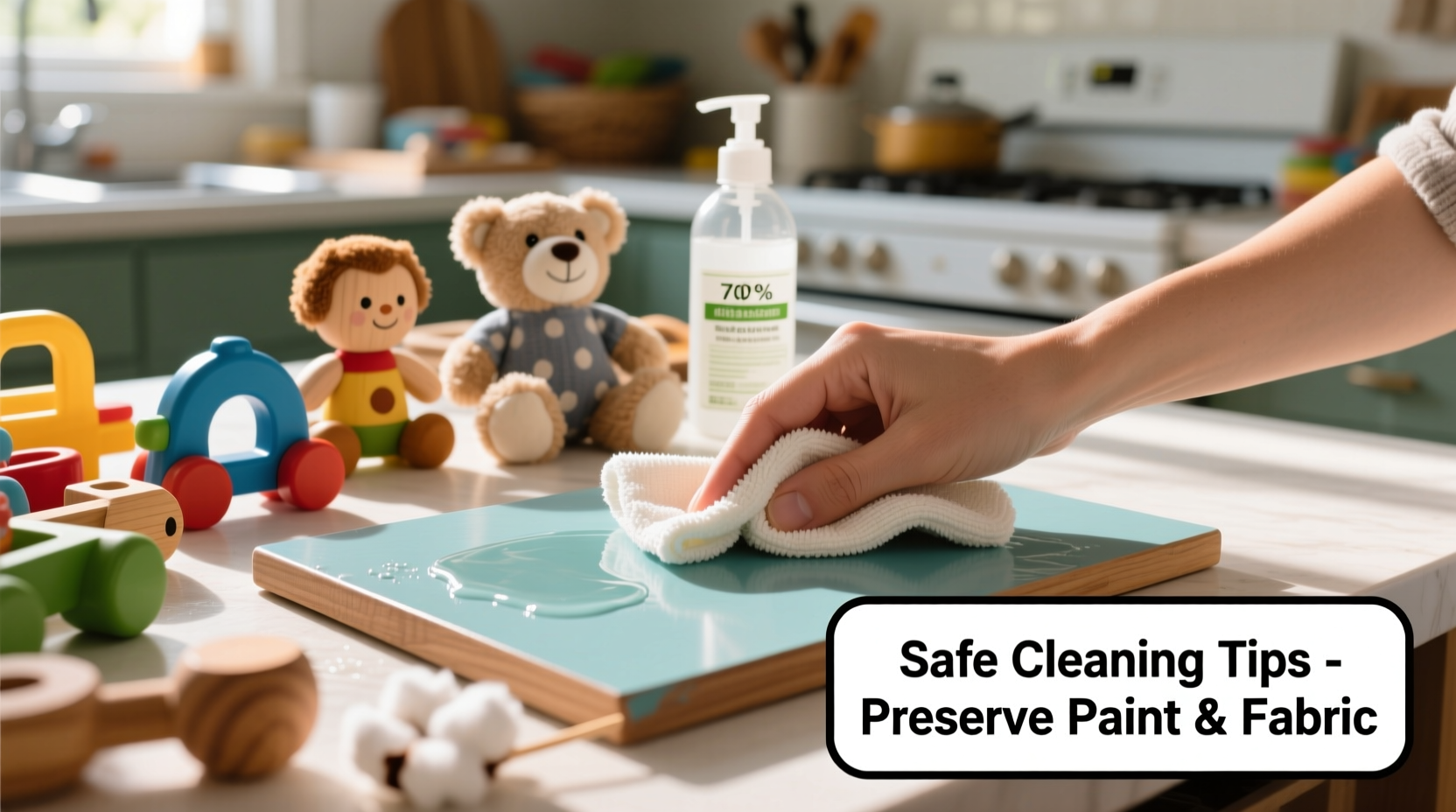
- For disinfection, use a solution of 70% isopropyl alcohol diluted with distilled water (50/50 ratio). Apply with a microfiber cloth, avoiding prolonged contact with painted areas.
- Allow to air-dry completely before use.
For bath toys with internal water chambers, submerge in a vinegar-water solution (1 part white vinegar to 3 parts water) for 15 minutes, then flush interiors with clean water and dry upright to prevent mold buildup.
Wooden Toys
Wood absorbs liquids and can warp or crack if soaked. Painted finishes may be sealed with varnish or remain porous. Never immerse wooden toys in water.
Use a slightly damp cloth moistened with a mixture of castile soap and water. Wring thoroughly to avoid excess moisture. Gently wipe surfaces, then immediately dry with a soft towel. For disinfection, lightly mist with a hydrogen peroxide solution (3%) and wipe after one minute of contact time. Finish by applying a thin layer of food-grade mineral oil to restore moisture and protect the wood.
Fabric and Stuffed Toys
Many plush toys cannot be machine-washed due to fragile embroidery, glued components, or sentimental value. A full wash may distort shape or fade colors.
Instead, spot-clean stains with a mild detergent solution applied via cotton swab. To sanitize without washing:
- Place the toy in a sealed plastic bag and freeze overnight. Freezing kills most bacteria and dust mites.
- After freezing, vacuum gently with a brush attachment to remove surface debris.
- Lightly steam the exterior using a garment steamer held several inches away. Steam penetrates fabric fibers without saturating them.
If machine washing is feasible, use cold water, gentle cycle, and mild, fragrance-free detergent. Air-dry flat to maintain shape.
Metal and Tin Toys
These are prone to rust and corrosion. Avoid water immersion and acidic solutions like vinegar or lemon juice.
Wipe with a dry or barely damp microfiber cloth. For disinfection, use alcohol wipes (70% IPA), ensuring quick evaporation. Polish with a dry cloth afterward to prevent spotting.
Electronic or Battery-Operated Toys
Never submerge. Remove batteries before cleaning. Use compressed air to clear crevices. Wipe exterior with a disinfectant wipe suitable for electronics (e.g., Clorox Electronics Wipes). Allow 5–10 minutes to dry before reinserting batteries.
| Material | Safe Disinfectant | Avoid | Drying Method |
|---|---|---|---|
| Plastic (painted) | 70% isopropyl alcohol (diluted) | Bleach, scrubbing pads | Air-dry upright |
| Wood | Hydrogen peroxide (3%), castile soap | Soaking, vinegar | Towel-dry + air |
| Fabric/Stuffed | Steam, freezing, spot cleaning | Hot water, bleach | Air-dry flat |
| Metal | Alcohol wipes | Vinegar, wet cloths | Immediate buffing |
| Electronic | Electronics-safe wipes | Water immersion | 10-min air dry |
Step-by-Step Guide: Disinfecting a Secondhand Toy Safely
Follow this universal protocol to clean any secondhand toy while minimizing risk of damage:
- Inspect the toy: Check for recalls, sharp edges, loose parts, or visible mold. Discard any item with structural damage or strong chemical odors.
- Identify materials: Determine primary construction—plastic, wood, fabric, etc.—and presence of paint, glue, or electronics.
- Remove loose debris: Use a soft brush or vacuum with a brush attachment to eliminate dust and dirt.
- Clean gently: Wash with mild soap and water where appropriate, using soft cloths only.
- Disinfect selectively: Apply a material-appropriate sanitizer, allowing proper dwell time (usually 30 seconds to 1 minute).
- Dry thoroughly: Ensure no moisture remains in joints, seams, or internal cavities.
- Final check: Confirm the toy is dry, odor-free, and shows no signs of degradation before giving it to a child.
Expert Insight: Balancing Hygiene and Preservation
Dr. Lena Patel, pediatric environmental health specialist at Boston Children’s Hospital, emphasizes cautious disinfection:
“Parents want to protect their children from illness, but over-sanitizing can introduce new risks—respiratory irritation from volatile chemicals or skin reactions from residue. The goal isn’t sterility; it’s safety. Focus on removing visible grime and high-touch pathogens using the mildest effective method.”
This philosophy aligns with recommendations from the American Academy of Pediatrics, which advises against routine use of industrial-strength disinfectants in home environments unless there’s been known exposure to illness.
Real Example: Restoring a Vintage Doll Collection
Sarah Thompson, a mother of two in Portland, inherited her grandmother’s 1970s doll collection. The dolls had detailed facial paint and silk dresses—too fragile for standard cleaning. She needed to disinfect them after years in an attic but feared damaging the antique finishes.
She began by vacuuming each doll with a handheld device using a nylon stocking over the nozzle to prevent snagging. Then, she wiped vinyl bodies with a 50/50 alcohol-water solution using cotton rounds, taking care not to let liquid pool around joint screws. For fabric clothing, she placed each outfit in a zip-top bag and froze it for 48 hours. After thawing, she lightly steamed the garments and aired them outside for a few hours.
The result? Clean, safe dolls with intact paint and no fabric shrinkage. Her daughters now play with them under supervision, preserving both family history and hygiene standards.
Checklist: Safe Toy Sanitization at a Glance
Use this checklist before cleaning any secondhand toy:
- ☐ Inspect for physical damage or recalls
- ☐ Identify all materials and finishes
- ☐ Test cleaning solution on hidden area
- ☐ Remove batteries or electronic components
- ☐ Clean surface dirt with soft cloth and mild soap
- ☐ Apply disinfectant suited to material type
- ☐ Allow full drying (minimum 2 hours)
- ☐ Perform final safety check (no residue, sharp edges, or odors)
Frequently Asked Questions
Can I use baby wipes to disinfect toys?
Most baby wipes are designed for skin, not surfaces, and do not meet EPA standards for disinfection. While they remove dirt, they don’t reliably kill viruses or bacteria. Some contain fragrances or preservatives that may irritate sensitive skin. For true sanitization, use wipes labeled as “disinfecting” and confirm they’re safe for the toy’s material.
Is vinegar a safe natural disinfectant for toys?
Vinegar has limited germ-killing power and is ineffective against many viruses and spores. Its acidity can erode paint, tarnish metal, and weaken fabric dyes. While occasionally useful for deodorizing, it should not be relied upon for thorough disinfection. Hydrogen peroxide (3%) or diluted isopropyl alcohol are more effective and less damaging alternatives.
How often should I re-clean secondhand toys?
Once properly disinfected and in regular use, clean high-touch toys weekly. If a child is ill, sanitize immediately. Stored toys should be checked and refreshed before reuse, especially if kept in humid or dusty environments.
Conclusion: Clean with Confidence
Disinfecting secondhand toys doesn’t require harsh chemicals or risky methods. By understanding materials, choosing the right techniques, and proceeding with care, you can ensure safety without sacrificing quality. Whether preparing a donated toy for your child or restoring a family heirloom, thoughtful cleaning preserves both health and heritage.
Every toy tells a story. With proper disinfection, you’re not just removing germs—you’re making space for new memories to be made safely and joyfully.
💬 Have a success story or tip for cleaning delicate toys? Share your experience in the comments and help other parents keep playtime safe and sustainable!








