White shoes are a wardrobe staple—versatile, stylish, and capable of elevating any outfit. But their pristine appearance comes at a cost: they show every speck of dirt, and worse, they’re prone to developing an unsightly yellow tint after cleaning. This discoloration often results from improper cleaning agents, exposure to sunlight during drying, or chemical reactions within the fabric. The good news is that yellowing can be prevented with the right approach. This guide provides scientifically sound and field-tested methods to safely clean your white shoes while preserving their bright, fresh look.
Why White Shoes Turn Yellow After Cleaning
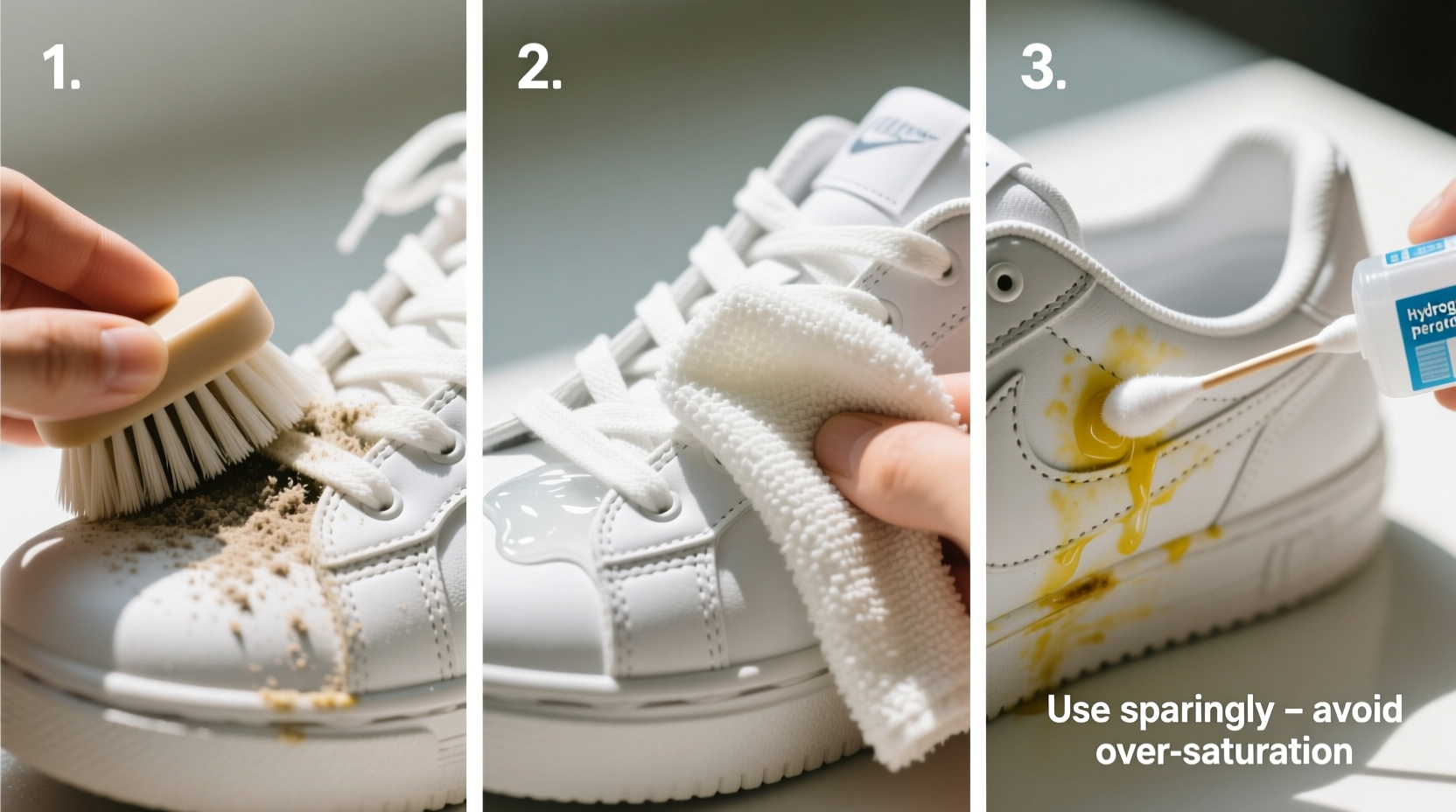
Understanding what causes yellowing is essential to preventing it. Several factors contribute to this common problem:
- Oxidation from sunlight: UV rays trigger oxidation in synthetic materials and adhesives, leading to yellow stains, especially around the soles and midfoot.
- Residual detergent buildup: Harsh detergents or incomplete rinsing leave behind residues that react with light and air, causing discoloration over time.
- Bleach misuse: Chlorine bleach breaks down fibers and accelerates yellowing, particularly in canvas and mesh fabrics.
- Perspiration and natural oils: Sweat and skin oils seep into shoe linings and react with materials, producing yellow marks near the heel and tongue.
- Improper drying: Drying shoes near radiators or in direct sun speeds up chemical degradation in rubber and foam components.
“Yellowing isn’t always about dirt—it’s often a chemical reaction. The key is gentle cleaning and controlled drying.” — Dr. Lena Torres, Textile Chemist at Advanced Footwear Research Lab
Safe Cleaning Methods That Prevent Yellowing
Cleaning white shoes effectively requires balancing stain removal with material preservation. Below are four proven methods suitable for most common materials—canvas, mesh, knit, and synthetic leather—without risking discoloration.
1. Baking Soda and Hydrogen Peroxide Paste (For Canvas & Mesh)
This combination lifts stains gently without bleaching the fabric. Hydrogen peroxide acts as a mild oxidizing agent that disinfects and brightens, while baking soda provides light abrasion.
Tip: Always use 3% hydrogen peroxide—the standard drugstore concentration. Higher concentrations may damage fibers.- Mix one tablespoon of baking soda with two tablespoons of hydrogen peroxide to form a thick paste.
- Using a soft-bristled toothbrush, apply the mixture to stained areas in small circular motions.
- Let sit for 30 minutes in a shaded indoor area—never under sunlight.
- Rinse thoroughly with cold water until no residue remains.
- Dry with a microfiber towel and stuff the interior with paper towels to maintain shape.
2. Mild Dish Soap and Cold Water Soak (For Delicate Knits)
Foam-based uppers like those found in popular knit sneakers require extra care. A simple solution of dish soap and water avoids swelling or warping the material.
- Fill a basin with cold water and add one teaspoon of fragrance-free dish soap.
- Submerge only the upper portion of the shoe—avoid soaking the midsole if possible.
- Gently scrub with a sponge or soft brush.
- Rinse completely under running water.
- Press out excess moisture with a towel; never wring the shoe.
3. Vinegar and Water Spray (For Odor and Surface Stains)
White vinegar neutralizes odors and dissolves light grime without altering fabric pH dramatically.
| Solution Ratio | Application Method | Drying Instructions |
|---|---|---|
| 1 part vinegar : 2 parts water | Spray lightly on exterior; wipe with damp cloth | Air dry indoors away from windows |
| Equal parts (for heavy odor) | Apply inside lining with cotton pad; let sit 15 mins | Ventilate overnight before wearing |
4. Machine Washing (Only When Necessary)
While not ideal, machine washing can be safe if done correctly. Use only for durable canvas or athletic shoes without glued-on embellishments.
- Remove laces and insoles; wash separately by hand.
- Place shoes in a pillowcase to reduce agitation.
- Use cold water setting and a small amount of gentle laundry detergent.
- Never use fabric softener or bleach.
- Immediately remove and dry properly post-wash.
Drying Techniques That Prevent Discoloration
Drying is where most people unknowingly ruin their shoes. Even perfectly cleaned whites can turn yellow within hours if dried improperly.
The Indoor Air-Dry Protocol
To prevent photo-oxidation and heat damage:
- Stuff shoes with crumpled newspaper or plain paper towels to absorb moisture and retain shape.
- Position them sole-up near a fan or in a well-ventilated room—but not directly in front of it.
- Rotate every few hours for even drying.
- Replace stuffing once it becomes damp.
- Allow 24–48 hours for complete drying, depending on humidity.
“I’ve seen customers ruin $200 sneakers in 6 hours just by leaving them on a sunny windowsill. Shade drying isn’t slower—it’s smarter.” — Marcus Reed, Sneaker Restoration Technician, SoleCare Studio
Avoid These Drying Mistakes
| Don’t | Why It Causes Yellowing |
|---|---|
| Drying in direct sunlight | UV radiation degrades polymers in rubber and adhesives, turning them yellow. |
| Using hairdryers or heaters | High heat accelerates oxidation and shrinks synthetic fibers. |
| Leaving wet shoes bunched up | Trapped moisture promotes mold and chemical breakdown in liners. |
| Storing before fully dry | Moisture retention leads to long-term staining and odor development. |
Preventive Care Checklist
Keeping white shoes clean starts before they get dirty. Follow this routine to extend time between deep cleans and reduce yellowing risk.
Checklist: Weekly Maintenance for White Shoes- Wipe down exteriors with a damp microfiber cloth after wear.
- Use a soft brush to remove surface dust from seams and treads.
- Replace insoles monthly or use washable antimicrobial inserts.
- Spritz with a fabric protector spray every 2–3 weeks (fluoropolymer-based).
- Store in breathable cotton bags, away from direct light and moisture.
- Alternate pairs to allow full drying between uses.
Real Example: Saving Yellowing-Prone Running Shoes
Jessica, a nurse in Chicago, wore her white running shoes daily for work shifts averaging 12 hours. Despite regular cleaning, she noticed persistent yellowing along the collar and toe box. She had been rinsing them with soap and leaving them to dry on a windowsill in her apartment, believing sunlight helped “sanitize” them.
After consulting a footwear care specialist, she switched to a new routine: cleaning with a baking soda-hydrogen peroxide mix, rinsing thoroughly, and drying indoors with newspaper stuffing. Within three weeks, new stains were gone, and further yellowing stopped. By month six, her shoes looked nearly new—proof that proper technique outweighs frequency of cleaning.
Do’s and Don’ts Summary Table
| Action | Recommended? | Reason |
|---|---|---|
| Use baking soda + hydrogen peroxide | ✅ Yes | Gentle whitening without fiber damage |
| Soak in chlorine bleach | ❌ No | Causes rapid yellowing and weakens fabric |
| Dry near a heater | ❌ No | Heat triggers adhesive breakdown and discoloration |
| Hand-scrub with soft toothbrush | ✅ Yes | Effective without abrasion damage |
| Apply toothpaste | ⚠️ Caution | Some contain abrasives or bleach; not consistently safe |
| Store in original shoebox | ⚠️ Only if dry and ventilated | Traps moisture if not aired out regularly |
Frequently Asked Questions
Can I use OxiClean on white shoes?
Yes, but with caution. OxiClean contains sodium percarbonate, which releases oxygen in water and can brighten fabrics. However, prolonged soaking or high concentrations may degrade elastic fibers in knit shoes. Use a diluted solution (one scoop per gallon of cold water), soak for no more than 30 minutes, and rinse extremely well. Never use on leather or suede.
Why do my shoes yellow even when I don’t wear them?
Even unworn shoes can yellow due to environmental exposure. Rubber compounds naturally degrade over time when exposed to oxygen and ambient light. Store off-season white shoes in breathable fabric bags, away from windows and heat sources. Consider placing silica gel packets inside to control humidity.
Is there a way to reverse existing yellowing?
Mild yellowing can sometimes be reduced using a paste of baking soda and hydrogen peroxide applied as described earlier. For severe oxidation, especially on rubber soles, specialized products like “RunRepeat Sole Bright” or “Kiwi Revive” may help restore color through non-bleach chemistry. However, deeply degraded materials cannot be fully reversed—prevention remains the best strategy.
Final Thoughts: Preserve Whiteness Through Smart Habits
Clean white shoes enhance confidence and style, but their upkeep demands mindfulness. The goal isn’t just to remove dirt, but to preserve the integrity of materials over time. By avoiding harsh chemicals, resisting the temptation to dry in the sun, and adopting consistent preventive habits, you can keep your white shoes looking crisp for months—or even years—without the frustration of yellowing.
Every step you take in clean, bright footwear reflects attention to detail. Start today: inspect your current pair, assess your drying spot, and adjust one habit. Small changes lead to lasting results.
💬 Have a method that keeps your whites flawless? Share your tip in the comments and help others avoid the yellowing trap!








