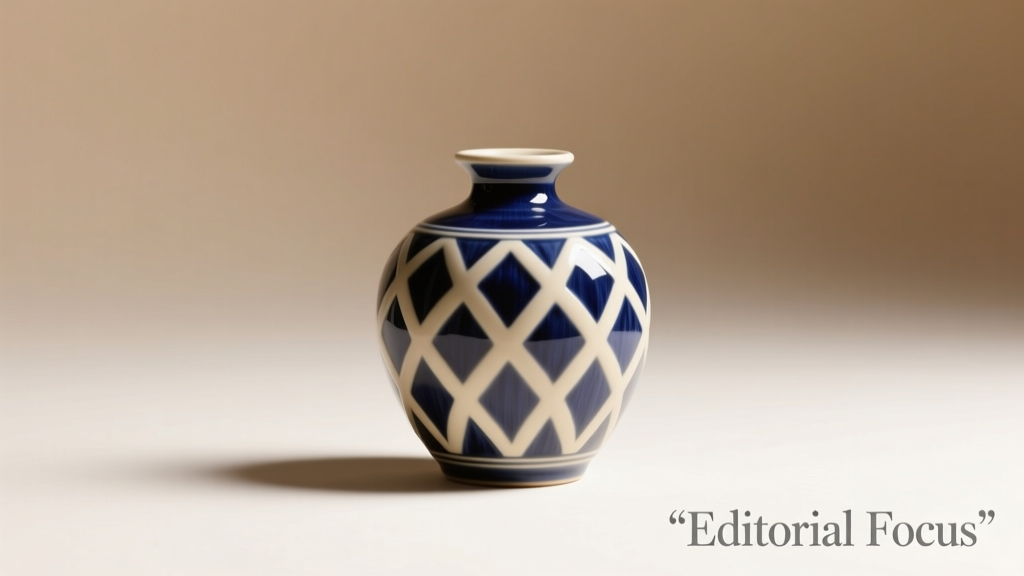
Planning a wedding means balancing beauty with budget—and nowhere is that tension more visible than in floral design. Fresh blooms command attention, but their presentation hinges on vessels that are both functional and intentional. While glass and ceramic often dominate Pinterest boards, savvy planners increasingly turn to high-grade plastic vases purchased in bulk: lightweight for transport, shatterproof for outdoor ceremonies, consistent in finish, and scalable for large guest counts. Yet not all plastic vases perform equally. A $0.39 vase may cloud after one use; a $1.25 one may hold water for 72 hours without leakage or warping. This article distills real-world procurement experience—from florists, event coordinators, and venue managers—into actionable criteria for choosing plastic vases that elevate your floral vision without compromising reliability, aesthetics, or sustainability.
1. Prioritize Material Grade Over Appearance Alone
Plastic vases sold for weddings fall into three primary polymer categories: polypropylene (PP), acrylonitrile butadiene styrene (ABS), and polycarbonate (PC). Each behaves differently under heat, UV exposure, moisture, and mechanical stress—factors critical during multi-hour ceremonies, summer heatwaves, or overnight setup in unairconditioned barns.
Polypropylene is the most common—and most variable. Low-density PP (often labeled “recycled PP” or “PP blend”) softens above 60°C, yellows under prolonged sun, and can develop microfractures when tightened with rubber bands or secured in foam blocks. High-density, virgin PP—especially with UV stabilizers—is far more resilient. Look for vases marked “HD-PP” or “UV-stabilized PP” on packaging or spec sheets. ABS offers superior rigidity and gloss but is less impact-resistant than PC and can emit faint odors if improperly molded. Polycarbonate delivers glass-like clarity and exceptional durability, but it’s rarely used in budget bulk vases due to cost—reserve it for signature centerpieces where longevity matters beyond the wedding day.
Tip: Request material safety data sheets (MSDS) from suppliers—even for bulk orders. Reputable vendors will provide them instantly. If they hesitate or cite “proprietary blends,” assume lower-grade resins.2. Evaluate Structural Integrity Through Real-World Tests
A vase must do more than hold water. It must anchor floral foam without cracking, withstand repeated handling by volunteers, resist tipping when placed on uneven surfaces, and maintain shape while filled with dense arrangements like peonies or hydrangeas. These demands go beyond what product photos reveal.
Test for wall thickness: Run a fingernail along the base interior. A crisp, consistent ridge indicates uniform injection molding. A wobbly or thin-feeling base suggests poor mold calibration—a red flag for stacking stability. Next, assess the lip: Rounded, reinforced rims prevent chipping during transport and reduce stem abrasion. Avoid sharp, knife-edged tops—they snag ribbon, fray twine, and increase breakage risk during assembly.
Finally, verify seal integrity. Fill a sample vase with water and leave it upright on a paper towel for 12 hours. Check for seepage at the seam (where body meets base) and around any embossed logos or texture lines. Even minor weeping compromises tabletops, linens, and electronics nearby.
3. Match Shape & Scale to Your Floral Design Strategy
Bulk purchasing only makes sense when form supports function. A mismatched vase defeats the purpose of floral investment—no matter how lush the bouquet. Below is a decision framework used by top-tier wedding florists to align vase geometry with arrangement type, venue scale, and guest experience.
| Vase Shape | Ideal For | Avoid With | Recommended Height Range (in) |
|---|---|---|---|
| Cylinder (straight-walled) | Modern, minimalist bouquets; single-stem displays; aisle markers | Heavy-headed blooms (e.g., garden roses) without foam support | 4–10 |
| Tapered (narrow base, flared rim) | Loose, cascading arrangements; wildflower clusters; elevated centerpieces | Low-profile tables or tight seating layouts | 6–14 |
| Trumpet (pronounced flare) | Dramatic focal arrangements; ceremony arches; hanging installations | Small reception tables (<60\") or windy outdoor sites | 8–16 |
| Compote (wide, shallow bowl) | Low, sprawling centerpieces; floating candles + florals; dessert table accents | Outdoor venues with breezy conditions or uneven flooring | 2–4 (height), 8–14 (diameter) |
| Geometric (hexagonal, triangular) | Themed weddings (industrial, art deco); grouped vignettes; photo booth props | Large-scale arrangements requiring deep water reservoirs | 5–12 |
Pro tip: Always order one size up from your florist’s minimum recommendation. Hydrangeas absorb water aggressively; without sufficient reservoir depth, stems desiccate within 4 hours. A 7-inch cylinder may look elegant—but if your florist specifies “minimum 8-inch depth for full hydration,” respect that threshold. Bulk discounts never justify floral wilt.
4. The Hidden Cost of “Bulk”: Shipping, Storage, and Setup Logistics
Buying 200 vases at $0.85 each seems economical—until you factor in dimensional weight surcharges, warehouse space, and labor to unpack, inspect, rinse, and stage them. One planner in Austin learned this the hard way: her 300-piece order arrived in six overpacked cardboard boxes, each weighing 38 lbs. Two boxes were crushed en route, and 17 vases had scuffed finishes. She spent 9.5 hours re-inspecting, cleaning, and replacing damaged units—time she’d budgeted for seating chart calligraphy.
Here’s what experienced planners do instead:
- Negotiate palletized shipping: Request vases packed on shrink-wrapped pallets—not nested in corrugated boxes. Pallets stack efficiently in garages or storage units and eliminate individual box handling.
- Require pre-rinsing: Specify “food-grade rinse and air-dry before packing.” Residual mold-release agents (used in plastic molding) can inhibit flower hydration and cause premature petal drop.
- Confirm nesting compatibility: Ask for nesting dimensions. A 6-inch cylinder that nests 12-deep saves 80% storage volume versus one that nests only 4-deep. Measure your available closet or garage shelf depth before ordering.
- Assign a “vase lead” volunteer: Someone solely responsible for inventory, damage logging, and distribution to stations. This prevents last-minute scrambles when 12 vases vanish between loading dock and ballroom.
“Florists see two types of bulk buyers: those who treat vases as disposable props, and those who treat them as foundational infrastructure. The latter always have backup stock, documented supplier contacts, and a post-event cleaning protocol—even if they donate them after. That mindset shift changes everything.” — Lena Torres, Lead Designer at Petal & Post, serving 120+ weddings annually since 2015
5. Sustainability Without Sacrifice: Reusability, Recycling, and Responsible Sourcing
“Eco-friendly plastic” is a marketing mirage unless backed by verifiable claims. Many vendors label vases “biodegradable” despite requiring industrial composting facilities (which handle <5% of U.S. wedding venues). Others tout “recycled content” while using ocean-bound plastic contaminated with heavy metals—unsafe for direct contact with floral preservatives or food-service adjacent setups.
Instead, focus on *enduring utility*. A well-made HD-PP vase can be reused across 5–7 events if cleaned properly. That outperforms “compostable” PLA vases that degrade after one humid day. Here’s how to ensure your bulk purchase supports circularity:
- Verify resin identification codes: Look for #5 (PP) or #7 (other, but confirm PC or certified bio-based). Avoid #3 (PVC) and #6 (PS)—both release toxins when incinerated and are rarely accepted in municipal recycling streams.
- Request BPA- and phthalate-free certification: Critical if vases will sit near buffet tables, cake stands, or cocktail bars where incidental contact occurs.
- Ask about take-back programs: Some ethical suppliers (e.g., GreenVessel Co., Bloomscape Bulk) offer discounted returns for undamaged vases after event use—refurbishing and reselling them at lower tiers.
Mini Case Study: The Coastal Elopement That Saved $1,200 in Vase Costs
Jamie and Marco planned an intimate 28-guest elopement on a windswept Oregon coast cliffside. Their florist recommended tall, weighted vases to resist gusts—but glass was ruled out for safety, and ceramic too heavy to carry down narrow trails. Jamie sourced 42 tapered HD-PP vases ($1.12 each, bulk discount applied) with integrated rubberized bases. After the ceremony, she wiped them clean, stored them in ventilated mesh bags, and donated them to a local floral school. Six months later, she rented the same vases back for a vow renewal—paying only $0.35 per unit for sanitization and delivery. Total vase spend across two events: $142. Had she bought disposable alternatives, the cost would have exceeded $1,340—and generated 8.7 lbs of landfill waste.
FAQ
Can I paint or spray-paint bulk plastic vases?
Yes—but only with adhesion-promoting primers designed for polyolefins (e.g., Rust-Oleum Specialty Plastic Primer). Standard acrylics peel within 48 hours, especially when exposed to floral water or humidity. Test on 3 vases first: submerge painted samples for 72 hours, then rub vigorously with a damp cloth. If pigment lifts, reformulate your finish.
How do I clean plastic vases for reuse without clouding them?
Avoid bleach and abrasive pads. Soak in warm water with 1 tbsp white vinegar per quart for 20 minutes, then scrub gently with a soft nylon brush. Rinse thoroughly and air-dry upside-down on a wire rack—never stacked while wet. Store only when completely dry to prevent biofilm formation in microscopic surface pores.
Do matte-finish plastic vases hide fingerprints better than glossy ones?
Counterintuitively, no. Matte textures trap oils more readily and show smudges under directional lighting (e.g., string lights or spotlighting). Glossy, scratch-resistant finishes repel oils and wipe clean with microfiber. For low-maintenance elegance, choose high-gloss HD-PP with anti-static additives—common in premium banquet supply lines.
Conclusion
Selecting wedding floral vases in bulk isn’t about finding the cheapest unit price—it’s about investing in quiet reliability. It’s the difference between a centerpiece that stays pristine from cocktail hour to first dance, and one that leaks onto a $2,400 linen. It’s the peace of mind knowing your team won’t spend the morning hunting replacements, or your guests won’t notice cloudy, warped vessels distracting from hand-tied bouquets. Every decision—from polymer grade to rim profile to pallet configuration—ripples outward into guest experience, vendor trust, and your own emotional bandwidth on the most important day of your life. You’ve already chosen meaningful flowers. Now choose vases worthy of holding them. Order samples. Test rigorously. Document your supplier. And remember: the most beautiful arrangements bloom not just from stems—but from intention, preparation, and the unglamorous excellence of the vessel that holds them.
💬 Your turn: Share your bulk vase success—or cautionary tale—in the comments. What material held up best? Which shape surprised you? Let’s build a living resource for planners who value substance as much as style.