Sunshine ligustrum (Ligustrum sinense 'Sunshine') is prized for its vibrant golden-yellow foliage and fast growth, making it a favorite for hedges, borders, and landscape accents. But to maintain its brilliant color and vigorous growth, proper nutrition is essential. Unlike green-leafed shrubs, sunshine ligustrum has specific nutrient demands that, if unmet, can lead to dull coloring, weak stems, or stunted development. Choosing the right fertilizer isn’t just about feeding the plant—it’s about enhancing its natural beauty and resilience.
Fertilizing may seem straightforward, but selecting the wrong product or applying it at the wrong time can do more harm than good. Over-fertilization can burn roots and cause leaf scorch, while underfeeding leads to pale foliage and sparse growth. The key lies in understanding the plant’s lifecycle, soil conditions, and nutrient preferences. This guide walks you through every factor that influences your fertilizer choice, so your sunshine ligustrums stay bright, healthy, and thriving year after year.
Understand the Nutrient Needs of Sunshine Ligustrum
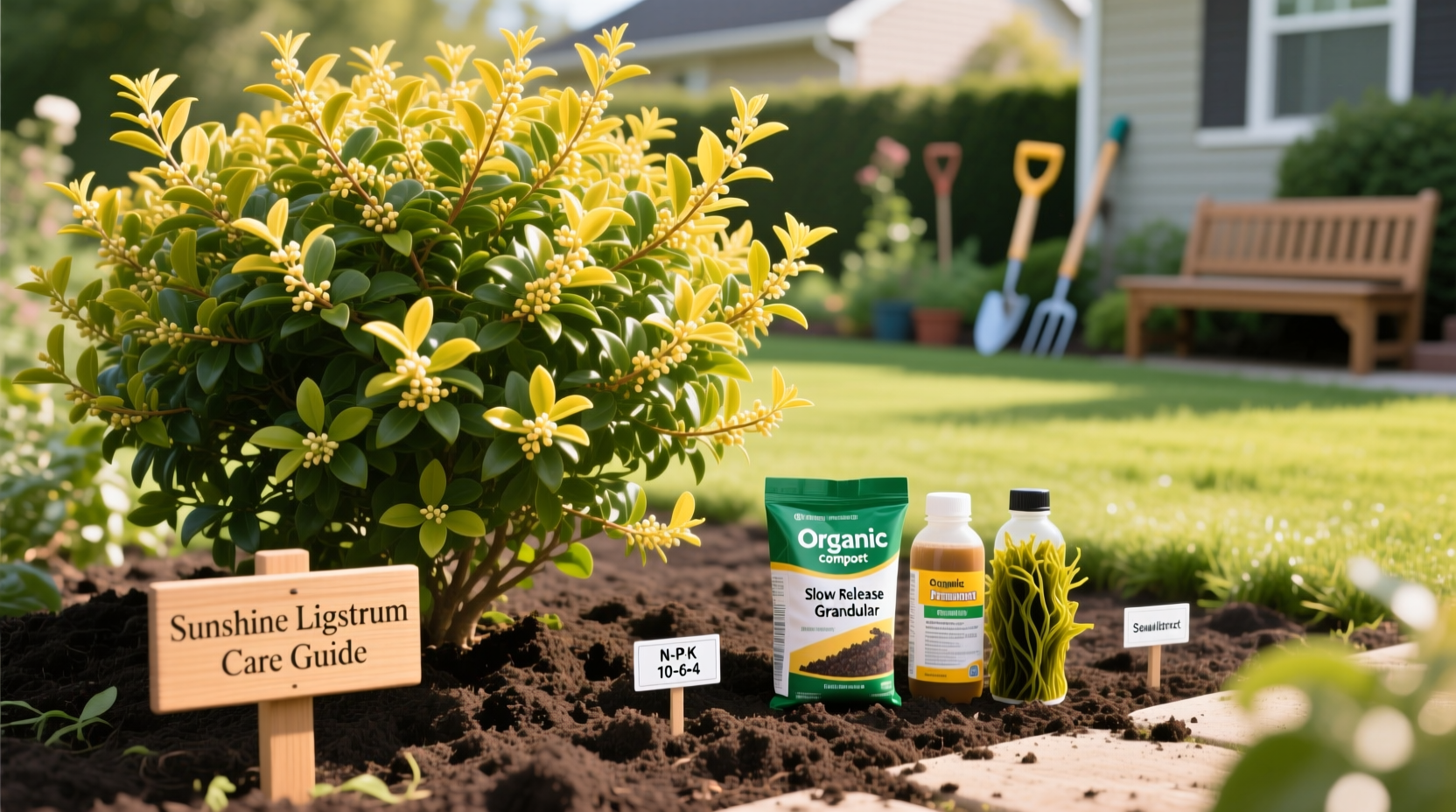
Sunshine ligustrum thrives when it receives a balanced supply of macronutrients—nitrogen (N), phosphorus (P), and potassium (K)—along with essential micronutrients like iron, magnesium, and manganese. Each plays a distinct role:
- Nitrogen (N): Promotes lush, rapid foliage growth and maintains the plant’s signature yellow hue. Too little nitrogen results in pale leaves; too much can encourage excessive, weak growth vulnerable to pests.
- Phosphorus (P): Supports root development and energy transfer within the plant. Important during planting and early establishment phases.
- Potassium (K): Enhances disease resistance, drought tolerance, and overall hardiness. It also helps regulate water uptake and metabolic functions.
In addition to NPK, sunshine ligustrum benefits from secondary nutrients such as calcium, sulfur, and magnesium. Magnesium, in particular, is crucial for chlorophyll production—even though the leaves are yellow, they still perform photosynthesis efficiently when properly nourished.
“Sunshine ligustrum’s vivid color is a sign of health, not deficiency—but only if the plant receives balanced nutrition. Skimping on micronutrients can mute its brilliance over time.” — Dr. Alan Reyes, Horticulturist & Landscape Consultant
Choosing Between Organic and Synthetic Fertilizers
The debate between organic and synthetic fertilizers comes down to release speed, soil health impact, and ease of use. Both have merit, but your choice should align with your gardening philosophy and timeline for results.
| Factor | Organic Fertilizers | Synthetic Fertilizers |
|---|---|---|
| Nutrient Release | Slow, gradual release over weeks or months | Fast-acting, available immediately |
| Soil Health Impact | Improves soil structure and microbial activity | No long-term soil benefits; can degrade overuse |
| Risk of Burn | Very low | Moderate to high if over-applied |
| Best For | Long-term maintenance, eco-conscious gardens | Quick greening, correcting deficiencies |
| Examples | Compost, fish emulsion, cottonseed meal, bone meal | 10-10-10 granular, slow-release polymer-coated blends |
For new plantings or rejuvenating older shrubs, an organic approach builds sustainable fertility. However, if your ligustrums show signs of nutrient deficiency—such as fading color or slow growth—a controlled-release synthetic fertilizer can deliver a reliable boost without frequent reapplication.
Tip: Combine both approaches—use compost as a base and supplement with a half-strength synthetic feed in spring for optimal results.Timing and Frequency of Fertilization
When you fertilize matters as much as what you use. Sunshine ligustrum grows most actively in spring and early summer, making this the ideal window for nutrient application. Feeding too late in the season—especially after August—can stimulate tender new growth that won’t harden before winter, increasing frost damage risk.
A general fertilization schedule looks like this:
- Early Spring (March–April): Apply the first round as new growth emerges. This supports leaf development and root expansion.
- Mid-Spring to Early Summer (May–June): Second application, especially if using quick-release formulas or noticing slower growth.
- Optional Late Summer (July only): Only if plants look weak and no frost is expected for at least 10 weeks. Avoid nitrogen-heavy feeds.
Slow-release fertilizers typically require only one or two applications per year, depending on formulation. Always follow label instructions for dosage based on shrub size and age.
Real Example: Reviving a Dull Hedge
A homeowner in zone 8 noticed her once-bright sunshine ligustrum hedge had turned muddy green and grown sparsely over two years. After a soil test revealed low nitrogen and compacted clay soil, she aerated around the roots and applied a 12-6-8 slow-release granular fertilizer in April. She followed up with a light layer of compost tea in June. By mid-summer, the foliage regained its golden luster, and new growth filled in gaps within the hedge. The key was timely feeding combined with improved soil conditions.
Soil Testing: The Foundation of Smart Fertilizing
Before applying any fertilizer, conduct a soil test. Many gardeners assume their plants need nitrogen when the real issue is pH imbalance or nutrient lockout. Sunshine ligustrum prefers slightly acidic to neutral soil (pH 6.0–7.0). Outside this range, even ample nutrients become unavailable to the plant.
A basic soil test kit or lab analysis will reveal:
- pH level
- Current levels of N, P, K
- Micronutrient availability
- Organic matter content
If your soil is alkaline (above pH 7.5), consider adding sulfur or organic mulch like pine bark to gently lower pH. In highly acidic soils, a small amount of lime may be needed—though this is rare in regions where ligustrum thrives.
Tip: Test your soil every 2–3 years, especially if you notice declining plant vigor or discoloration despite regular feeding.Fertilizer Application Checklist
To ensure effective and safe fertilization, follow this step-by-step checklist:
- Conduct a soil test to determine current nutrient levels and pH.
- Choose a balanced fertilizer with a ratio like 10-10-10, 12-6-8, or an organic equivalent.
- Apply in early spring as new growth begins; avoid fall feeding.
- Water the shrubs thoroughly before and after application to prevent root burn.
- Spread granular fertilizer evenly around the drip line, not against the trunk.
- For liquid fertilizers, apply according to dilution instructions, ideally in the morning.
- Top-dress with compost or mulch to retain moisture and slowly release nutrients.
- Monitor plants for 2–3 weeks for signs of over-fertilization (leaf browning, wilting).
Frequently Asked Questions
Can I use lawn fertilizer on sunshine ligustrum?
Not recommended. Lawn fertilizers often contain herbicides (like atrazine or 2,4-D) that can damage broadleaf ornamentals. They’re also high in nitrogen with little phosphorus or potassium, which can lead to leggy growth and reduced hardiness in shrubs.
Why are my sunshine ligustrum leaves turning green?
Some greening is normal in deep shade or cooler temperatures, but widespread loss of yellow color often indicates excess nitrogen or insufficient sunlight. Ensure the plant gets at least 4–6 hours of direct sun daily and reduce high-nitrogen feeds.
How do I fix fertilizer burn?
If leaves turn brown at the edges or drop prematurely, flush the soil with abundant water to leach out excess salts. Stop fertilizing for at least 6–8 weeks and focus on hydration and shade protection until recovery.
Final Thoughts and Action Plan
Choosing the best fertilizer for sunshine ligustrum isn’t about finding a single miracle product—it’s about creating consistent growing conditions that support vibrant health. Start with a soil test, select a balanced formula tailored to your results, and apply it at the right time of year. Whether you prefer organic amendments or precision synthetic blends, the goal remains the same: strong roots, radiant foliage, and a resilient shrub that enhances your landscape for years.
Don’t guess—test, observe, and adjust. Your sunshine ligustrums will respond quickly to proper care, rewarding you with a glowing, eye-catching presence in your garden.
💬 Have success with a specific fertilizer on your sunshine ligustrum? Share your experience in the comments to help fellow gardeners grow brighter, healthier shrubs!








