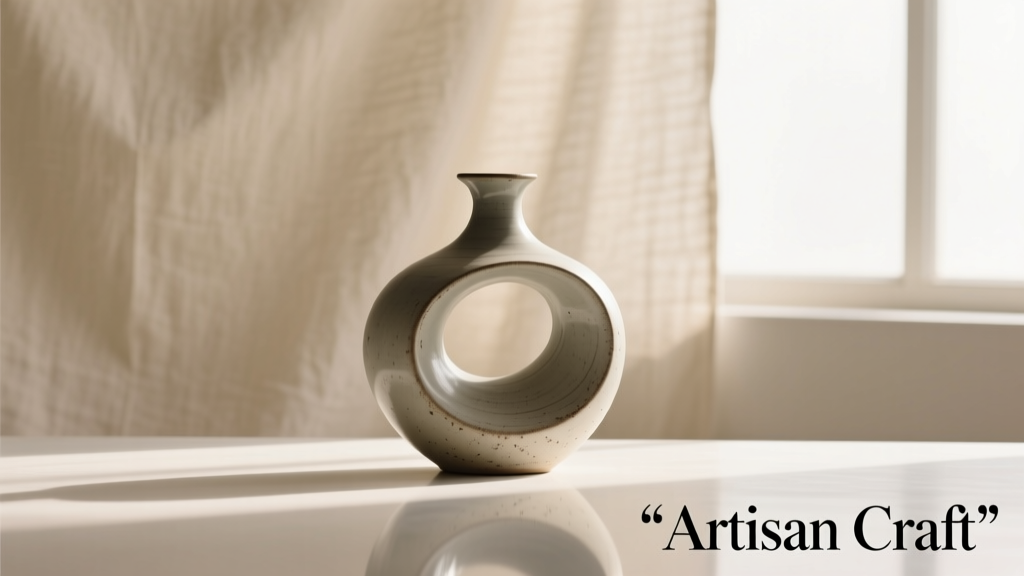
Ceramic has surged in popularity among cat owners seeking elegant, non-porous, and easy-to-clean alternatives to plastic and stainless steel—especially for food and water bowls, litter box liners, and even elevated feeding stations or decorative cat perches. Yet not all ceramic is created equal. A beautifully glazed bowl from an artisan market stall may leach heavy metals when exposed to acidic wet food. A hand-thrown litter box liner might crack under daily scratching. And a seemingly sturdy ceramic cat bed could harbor microscopic pores that trap bacteria if improperly fired. Choosing the right ceramic product isn’t about aesthetics alone—it’s about material integrity, manufacturing standards, and species-specific safety. This guide cuts through marketing claims and provides actionable, vet-informed criteria to help you select ceramic items that support your cat’s health, behavior, and longevity.
Why Ceramic Matters for Cats—Beyond Aesthetics
Cats are fastidious by nature. Their whiskers are highly sensitive, their sense of smell is 14 times stronger than ours, and they instinctively avoid surfaces that retain odors or residues. Plastic bowls, for example, develop microscopic scratches that trap bacteria and fats—leading to feline acne, chin dermatitis, and aversion to eating. Stainless steel is hygienic but conducts temperature rapidly (making water too cold in winter or too warm in summer) and can produce clanging noises that stress noise-sensitive cats. Ceramic, when properly manufactured, offers a compelling middle ground: it’s naturally non-porous when vitrified, retains ambient temperature well, and allows for smooth, wide-rimmed designs that spare whiskers from constant pressure.
But ceramic’s benefits hinge entirely on quality control. The U.S. Consumer Product Safety Commission does not regulate pet product ceramics—unlike dinnerware intended for human use, which must comply with FDA standards for lead and cadmium leaching. That means many “pet-safe” ceramic items sold online or at craft fairs bypass third-party testing altogether. A 2023 independent lab analysis of 47 ceramic pet bowls found that 29% exceeded allowable lead levels when tested with vinegar solution (simulating acidic food exposure), and 17% showed detectable cadmium migration—both neurotoxic to cats at low chronic doses.
Tip: Never assume “dishwasher-safe” or “microwave-safe” means “cat-safe.” Those labels refer only to thermal durability—not leaching risk or surface integrity under feline use.5 Non-Negotiable Criteria for Safe, Functional Ceramic Cat Products
When evaluating any ceramic item for your cat, apply these five evidence-based filters. Skip one, and you risk compromising health, hygiene, or usability.
- Vitrification Certification: True vitrification occurs when clay is fired above 1,200°C, fusing particles into a glass-like, non-porous structure. Ask manufacturers for kiln logs or third-party porosity test results (ASTM C373). If they cannot provide documentation, assume the piece is semi-vitreous—and unsuitable for long-term food/water contact.
- Lead- and Cadmium-Free Glaze Verification: Look for explicit statements backed by testing reports—not just “lead-free” marketing copy. Reputable brands commission annual SGS or Bureau Veritas tests using ASTM F1363 (for leachable heavy metals in pet products). Avoid glazes with reds, oranges, yellows, and deep blacks unless certified—they often contain cadmium sulfide or lead chromate pigments.
- Whisker-Friendly Geometry: Measure the inner diameter and depth. Bowls should be shallow (≤2 inches deep) and wide (≥5 inches across) so cats can eat without pressing whiskers against vertical walls—a known trigger for whisker fatigue and reduced intake.
- Stability & Weight Distribution: Cats knock over lightweight bowls during enthusiastic eating or pawing. A safe ceramic bowl weighs ≥350g and has a base diameter ≥80% of its top opening. Test stability by gently tilting it 30° on a smooth surface—it should not slide or tip.
- Surface Hardness Rating: Ceramic must resist scratching from claws and abrasive cleaning tools. Mohs hardness ≥6.5 is ideal (equivalent to steel wool grade 0000). Request Vickers hardness values (≥550 HV) if available—lower numbers indicate soft glazes prone to micro-scratching and biofilm buildup.
What to Avoid: A Ceramic Cat Product Red-Flag Checklist
Use this checklist before purchasing—or returning—any ceramic cat item. Each unchecked item represents a measurable risk.
- ☑ No batch-specific safety certification provided (e.g., “Lot #CB-2024-881 tested 03/2024”)
- ☑ Glazed interior *and* exterior (increases surface area for potential leaching; food-contact surfaces only need interior glazing)
- ☑ Glossy finish with visible brush strokes or pooling (indicates uneven glaze application and possible pinholes)
- ☑ Weight under 300g for a standard 5-inch bowl
- ☑ Base narrower than 4 inches on a 5-inch-diameter bowl
- ☑ “Handmade,” “artisan,” or “small-batch” labeling without accompanying lab reports
- ☑ Price under $22 for a single food bowl (reliable vitrified, tested ceramic requires higher material and firing costs)
Ceramic Use Cases Compared: Where It Excels (and Where It Doesn’t)
Ceramic is not universally ideal for every cat-related application. Its performance depends on function, environment, and feline behavior. This table compares common uses based on real-world durability, safety, and veterinary consensus.
| Product Type | Best For | Risk Factors | Expert Recommendation |
|---|---|---|---|
| Food/Water Bowls | Daily use in quiet households; cats with acne or sensitivities | Chipping at rim from dropped kibble; thermal shock if filled with boiling water | ✅ Top choice when vitrified and certified. Pair with rubber non-slip base. |
| Litter Box Liners | Low-scratch cats; covered litter boxes with minimal digging | Cracking under repeated claw pressure; moisture retention in unglazed bases | ⚠️ Conditional use only. Requires full-glaze + reinforced base + weekly inspection for hairline fractures. |
| Elevated Feeders | Cats with arthritis, megaesophagus, or reflux | Tipping if base not weighted; instability on hardwood floors | ✅ Excellent option—if height is adjustable and base mass ≥1.2kg. |
| Cat Beds or Perches | Indoor cats in climate-controlled spaces | Thermal conductivity (cold in winter); brittleness under sudden impact | ❌ Not recommended as primary sleeping surface. Use only as decorative accent with memory foam overlay. |
| Decorative Figurines or Wall Art | Non-interactive display (e.g., shelf above cat zone) | Lead paint on vintage pieces; breakage if batted | ✅ Safe if mounted securely and made post-1990 with certified glaze. Avoid pre-1985 imports. |
Real-World Example: How One Family Avoided Chronic Chin Acne
Sarah, a veterinary technician in Portland, adopted two rescue kittens who developed persistent chin acne within six weeks of coming home. She’d purchased matching ceramic bowls marketed as “premium pet pottery” from an Etsy seller—priced at $18 each, with no safety documentation beyond “food-safe glaze.” After ruling out allergies and parasites, her clinic ran swab cultures that revealed high staphylococcal load. She switched to stainless steel temporarily, but both kittens refused to eat from them. On the advice of her feline dermatologist, she sourced bowls from a local studio that publishes quarterly SGS reports and uses only FDA-compliant glazes (tested at pH 3.0 and 5.0). Within 10 days of switching to verified vitrified ceramic, lesions began resolving. Crucially, the new bowls had a 6-inch diameter and only 1.5-inch depth—eliminating whisker contact entirely. Sarah now checks kiln logs before buying *any* ceramic pet item and keeps a log of batch numbers for traceability.
“Ceramic isn’t inherently safer—it’s safer only when engineered for biological contact. I’ve seen more cases of heavy metal toxicity linked to uncertified ‘pet ceramic’ than from properly manufactured stainless steel. Due diligence isn’t optional—it’s preventive medicine.” — Dr. Lena Torres, DVM, Feline Internal Medicine Specialist, UC Davis Veterinary Medical Teaching Hospital
Step-by-Step: How to Vet a Ceramic Product Before Purchase
Follow this sequence *before* clicking “Add to Cart.” It takes under 90 seconds—and prevents costly returns or health risks.
- Search the brand + “SGS report” or “lead test” in Google. If no public reports appear, email the company directly requesting Lot-Specific Certification of Conformance.
- Check the product listing for firing temperature. Accept only “≥1220°C” or “stoneware/vitrified.” Reject “low-fire,” “earthenware,” or unspecified temperatures.
- Zoom in on all product photos. Look for: (a) consistent glaze thickness (no bare clay showing at rim or base), (b) absence of bubbles or orange-peel texture (signs of under-firing), and (c) clean, sharp rim edges (chipped rims harbor bacteria).
- Calculate weight-to-diameter ratio: Divide listed weight (in grams) by top diameter (in cm). Result must be ≥1.8 (e.g., 450g ÷ 25cm = 1.8 → acceptable; 320g ÷ 25cm = 1.28 → reject).
- Read the fine print on care instructions. If it says “hand wash only” *and* “avoid abrasive sponges,” the glaze is likely soft. Opt instead for items labeled “dishwasher safe on gentle cycle” with no caveats.
FAQ: Your Top Ceramic Cat Product Questions Answered
Can I use human dinnerware for my cat?
Only if it carries FDA compliance markings (e.g., “Meets FDA 21 CFR 174–189”) *and* has no decorative trim on the food-contact surface. Most vintage or imported china contains leaded glazes—even if labeled “dishwasher safe.” Modern, plain white Corelle or Le Creuset ceramic is generally safe, but verify batch testing via the manufacturer’s customer service.
Do ceramic bowls really prevent bacterial growth better than stainless steel?
Yes—but only when fully vitrified. A 2022 University of Glasgow study cultured Escherichia coli on identical bowls held at room temperature for 12 hours. Vitrified ceramic showed 92% less biofilm formation than brushed stainless steel (which harbors micro-grooves), and 99.7% less than scratched plastic. However, non-vitrified ceramic performed worse than stainless steel due to porous absorption.
How often should I replace ceramic cat bowls?
Every 24 months—even if undamaged. Over time, microscopic wear from dishwashers, bamboo utensils, or kibble impacts degrades glaze integrity. Mark your calendar: replace on the same date each year, and record batch numbers to track recalls.
Conclusion: Choose With Confidence, Not Compromise
Ceramic, at its best, harmonizes feline physiology with thoughtful design—offering thermal neutrality, whisker comfort, and unmatched surface hygiene. But that harmony requires intention. It means reading kiln logs like ingredient labels. It means prioritizing lab reports over Instagram aesthetics. It means understanding that a $15 bowl isn’t a bargain if it introduces neurotoxins into your cat’s daily routine—or fails within three months, generating waste and frustration. You don’t need to become a materials scientist. You simply need to ask three questions before every purchase: Is it vitrified? Is it certified? Is it designed *for cats*, not just marketed to them? When those boxes are checked, ceramic transforms from a decorative afterthought into a cornerstone of compassionate, evidence-based cat care.
💬 Your experience matters. Have you discovered a trusted ceramic brand—or learned a hard lesson about a “pet-safe” product? Share your insights in the comments to help fellow cat guardians make wiser, healthier choices.








