
A high platelet count, also known as thrombocytosis, occurs when the blood contains more than 450,000 platelets per microliter. While platelets are essential for blood clotting and wound healing, an excessive number can increase the risk of abnormal clotting or, paradoxically, bleeding. Thrombocytosis is not a disease in itself but rather a sign of an underlying condition. Understanding what causes this elevation is critical for proper diagnosis and management.
Understanding Platelets and Their Role
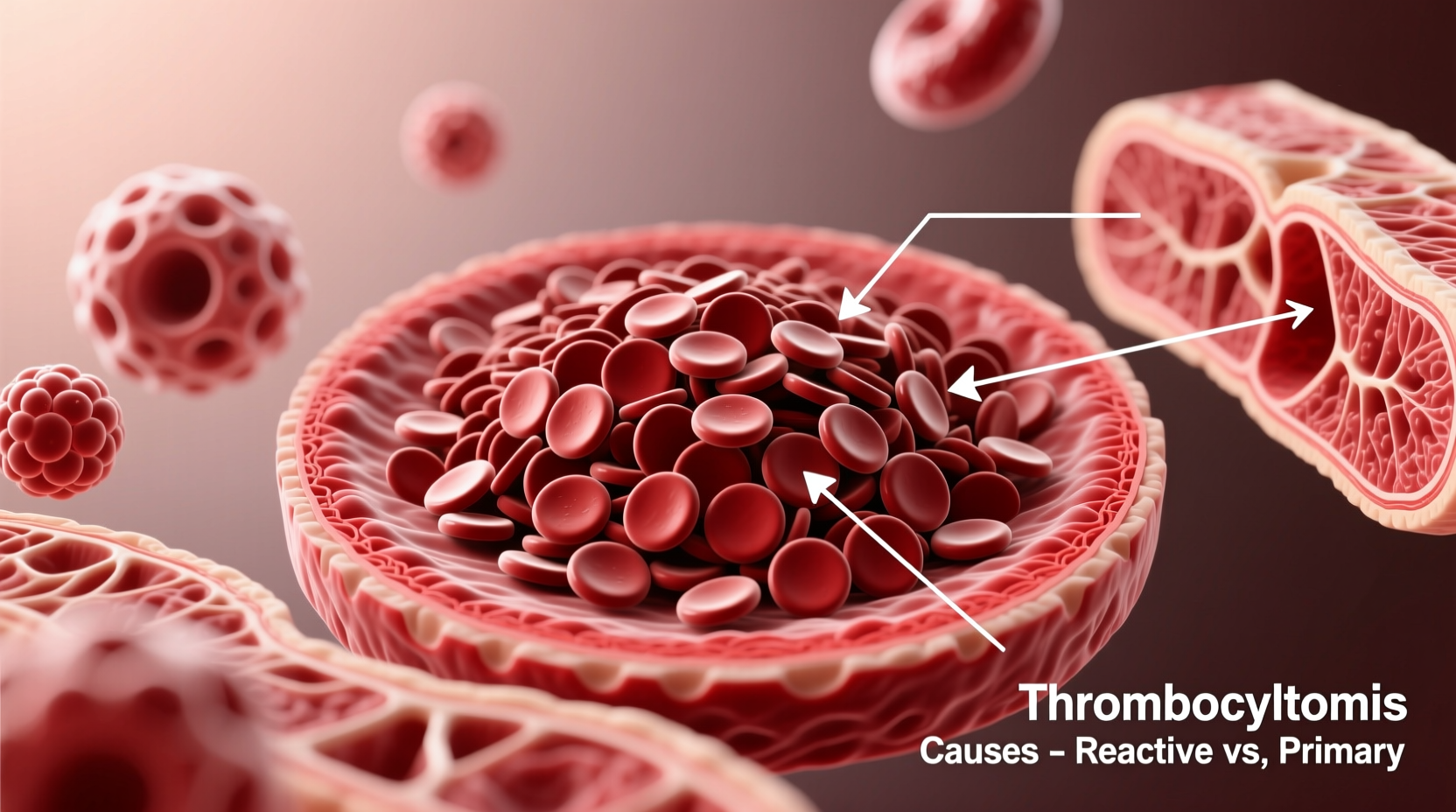
Platelets—also called thrombocytes—are small cell fragments produced in the bone marrow by megakaryocytes. They circulate in the bloodstream and play a vital role in hemostasis: when a blood vessel is injured, platelets adhere to the site, aggregate, and help form a clot to stop bleeding.
The normal platelet range is typically between 150,000 and 450,000 per microliter of blood. When levels exceed this threshold, it may be classified as mild, moderate, or severe thrombocytosis. The distinction between reactive (secondary) and primary (clonal) thrombocytosis determines both cause and treatment approach.
Tip: A single elevated platelet count does not always indicate a serious problem—always consider clinical context and repeat testing if needed.Primary vs. Secondary Thrombocytosis: Key Differences
The most crucial step in evaluating a high platelet count is determining whether it is reactive (secondary) or due to a bone marrow disorder (primary).
- Reactive (Secondary) Thrombocytosis: This is far more common and occurs as a response to another condition such as infection, inflammation, iron deficiency, surgery, or cancer. It is usually temporary and resolves when the underlying issue is treated.
- Primary (Clonal) Thrombocytosis: Caused by a genetic mutation leading to overproduction of platelets in the bone marrow. The most common conditions include essential thrombocythemia (ET), polycythemia vera, and other myeloproliferative neoplasms (MPNs).
Unlike reactive cases, primary thrombocytosis carries a lifelong risk of clotting or bleeding complications and often requires long-term monitoring or medication.
“Not all high platelet counts are created equal. Distinguishing reactive from clonal causes prevents unnecessary anxiety and ensures appropriate care.” — Dr. Linda Chen, Hematologist at Boston Medical Center
Common Causes of Thrombocytosis
Below is a breakdown of major contributors to elevated platelet levels:
1. Infection and Inflammation
Bacterial, viral, or fungal infections stimulate the immune system, prompting increased platelet production. Chronic inflammatory diseases like rheumatoid arthritis, Crohn’s disease, or sarcoidosis are frequent culprits.
2. Iron Deficiency Anemia
This is one of the most overlooked causes of secondary thrombocytosis. Low iron stores disrupt normal erythropoiesis and indirectly stimulate thrombopoietin activity, leading to platelet overproduction. Women with heavy menstrual bleeding are particularly susceptible.
3. Post-Surgical or Traumatic Recovery
Surgery, burns, or trauma can trigger a transient spike in platelets as part of the body’s healing response. Counts often normalize within weeks.
4. Malignancy
Certain cancers—especially gastrointestinal, lung, ovarian, and lymphomas—can secrete cytokines that promote platelet production. Thrombocytosis may even precede the cancer diagnosis, making it a potential early biomarker.
5. Myeloproliferative Neoplasms (MPNs)
These are rare disorders involving genetic mutations in bone marrow stem cells. Essential thrombocythemia (ET), characterized by the JAK2, CALR, or MPL mutations, leads to sustained platelet overproduction independent of external triggers.
| Cause Type | Examples | Duration | Treatment Focus |
|---|---|---|---|
| Reactive | Infection, surgery, iron deficiency | Temporary | Treat underlying cause |
| Primary | Essential thrombocythemia, MPNs | Chronic | Medication, monitoring |
| Malignancy-Related | Lung, GI cancers | Variable | Oncology-directed care |
Diagnosing the Cause: A Step-by-Step Approach
Determining why platelet counts are elevated involves a systematic evaluation:
- Confirm the elevation: Repeat the complete blood count (CBC) to rule out lab error or transient spikes.
- Review medical history: Assess for recent illness, surgery, bleeding, or symptoms like fatigue, night sweats, or weight loss.
- Physical examination: Check for enlarged spleen, signs of inflammation, or malignancy.
- Initial blood tests: Include iron studies (ferritin, TIBC), inflammatory markers (CRP, ESR), and renal/liver function.
- Genetic testing: If primary thrombocytosis is suspected, test for JAK2 V617F, CALR, and MPL mutations.
- Bone marrow biopsy: Reserved for ambiguous cases or when MPN is strongly suspected.
Imaging studies may also be warranted if occult malignancy is a concern—especially in older patients with unexplained thrombocytosis.
Tip: Always check ferritin levels—even in the absence of anemia—as iron deficiency can drive platelet elevation without obvious red blood cell changes.Real-World Example: A Case of Misdiagnosed Fatigue
Sarah, a 48-year-old teacher, visited her doctor complaining of fatigue and occasional dizziness. Her CBC showed a platelet count of 680,000/μL. At first glance, essential thrombocythemia was suspected. However, further testing revealed a very low ferritin level of 8 ng/mL. After starting iron supplementation for undiagnosed iron deficiency due to menorrhagia, her platelet count normalized within three months. No genetic mutations were found, and she avoided unnecessary long-term medication.
This case underscores the importance of not jumping to conclusions with high platelet counts. A methodical workup prevented a misdiagnosis and inappropriate treatment.
Actionable Checklist for Patients and Providers
If you or your patient has a high platelet count, follow this checklist to ensure thorough evaluation:
- ✅ Repeat CBC to confirm persistent thrombocytosis
- ✅ Order iron studies (serum ferritin, iron, TIBC)
- ✅ Evaluate for signs of infection or inflammation (CRP, ESR)
- ✅ Review medications (e.g., epinephrine, corticosteroids can elevate platelets)
- ✅ Assess personal/family history of blood disorders or clotting events
- ✅ Consider age and risk factors for malignancy
- ✅ Test for JAK2, CALR, MPL if primary thrombocytosis is suspected
- ✅ Refer to a hematologist if diagnosis remains unclear or MPN is likely
Frequently Asked Questions
Can stress cause a high platelet count?
Acute stress may temporarily increase platelet activity and count due to catecholamine release, but it rarely causes sustained thrombocytosis. Chronic stress-related inflammation could contribute indirectly, but it’s not a direct cause.
Do high platelets always require treatment?
No. Most cases of reactive thrombocytosis do not require antiplatelet therapy. Treatment is considered only in primary thrombocytosis with high-risk features (age >60, prior clotting, certain mutations) or if platelet counts exceed 1,000,000 with symptoms.
Can children have thrombocytosis?
Yes. In children, reactive causes like infection or inflammation are overwhelmingly common. Primary thrombocytosis is extremely rare in pediatric populations.
Conclusion: Taking Control of Your Health
A high platelet count can be alarming, but in most cases, it reflects a manageable or temporary condition. The key is thoughtful investigation—not panic. Whether due to iron deficiency, infection, or a rarer bone marrow disorder, identifying the root cause allows for targeted intervention. Never ignore persistent elevations, but also avoid self-diagnosing serious illness based on a single lab result.
If you’ve been told you have thrombocytosis, take an active role: ask questions, request relevant tests, and seek a specialist if needed. With the right approach, most people with elevated platelets go on to live healthy, uncomplicated lives.
🚀 Have you or a loved one experienced unexplained high platelet counts? Share your story in the comments—your experience could help others navigate their diagnosis.








