Choosing the right flooring when you have large dogs isn’t just about aesthetics—it’s a long-term investment in durability, comfort, and home value. Hardwood has long been prized for its elegance and timeless appeal, but it comes with vulnerabilities, especially under the constant traffic of heavy paws. Luxury vinyl plank (LVP), on the other hand, promises resilience, water resistance, and scratch resistance—claims that sound almost too good to be true for pet owners. So, is LVP truly scratch-proof for big dogs? And how does it stack up against hardwood in real-life conditions?
This guide breaks down the key differences between hardwood and LVP, evaluates their performance under dog-related wear and tear, and provides practical insights from homeowners and flooring experts. Whether you're renovating or building new, understanding these materials will help you make an informed decision that balances beauty, function, and peace of mind.
Durability Showdown: Hardwood vs. Luxury Vinyl Plank
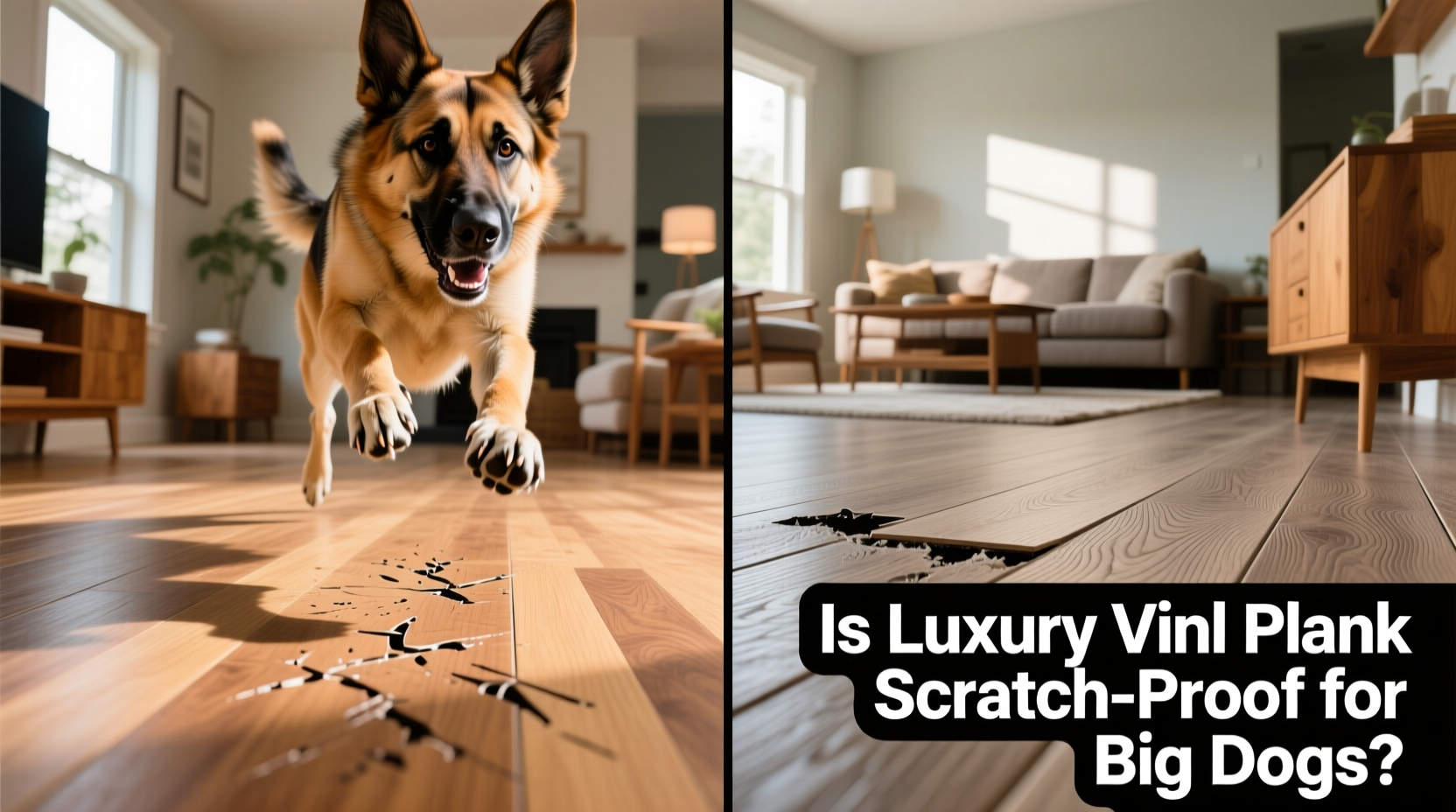
When comparing hardwood and LVP, durability is the most critical factor for homes with large, active dogs. Dogs weighing 50 pounds or more generate significant impact with each step, and claws can gouge softer surfaces over time. Let's examine how each material holds up.
Hardwood Flooring: Solid hardwood is made from real wood species like oak, maple, or hickory. While beautiful, it’s inherently susceptible to scratches, dents, and moisture damage. Even with protective finishes, repeated paw traffic—especially from dogs that run, slide, or dig at doors—can leave visible marks within months. Refinishing is possible, but it’s costly and disruptive, typically limited to three to five times over the floor’s lifespan.
Luxury Vinyl Plank (LVP): LVP is a synthetic flooring product engineered with multiple layers: a rigid core (often WPC or SPC), a printed design layer mimicking wood grain, and a clear wear layer on top. The wear layer is the key to scratch resistance. High-quality LVP features a 20-mil or thicker wear layer, which acts as armor against abrasions, scuffs, and minor impacts. Unlike hardwood, LVP doesn’t dent easily and won’t warp from spilled water or muddy paws.
Tip: Look for LVP with a wear layer of 20 mil or higher if you have large, active dogs. Thicker wear layers significantly improve scratch resistance.The Truth About “Scratch-Proof” Claims
No flooring is completely scratch-proof—not even LVP. Marketing terms like “scratch-resistant” or “pet-proof” are common, but they don’t mean immunity. What they do mean is significantly improved resistance compared to traditional materials.
LVP resists scratches from everyday use, including pet nails, furniture movement, and dropped objects. However, sharp claws caught at an angle, dragging heavy toys, or a dog digging aggressively at a door can still cause surface damage. The difference is that such marks are far less likely and usually less severe than on hardwood.
“While no floor is indestructible, modern LVP performs exceptionally well under pet stress. The wear layer technology has evolved to handle real-world abuse better than any natural wood.” — Marcus Reed, Certified Floor Technician & Industry Consultant
Water Resistance and Cleanability
Dogs bring messes: wet fur, tracked-in mud, and occasional accidents. How flooring handles moisture is crucial.
Hardwood is highly vulnerable to water. Even small spills left unattended can lead to cupping, warping, or staining. Cleaning requires caution—damp mopping is acceptable only with manufacturer-approved products, and steam mops are strictly off-limits. For homes with puppies or senior dogs prone to leaks, hardwood poses a constant risk.
LVP, by contrast, is fully waterproof when properly installed. Spills sit on the surface and can be wiped away instantly. Most brands allow for safe use of damp mops, and some even tolerate steam cleaning (check manufacturer guidelines). This makes LVP not only safer for homes with pets but also easier to maintain day-to-day.
| Feature | Hardwood | Luxury Vinyl Plank (LVP) |
|---|---|---|
| Scratch Resistance | Low to moderate (varies by species and finish) | High (depends on wear layer thickness) |
| Dent Resistance | Poor (susceptible to heel marks and paw dents) | Excellent (rigid core resists indentation) |
| Water Resistance | None (can warp or stain) | Full (waterproof when sealed) |
| Cleanability | Delicate (limited moisture use) | Easy (wipeable, mop-safe) |
| Lifespan (with pets) | 10–15 years before refinishing needed | 15–25 years (no refinishing) |
| Refinishing Options | Yes (3–5 times) | No (surface cannot be sanded) |
Real-World Performance: A Case Study
Sarah Thompson, a homeowner in Austin, Texas, replaced her white oak floors with 5.5-inch wide LVP after her two German Shepherds turned her once-pristine living room into a network of scratches and dents. “I loved the look of hardwood,” she said, “but within a year, the floors looked tired. The dogs love to sprint across the room, and their nails just tore into the finish.”
She chose a high-end LVP with a 22-mil wear layer and embossed texture to mimic hand-scraped oak. It’s been three years since installation. “There are a few tiny scuffs near the back door where one dog scratches to go out, but nothing deep. I wipe up accidents immediately, and the floor looks nearly new. I’d never go back to hardwood with big dogs.”
Her experience reflects a growing trend: pet owners prioritizing performance without sacrificing style. Modern LVP convincingly replicates the warmth and grain variation of real wood, making the trade-off less noticeable than in previous generations of vinyl.
Installation and Long-Term Maintenance
Proper installation plays a major role in how well either flooring type performs over time—especially with pets.
Hardwood must be nailed or glued down, requiring acclimation and precise subfloor preparation. Gaps or unevenness can lead to squeaks or weak spots where dogs jump or slide. Once installed, maintenance includes regular dust mopping, immediate spill cleanup, and periodic recoating every few years to preserve the finish.
LVP offers more flexibility. It can be glued, floated, or locked into place (depending on type), often over existing flooring. Floating installations require underlayment and attention to expansion gaps, but they’re faster and less invasive. Because LVP doesn’t need refinishing, long-term care is simpler: sweep regularly, mop with mild cleaner, and avoid abrasive scrubbing pads.
Tip: Use felt pads under furniture legs and trim your dog’s nails monthly to minimize surface abrasion on both hardwood and LVP.Step-by-Step Guide: Choosing Pet-Friendly Flooring
- Evaluate your dog’s behavior: Does your dog run indoors? Dig at doors? Shed mud frequently? Active breeds demand tougher flooring.
- Assess your lifestyle: Are you willing to refinish hardwood every 7–10 years? Do you prefer low-maintenance options?
- Compare wear layer specs: For LVP, prioritize 20 mil or higher. Check manufacturer warranties for pet coverage.
- Test samples at home: Place LVP and hardwood swatches on the floor and simulate dog traffic with keys or coins to test scratch visibility.
- Consult a professional installer: Ensure proper subfloor prep and edge sealing, especially in high-traffic zones.
Expert Tips for Maximizing Floor Longevity
- Use area rugs strategically: Place washable runners in hallways, near food bowls, and at entry points to absorb impact and trap dirt.
- Install door mats: Both inside and outside entrances reduce grit and moisture tracked in by paws.
- Choose textured finishes: Matte or embossed LVP hides scratches better than glossy, smooth surfaces.
- Avoid cheap vinyl: Budget LVP with thin wear layers (under 12 mil) may yellow or scratch quickly under pet stress.
- Train your dog: Discourage scratching at doors with positive reinforcement or install a doggie door flap to reduce frustration-based digging.
“The best flooring for pets isn’t just about material—it’s about managing the environment. Combine smart choices with good habits, and your floors will last.” — Lena Park, Home Design Specialist & Pet Owner
Frequently Asked Questions
Can my dog’s nails scratch luxury vinyl plank?
Yes, but much less likely than on hardwood. Surface scratches can occur if nails are very sharp or if the dog digs repeatedly in one spot. Regular nail trims and using a thick wear layer (20+ mil) greatly reduce risk.
Is luxury vinyl plank safe for dogs with allergies?
Yes. LVP is non-porous and doesn’t harbor dust mites, mold, or allergens like carpet. Its easy cleanability makes it ideal for homes with allergy-prone pets or family members.
Can I refinish LVP like hardwood?
No. LVP cannot be sanded or refinished. If the wear layer is compromised, the plank must be replaced. This is why selecting a durable product upfront is essential.
Conclusion: Making the Right Choice for You and Your Dog
The debate between hardwood and luxury vinyl plank ultimately comes down to priorities. If you value authenticity, resale appeal, and don’t mind ongoing maintenance, hardwood remains a classic choice—provided you accept its limitations with large dogs. But if you want a floor that stands up to daily chaos without constant vigilance, LVP is the smarter, more resilient option.
Modern LVP isn’t just functional; it’s stylish, quiet underfoot, and increasingly indistinguishable from real wood. When backed by a strong wear layer and proper care, it delivers real-world performance that hardwood simply can’t match in active households.
You don’t have to sacrifice beauty for durability. With thoughtful selection and preventive habits, you can enjoy a home that looks great and withstands the joyful messiness of life with big dogs.
💬 Have a large dog and recently switched flooring? Share your experience in the comments—your story could help another pet owner make a confident decision!








