For decades, hardwood flooring has reigned supreme in home design—symbolizing elegance, permanence, and value. But a challenger has emerged: luxury vinyl plank (LVP). Once dismissed as a cheap alternative, LVP has evolved dramatically. Today, it mimics hardwood so convincingly that even seasoned designers pause to inspect. The question isn’t just about cost anymore—it’s about perception. Is LVP still considered tacky, or has it become the new standard for modern living?
This article dives deep into the hardwood versus LVP debate, examining aesthetics, durability, installation, maintenance, resale impact, and shifting consumer attitudes. Whether you're renovating, building new, or simply curious, understanding this evolution is key to making informed decisions.
The Evolution of Luxury Vinyl Plank
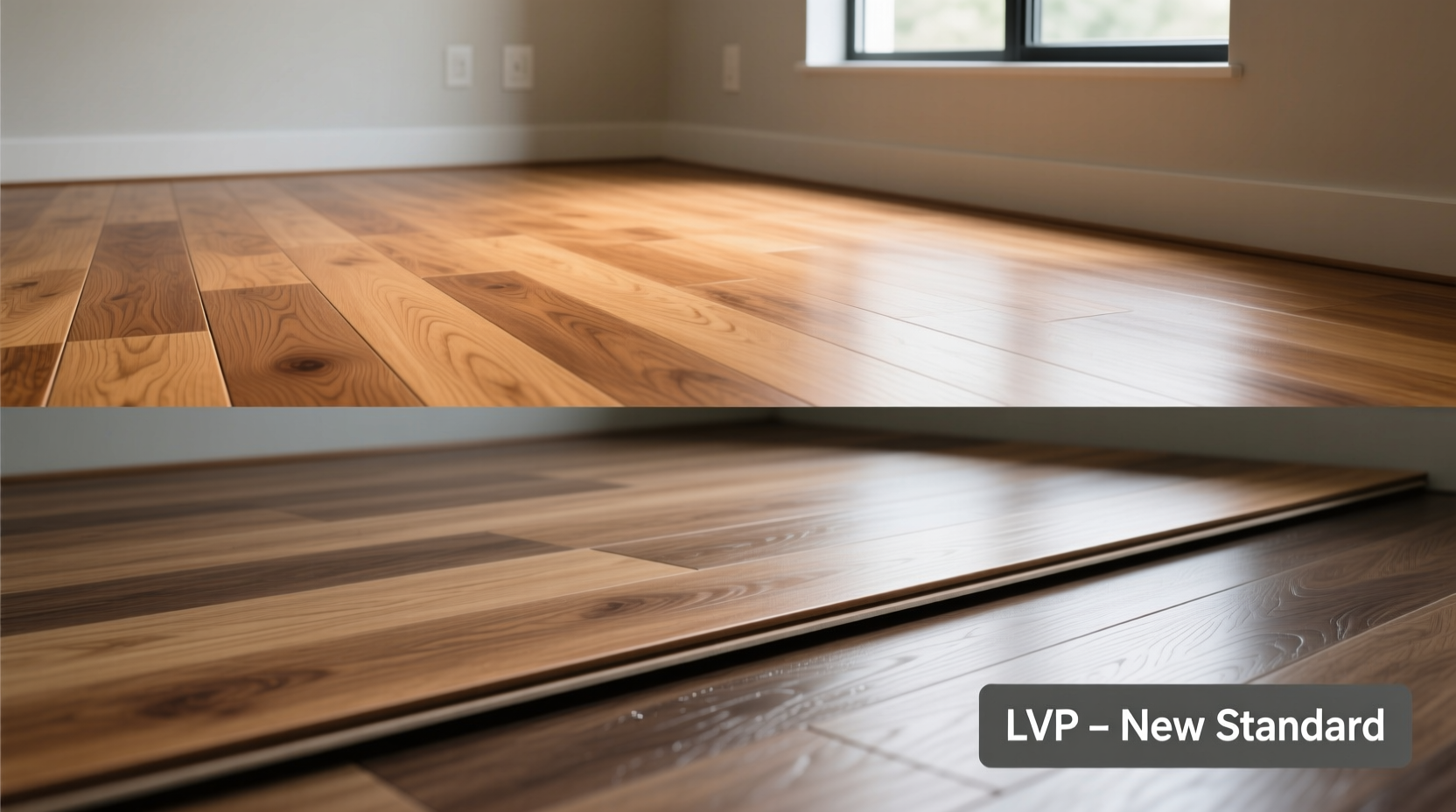
Luxury vinyl plank didn’t start with high-end finishes or realistic wood grain textures. Early versions of vinyl flooring were thin, shiny, and clearly artificial. They yellowed over time, dented easily, and were often associated with rental units or budget-conscious homeowners. That legacy still lingers in some perceptions.
But over the past 15 years, LVP has undergone a technological revolution. Advances in printing, embossing, and wear layer technology have transformed it into a premium product. Modern LVP features:
- High-definition photographic layers capturing authentic wood grain patterns
- Textured surfaces that mimic the feel of real wood, including knots and grain variation
- Waterproof cores made from rigid composite materials like SPC (stone plastic composite) or WPC (wood-plastic composite)
- Scratch-resistant wear layers rated up to 20 mils thick
- Click-lock installation systems that allow floating floors without glue or nails
Today’s top-tier LVP brands—such as Coretec, Shaw, Armstrong, and Mohawk—produce planks indistinguishable from real hardwood at a glance. In blind tests, many homeowners and even contractors struggle to tell the difference.
“Modern LVP isn’t just durable—it’s designed to age gracefully. With proper care, it can last 20+ years while maintaining its original appearance.” — Daniel Reyes, Senior Flooring Consultant, National Home Design Group
Hardwood vs LVP: A Side-by-Side Comparison
To understand where each material stands today, let’s compare them across critical categories.
| Category | Hardwood | Luxury Vinyl Plank (LVP) |
|---|---|---|
| Average Cost (per sq ft installed) | $8–$14 | $4–$9 |
| Water Resistance | Poor – susceptible to warping, cupping | Excellent – fully waterproof core |
| Durability (Scratch/Impact) | Moderate – can dent and scratch permanently | High – resistant to scratches and dents |
| Lifespan | 30–100+ years (with refinishing) | 15–25 years (no refinishing) |
| Maintenance | Regular sweeping; avoid moisture; occasional refinishing | Sweeping and damp mopping; no refinishing needed |
| Installation Complexity | High – requires nailing/gluing, subfloor prep | Low – DIY-friendly click-lock system |
| Resale Value Impact | Strong positive association | Neutral to slightly positive (varies by market) |
| Eco-Friendliness | Natural material; renewable if sustainably sourced | Synthetic; limited recyclability |
The data shows a clear trade-off: hardwood offers longevity and prestige, while LVP delivers practicality, affordability, and resilience. Neither is universally superior—the best choice depends on lifestyle, location, and priorities.
Tip: If you live in a humid climate or have pets and kids, LVP’s water resistance and durability may outweigh hardwood’s traditional appeal.Is LVP Still Considered Tacky?
The stigma around vinyl flooring persists, but it's increasingly outdated. Real estate agents report that buyers no longer assume LVP means low quality—especially when it’s installed well and paired with complementary design elements.
Consider this: high-end condos in coastal cities now feature LVP as a selling point due to its resistance to salt air and humidity. Basement apartments, bathrooms, and mudrooms—areas prone to moisture—are ideal for LVP. Even open-concept main floors are being finished with premium LVP that matches cabinetry and furniture tones seamlessly.
The shift is cultural as much as technical. Millennials and Gen Z homeowners prioritize function, sustainability, and flexibility over traditional markers of status. For them, a floor that withstands spills, scratches, and moving furniture without refinishing isn’t second-rate—it’s smart.
That said, not all LVP is created equal. Low-end products with thin wear layers, unrealistic prints, or poor edge sealing can still look cheap. The key is choosing a reputable brand with a thick wear layer (12 mil minimum, 20+ preferred), realistic embossing, and commercial-grade ratings if needed.
Real-World Example: The Charleston Renovation
In 2022, a historic Charleston bungalow underwent renovation. The owners wanted the warmth of hardwood but faced constant humidity and flood risks from nearby marshes. After consulting with a preservation architect and a flooring specialist, they chose a 7-inch wide oak-look LVP with a 20-mil wear layer and SPC core.
Visitors assumed it was engineered hardwood until they spilled wine during a housewarming—and watched it bead up on the surface. The owner later said, “We got the aesthetic we wanted without the anxiety. No one calls it ‘tacky.’ They ask where we bought it.”
This case illustrates how context and quality redefine perception. When performance meets design, the label “vinyl” fades into irrelevance.
When Hardwood Still Wins
Despite LVP���s rise, hardwood maintains advantages in specific areas.
Long-Term Investment: Solid hardwood can be sanded and refinished 3–5 times, extending its life for generations. This makes it ideal for homes intended as long-term family assets.
Prestige & Resale: In high-end markets—particularly urban centers and historic districts—real hardwood remains a benchmark of quality. Appraisers and luxury buyers still favor it.
Tactile Authenticity: Nothing replicates the subtle variations, temperature, and acoustic qualities of real wood. Underfoot, hardwood feels warmer and more responsive than even the best LVP.
However, engineered hardwood—a hybrid with a real wood veneer over plywood core—offers a middle ground. It’s more stable than solid wood, can be installed over concrete, and resists moisture better. But it’s still vulnerable to standing water and requires careful maintenance.
Tip: If you want the look and resale benefit of hardwood but need moisture resistance, consider high-quality engineered hardwood with an aluminum oxide finish.Choosing the Right Floor: A Step-by-Step Guide
Deciding between hardwood and LVP doesn’t have to be overwhelming. Follow this process to make a confident choice.
- Assess Your Lifestyle
Do you have pets, children, or high foot traffic? Are spills common? If yes, prioritize durability and cleanability—LVP excels here. - Evaluate the Space
Basements, bathrooms, and laundry rooms are risky for hardwood. LVP is safer and often code-compliant in moisture-prone areas. - Set Your Budget
Include installation, underlayment, and long-term maintenance. LVP typically costs 30–50% less upfront and requires less future investment. - Research Local Market Trends
In some regions, hardwood significantly boosts resale value. In others, modern LVP is equally accepted. Talk to local realtors. - Test Samples
Order physical samples of both materials. View them in your space at different times of day. Walk on them. Pour water on the LVP. Scratch both gently. - Check Warranty & Brand Reputation
Look for LVP with a lifetime residential warranty, stain protection, and fade resistance. For hardwood, check Janka hardness ratings and finish type.
FAQ
Can LVP increase home value?
Yes, but conditionally. High-quality LVP in good condition can maintain or slightly increase perceived value, especially in moisture-prone areas. However, it generally doesn’t add value the way hardwood does in premium markets.
Is LVP safe for families and pets?
Absolutely. Top-tier LVP is phthalate-free, low-VOC, and non-toxic. Its slip resistance and softness underfoot make it safer than hardwood for falls. It also won’t splinter or develop loose nails over time.
Can you install LVP over existing flooring?
Yes, in many cases. LVP can be installed over ceramic tile, vinyl, or plywood if the surface is flat, clean, and dry. Always follow manufacturer guidelines and use appropriate underlayment.
Final Verdict: Is LVP the New Standard?
LVP is no longer a compromise—it’s a legitimate alternative. While hardwood retains symbolic value, LVP has earned its place as a modern flooring standard for most households.
The idea that LVP is “tacky” reflects an old narrative. Today’s best products rival hardwood in appearance and surpass it in resilience. For renters, busy families, pet owners, and those in humid climates, LVP isn’t just acceptable—it’s optimal.
That doesn’t mean hardwood is obsolete. For heritage homes, luxury builds, or those seeking generational durability, nothing replaces the authenticity of real wood. But the gap has narrowed, and the choice is no longer binary.
The new standard isn’t one material over another—it’s making informed decisions based on need, not nostalgia. Whether you choose hardwood or LVP, the goal is the same: a beautiful, functional home that stands the test of time.
💬 Have experience with hardwood or LVP? Share your story or advice in the comments below—your insight could help someone make their next big flooring decision!