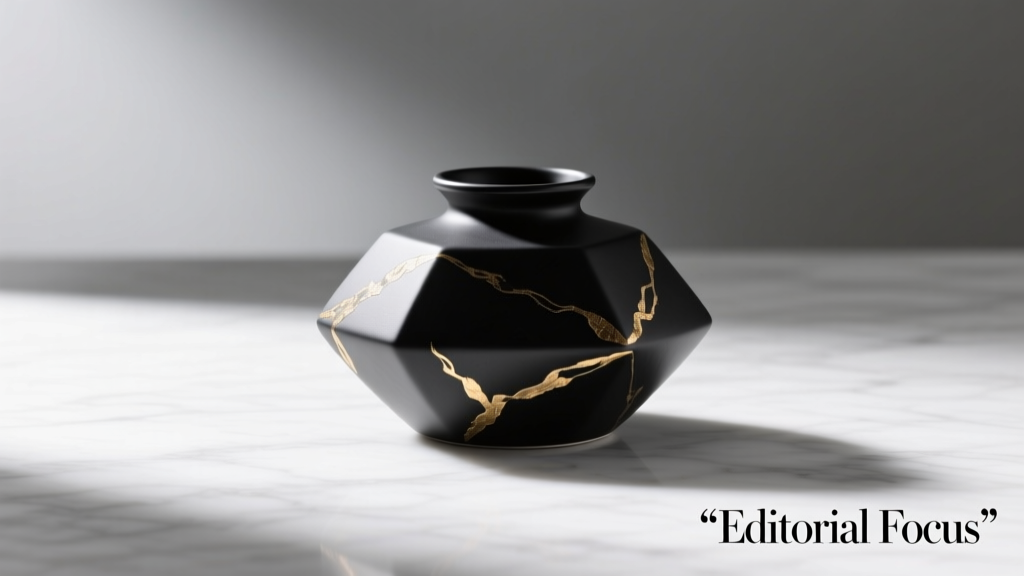
Types of Hand-Painted Bird Chests
A hand-painted bird chest is more than just a decorative or functional item—it's a carefully crafted space designed to support bird training, comfort, and interaction. Whether used in aviaries, birdhouses, or educational settings, these chests provide birds with a safe, engaging, and stimulating environment. The material used significantly affects durability, comfort, maintenance, and aesthetic appeal. Below is a detailed breakdown of the most common types available today.
Cotton-Padded Hand-Painted Bird Chests
These bird chests feature a soft cotton padding inside, offering a cozy and comfortable resting place for pigeons and small birds during training sessions.
Advantages
- Soft and comfortable for birds to sit on
- Encourages relaxed posture during training
- Provides a gentle, stress-free learning environment
- Inexpensive and widely available
Limitations
- Cotton wears out quickly with frequent use
- Prone to collecting dirt and debris
- Difficult to clean thoroughly
- Not eco-friendly or long-lasting
Best for: Short-term training, temporary setups, and beginner bird handlers
Plush Hand-Painted Bird Chests
Adored by both birds and people, plush bird chests are soft, colorful, and inviting—designed to soothe birds and stimulate visual interest.
Advantages
- Highly attractive and visually stimulating
- Soft texture calms birds and reduces anxiety
- Great for acclimating young or nervous birds
- Popular in educational and interactive exhibits
Limitations
- Fabric degrades over time with regular use
- Hard to clean without damaging the material
- May harbor bacteria if not maintained properly
- Less durable than rigid materials
Best for: Children’s learning centers, therapy birds, and decorative displays
Wooden Hand-Painted Bird Chests
Traditional and timeless, wooden bird chests are handcrafted with intricate bird-themed carvings and vibrant paintwork, combining artistry with functionality.
Advantages
- Exceptional durability and long lifespan
- Natural, biodegradable, and environmentally friendly
- Resistant to wear, weather, and pests (when treated)
- Adds rustic charm and aesthetic value to any space
Limitations
- Higher initial cost compared to fabric options
- Heavier and less portable
- Requires occasional sealing or maintenance
- May splinter if not properly finished
Best for: Permanent installations, outdoor aviaries, and artisanal bird habitats
Metal Hand-Painted Bird Chests
Engineered for strength and longevity, metal bird chests are ideal for environments where durability and resistance to damage are top priorities.
Advantages
- Extremely durable and impact-resistant
- Long-lasting with proper care
- Variety of designs, colors, and ornamental details
- Resistant to chewing, scratching, and weathering
Limitations
- Can develop rust if not treated or coated properly
- Colder surface may be less comfortable for birds
- May conduct heat or cold in extreme climates
- Higher cost and less eco-friendly than wood
Best for: High-traffic areas, public installations, and long-term bird training facilities
| Type | Durability | Comfort | Maintenance | Best Use Case |
|---|---|---|---|---|
| Cotton-Padded | Low | High | Difficult | Temporary training, soft environments |
| Plush | Low-Medium | Very High | Very Difficult | Interactive learning, calming spaces |
| Wooden | High | Medium | Moderate | Outdoor setups, permanent installations |
| Metal | Very High | Low-Medium | Easy (if rust-resistant) | Durable, long-term applications |
Expert Tip: For wooden and metal bird chests, apply a non-toxic, bird-safe sealant annually to protect against moisture, UV damage, and wear—this extends their lifespan and keeps the hand-painted details vibrant.
Artistic Design of Hand-Painted Bird Chests: A Celebration of Nature and Craftsmanship
Hand-painted bird chests are more than just decorative storage pieces—they are artistic expressions that blend fine craftsmanship with a deep appreciation for avian beauty. Each chest is a canvas that captures the elegance, color, and spirit of birds, transforming functional furniture into a personalized work of art. From vibrant realism to abstract geometry, these designs reflect both natural inspiration and individual creativity.
1. Colorful & Realistic Bird Illustrations
One of the most beloved features of hand-painted bird chests is the use of vivid, lifelike depictions of birds in their natural plumage. Artists employ bright, carefully blended shades to recreate the intricate details of species such as robins, parrots, bluebirds, canaries, and finches with remarkable accuracy.
The trend toward realistic painting emphasizes anatomical precision, feather texture, and authentic color patterns found in nature. This style not only celebrates biodiversity but also brings a sense of life and movement to the chest, making it a focal point in any room. These illustrations often include subtle shading and depth to create a three-dimensional effect, enhancing their visual impact.
2. Elegant Geometric Patterns
For those who prefer a modern or minimalist aesthetic, geometric designs offer a sophisticated alternative to realism. These patterns use clean lines, shapes—such as triangles, squares, and hexagons—and repetitive motifs to represent birds in an abstract yet meaningful way.
Available in monochrome palettes for a sleek, contemporary look or in bold, contrasting colors for visual energy, geometric bird designs merge artistry with modern decor. Though less literal, they still evoke the essence of birds through stylized silhouettes and symbolic arrangements, appealing to lovers of both art and design innovation.
3. Thematic and Narrative Illustrations
To add emotional depth and personal meaning, many hand-painted chests feature thematic scenes that go beyond individual birds. These illustrations may depict birds in action—feeding their young, nesting in springtime, or perched among blooming flowers—creating a story within the artwork.
Themes can reflect seasons (like autumn migrations or winter roosts), floral landscapes, or even cultural and mythological motifs such as phoenixes or messenger birds from folklore. This narrative approach allows the chest to resonate with the owner’s personal interests, memories, or spiritual beliefs, making it not just decorative, but deeply meaningful.
4. Customization: Art That Reflects You
The true charm of hand-painted bird chests lies in their customizability. Artisans often work directly with clients to create one-of-a-kind pieces tailored to personal taste, home decor, or special occasions.
Customers can request specific bird species, favorite color schemes, or even incorporate names, dates, or symbolic elements into the design. This makes hand-painted chests ideal for personal gifts, commemorative pieces, or themed interiors such as nature-inspired nurseries or rustic cabin decor.
| Design Style | Best For | Popular Features |
|---|---|---|
| Realistic Bird Art | Nature lovers, traditional decor | Lifelike colors, detailed feathers, accurate species representation |
| Geometric Patterns | Modern homes, minimalist interiors | Symmetrical shapes, bold lines, monochrome or vibrant color blocks |
| Thematic Scenes | Storytelling, seasonal decor | Birds in nature, floral backdrops, cultural symbols |
| Custom Illustrations | Gifts, personalized spaces | Name inclusion, favorite birds, color matching to room |
Why Choose a Hand-Painted Bird Chest?
- Unique Artistry: Each chest is handcrafted and painted, ensuring no two pieces are exactly alike.
- Connection to Nature: Brings the beauty of birds and the outdoors into your living space.
- Versatile Decor: Complements rustic, cottage, modern, and eclectic interior styles.
- Emotional Value: Makes a thoughtful gift for bird enthusiasts, gardeners, or nature-inspired individuals.
- Durable Craftsmanship: Typically painted on high-quality wood with protective sealants to preserve the artwork for years.
Note: When purchasing or commissioning a hand-painted bird chest, ensure the artwork is sealed with a protective varnish to prevent fading or damage from moisture. For custom orders, communicate your vision clearly with the artist to achieve the desired outcome. These pieces are not only decorative but heirloom-quality items that can be passed down through generations.
How to Choose a Hand-Painted Bird Chest
Selecting the perfect hand-painted bird chest involves more than just aesthetic appeal—it requires careful consideration of functionality, safety, durability, and environmental impact. Whether intended as a decorative piece, a birdhouse, or a functional feeder, making an informed choice ensures both the well-being of birds and long-term satisfaction for the owner.
Material Quality & Safety
The materials used in crafting a bird chest directly impact bird health and environmental sustainability. Non-toxic, natural materials are ideal to ensure the safety of birds and minimize ecological harm.
- Wood is a preferred choice—especially untreated, sustainably sourced hardwoods like cedar or pine—which offers durability and breathability while being safe for birds.
- Metal components should be rust-resistant and free of sharp edges; powder-coated or galvanized steel is ideal for structural support.
- Plastics such as polystyrene or vinyl may allow for intricate artistic designs and are cost-effective, but they are less eco-friendly and can degrade under UV exposure, potentially releasing harmful substances.
- Paints and finishes must be non-toxic, water-based, and specifically labeled as safe for outdoor or pet use to prevent poisoning from peeling or chipping.
Key tip: Always verify that all materials—including adhesives and sealants—are bird-safe and environmentally responsible.
Size and Capacity
The dimensions of the bird chest should align with the species it's intended for, ensuring comfort, safety, and adequate food or nesting space.
- Small birds like finches or wrens thrive in compact chests (6–8 inches in width), while larger species such as robins, starlings, or house sparrows require more room (10–14 inches).
- For feeding purposes, consider the chest’s holding capacity—larger reservoirs reduce refill frequency, especially in high-traffic bird areas.
- If used as a nesting box, include proper ventilation, drainage holes, and an entrance size appropriate to the target species to deter predators.
- Multi-chamber designs can accommodate multiple birds or families, ideal for communal species.
Pro tip: Match the interior volume to your local bird population for optimal use and attraction.
Ease of Cleaning & Maintenance
Regular cleaning is essential to prevent mold, bacteria, and parasites, which can harm birds and deter future visits.
- Look for designs with removable roofs, side panels, or slide-out trays that allow easy access to the interior.
- Smooth, sealed surfaces resist dirt buildup and are simpler to wipe down with mild soap and water.
- Avoid intricate carvings or hard-to-reach crevices that trap debris and moisture.
- Consider a designated “feeding zone” or tray that can be detached and cleaned separately from the main structure.
Best practice: Choose models designed for seasonal cleaning, especially before nesting season and after heavy use.
Location and Placement
Strategic placement enhances both the longevity of the chest and the safety of its avian users.
- Install in a shaded or partially shaded area to protect hand-painted artwork from UV fading and to prevent overheating inside the chest.
- Mount at a height of 5–10 feet off the ground, depending on species, and away from dense vegetation where predators like cats may hide.
- Avoid placing near bird feeders that attract aggressive species or create excessive mess, which can contaminate the chest.
- Ensure stability—secure mounting on poles, walls, or trees prevents tipping during wind or animal activity.
Critical note: Regularly inspect the mounting hardware and surrounding area for signs of wear or predator access.
Aesthetic Value & Design Harmony
A hand-painted bird chest is not just functional—it's a piece of art that enhances your outdoor or indoor space.
- Bright, colorful designs can serve as cheerful focal points in gardens, patios, or children’s rooms.
- Subtle, nature-inspired palettes (earthy tones, botanical motifs) blend seamlessly into natural landscapes and promote a calming atmosphere.
- Thematic designs—such as vintage, rustic, fairy-tale, or cultural patterns—can reflect personal interests or complement home décor.
- Custom-painted options allow for personalized messages, family names, or specific bird species depictions.
Creative idea: Coordinate the chest’s design with other garden elements like planters, benches, or fences for a cohesive look.
Environmental & Ethical Considerations
Modern buyers increasingly value sustainability and ethical craftsmanship in decorative items.
- Opt for chests made from reclaimed or FSC-certified wood to support sustainable forestry.
- Choose artisans who use eco-friendly paints and minimize plastic components.
- Support local or small-batch creators who prioritize handcrafting over mass production.
- Consider the carbon footprint of shipping—locally sourced options reduce environmental impact.
Eco-conscious choice: A beautiful, sustainable bird chest supports both wildlife and planetary health.
Expert Recommendation: When selecting a hand-painted bird chest, prioritize safety and functionality first—non-toxic materials, appropriate size, and easy maintenance—then enhance your choice with aesthetic appeal. The best designs balance artistry with practicality, offering a safe haven for birds while enriching your living space. For gifts or special occasions, consider custom-painted options that tell a story or reflect the recipient’s personality.
| Use Case | Recommended Material | Size Range | Key Features |
|---|---|---|---|
| Birdhouse (small species) | Untreated cedar wood | 6–8 inches | Removable roof, 1.25" entrance hole, ventilation |
| Bird feeder (medium birds) | Waterproof wood + metal tray | 10–12 inches | Sliding tray, drip guard, easy-clean surface |
| Decorative indoor piece | Hand-painted wood or ceramic | 8–14 inches | Non-toxic sealant, artistic design, dust-resistant |
| Outdoor garden feature | Weather-resistant composite | 12–16 inches | UV-protected paint, predator guard, stable base |
Additional Considerations
- Warranty & Craftsmanship: Reputable sellers often offer guarantees on paint durability and structural integrity.
- Seasonal Use: Some chests are designed for year-round use, while others may need winter storage to prolong life.
- Bird-Friendly Features: Include perches, drainage holes, and predator baffles where appropriate.
- Artistic Authenticity: Hand-painted items may vary slightly—embrace minor imperfections as signs of genuine craftsmanship.
- Customer Reviews: Look for feedback on durability, color retention, and real-world bird usage before purchasing.
Versatile Applications of Bird Houses: Where and Why They Matter
Bird houses, also known as bird chests or nesting boxes, serve far more than a decorative purpose—they play a vital role in supporting avian life, promoting environmental education, and enhancing urban and natural landscapes. From private gardens to public art installations, these structures are thoughtfully integrated into diverse environments to benefit both birds and people. Below is a detailed exploration of key scenarios where bird houses make a meaningful impact.
1. Gardens and Backyards: Enhancing Nature at Home
In residential gardens and backyards, bird houses are not only functional but also enrich the aesthetic and ecological value of outdoor spaces. Their primary purpose is to provide birds with safe shelter for nesting and a reliable source of food, especially during breeding and winter seasons.
When paired with flowering plants, fruit trees, or native shrubs, bird houses attract a wide variety of bird species—including robins, bluebirds, wrens, and chickadees—encouraging biodiversity in the garden. These natural interactions reduce the need for chemical pest control, as many birds feed on insects.
Homeowners often personalize bird houses with hand-painted designs, vibrant colors, or rustic finishes, turning them into charming garden features that reflect individual style while supporting local wildlife. Strategic placement—such as near trees but away from predators—maximizes their effectiveness and longevity.
2. Public Parks: Community Engagement and Conservation
Public parks are ideal locations for bird houses due to their open green spaces and high visitor engagement. Park authorities frequently install durable, weather-resistant bird houses to support urban bird populations and enhance the visitor experience.
Beyond their ecological function, these structures are powerful tools for environmental education. Interpretive signage near bird houses can inform visitors about local bird species, nesting behaviors, migration patterns, and habitat conservation. Many parks organize seasonal bird-watching events, school field trips, or citizen science programs centered around monitoring nesting activity.
Community-led initiatives often involve painting or building bird houses as part of public art projects or volunteer days, fostering a sense of stewardship and connection to nature among residents of all ages.
3. Urban Settings: Creating Wildlife Havens in Cities
In densely populated urban areas, natural nesting sites for birds are increasingly scarce due to construction and habitat loss. Bird houses placed on balconies, rooftops, patios, and vertical gardens help mitigate this challenge by offering secure nesting opportunities for native species.
Cities like London, New York, and Tokyo have launched conservation programs encouraging residents and businesses to install bird houses on buildings. These efforts support species such as swifts, sparrows, and swallows, which are often threatened by urban development.
Architects and urban planners are now incorporating bird-friendly designs into new constructions, including integrated nesting cavities and green roofs with bird house clusters. These innovations promote biodiversity and contribute to sustainable city planning.
4. Schools and Educational Programs: Learning Through Nature
Bird houses are exceptional educational tools in schools and environmental programs. They serve as hands-on learning aids across multiple disciplines:
- Science & Biology: Students observe nesting behaviors, egg incubation, and chick development, gaining real-world insights into life cycles and ecosystems.
- Art & Design: Learners design and paint bird houses, combining creativity with ecological awareness.
- Environmental Studies: Projects focus on habitat loss, species diversity, and conservation strategies, encouraging stewardship from a young age.
Many schools participate in national bird count programs or partner with local wildlife organizations to monitor nesting success. These experiences cultivate curiosity, responsibility, and a lifelong appreciation for nature.
5. Art Installations and Exhibitions: Blending Function with Creativity
Bird houses have evolved into powerful symbols in the art world, where they are used in installations, public exhibits, and community art festivals. Artists transform them into expressive pieces that explore themes such as environmentalism, migration, urbanization, and human-wildlife coexistence.
Notable examples include large-scale sculptures of bird houses in city squares, collaborative murals featuring painted nesting boxes, and temporary exhibits where each house represents a different endangered species. These works spark conversation and raise awareness about ecological challenges.
By reimagining bird houses as both functional objects and standalone artworks, artists bridge the gap between utility and beauty, inviting the public to engage with nature in unexpected and inspiring ways.
Expert Tip: When installing bird houses in any setting, consider the specific needs of local bird species—such as entrance hole size, height from the ground, and orientation away from prevailing winds. Proper design and placement significantly increase occupancy rates and nesting success.
| Setting | Primary Benefits | Recommended Features | Target Bird Species |
|---|---|---|---|
| Gardens & Backyards | Enhances biodiversity, pest control, aesthetic appeal | Hand-painted designs, predator guards, easy-clean access | Bluebirds, wrens, chickadees, robins |
| Public Parks | Public education, habitat support, community involvement | Durable materials, informational signage, grouped installations | Sparrows, starlings, tree swallows |
| Urban Areas | Compensates for lost habitats, supports native species | Compact designs, rooftop mounting, weather resistance | Pigeons, swifts, house martins |
| Schools & Education | Hands-on learning, cross-curricular integration | Observation windows, student-built kits, monitoring logs | Finches, titmice, nuthatches |
| Art & Exhibitions | Environmental messaging, public engagement, creative expression | Unique shapes, thematic designs, collaborative creation | Symbolic or artistic representation |
Bird houses are more than simple shelters—they are dynamic tools for conservation, education, and artistic expression. Whether nestled in a backyard garden or displayed in a citywide art exhibit, they remind us of our shared responsibility to protect wildlife and nurture connections between people and nature. Thoughtful placement and design ensure that bird houses continue to serve both ecological and cultural purposes for generations to come.
Frequently Asked Questions About Bird Chests
Q1: How often should a bird chest be cleaned?It's recommended to clean a bird chest every two to three weeks to maintain hygiene and prevent the buildup of bacteria, parasites, or mold. Regular cleaning helps ensure a safe and healthy environment for birds, especially if the chest is used for nesting or overnight shelter.
It's important to clarify that "painted birds" or decorative elements placed inside a bird chest are purely artificial and should not be mistaken for real birds. These man-made items serve only aesthetic purposes and must not be associated with actual bird behavior or welfare.
- Artificial decorations: Can be used for visual appeal but should never interfere with the bird chest’s function.
- Hygiene caution: Avoid placing artificial birds or materials in organic matter (like soil or decaying wood), as this can attract pests or foster bacterial growth that may impact nearby real bird populations.
- Cleaning tips: Use mild soap and water, rinse thoroughly, and allow the chest to dry completely before reassembling or rehanging.
No, bird feeders do not require a bird chest to function properly. Many bird feeders operate efficiently on their own by providing food sources that attract a variety of species.
However, adding a bird chest enhances the overall value of your bird-friendly setup. While feeders supply nutrition, bird chests offer additional benefits such as:
- Nesting opportunities: Safe spaces for birds to lay eggs and raise chicks during breeding seasons.
- Shelter from weather: Protection from rain, wind, and extreme temperatures.
- Predator avoidance: Elevated and enclosed designs help deter cats, squirrels, and other threats.
- Resting areas: Birds can use them as quiet spots to rest between feeding sessions.
Together, feeders and bird chests create a more complete habitat, encouraging longer visits and increased biodiversity in your yard.
Q3: Will all bird species use a bird chest in an urban environment?No, not all bird species will use a bird chest, especially in urban areas where habitat preferences and species availability vary. However, many adaptable species are known to readily occupy bird chests when properly placed and maintained.
The most common urban birds that utilize bird chests include:
- House Sparrows: Highly adaptable and often nest in building crevices or artificial boxes.
- European Starlings: Aggressive cavity nesters that frequently claim bird chests.
- Pigeons (Rock Doves): Prefer larger, open-fronted shelters or ledges.
- Finches and smaller sparrows: May use smaller compartments if competition is low.
Birds are more likely to adopt a bird chest if it’s placed near reliable food sources, water, and vegetation. Minimizing human disturbance and using natural materials in construction also increases occupancy rates.
Q4: Are bird chests still useful if only a few birds use them?Absolutely. Even if only a small number of birds inhabit a bird chest, its ecological benefits remain significant. Every bird contributes to natural processes that support a balanced garden ecosystem.
Key advantages include:
- Insect control: Birds like sparrows and finches consume large quantities of insects, including aphids, caterpillars, and beetles—reducing the need for chemical pesticides.
- Support for pollinators: By keeping insect populations in check, birds indirectly protect bees and other pollinators essential for flowering plants and crops.
- Educational value: Observing even a single bird family provides opportunities for learning about avian behavior, nesting habits, and seasonal migration.
- Habitat connectivity: In urban landscapes, each bird chest acts as a vital node in a network of green spaces, supporting wildlife movement and resilience.
Low occupancy doesn’t mean low impact—every bird shelter contributes to broader environmental health.
Q5: How important is it to install a bird chest in a garden?Installing a bird chest in a garden is highly beneficial and plays a crucial role in promoting biodiversity and ecological balance. Gardens are not just spaces for human enjoyment—they can become thriving micro-habitats when designed with wildlife in mind.
Benefits of including a bird chest in your garden include:
- Natural pest management: Birds feed on common garden pests, reducing damage to plants without the use of harmful chemicals.
- Enhanced pollination: While birds themselves are not primary pollinators (except hummingbirds), their presence supports a healthy ecosystem where pollinators like bees and butterflies can flourish.
- Bird conservation: Natural nesting sites are declining due to urban development. Providing bird chests helps offset habitat loss and supports local populations.
- Aesthetic and emotional value: Watching birds nest and raise young brings joy, reduces stress, and fosters a deeper connection with nature.
To maximize effectiveness, place the bird chest at a safe height (5–10 feet), face the entrance away from prevailing winds and direct sunlight, and avoid areas with high foot traffic or predator access.









