When choosing a wrist accessory, the decision often comes down to personal taste, lifestyle, and long-term value. Two of the most popular options—gold plated bracelets and leather bands—each bring distinct advantages to the table. One gleams with luxury and timelessness; the other exudes rugged charm and adaptability. But beyond aesthetics, how do they truly compare in terms of durability and style? This article breaks down the materials, wear patterns, maintenance needs, and fashion versatility to help you make an informed choice.
Material Composition and Longevity
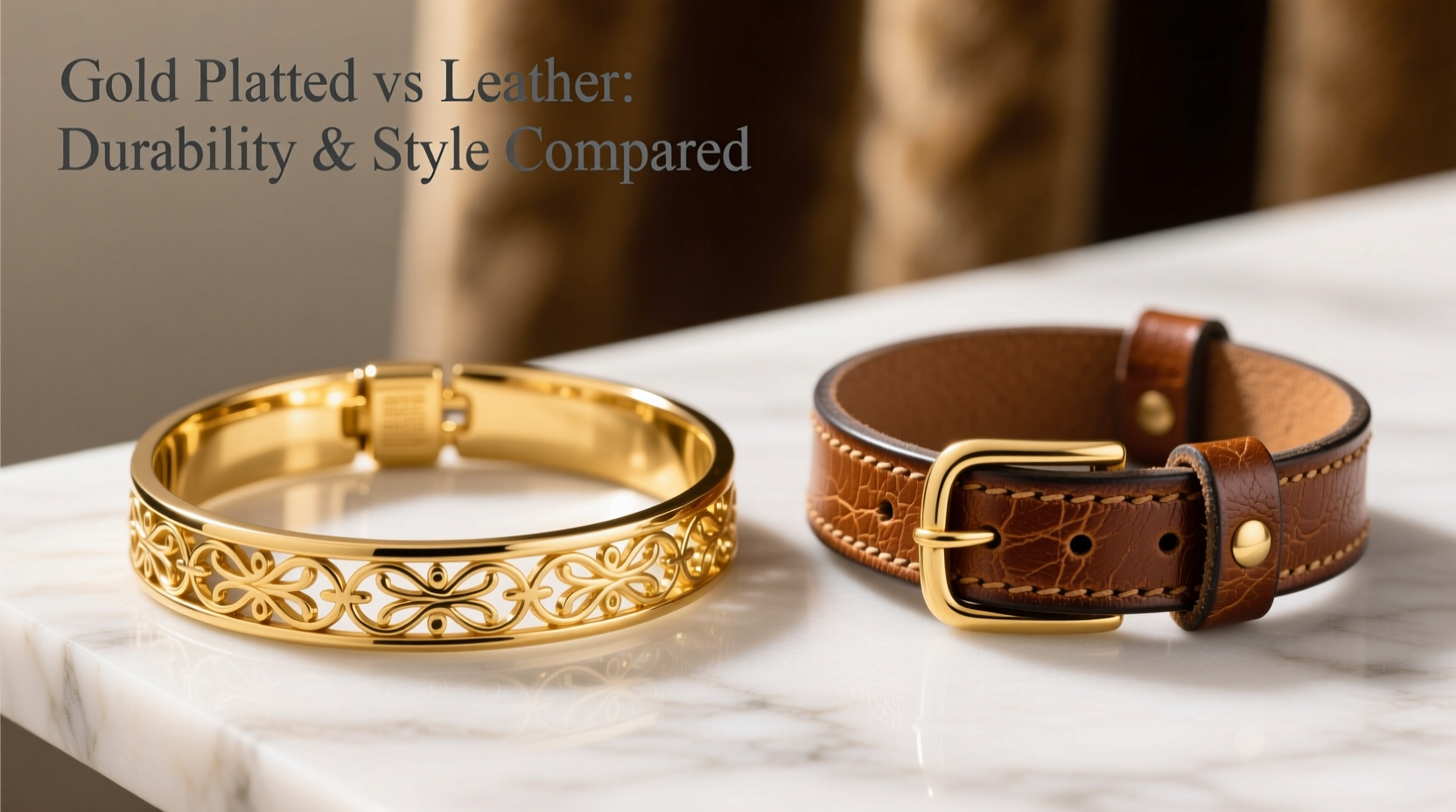
A gold plated bracelet consists of a base metal—typically brass, copper, or stainless steel—coated with a thin layer of real gold, usually between 0.5 to 2.5 microns thick. The plating process gives it the appearance of solid gold at a fraction of the cost. However, this surface layer can wear off over time, especially with frequent friction, exposure to moisture, or contact with chemicals like lotions and perfumes.
In contrast, leather bracelets are made from tanned animal hide, commonly cowhide, lambskin, or exotic skins like python. High-quality leather develops a patina—a natural sheen that deepens with age—making it more characterful over time. While leather is resilient, it is vulnerable to water damage, prolonged sun exposure, and oils from the skin, which can degrade its fibers if not properly maintained.
Tip: Avoid wearing your gold plated bracelet while swimming or showering to prevent premature tarnishing.Durability: How They Hold Up Over Time
Durability isn’t just about how long a material lasts—it’s about how well it withstands daily use without losing function or appeal. Gold plated bracelets may look luxurious initially, but their lifespan depends heavily on care habits. With regular wear, the gold layer can begin to flake or fade within 6 months to 2 years, exposing the base metal underneath. Once this happens, the bracelet loses its luster and may even cause skin discoloration due to metal oxidation.
Leather, when properly cared for, can last decades. Full-grain or top-grain leather bracelets resist cracking and maintain structural integrity far longer than lower-grade bonded leathers. However, leather is organic and porous. Spills, sweat, and humidity can lead to mold, warping, or unpleasant odors if not wiped down regularly. Unlike metal, leather doesn’t “tarnish,” but it does require conditioning every few months to retain suppleness.
“Leather ages beautifully when nurtured, but neglect turns it brittle. Gold plating offers instant glamour, but its longevity hinges on minimal exposure to abrasion.” — Daniel Reyes, Jewelry Craftsmanship Consultant
Style and Fashion Versatility
Styling potential plays a major role in accessory selection. Gold plated bracelets carry a formal, polished energy. They pair effortlessly with business attire, evening wear, or layered minimalist jewelry stacks. Their reflective quality adds brightness to an outfit and complements warm-toned metals like rose gold or bronze. However, their shine can clash with casual or rugged ensembles, making them less versatile across diverse wardrobes.
Leather bracelets offer a broader stylistic range. A braided leather band suits a weekend look, a moto-style cuff enhances edgy fashion, and a sleek leather strap with a metallic clasp bridges casual and semi-formal settings. Leather also works well in gender-neutral styling and adapts easily to bohemian, vintage, or military-inspired aesthetics. Its texture contrasts nicely with smooth fabrics and adds depth to monochrome outfits.
Style Matchup by Occasion
| Occasion | Gold Plated Bracelet | Leather Bracelet |
|---|---|---|
| Formal Events | Excellent fit – elevates elegance | Limited unless paired with metal accents |
| Casual Wear | Can feel overdressed | Natural fit – enhances relaxed vibe |
| Outdoor Activities | Poor – risk of scratches and tarnish | Good – durable and low-profile |
| Layered Jewelry | Shines in mixed-metal stacks | Adds texture contrast |
Maintenance Requirements Compared
Care routines significantly influence both durability and appearance. Gold plated jewelry should be cleaned gently with a soft, dry cloth after each wear. Harsh polishing cloths or chemical dips strip the plating faster. Storing it separately in a lined jewelry box prevents scratching. Re-plating services are available but add ongoing cost—typically $20–$50 every few years depending on craftsmanship.
Leather demands different attention. Wipe it with a slightly damp cloth monthly, then apply a leather conditioner to prevent drying. Never submerge it in water. Store it flat or loosely rolled to avoid creasing. For those living in humid climates, silica gel packs in storage drawers help absorb excess moisture.
Tip: Rotate your accessories weekly to reduce wear and extend the life of both leather and plated pieces.Mini Case Study: Office Worker vs. Outdoor Enthusiast
Consider two individuals: Sarah, a marketing executive who attends client meetings and dinners, and Jake, a landscape photographer who hikes daily and works outdoors. Sarah wears her delicate gold plated tennis bracelet regularly. She stores it carefully, avoids wearing it during workouts, and cleans it weekly. After 18 months, it still retains most of its shine.
Jake owns a full-grain leather wrap bracelet. He removes it before swimming, conditions it quarterly, and keeps a spare for muddy shoots. Despite heavy use, the leather has developed a rich patina and remains intact after three years. His gold plated chain, worn during a backpacking trip, tarnished within weeks due to sweat and rain exposure.
Their experiences highlight a key truth: durability is context-dependent. The right material aligns with your lifestyle, not just abstract claims of strength.
Checklist: Choosing the Right Bracelet for You
- Assess your daily activities – will the piece face water, dirt, or friction?
- Determine your preferred aesthetic – polished elegance or earthy authenticity?
- Evaluate maintenance willingness – are you consistent with care routines?
- Consider climate – high humidity affects leather; salty air damages plating.
- Set a realistic budget – factor in re-plating or replacement costs over time.
- Test comfort – some find metal cold or heavy; others find leather constricting when wet.
Frequently Asked Questions
Can a gold plated bracelet turn my skin green?
Yes, if the base metal is copper or a copper alloy and reacts with sweat or skin pH. This is harmless but avoidable with hypoallergenic base metals like surgical steel.
Do leather bracelets stretch over time?
Slightly, yes. Natural leather fibers loosen with wear, especially with frequent bending. Opt for adjustable closures or slightly snug fits to account for minor elongation.
Is there a hybrid option that combines both materials?
Absolutely. Many designers offer leather straps with gold plated buckles or centerpieces. These combine the comfort and texture of leather with the prestige of gold accents, offering balanced style and moderate durability.
Final Verdict: Which Is Better?
Neither gold plated bracelets nor leather bands are universally superior. Durability favors leather in active environments, while gold plating excels in controlled, low-friction settings. Stylistically, gold brings refinement; leather brings versatility. The best choice reflects your routine, values, and aesthetic priorities.
If you prioritize low maintenance and rugged charm, go for full-grain leather. If you seek timeless shine for special occasions and can commit to careful upkeep, gold plated designs deliver elegance. For maximum flexibility, consider owning both—one for daily adventures, another for moments that call for polish.
“The most durable accessory isn’t the toughest material—it’s the one you’ll actually take care of.” — Lena Park, Sustainable Fashion Advocate🚀 Ready to upgrade your wrist game? Assess your lifestyle, invest in quality, and treat your accessories with intention. Share your favorite combo or care tip in the comments below!









