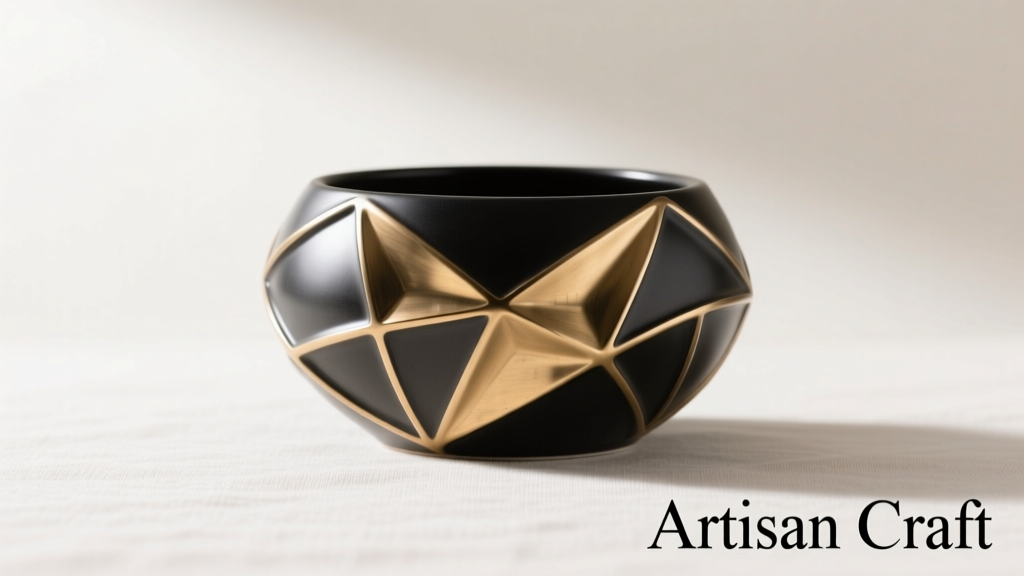
Diamond inlaid insulated cups blend luxury with functionality—offering superior temperature retention while showcasing intricate, eye-catching designs. These premium drinkware pieces often feature real or simulated diamonds embedded into metal surfaces, typically stainless steel, creating a dazzling aesthetic that demands careful upkeep. While the insulation ensures your beverages stay hot or cold for hours, the delicate embellishments are vulnerable to damage from improper cleaning techniques, harsh chemicals, or moisture buildup. Maintaining both the visual brilliance and thermal efficiency requires a thoughtful, consistent approach. Without proper care, residue can dull the finish, adhesive integrity around the stones may weaken, and internal odors might develop—all diminishing the experience of using such a refined product.
Why Special Care Is Non-Negotiable
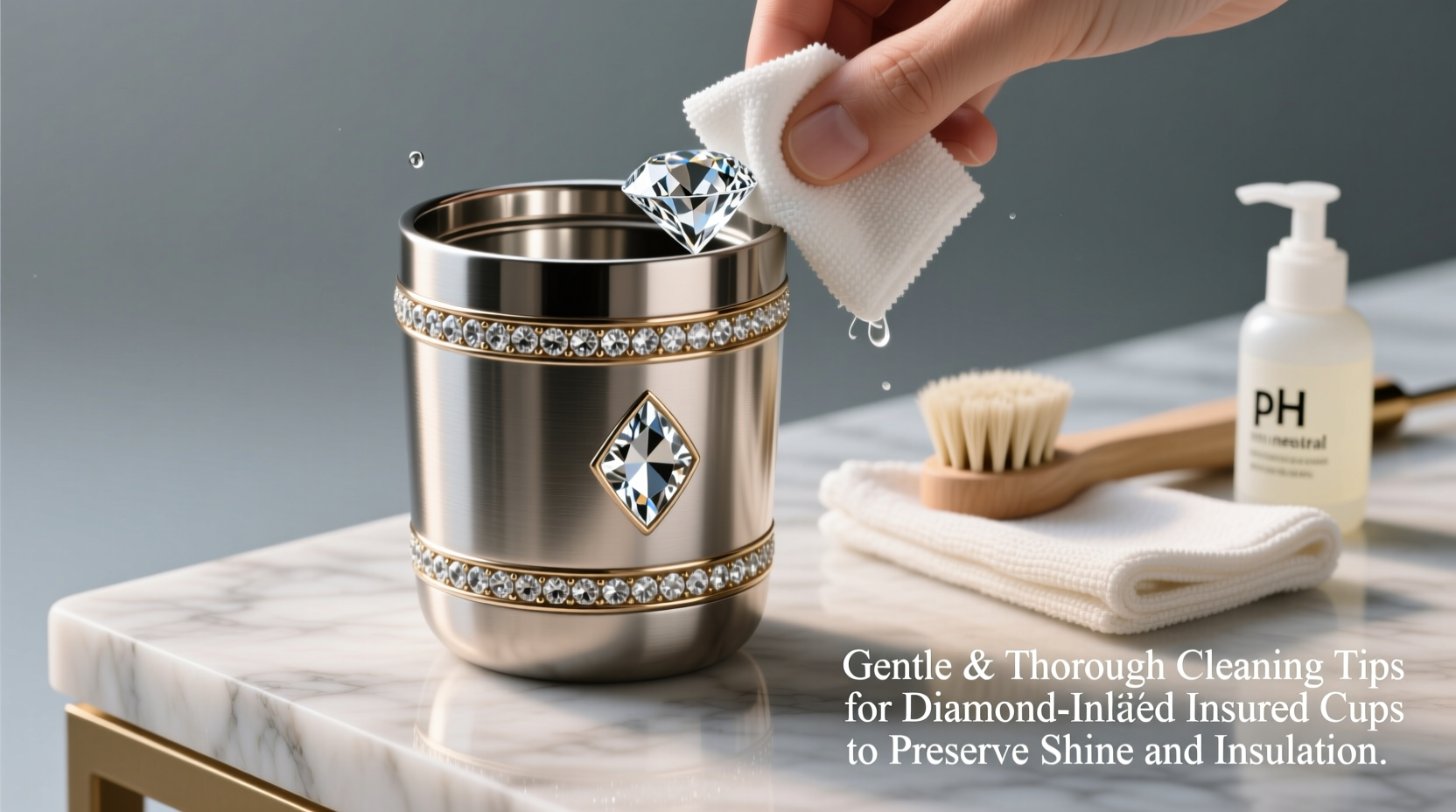
The dual nature of these cups—high-performance insulation paired with decorative elements—means standard washing methods fall short. The vacuum-sealed double-wall construction prevents heat transfer but also traps moisture if liquids seep into seams or crevices near the inlay. Meanwhile, the stones, whether genuine diamonds or high-grade simulants, are often set using precision adhesives sensitive to abrasives and solvents. Over time, exposure to dish soap residues, scrubbing pads, or extreme temperatures can cause clouding, loosening, or even detachment of the inlays. Additionally, the outer surface coating—frequently electroplated or PVD-coated for luster—can scratch or corrode without pH-balanced cleaners. Preserving both function and form isn’t just about aesthetics; it’s about protecting an investment designed to last for years when treated correctly.
“Luxury insulated drinkware with gem inlays should be cleaned like fine jewelry combined with high-tech appliances. One misstep in method can compromise both beauty and utility.” — Dr. Lena Torres, Materials Scientist & Consumer Product Consultant
Step-by-Step Cleaning Routine
A systematic cleaning process ensures every part of the cup receives appropriate attention without risking damage. Follow this timeline weekly or after heavy use:
- Rinse Immediately After Use: Flush the interior with lukewarm water to prevent staining from coffee, tea, or sugary drinks. Do not let liquids sit longer than two hours.
- Interior Wash with Mild Solution: Mix one drop of non-abrasive dish soap (phosphate-free) with warm water. Fill the cup halfway, cap off, and swirl vigorously for 30 seconds. Rinse thoroughly three times to eliminate all soap traces.
- Clean the Lid Separately: Disassemble silicone gaskets and straws if applicable. Soak components in soapy water for 5 minutes, then use a soft-bristle brush (like a clean toothbrush) to reach grooves. Never boil plastic or silicone parts.
- Exterior & Inlay Wipe Down: Dampen a microfiber cloth with distilled water only. Gently wipe the body, avoiding direct spray or soaking near stone settings. For fingerprints or smudges, lightly moisten the cloth with a 9:1 water-to-isopropyl alcohol solution (70% concentration max).
- Dry Completely Before Reassembly: Air-dry all components upside down on a lint-free towel in a well-ventilated area. Ensure no moisture remains in threading or under the base seal before reattaching the lid.
Do’s and Don’ts at a Glance
| Do | Don't |
|---|---|
| Use a microfiber cloth for polishing | Use paper towels or rough fabrics that scratch coatings |
| Clean weekly, even if used lightly | Wait until visible grime accumulates |
| Inspect stones monthly for looseness | Tap or pick at stones with fingernails or tools |
| Store upright in a fabric-lined case | Stack cups or toss them loosely into bags |
| Use distilled water for final rinses | Expose to chlorinated or hard tap water frequently |
Real Example: A Collector’s Experience
Sophia M., a luxury lifestyle blogger and collector of designer insulated drinkware, learned the hard way when her limited-edition rose gold cup with pavé diamond detailing began losing its luster after six months. She had been placing it daily in her dishwasher, assuming the durability of stainless steel extended to the entire build. Within months, she noticed hazing around the stones and a faint metallic odor despite regular use. Upon consulting the manufacturer, she discovered that repeated exposure to dishwasher heat and detergent had compromised the epoxy setting. Switching to hand-washing with distilled water and storing the cup in a padded sleeve restored much of its appearance through professional detailing—but the lesson was costly. Now, she maintains a log of cleaning dates and uses a jeweler’s loupe to inspect each stone quarterly. Her routine has kept her newer models flawless for over 18 months.
Essential Maintenance Checklist
- ✅ Rinse interior immediately after each use
- ✅ Hand-wash with mild soap and soft cloth weekly
- ✅ Inspect diamond settings for looseness monthly
- ✅ Dry all components completely before storage
- ✅ Store in a protective case away from humidity
- ✅ Avoid contact with perfumes, lotions, or acidic foods
- ✅ Schedule professional inspection annually if heavily used
Frequently Asked Questions
Can I use jewelry cleaner on the diamond inlays?
No. Most commercial jewelry cleaners contain ammonia or ultrasonic agents that can erode the bonding material securing the stones to the cup. Stick to distilled water and microfiber for surface cleaning. If deep cleaning is needed, consult the manufacturer or a professional specializing in bonded gem applications.
What causes the inside of my cup to smell musty?
Odors typically result from trapped moisture or biofilm buildup due to incomplete drying or infrequent cleaning. Always disassemble the lid and ensure the silicone gasket is fully dry. For persistent smells, perform a baking soda flush: mix one tablespoon of food-grade baking soda with warm water, shake for one minute, then rinse extensively.
Will tarnishing affect the insulation performance?
Surface tarnishing or coating wear does not impact vacuum insulation directly, as long as the double-wall seal remains intact. However, corrosion near seams could eventually compromise structural integrity. Preventative cleaning minimizes this risk and preserves resale value.
Preserve Beauty, Performance, and Value
Your diamond inlaid insulated cup is more than a vessel for drinks—it’s a fusion of engineering and artistry. With mindful maintenance, you protect not only its radiant sparkle but also its ability to perform flawlessly day after day. The habits you adopt now will determine how long it remains a centerpiece of your daily routine. By integrating gentle cleaning practices, vigilant inspections, and intelligent storage, you extend the life of your cup far beyond typical wear patterns.
💬 Have a tip or success story with caring for luxury drinkware? Share your insights below and help others maintain their prized pieces with confidence.








