
In a world where interior design trends shift as quickly as smartphone models, ceramics have become both functional essentials and statement art pieces. From hand-thrown mugs to sculptural vases, these objects occupy a unique space—part utility, part expression. But when choosing ceramics, many people face a quiet dilemma: should they prioritize function or appearance? And more pointedly, is it truly acceptable to select ceramics solely for their visual appeal, even if they’re impractical?
The answer isn’t binary. While beauty can elevate everyday rituals, ignoring functionality risks turning cherished items into dust collectors. Understanding the roles of functional and decorative ceramics—and how they intersect—can help you make intentional, satisfying choices.
Defining Functional vs Decorative Ceramics
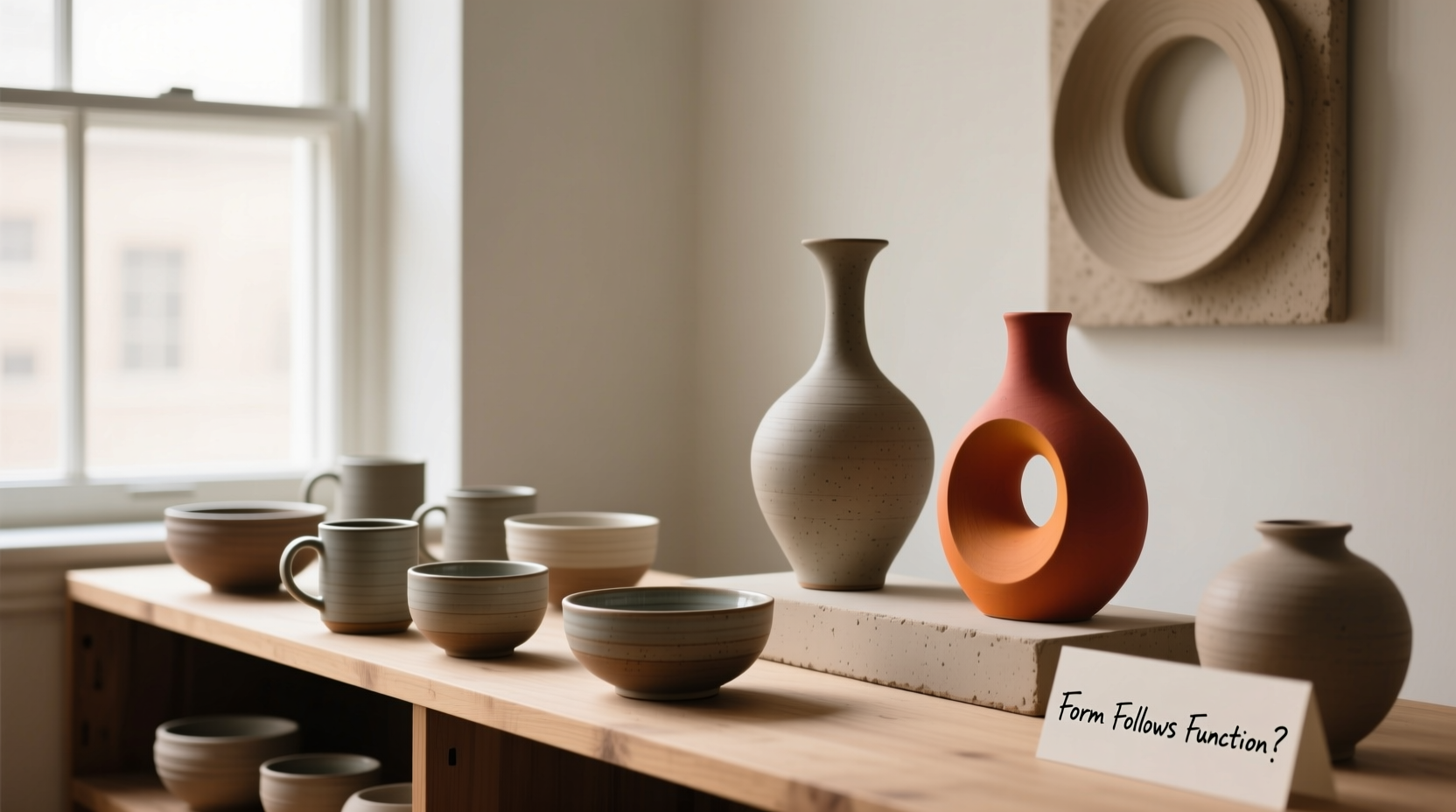
At its core, ceramic refers to any object made from fired clay. The distinction between functional and decorative lies in purpose.
- Functional ceramics are designed for use: dinnerware, coffee mugs, planters, pitchers, and bakeware fall into this category. These pieces must withstand heat, moisture, mechanical stress, and frequent handling.
- Decorative ceramics, by contrast, serve primarily as visual elements. Think glazed wall sculptures, abstract centerpieces, or ornate figurines. Their value is aesthetic, emotional, or symbolic rather than utilitarian.
Yet the line often blurs. A handmade bowl may be food-safe and technically usable but so delicate or artistically significant that owners hesitate to place salad in it. Conversely, a mass-produced vase might be entirely functional yet relegated to decoration due to poor design or sentimental value.
Tip: Ask yourself: “Would I feel comfortable using this daily?” If the answer is no, it may already belong in the decorative realm—regardless of its technical capabilities.The Case for Prioritizing Aesthetics
There’s undeniable power in visual delight. Beautiful objects influence mood, spark conversation, and reflect personal identity. In environments like homes or offices, ceramics that resonate emotionally can enhance well-being.
Interior designer Lila Tran observes:
“People don’t just live in spaces—they inhabit experiences. A striking ceramic piece can transform a shelf into a story, a table into a tableau. When something moves you, its ‘function’ expands beyond utility.” — Lila Tran, Interior Design Consultant
This perspective validates choosing ceramics purely for appearance. After all, emotional resonance is a form of function. A sculpture that brings calm each morning serves a role no plate ever could.
Moreover, social media has amplified aesthetic culture. Platforms like Instagram reward visually cohesive spaces, encouraging users to curate homes around photogenic objects. This trend doesn’t diminish authenticity—it simply shifts what people value. As long as the choice is conscious, not compulsive, prioritizing looks isn’t shallow; it’s self-expression.
When Looks Aren’t Enough: The Limits of Pure Aesthetics
While beauty matters, overlooking practicality can lead to frustration. Consider a mug with an awkward handle or a plate too narrow for a standard meal. These items may photograph beautifully but fail in daily life, ultimately being discarded or stored unused.
Aesthetic-only choices also risk short-lived satisfaction. Trends fade. What feels modern today may seem dated in five years. Functional ceramics, especially those made with durability in mind, often outlast fleeting styles.
Additionally, ceramics marketed as functional but poorly executed can pose safety concerns. Glazes containing lead or cadmium, if improperly formulated or fired, may leach into food. An eye-catching plate from an unverified artisan source might look stunning—but is it safe to eat off?
| Factor | Functional Ceramic Priorities | Decorative Ceramic Priorities |
|---|---|---|
| Durability | High (dishwasher/microwave safe) | Low to moderate |
| Glaze Safety | Critical (food-safe certification) | Less critical |
| Ergonomics | Essential (comfortable grip, weight) | Optional |
| Visual Impact | Nice, but secondary | Primary concern |
| Maintenance | Easy cleaning preferred | Less frequently cleaned |
Finding Balance: How to Choose Wisely
Instead of treating function and decoration as opposites, consider them complementary. Many contemporary ceramicists intentionally blend both. A vase can hold flowers safely while doubling as a sculptural centerpiece. A mug can feature bold glazing and still fit comfortably in hand.
To make balanced decisions, follow this step-by-step evaluation:
- Define the intended use. Will this item be handled daily, displayed occasionally, or used seasonally?
- Assess material quality. Is the clay sturdy? Is the glaze smooth and fully vitrified? Are there cracks or weak joints?
- Check safety standards. For food-related items, verify non-toxic, food-safe labeling—especially with handmade or imported pieces.
- Evaluate ergonomics. Pick up the piece if possible. Does it feel balanced? Is the rim smooth? Does the handle allow secure grip?
- Honor emotional response. Do you love how it looks? Does it inspire joy or curiosity? Don’t dismiss this—even functional items deserve to delight.
Mini Case Study: The Heirloom Plate Dilemma
Sophie inherited a set of hand-painted porcelain plates from her grandmother. Delicate and ornate, they were clearly meant for display. Yet Sophie wanted to honor her grandmother by using them, not hiding them.
She consulted a conservator, who confirmed the glaze was food-safe and the structure sound—though not dishwasher-safe. Sophie decided to use the plates monthly, reserving them for family dinners. She hand-washed them carefully and stored them with felt liners.
The compromise worked. The plates gained new life through use, while Sophie protected their integrity. Her story illustrates that intentionality—not rigid categories—guides meaningful ceramic choices.
Checklist: Choosing Ceramics with Purpose
- ☑ Determine primary purpose: daily use, occasional use, or display only
- ☑ Verify food safety if intended for eating/drinking
- ☑ Test weight and balance for comfort
- ☑ Confirm compatibility with dishwasher, microwave, or oven if needed
- ☑ Consider long-term maintenance (e.g., staining, chipping)
- ☑ Assess emotional value—is this piece meaningful beyond appearance?
- ☑ Buy from reputable makers who disclose materials and firing processes
Frequently Asked Questions
Can decorative ceramics be used functionally?
Yes, if they meet safety and structural requirements. However, many decorative pieces are intentionally fragile or untreated for food contact. Always confirm suitability before repurposing.
Is it wasteful to own ceramics I never use?
Not necessarily. If an item brings consistent joy or cultural value, it serves a purpose. Waste occurs when objects are bought impulsively and ignored. Mindful ownership—whether functional or decorative—is sustainable.
How do I know if a handmade ceramic is food-safe?
Ask the maker for details on glaze composition and firing temperature. Reputable artisans will disclose whether their glazes are lead-free and FDA-compliant. Avoid brightly colored handmade ceramics from unknown sources unless certified safe.
Conclusion: Beauty and Purpose Can Coexist
Caring about how ceramics look isn’t superficial—it’s human. We respond to color, texture, and form. But true satisfaction comes from alignment: choosing pieces that reflect your taste while serving your lifestyle.
You don’t need to apologize for loving a vase that holds nothing but admiration. Nor should you ignore a mug that slips from your fingers despite its elegance. The goal isn’t perfection, but intention.
Whether you lean toward function, decoration, or a blend of both, make choices that feel authentic. Support artists, respect craftsmanship, and let your space tell a story that’s uniquely yours.
💬 What’s one ceramic piece you love purely for its looks? Share your favorite in the comments—let’s celebrate beauty, function, and everything in between.








