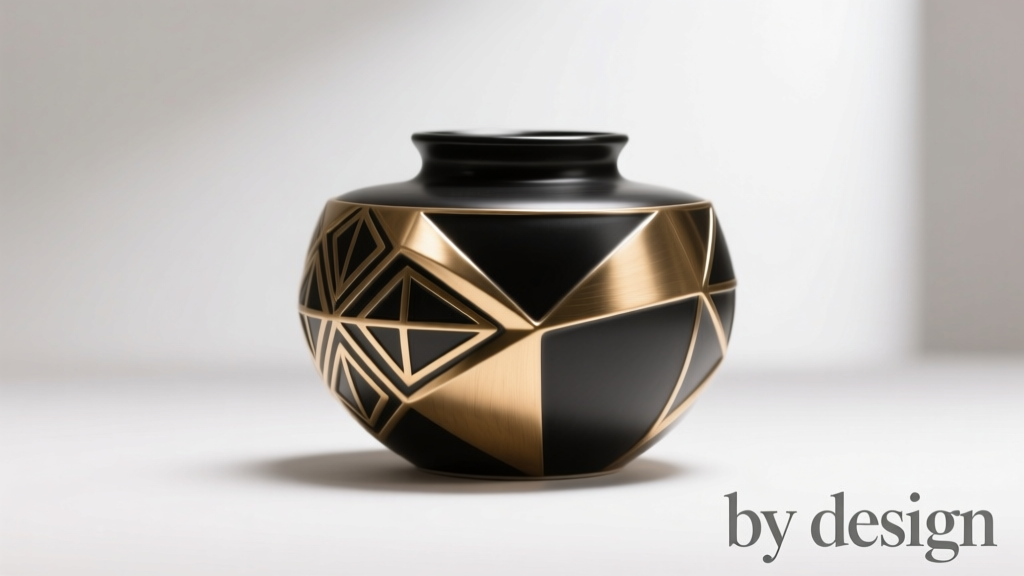
Types of Gold Foil
Gold foil is a luxurious and versatile material used across art, design, printing, and decorative applications. Available in various formats, each type of gold foil offers unique benefits in terms of application method, durability, and finish. Understanding the differences between these types helps artists, crafters, and professionals choose the right foil for their specific project needs.
Leaf Gold Foil
One of the most traditional forms of gold foil, leaf gold is an ultra-thin sheet of real gold, typically measuring around 3.5 x 3.5 inches. It’s prized for its brilliant luster and malleability.
Advantages
- Exceptional reflective quality and brilliance
- Extremely thin and lightweight
- Conforms easily to intricate or curved surfaces
- Ideal for fine art, gilding, and restoration work
Limitations
- Fragile and easily torn during handling
- Requires skill and precision to apply
- Sensitive to moisture and environmental factors
Best for: Artistic gilding, decorative crafts, architectural accents, and high-end restoration projects
Gold Foil Rolls
Available in continuous lengths and custom widths, gold foil rolls are designed for larger-scale or commercial applications where efficiency and consistency are key.
Advantages
- Efficient for large surface coverage
- Minimizes seams and gaps in application
- Reduces waste and handling time
- Suitable for industrial and commercial use
Limitations
- Less precise for detailed work
- Requires proper storage to avoid creasing
- Higher initial cost for bulk purchase
Best for: Signage, packaging, large decorative panels, and commercial printing operations
Pre-Glued Gold Foil
This user-friendly option features a built-in adhesive layer that activates with heat or moisture, eliminating the need for separate adhesives during application.
Advantages
- Simple and quick application process
- Perfect for beginners and DIY projects
- Available in both leaf and roll formats
- Reduces mess and cleanup time
Limitations
- May not adhere as strongly as traditional methods
- Limited repositioning once activated
- Fewer customization options in adhesive type
Best for: Crafters, educators, hobbyists, and small-scale decorative projects
Gold Transfer Foil
Designed for use with heat presses, laser printers, or toner-based systems, transfer foil allows precise and repeatable gold application in digital and print workflows.
Advantages
- High precision and consistency
- Compatible with digital printing and heat presses
- Ideal for mass production and branding
- Excellent for text, logos, and fine details
Limitations
- Requires specialized equipment
- Less suitable for hand application
- Adhesion depends on substrate compatibility
Best for: Custom packaging, wedding invitations, business cards, and small business branding
Durable Gold Foil
Reinforced with a backing of paper or plastic, durable gold foil is engineered for resilience and ease of handling, making it ideal for educational and high-traffic environments.
Advantages
- Resistant to tearing and handling damage
- Long-lasting and less prone to tarnishing
- Great for workshops and classroom settings
- Withstands environmental exposure better than pure leaf
Limitations
- Slightly thicker, less delicate appearance
- May not achieve the same ultra-fine finish as traditional leaf
- Premium pricing due to enhanced construction
Best for: Art schools, commercial studios, signage, and projects requiring long-term durability
| Type | Application Ease | Durability | Best For | Format Options |
|---|---|---|---|---|
| Leaf Gold Foil | Difficult | Low | Fine art, restoration, intricate designs | Sheets only |
| Gold Foil Rolls | Medium | Medium | Large surfaces, commercial use | Rolls (custom sizes) |
| Pre-Glued Gold Foil | Easy | Medium | DIY, crafts, quick projects | Sheets and rolls |
| Gold Transfer Foil | Medium (equipment needed) | High | Digital printing, branding, precision work | Rolls |
| Durable Gold Foil | Easy to Medium | High | Workshops, high-traffic areas, education | Sheets and rolls |
Expert Tip: For best results with leaf gold foil, apply it in a low-humidity environment using a soft gilder’s brush to minimize static and tearing. For transfer foils, always test adhesion on your substrate before full production to ensure clean, lasting results.
Uses of Gold Foil: From Ancient Art to Modern Technology
Gold foil, a thin sheet of gold typically ranging from 0.1 to 0.2 microns in thickness, has captivated civilizations for centuries. Its unique luster, malleability, and resistance to tarnish make it invaluable across a wide spectrum of applications. From enhancing the beauty of classical artworks to enabling breakthroughs in high-tech industries, gold foil continues to play a pivotal role in both traditional craftsmanship and cutting-edge innovation.
Artistic and Decorative Applications
Gold foil has long been synonymous with luxury and elegance in the world of art and design. One of the most iconic examples is the work of Austrian symbolist painter Gustav Klimt, whose masterpiece *The Kiss* and other works feature extensive use of gold leafing to create a luminous, divine aesthetic. This technique, known as gilding, dates back thousands of years and was used in ancient Egyptian tombs, Byzantine mosaics, and Renaissance altarpieces.
Today, artisans apply gold foil to furniture, picture frames, sculptures, and religious icons to evoke opulence and timelessness. In modern crafts, it's widely used in scrapbooking, greeting cards, home décor, and calligraphy through methods like heat stamping or adhesive application. The reflective quality of gold foil catches light beautifully, instantly elevating the visual impact of any surface it adorns.
Role in Cosmetics and Skincare
In recent years, gold foil has gained prominence in the luxury beauty industry. It is incorporated into face masks, serums, creams, and even makeup products for its purported anti-aging and skin-rejuvenating benefits. While scientific evidence remains limited, gold is believed to help reduce inflammation, slow down collagen degradation, and improve skin elasticity due to its antioxidant properties.
High-end spas and dermatology clinics often offer gold-infused facials, touting them as indulgent treatments that leave the skin with a radiant glow. The psychological appeal of gold—associated with purity, wealth, and exclusivity—further enhances the perceived value of these cosmetic products, making them popular among consumers seeking premium self-care experiences.
Packaging and Branding for Premium Products
Gold foil stamping is a powerful tool in branding and packaging design, especially for products positioned in the luxury market. It is commonly used on perfume bottles, wine and spirits labels, gourmet food packaging, and high-end cosmetics to convey sophistication and exclusivity.
The process involves applying metallic foil to paper or cardboard using heat and pressure, creating a mirror-like finish that stands out on retail shelves. Unlike ink printing, gold foil reflects light dynamically, giving packages a three-dimensional, eye-catching appearance. This tactile and visual premiumization helps brands differentiate themselves in competitive markets and appeals to consumers' desire for quality and elegance.
Architectural Gilding and Historical Restoration
Throughout history, gold foil has adorned some of the world’s most revered architectural landmarks. Iconic sites such as the Dome of the Rock in Jerusalem, Buddhist temples in Japan, and European cathedrals feature gilded domes, ceilings, and decorative elements crafted using delicate gold leaf.
In restoration projects, conservators use real gold foil to repair and preserve historical accuracy, ensuring that damaged or faded gilded surfaces regain their original splendor. Because gold does not corrode or oxidize, it maintains its brilliance for centuries, making it ideal for both preservation and new installations in sacred or monumental buildings. The meticulous application process requires skilled artisans who follow traditional techniques passed down through generations.
Advanced Applications in Modern Technology
Beyond aesthetics, gold foil plays a critical functional role in modern science and technology. Due to its exceptional electrical conductivity, corrosion resistance, and biocompatibility, it is indispensable in high-performance electronics and medical devices.
In the electronics industry, gold foil is used in semiconductors, microchips, connectors, and printed circuit boards (PCBs) to ensure reliable signal transmission, even in extreme conditions. Its stability prevents oxidation that could disrupt sensitive circuits—making it essential in smartphones, satellites, and aerospace systems.
In healthcare, gold foil is used in dental restorations, implantable devices, and diagnostic sensors. Its inert nature means it rarely causes allergic reactions, making it safe for long-term use within the human body. Researchers are also exploring gold nanotechnology for targeted drug delivery and cancer treatment, further expanding its life-saving potential.
| Application Area | Key Benefits of Gold Foil | Common Uses |
|---|---|---|
| Art & Decoration | Lustrous appearance, malleability, permanence | Paintings, gilded frames, crafts, calligraphy |
| Cosmetics | Perceived anti-aging, radiant finish, luxury appeal | Face masks, serums, luxury skincare |
| Packaging | Premium look, shelf appeal, brand differentiation | Luxury labels, gift boxes, perfume bottles |
| Architecture | Weather resistance, historical authenticity, brilliance | Temple domes, ceiling restoration, monuments |
| Technology & Medicine | Conductivity, biocompatibility, non-reactivity | Microchips, medical implants, sensors |
Note: While imitation gold leaf (made from copper-zinc alloys) is available at lower cost, genuine gold foil offers unmatched durability and resistance to environmental factors. For applications requiring longevity—especially in outdoor architecture or medical devices—real gold remains the superior choice despite its higher price point.
How to Choose Gold Foil
Selecting the right gold foil is essential for achieving professional, long-lasting results in any decorative or artistic application. Whether you're working on fine art, luxury packaging, or DIY crafts, understanding the key selection criteria ensures your project shines with authenticity and precision. Below are the most important factors to consider when choosing the ideal gold foil for your needs.
Type of Project
The nature of your project plays a decisive role in determining the best type of gold foil. Different applications demand different materials based on durability, appearance, and handling requirements.
- Fine Art & High-End Decor: Genuine gold leaf is preferred for its unmatched luster, authenticity, and traditional craftsmanship appeal. Ideal for gilding picture frames, religious icons, or museum-quality restorations.
- Crafting & Commercial Use: Gold foil rolls or transfer foils are more practical for bulk applications like card making, invitations, or product branding. Their consistency and ease of use make them ideal for repetitive tasks.
- Architectural & Furniture Gilding: Medium-weight gold leaf or composite foils offer a balance between durability and elegance, especially on curved or textured surfaces.
Key insight: Match the foil type to the project’s longevity and visual impact goals.
Application Method
The technique used to apply the foil significantly influences your choice. Some methods require skill and time, while others are designed for speed and simplicity.
- Traditional Water or Oil Gilding: Requires applying adhesive (size), waiting for tack, then carefully laying gold leaf by hand. Best for artists seeking control and depth in finish.
- Heat Transfer Foils: Applied using a laminator, heat press, or iron. Common in printing, textiles, and stationery. No adhesive needed—ideal for beginners and high-volume production.
- Pre-Adhesive (Cold Foil): Comes with a release liner and pressure-sensitive backing. Simply peel and press—perfect for quick prototyping or small craft projects.
Pro tip: For consistent results in commercial printing, consider foil-compatible digital printers or stamping machines.
Quality and Authenticity
The authenticity of the gold directly affects the final appearance, durability, and perceived value of your work.
- Genuine Gold Leaf: Made from real gold (typically 22–24 karat), offering a rich, warm glow and resistance to tarnishing. Lasts decades when properly sealed. Ideal for heirloom pieces.
- Imitation Gold (Schlagmetal): Made from copper-zinc alloys (e.g., Dutch metal). Cost-effective but prone to oxidation over time. Best for indoor, short-term displays.
- Palladium or Silver-Based Gold: Used as a base for gold-plated foils. Offers good reflectivity and moderate durability at a lower cost than solid gold.
Quality check: Reputable suppliers provide karat ratings, purity certifications, and batch traceability.
Color and Thickness
Gold foil is available in a range of hues and thicknesses, allowing customization to suit design themes and surface textures.
- Color Variants: Choose from bright lemon gold, warm red gold, soft pale gold, or antique (oxidized) finishes. Each complements different color palettes and historical styles.
- Thickness (Gauge): Measured in microns or grams per square meter. Thicker foils (0.1–0.2 microns) are easier to handle and less fragile. Ultra-thin foils (0.05 microns) conform better to intricate carvings and embossed surfaces.
- Finish Options: Matte, satin, or high-gloss finishes can alter the reflective quality and modernity of the final look.
Design tip: Test samples under actual lighting conditions—natural vs. artificial light can dramatically change perceived color.
Budget and Value Considerations
Cost varies widely depending on material composition, purity, and form. Balancing budget with desired outcome is crucial.
- Genuine Gold Leaf: Highest upfront cost but offers superior longevity and prestige. Justifiable for luxury branding or art installations.
- Craft-Grade Foil: Affordable and widely available in rolls or sheets. Suitable for school projects, temporary décor, or trial runs.
- Transfer Foil Rolls: Mid-range pricing with excellent coverage efficiency. Often more cost-effective per square inch than leaf due to minimal waste.
- Waste Factor: Traditional leaf application can result in 20–30% waste due to overlap and handling. Transfer foils reduce this significantly.
Smart strategy: Use genuine gold for focal points and imitation foil for background areas to optimize cost.
Surface Compatibility & Durability
Not all foils adhere equally well to every surface. The substrate and environment matter.
- Porous Surfaces: Wood, paper, and plaster work well with water or oil-based sizes for traditional gilding.
- Non-Porous Surfaces: Glass, metal, or plastic may require specialized adhesives or UV-curable coatings.
- Outdoor Use: Only genuine gold leaf with protective lacquer resists weathering, UV exposure, and moisture.
- Wear Resistance: High-traffic areas (e.g., signage, furniture) benefit from sealed or laminated foils to prevent flaking.
Critical step: Always test adhesion and finish on a sample piece before full-scale application.
Professional Recommendation: For most beginners and small businesses, heat-transfer gold foil offers the best balance of ease, consistency, and affordability. Artists and conservators should invest in genuine gold leaf from trusted suppliers like Gilders Choice or Sepp Leaf for museum-grade results. Always store gold foil in a cool, dry place away from direct light and humidity to preserve its integrity.
| Project Type | Recommended Foil | Application Method | Estimated Cost (per sq ft) |
|---|---|---|---|
| Art Gilding (Frames, Icons) | 23K Genuine Gold Leaf | Water or Oil Gilding | $80–$120 |
| Luxury Packaging | Heat Transfer Gold Foil | Hot Stamping | $15–$25 |
| DIY Crafts & Scrapbooking | Pre-Adhesive Foil Sheets | Peel-and-Press | $5–$10 |
| Architectural Details | 22K Gold Leaf (Heavy Gauge) | Oil Gilding + Sealing | $60–$90 |
Additional Considerations
- Storage & Shelf Life: Gold leaf should be stored flat in airtight containers. Transfer foils last longer when kept away from heat and moisture.
- Eco-Friendly Options: Look for recyclable backings and non-toxic adhesives, especially in packaging applications.
- Tool Requirements: Traditional gilding needs gilder’s tip, cushion, and knife; transfer foiling may require a heat press or laminator.
- Sealing Needs: Most gold applications—especially on high-touch surfaces—should be protected with a clear, non-yellowing lacquer.
- Supplier Reputation: Choose vendors with industry experience, detailed product specs, and customer support for technical guidance.
Gold Foil & Gold Leaf: Frequently Asked Questions
Gold foil and gold leaf are popular decorative materials used in art, crafts, and design. While they may appear similar, each has unique characteristics, applications, and handling requirements. This comprehensive Q&A guide answers the most common questions about gold foil, including its differences from gold leaf, outdoor durability, application techniques, color variations, and specialized types like durable gold foil. Whether you're a hobbyist, scrapbooker, or professional artist, this information will help you make informed decisions for your creative projects.
Pro Tip: Always handle gold foil with clean, dry hands or tweezers to avoid fingerprints and oils that can affect adhesion and appearance. Store unused foil in a cool, dry place away from direct sunlight to preserve its luster.
Q1: What is gold foil and how is it different from gold leaf?
A1: Gold foil is a thin sheet of metal typically composed of a gold alloy—often mixed with small amounts of copper, silver, or zinc to enhance durability and modify color. It is commonly used in crafts, decorative arts, and industrial applications due to its resilience and ease of handling. Gold foil is usually thicker and more robust than gold leaf, making it suitable for projects requiring frequent handling or added strength.
In contrast, gold leaf is made from nearly pure gold (often 22-24 karat) that has been hammered into extremely thin sheets—sometimes only a few microns thick. This delicate material is primarily used in traditional gilding techniques for fine art, picture frames, and architectural details. Gold leaf is more fragile and requires specialized application methods, such as water gilding or oil size, and must be protected with a topcoat to prevent damage. While both materials offer a luxurious metallic finish, gold foil is generally more accessible for crafters, whereas gold leaf is favored for high-end artistic and restoration work.
Q2: Can gold foil be used outdoors?
A2: Yes, gold foil can be used in outdoor applications, but it requires proper protection to maintain its appearance and longevity. Prolonged exposure to rain, humidity, UV rays, and temperature fluctuations can cause tarnishing, peeling, or discoloration over time—especially if the foil contains base metals like copper.
To ensure durability in outdoor environments:
- Seal the gold foil with a clear, weather-resistant protective coating such as UV-stable varnish or polyurethane.
- Avoid direct contact with moisture by mounting the foil in sheltered areas or under glass/acrylic enclosures.
- Use acid-free adhesives and backing materials to prevent chemical reactions that could degrade the foil.
- Consider using imitation gold foil (such as aluminum-based metallic foil) for non-critical outdoor projects, as it offers similar aesthetics at lower cost and with better corrosion resistance.
With proper sealing and placement, gold foil can beautifully enhance outdoor signage, garden art, and architectural accents for years.
Q3: How is gold foil applied in scrapbooking?
A3: Gold foil is a popular embellishment in scrapbooking, adding elegance and dimension to memory books, greeting cards, and journal pages. The most common method involves using a foil transfer system, which bonds the foil to specific areas of the page using adhesive or heat-activated techniques.
Here’s a step-by-step guide to applying gold foil in scrapbooking:
- Design Selection: Choose a stencil, die-cut, or printed design where you want the foil to appear.
- Adhesive Application: Apply a thin, even layer of foil transfer gel or double-sided tape to the desired areas. For precision, use a fine-tip applicator or masking technique.
- Drying (if needed): Allow liquid adhesives to become tacky—usually 30–60 seconds—before applying foil.
- Foil Placement: Carefully lay the gold foil sheet over the adhesive, shiny side up, and press gently with a burnishing tool, bone folder, or soft cloth.
- Lifting: Peel back the foil sheet slowly—the areas with adhesive will retain the metallic finish, while excess foil lifts away cleanly.
- Cleanup: Use a soft brush or tape to remove any stray foil fragments.
Modern crafters also use digital foil systems (like laminators or specialized printers) for consistent, professional results. Always test on a scrap paper first to perfect your technique.
Q4: Does gold foil come in different colors?
A4: Yes, gold foil is available in a wide range of colors to suit various design aesthetics and project themes. While "gold" traditionally refers to a bright, warm yellow tone, manufacturers now offer numerous metallic finishes that mimic different gold alloys or create entirely new visual effects.
Popular gold foil color variations include:
- Classic Gold: A bright, reflective yellow-gold ideal for luxurious, eye-catching accents.
- Vintage (Antique) Gold: A darker, muted gold with subtle reddish or brownish undertones, perfect for rustic, heritage, or vintage-themed projects.
- Rose Gold: A pinkish-gold hue created by adding copper to the alloy; widely used in modern, romantic, or feminine designs.
- Pink Gold: Similar to rose gold but with a lighter, softer tone—great for weddings and delicate crafts.
- White Gold: A silvery-gold appearance achieved by mixing gold with palladium or nickel; offers a contemporary, elegant look.
- Green Gold: A rare variant with a pale greenish tint, used in specialty jewelry and art pieces.
Additionally, non-gold metallic foils (like silver, copper, holographic, or matte finishes) are often grouped with gold foil in craft stores, expanding creative possibilities even further.
Q5: What is the use of durable gold foil?
A5: Durable gold foil is specifically engineered for high-performance applications where flexibility, resilience, and long-term wear resistance are essential. Unlike standard gold foil, which may crack or flake under stress, durable versions are laminated with polyester or other synthetic backing layers that enhance strength and tear resistance.
This makes durable gold foil ideal for:
- Commercial Art Studios: Frequently handled prototypes, exhibition pieces, or collaborative artworks.
- Workshop Environments: Educational settings where students practice gilding and need forgiving materials.
- Industrial Design: Product branding, packaging, and luxury goods that undergo assembly or shipping.
- Architectural Elements: Wall finishes, signage, and decorative panels exposed to touch or environmental factors.
- Bookbinding & Stationery: High-end invitations, business cards, or journals that require repeated handling.
Durable gold foil maintains its reflective quality and adhesion even after bending, folding, or light abrasion, making it a preferred choice for professional and commercial applications where reliability and appearance are equally important.
| Gold Foil Type | Best For | Indoor/Outdoor Use | Application Method |
|---|---|---|---|
| Standard Gold Foil | Scrapbooking, card making, light crafts | Indoor (protected) | Adhesive, transfer gel |
| Durable (Laminated) Foil | Commercial art, packaging, workshops | Indoor/Outdoor (sealed) | Heat press, laminator, strong adhesive |
| Gold Leaf (22–24K) | Art gilding, restoration, fine frames | Indoor only | Water gilding, oil size |
| Imitation Gold Foil (e.g., brass/aluminum) | Budget projects, temporary displays | Indoor/Outdoor (coated) | Adhesive, spray mount |
Expert Insight: When selecting gold foil, consider both the aesthetic and functional needs of your project. For heirloom-quality scrapbooks or outdoor installations, investing in higher-grade, durable, or UV-protected foils ensures lasting beauty and performance.









